Recognizing and Managing Symptoms of Canine Influenza
Canine influenza, or "dog flu," is a highly contagious viral respiratory infection caused by specific strains of the influenza A virus. Clinical symptoms typically manifest as a persistent, dry cough, nasal discharge, lethargy, and los...
Canine influenza, or "dog flu," is a highly contagious viral respiratory infection caused by specific strains of the influenza A virus. Clinical symptoms typically manifest as a persistent, dry cough, nasal discharge, lethargy, and loss of appetite. While most dogs recover with supportive care, some may develop secondary bacterial pneumonia, necessitating prompt veterinary intervention.
Contents
Understanding Canine Influenza
Canine influenza virus (CIV) is a respiratory pathogen that has evolved to infect dogs. Unlike human influenza, which is largely seasonal, CIV can circulate among dog populations year-round, particularly in environments where dogs congregate. Two primary strains have been identified in the United States: H3N8 and H3N2. Both strains present with similar clinical signs, though they differ slightly in their origins and transmission patterns.
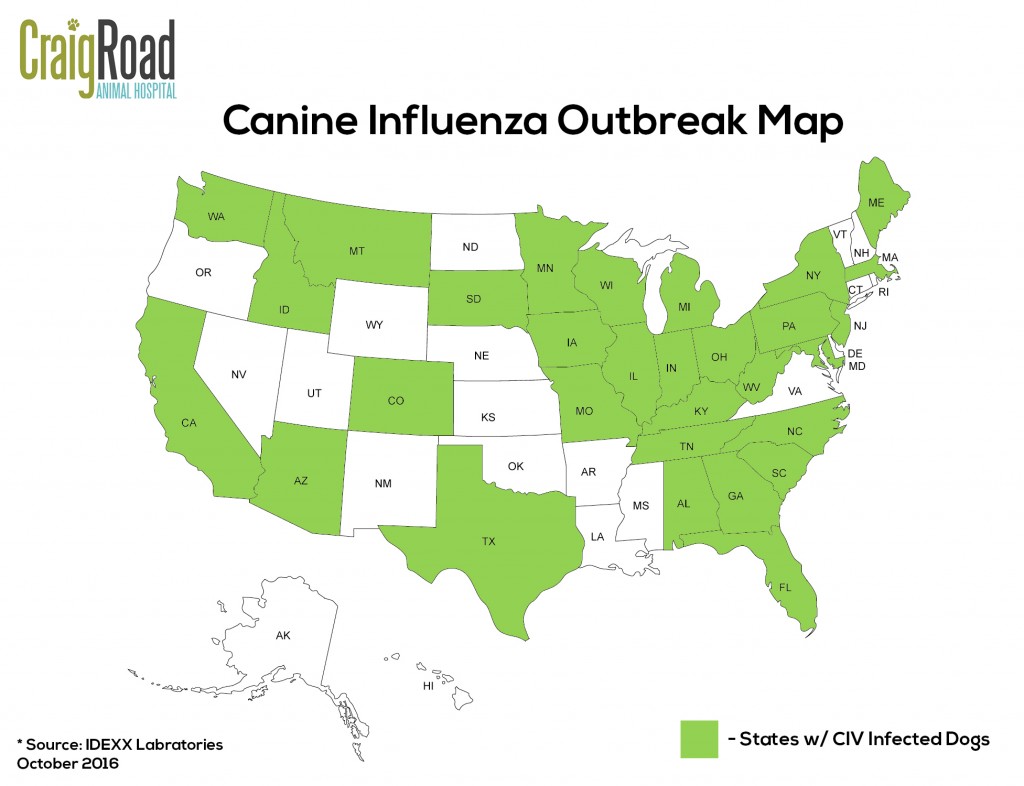
The virus spreads through respiratory droplets—sneezing, barking, or coughing—and through direct contact with contaminated surfaces, such as water bowls, leashes, or the hands and clothing of pet owners who have been in contact with an infected animal. Because the virus is highly infectious and many dogs are exposed before showing clinical signs, it can spread rapidly through shelters, boarding facilities, and dog parks.
Primary Clinical Symptoms
The symptoms of canine influenza mimic other canine respiratory diseases, commonly referred to as "kennel cough" or infectious tracheobronchitis. However, dog flu generally presents with a greater degree of systemic malaise.
The Cough
The most hallmark symptom is a persistent cough. Unlike the "honking" sound often associated with tracheal collapse or mild kennel cough, the canine influenza cough can range from a dry, hacking sound to a soft, moist cough. It often persists for 10 to 21 days, even as other symptoms begin to subside.
Nasal and Ocular Discharge
Many infected dogs exhibit a clear nasal discharge that may progress to a thick, yellow-green mucus. This indicates that the virus has compromised the mucosal lining of the respiratory tract, potentially allowing opportunistic secondary bacterial infections to take hold. Ocular discharge or eye redness may also be present.
Systemic Signs
Beyond respiratory issues, infected dogs often show significant changes in behavior:
- Lethargy: A notable decrease in energy levels or reluctance to play.
- Anorexia: A reduced interest in food.
- Fever: Temperatures can rise above the normal canine range of 101°F to 102.5°F (38.3°C to 39.2°C).
Progression and Complications
While the majority of dogs—approximately 80%—experience mild symptoms, a significant minority can suffer from more severe illness. The primary danger of canine influenza is its potential to predispose the lungs to secondary bacterial pneumonia.
If a dog’s cough becomes productive, if they struggle to breathe, or if they appear listless for more than two or three days, these are indicators of a severe infection. Pneumonia in dogs is life-threatening and requires intensive veterinary treatment, including intravenous fluids, oxygen therapy, and potent broad-spectrum antibiotics to control the bacterial growth that has colonized the damaged lung tissue.
Table: Clinical Sign Differentiation
| Symptom | Mild Canine Influenza | Severe/Pneumonia Progression |
|---|---|---|
| Cough | Dry, hacking, intermittent | Persistent, moist, labored |
| Appetite | Slightly reduced | Refusal to eat (Anorexia) |
| Energy | Mild lethargy | Extreme weakness/collapse |
| Breathing | Normal respiratory rate | Rapid, shallow, or difficult |
| Fever | Low-grade | High (often >104°F) |
Diagnostic Procedures and Veterinary Care
If you suspect your dog has influenza, the most critical step is to call your veterinarian before entering the clinic. Because the virus is so contagious, clinics often have specific protocols to prevent the infection of other patients, such as bringing your dog directly into an isolation room rather than the common waiting area.
Veterinarians use a combination of physical examination and diagnostic testing to confirm a diagnosis. Polymerase chain reaction (PCR) tests are the gold standard for identifying the presence of viral RNA in respiratory secretions. Samples are typically collected using a nasal or pharyngeal swab.
Treatment for canine influenza is primarily supportive. There is no specific "cure" that kills the virus once it has established infection. Instead, care focuses on:
- Hydration: Ensuring the animal consumes enough fluids to thin respiratory secretions.
- Nutrition: Offering highly palatable food to maintain strength.
- Rest: Limiting physical activity to prevent exacerbating breathing difficulties.
- Antibiotics: Prescribed specifically if the veterinarian detects or suspects secondary bacterial pneumonia.
Prevention and Vaccination
Vaccination is the most effective way to manage the risk of canine influenza. Vaccines are available for both the H3N2 and H3N8 strains. While vaccination may not prevent infection entirely in every instance, studies have shown that vaccinated dogs typically experience significantly reduced clinical severity and shorter viral shedding periods.
Vaccines for canine influenza are considered "lifestyle" or "non-core" vaccines. Your veterinarian will determine if your dog is at high risk based on their exposure to boarding, grooming, dog parks, or areas with high infection rates. If you choose to vaccinate, note that the initial series usually requires two doses administered 2–4 weeks apart, with annual boosters thereafter to maintain immunity.
Frequently Asked Questions
Is canine influenza contagious to humans?
No. Currently, there is no evidence that canine influenza strains (H3N2 or H3N8) can infect humans. It is an animal-specific disease that poses no zoonotic risk.
Can cats catch the dog flu?
Yes, the H3N2 strain of canine influenza has been documented to infect cats, causing clinical signs such as sneezing, nasal discharge, and lethargy. If you have a multi-pet household, infected dogs should be strictly isolated from cats as well.
How long is a dog contagious?
Dogs are typically most contagious during the incubation period—before they show symptoms—and can continue to shed the virus for up to 21 days after the onset of clinical signs. During this time, they should be strictly quarantined from other dogs.
Is the dog flu always fatal?
No. The mortality rate for canine influenza is quite low, estimated at less than 10%. Fatalities usually occur only when secondary pneumonia remains untreated or in dogs with compromised immune systems.
What should I do if my dog was exposed?
If your dog has been exposed to a known case, keep them isolated at home for at least 14 days. Monitor their temperature and respiratory effort daily. If they begin coughing or stop eating, contact your veterinarian immediately for guidance.
Recommendation for Next Steps
If your dog exhibits signs of respiratory distress, the most responsible action is to contact your veterinarian immediately. Do not attempt to treat the symptoms with over-the-counter cough suppressants or human medications, as many of these can be toxic or ineffective for dogs. Focus on keeping the environment calm, clean, and away from other pets until you receive professional veterinary clearance.
Image Gallery