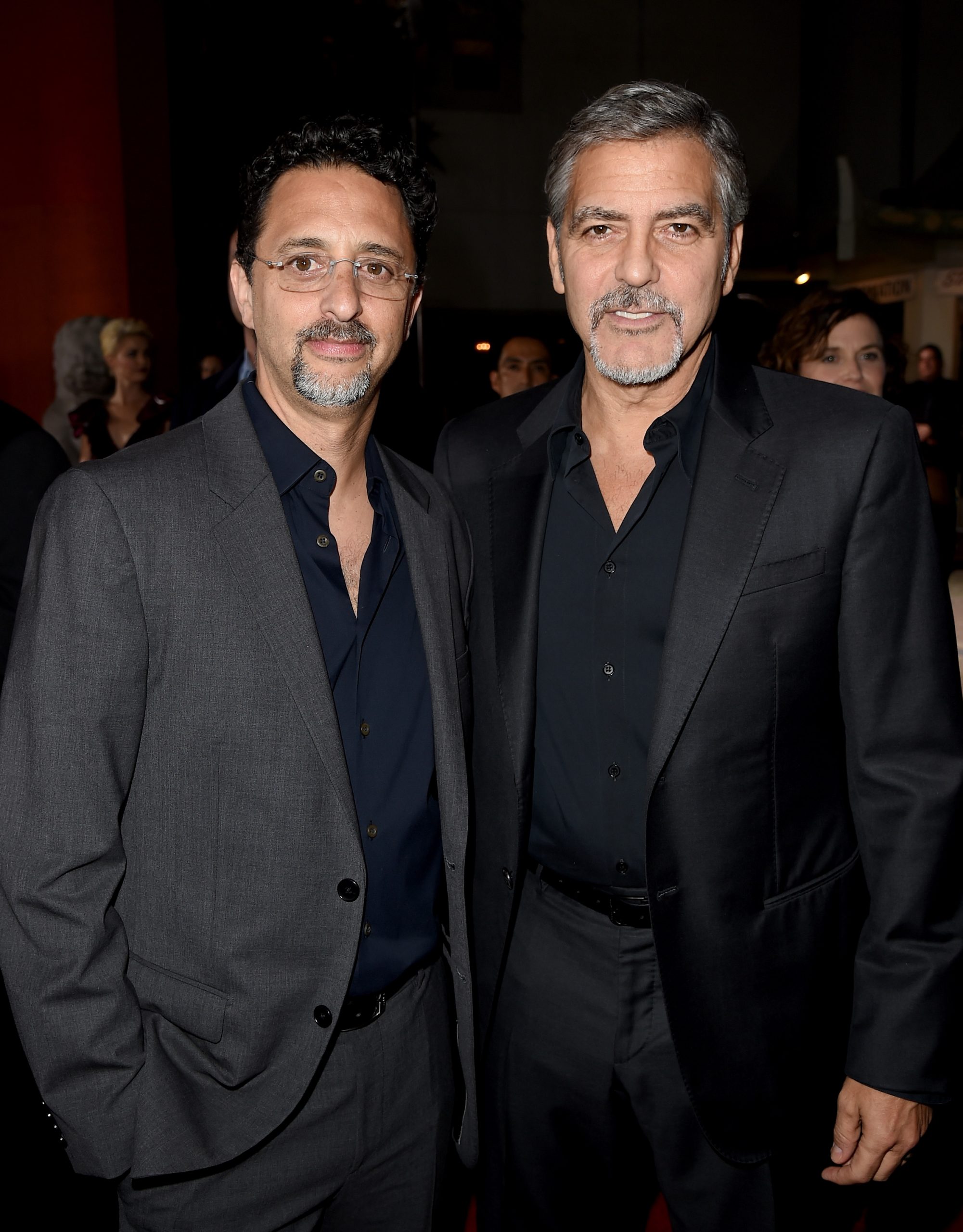
Understanding Grant Heslov: Professional Career and Estimated Net Worth
Grant Heslov is a prominent American producer, writer, director, and actor whose career has been defined by long-standing collaborations with George Clooney and significant contributions to modern cinema. As of 2026, his net worth is e...
Grant Heslov is a prominent American producer, writer, director, and actor whose career has been defined by long-standing collaborations with George Clooney and significant contributions to modern cinema. As of 2026, his net worth is estimated to be approximately $50 million, a figure derived from decades of successful film production, screenplay writing, and acting roles in both television and major motion pictures.
Contents
The Foundation of a Hollywood Career
Grant Heslov’s path to professional success began in the 1980s, primarily as a character actor. Early appearances in television series such as Happy Days, Family Ties, and Knight Rider provided him with the initial industry exposure required to navigate the competitive landscape of Los Angeles. While his acting career established his footing, his transition into production and screenwriting significantly altered his professional trajectory and long-term financial standing.
The defining pivot point in Heslov's career was his partnership with actor and director George Clooney. Together, they formed Smokehouse Pictures, a production company that has been responsible for numerous critically acclaimed and commercially viable projects. This transition from performer to creative producer represents a classic archetype of wealth accumulation in the entertainment industry, where leveraging creative control and producing equity significantly outpaces the earning potential of traditional acting roles.
Financial Drivers: Production and Writing
The majority of Heslov’s wealth stems from his role as a producer. Unlike fixed-salary acting contracts, producers often participate in the "back-end" of a film’s revenue—a percentage of the profits earned after a project covers its production and marketing costs.
Key projects that have contributed to his professional reputation and financial portfolio include:
- Argo (2012): Heslov served as a producer on this film, which won the Academy Award for Best Picture. The prestige associated with an Oscar win often leads to increased compensation for subsequent projects and greater leverage in contract negotiations.
- The Ides of March (2011): Co-written by Heslov, this project demonstrated his ability to pivot between writing and producing, securing his status as a versatile executive within the industry.
- Good Night, and Good Luck (2005): This project solidified the Clooney-Heslov partnership as a powerhouse of intellectual, high-production-value cinema.
These films underscore a strategy focused on prestige projects that often achieve significant global box office returns or find long-term success through ancillary revenue streams, such as streaming licensing and home media distribution.
The Economic Model of Smokehouse Pictures
Smokehouse Pictures functions as the primary vehicle for Heslov’s business activities. Established in 2006, the company operates under a "first-look" deal model with major studios. These deals provide a production company with the funding and infrastructure necessary to develop projects in exchange for the studio having the first opportunity to distribute the final product.
From a financial perspective, this model offers:
- Risk Mitigation: The studio often covers development costs, reducing the personal financial liability of the producer.
- Stable Overhead: Ongoing production deals provide the necessary capital to sustain a corporate staff and office footprint in Los Angeles.
- Equity Participation: As the principal of his own production house, Heslov captures a portion of the value generated by the company's intellectual property assets.
Comparative Industry Standards
To understand the context of an estimated $50 million net worth, it is helpful to look at the hierarchy of Hollywood compensation. While A-list actors can command fees exceeding $20 million per film, professional producers like Heslov typically earn through a combination of producer fees (a flat rate per project) and participation points (a percentage of net profits).
| Career Segment | Income Structure | Typical Financial Impact |
|---|---|---|
| Acting Roles | Per diem / Contract fee | Predictable, but limited by time. |
| Screenwriting | Script fee / Residuals | Highly variable; depends on credit. |
| Production | Producer Fee + Back-end | High potential for compounding wealth. |
| Corporate Ownership | Equity / Asset appreciation | Long-term capital growth. |
Heslov’s wealth is not the result of a single "blockbuster" payday but rather the accumulation of consistent, high-level work over four decades. The diversification of his income streams across acting, writing, and production serves as a hedge against the volatile nature of the film business.
Limitations of Estimations
It is essential to note that celebrity net worth figures, including those for figures like Grant Heslov, are estimates based on public information. These reports rarely account for:
- Private Debt: Mortgages, corporate loans, or personal liabilities are generally not public record.
- Tax Liabilities: Estimates are almost always calculated on gross assets rather than net after-tax holdings.
- Portfolio Diversification: Celebrity investments in private equity, real estate, or venture capital often remain undisclosed, meaning actual liquidity may differ significantly from public estimates.
Financial planning for high-net-worth individuals in the entertainment industry typically involves sophisticated wealth management strategies, including the use of loan-out corporations and tax-advantaged investment vehicles, which further obscure the precise liquid net worth of such individuals.
Frequently Asked Questions
1. Does Grant Heslov still act in films? While Heslov is primarily focused on producing and directing, he occasionally takes on acting roles. However, his professional footprint is now overwhelmingly weighted toward the development and production side of the industry.
2. How much of Grant Heslov's wealth comes from his Oscar win? An Academy Award for Best Picture increases a producer's professional market value and ability to command higher fees for future projects. While the award itself is a trophy, it serves as a massive marketing asset that translates into higher long-term earnings potential.
3. Is George Clooney's net worth tied to Grant Heslov's? They are business partners in Smokehouse Pictures, meaning they share the financial upside of the projects their company produces. However, their personal net worths are independent and separate, reflecting their individual investments, acting careers, and personal financial decisions.
4. What is the role of a producer in film financing? A producer manages the logistics of film production, from securing financing and hiring talent to overseeing the distribution phase. Their ability to manage these costs effectively is directly linked to the profitability of the film and, consequently, their own compensation.
5. Are there other revenue sources for producers besides box office sales? Yes. Producers earn revenue through international distribution rights, streaming platform licensing (e.g., Netflix, Apple TV+, etc.), and physical media sales. Long-term residuals from successful films often form a stable "passive" income stream for established producers.
Professional Guidance and Next Actions
For those interested in the financial structures of the film industry, it is important to distinguish between gross earnings and actual net worth. Individuals seeking to emulate a career in film production should focus on the acquisition of intellectual property rights and the formation of production entities that allow for profit-sharing models.
If you are researching this topic for investment or historical analysis, prioritize reviewing corporate filings or trade publication reporting (such as Variety or The Hollywood Reporter) rather than unverified celebrity wealth aggregators. These trade publications offer the most accurate reporting on "first-look" deals and project budgets that inform the financial reality of major producers.
Image Gallery