Understanding Kriss Kross Soulja Boy’s Net Worth and Financial Reality
Determining the net worth of public figures like Kris Kross and Soulja Boy involves disentangling historical entertainment earnings, royalty structures, and modern diversified income streams. Because these entities exist in different e...
Determining the net worth of public figures like Kris Kross and Soulja Boy involves disentangling historical entertainment earnings, royalty structures, and modern diversified income streams. Because these entities exist in different eras of the music industry—Kris Kross as a 1990s phenomenon and Soulja Boy as an early internet-age pioneer—their financial profiles reflect vastly different business models, ranging from physical album sales to digital branding and venture capital.
Contents
The Financial Legacy of Kris Kross
To understand the financial standing associated with Kris Kross, one must first look at the economics of the early 1990s hip-hop industry. Comprised of Chris "Mac Daddy" Kelly and Chris "Daddy Mac" Smith, the duo rose to global prominence in 1992 following the release of their debut album, Totally Krossed Out.
Their financial trajectory was defined by the traditional record label system. During this period, revenue was heavily dependent on physical media—cassettes and CDs. Their debut single, "Jump," went multi-platinum, moving millions of units worldwide. However, it is essential to distinguish between gross revenue and net worth. In the early 90s, young artists signed to major labels often faced predatory or restrictive contracts. While the group generated massive revenue for Ruffhouse Records and Columbia Records, the individual net worth of the members was subject to management fees, production costs, and industry-standard recoupment clauses.
Tragically, Chris Kelly passed away in 2013, effectively ending the group's active commercial life. As a result, the "net worth" of Kris Kross as a business entity is primarily comprised of the residual value of their master recordings and intellectual property rights, which remain tied to the labels that financed them. Evaluating their financial impact requires looking at the era's music royalty systems rather than modern digital streaming metrics.
Soulja Boy: The Digital Pioneer Model
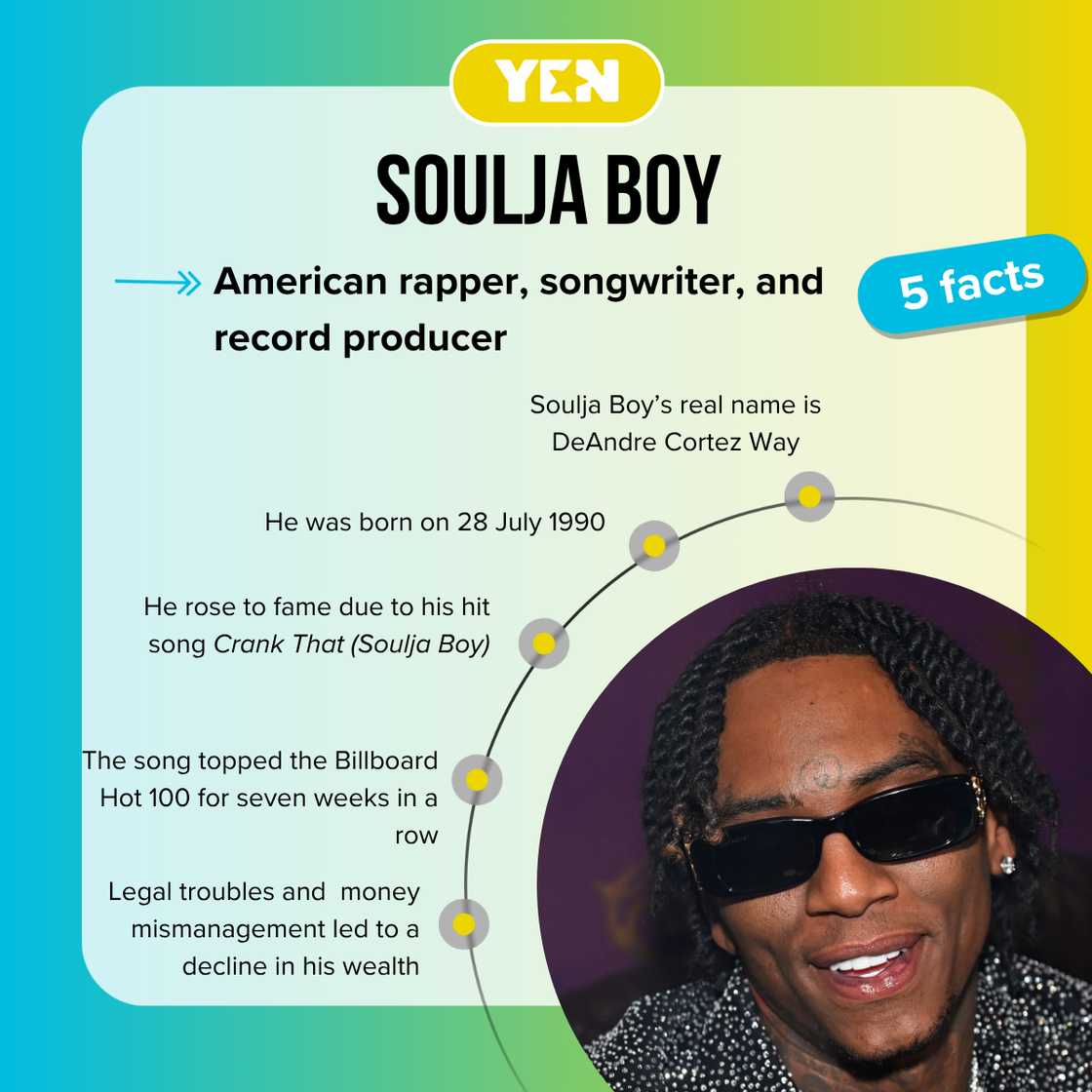
In contrast, Soulja Boy (DeAndre Cortez Way) represents a paradigm shift in how hip-hop artists generate and maintain wealth. Emerging in 2007 with "Crank That (Soulja Boy)," he was one of the first artists to weaponize social media platforms like MySpace and YouTube to bypass traditional gatekeepers.
Soulja Boy’s net worth is a compilation of diverse, often unconventional revenue streams:
- Digital Royalties: Unlike the physical-only era of Kris Kross, Soulja Boy benefited from the early transition to digital downloads and ringtones, a lucrative market in the late 2000s.
- Brand Licensing: He famously diversified into hardware, including branded game consoles, headphones, and gaming tablets. While these ventures often received criticism for their quality, they demonstrated an aggressive approach to entrepreneurship.
- Influencer Marketing: By treating his persona as a platform, Soulja Boy generates income through social media engagement, sponsorships, and paid digital appearances.
- Independent Distribution: By maintaining a high output of music on streaming platforms, he earns recurring revenue through performance royalties that do not rely on a major label’s approval.
Comparative Financial Structures in Hip-Hop
The following table summarizes the key differences between the financial models employed by these artists.
| Feature | Kris Kross (1990s Model) | Soulja Boy (Modern Model) |
|---|---|---|
| Primary Revenue | Physical album and single sales | Digital streams and content creation |
| Label Relations | Tied to major label contracts | Independent/Self-distributed |
| Diversification | Limited merchandising | Tech hardware, gaming, and digital products |
| Control | High management/label influence | High self-agency |
| Longevity | Estate-managed residuals | Active digital presence/streaming |
The Complexity of Valuation
It is a common misconception that "net worth" is a liquid bank balance. For entertainers, this figure is a theoretical valuation of assets, including:
- Intellectual Property: Ownership of master recordings or publishing rights.
- Real Estate: Property holdings that appreciate over time.
- Business Interests: Equity in companies or product lines.
- Liabilities: Debts, legal fees, and ongoing maintenance of a public lifestyle.
For an artist like Soulja Boy, net worth fluctuates based on the success of his current business ventures and the performance of his digital catalog. Publicly available estimates of these figures are often speculative, as they rarely account for undisclosed private investments, tax liabilities, or the fluctuating costs of maintaining a celebrity business infrastructure.
Addressing Common Financial Myths
One must be cautious when consuming financial data regarding public figures. Much of the information found on "net worth" aggregation websites is derived from algorithms that do not have access to private tax filings or bank statements. These sites often use broad multipliers based on an artist's chart history, which frequently fails to account for personal spending habits or management overhead.
For artists like the members of Kris Kross, the financial reality was often hampered by the lack of transparency in music contracts from the early 90s. Many artists from that decade have spoken publicly about the difficulties of recouping investments, meaning the commercial success of a hit song did not always correlate to the wealth retained by the artist.
Next Steps for Financial Research
If you are researching these figures for academic or professional analysis, prioritize primary documents such as:
- Court Filings: Often reveal public records of assets or financial disputes.
- Copyright Registrations: Provide insight into who truly owns the underlying rights to the music.
- Corporate Filings: Use databases like the U.S. Patent and Trademark Office to track the business entities registered under an artist's legal name.
While the curiosity surrounding the wealth of pop culture icons is natural, it is important to treat these figures as estimates rather than audited financial truths. The financial history of artists like Kris Kross serves as a historical study of the traditional music industry, while Soulja Boy provides a case study in the rapid evolution of digital-age entrepreneurship.
Frequently Asked Questions
How accurate are online celebrity net worth websites? These sites are generally considered highly speculative. They often lack access to private financial records and rely on estimated earnings from publicly known hits, which rarely account for taxes, management fees, or personal spending.
Did Kris Kross make most of their money from touring or records? In the early 1990s, the primary profit center for artists like Kris Kross was physical record sales. Touring was often used to promote album sales. Modern artists, by contrast, frequently rely more heavily on touring and licensing as streaming payouts are significantly smaller per unit than traditional sales.
What is the "recoupment" process in music contracts? Recoupment is a standard clause where a record label keeps the artist’s share of royalties until the costs of recording, marketing, and manufacturing the music are fully paid back to the label. This often meant artists remained in debt to their labels despite having high-charting hits.
Why does Soulja Boy have diverse business interests? Soulja Boy utilizes his massive digital reach to lower customer acquisition costs. By selling tech products directly to his fan base via social media, he captures a higher margin than he would through traditional third-party retail channels.
Can fans verify an artist's business holdings? Yes, to a degree. Many artists incorporate business entities under their legal names. Searching state business registries (e.g., the California Secretary of State business search) can reveal the legal entities an artist uses to manage their intellectual property and commercial ventures.
Are royalties considered a permanent asset? Royalties are assets, but their value can fluctuate. If an artist sells their publishing rights, they receive a lump sum upfront but forfeit the long-term income those rights would have generated. This is a common strategy for artists looking to liquidate their assets for other investments.
Recommendation
For those interested in the economics of the music industry, focus on the shift from physical to digital models. Researching the transition from the mid-90s "superstar" model to the modern "independent creator" model offers a more accurate understanding of how these artists generated their wealth than simply looking at estimated net worth totals.
Image Gallery