Visual Identification and Clinical Assessment of Spider Bites in 2026
Distinguishing a harmless insect mark from a medically significant envenomation requires careful clinical observation, as many skin lesions mimic arachnid bites. This guide provides comprehensive visual characteristics, symptom timelin...
Distinguishing a harmless insect mark from a medically significant envenomation requires careful clinical observation, as many skin lesions mimic arachnid bites. This guide provides comprehensive visual characteristics, symptom timelines, and evidence-based triage protocols for evaluating suspected spider bites encountered in home and outdoor environments.
Contents
Visual Characteristics and Differential Diagnosis of Arachnid Lesions
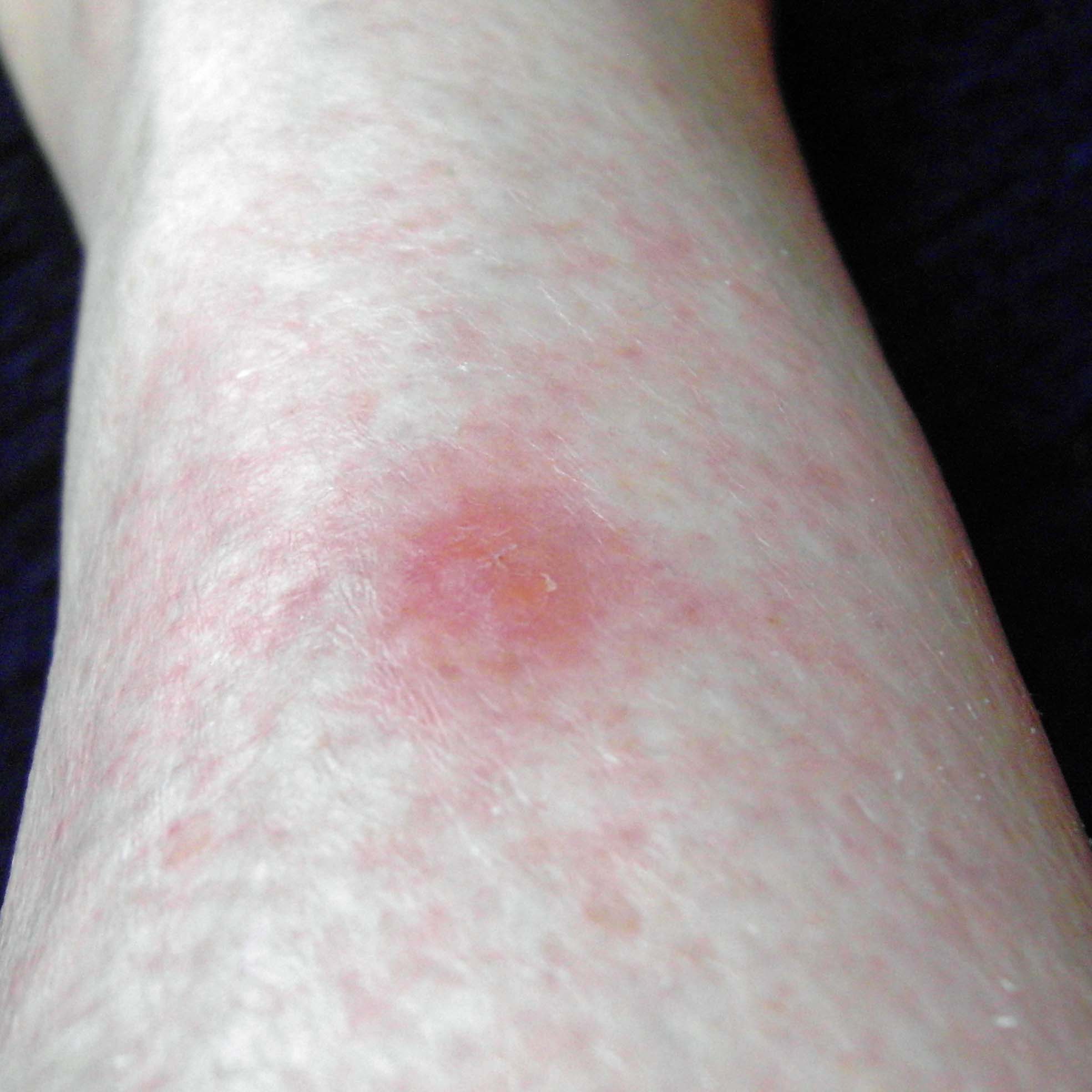
Most suspected spider bites reported by patients are actually caused by other arthropods, such as fleas, ticks, mosquitoes, or secondary bacterial infections like Methicillin-Resistant Staphylococcus aureus (MRSA). True spider bites present with distinct anatomical markers depending on the species involved. Clinicians and patients must examine the lesion for localized cutaneous damage, erythema, edema, and systemic warning signs.
The following matrix compares the visual presentation, clinical severity, and standard management approaches for common North American and global spiders of medical concern, alongside common mimics.
| Entity | Visual Presentation | Primary Symptoms | Clinical Action & Urgency |
|---|---|---|---|
| Brown Recluse (Loxosceles reclusa) | "Bullseye" pattern; central blister surrounded by pale ischemic ring and outer red inflammation; evolving into a dark, sunken necrotic ulcer. | Localized pain within hours; severe pruritus; systemic loxoscelism (fever, chills, nausea) in rare cases. | Clean with soap and water; elevate; cold compress; urgent medical evaluation for wound monitoring. |
| Black Widow (Latrodectus mactans) | Faint red mark, sometimes showing two tiny puncture points; minimal initial local swelling. | Excruciating muscle cramps, rigidity in the abdomen and back, diaphoresis, hypertension, and anxiety within 1 to 3 hours. | Emergency Department evaluation immediately; administration of specific antivenom for severe systemic toxicity. |
| Hobo Spider (Tegenaria agrestis) | Reddish papule or blister that ruptures within 24 to 48 hours, leaving an open, weeping sore with moderate tissue death. | Severe headache, visual disturbances, fatigue, and localized joint pain surrounding the bite site. | Medical evaluation to rule out secondary bacterial infection and manage wound healing. |
| Common House Spider (Parasteatoda tepidariorum) | Small, localized red bump with mild itching; lacks central blistering or necrosis. | Minor localized irritation that resolves spontaneously within 24 to 72 hours. | Home care; application of ice and over-the-counter hydrocortisone cream if needed. |
| MRSA / Bacterial Infection (Mimic) | Warm, swollen, painful nodule or boil (abscess) that may develop a central pustule; often mistaken for a spider bite. | Progressive pain, purulent drainage, localized warmth, and potential fever indicating cellulitis. | Urgent physician assessment; culture and sensitivity testing; potential incision, drainage, and antibiotic therapy. |
Step-by-Step Clinical Assessment and First Aid Protocol
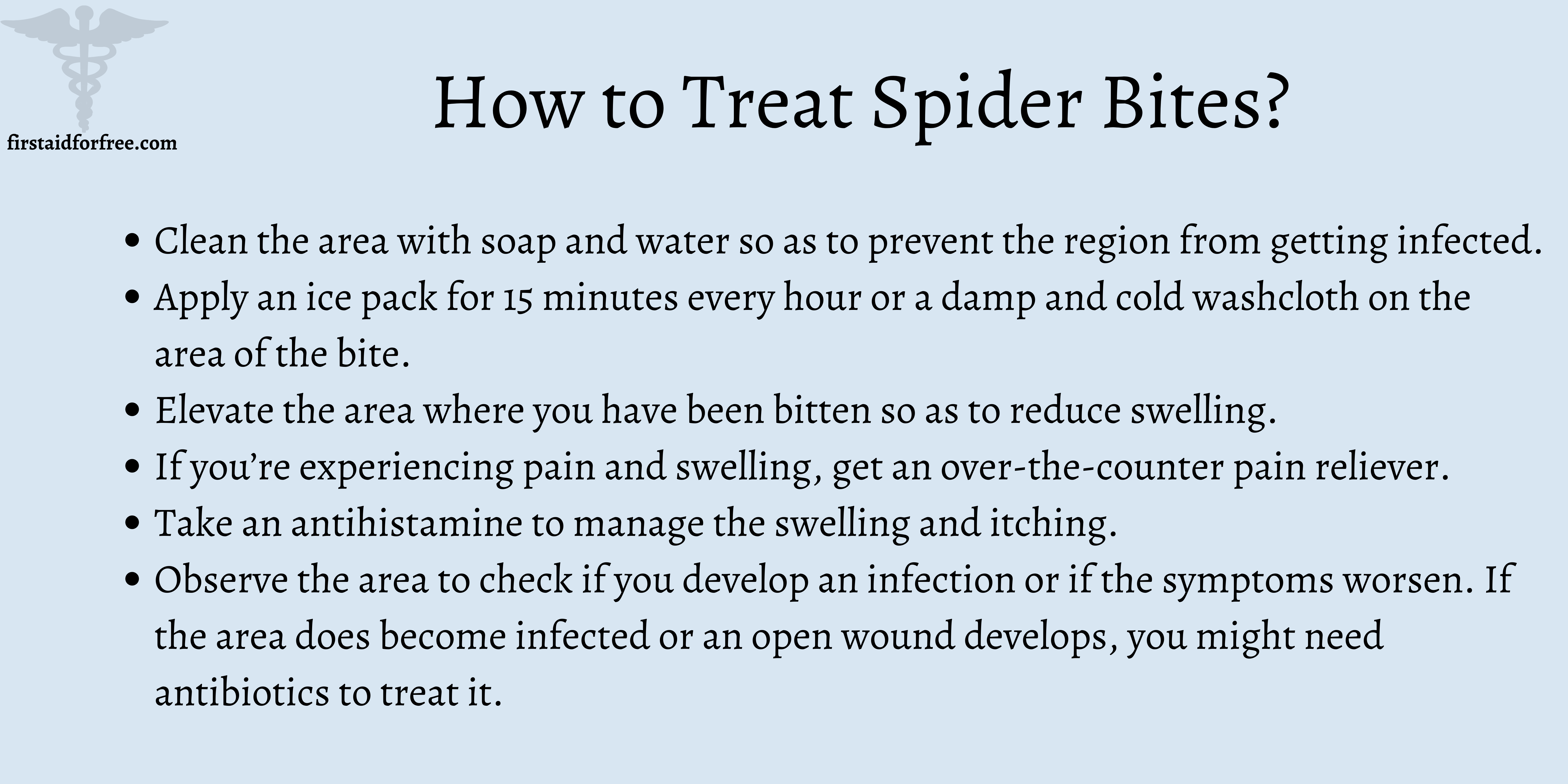
When evaluating a fresh skin lesion suspected to be a spider bite, immediate structured first aid prevents secondary complications such as bacterial cellulitis or systemic distribution of venom.
- Decontaminate the Wound Surface: Wash the bite area thoroughly with mild soap and warm water to remove surface bacteria and potential secondary pathogens.
- Apply Controlled Cold Therapy: Apply a cold compress or an ice pack wrapped in a cloth to the affected area for 10-minute intervals to minimize local swelling, inflammation, and pain transmission.
- Elevate the Affected Extremity: If the bite is located on an arm or a leg, elevate the limb above the level of the heart to reduce dependent edema and lymphatic drainage of toxins.
- Avoid Dangerous Folk Remedies: Do not apply tourniquets, attempt to cut or lance the lesion, apply heat, or use suction devices, as these techniques exacerbate tissue damage and infection risks.
- Monitor and Document Progression: Take a clear photograph of the lesion next to a ruler every 12 hours to track expansion, color shifts, and blister formation for medical review.
Clinical Safety Notice When to Seek Immediate Emergency Care: Immediate intervention in an emergency department is mandatory if the patient experiences severe muscle spasms, difficulty breathing, chest tightness, systemic fever, spreading red streaks indicating lymphangitis, or a rapidly expanding necrotic skin ulcer.
Understanding Recluse and Widow Venom Mechanisms
The pathophysiology of medically significant spiders involves complex biochemical agents that target different physiological systems. Understanding these mechanisms helps explain why visual identification matters so much during medical consultations.
- Necrotic Toxicoses (Brown Recluse): The venom of the brown recluse contains the enzyme sphingomyelinase D. This protein destroys cell membranes, recruits inflammatory neutrophils, causes localized blood vessel thrombosis, and leads to localized tissue infarction and ulceration.
- Neurotoxic Manifestations (Black Widow): Black widow venom contains alpha-latrotoxin, which triggers a massive, uncontrolled release of neurotransmitters (such as acetylcholine and norepinephrine) from nerve terminals. This neurological overstimulation causes painful muscle spasms and autonomic instability.
- Secondary Bacterial Infiltration: Many lesions blamed on spiders are actually skin breaches colonized by Staphylococcus or Streptococcus bacteria. The breakdown of skin integrity allows opportunistic pathogens to establish primary infections that mimic true envenomations.
Frequently Asked Questions
What do early-stage brown recluse spider bites look like?
Early-stage brown recluse bites typically appear as a mild red mark or blister surrounded by a pale, blanched area of reduced blood flow, often developing a classic "bullseye" appearance within the first 24 hours. Over the subsequent days, the center darkens and can develop into a sunken, necrotic ulcer requiring specialized wound care.
Can you identify a spider bite solely from a picture?
Visual identification alone is notoriously unreliable because many arthropod bites, insect stings, and bacterial skin infections manifest with identical red, swollen presentations. Definitive identification requires capturing the offending spider alongside the clinical presentation, or clinical evaluation by a medical professional ruling out other pathologies.
When should a suspected spider bite be treated with antibiotics?
Antibiotics are prescribed when clinical signs indicate a secondary bacterial skin infection, such as advancing cellulitis, purulent drainage, increasing warmth, and systemic fever. Because true spider venom is sterile, initial uncomplicated necrotic bites do not respond to antibacterial drugs unless secondary bacterial colonization occurs.
How do black widow bites differ visually from other bug bites?
Black widow bites often display little to no dramatic visual skin damage at the site of entry, occasionally showing only two faint red puncture marks. The hallmark of a black widow bite is not the local visual presentation, but rather the rapid onset of severe, deep muscle cramps and systemic rigidity.
What are the best home remedies for harmless house spider bites?
Harmless spider bites and common insect stings are best managed at home by cleaning the area with soap and water, applying a cold pack to reduce swelling, and using over-the-counter oral antihistamines or topical hydrocortisone cream to control itching.
Are there regional differences in venomous spiders to watch for in 2026?
Geographic distribution patterns remain tied to climate zones, with brown recluse spiders predominantly found in the Midwestern and South-Central United States, and black widows found across temperate and tropical regions worldwide. Local pest control and public health agencies publish updated regional distribution maps annually.
Professional Medical Consultation and Next Steps
If you or someone in your care has sustained a bite with rapidly evolving symptoms, persistent pain, or signs of systemic illness, consult a qualified healthcare provider or toxicologist immediately. Early intervention prevents permanent cutaneous scarring from necrotic arachnidism and ensures appropriate administration of targeted therapies or antivenom when indicated.
Image Gallery