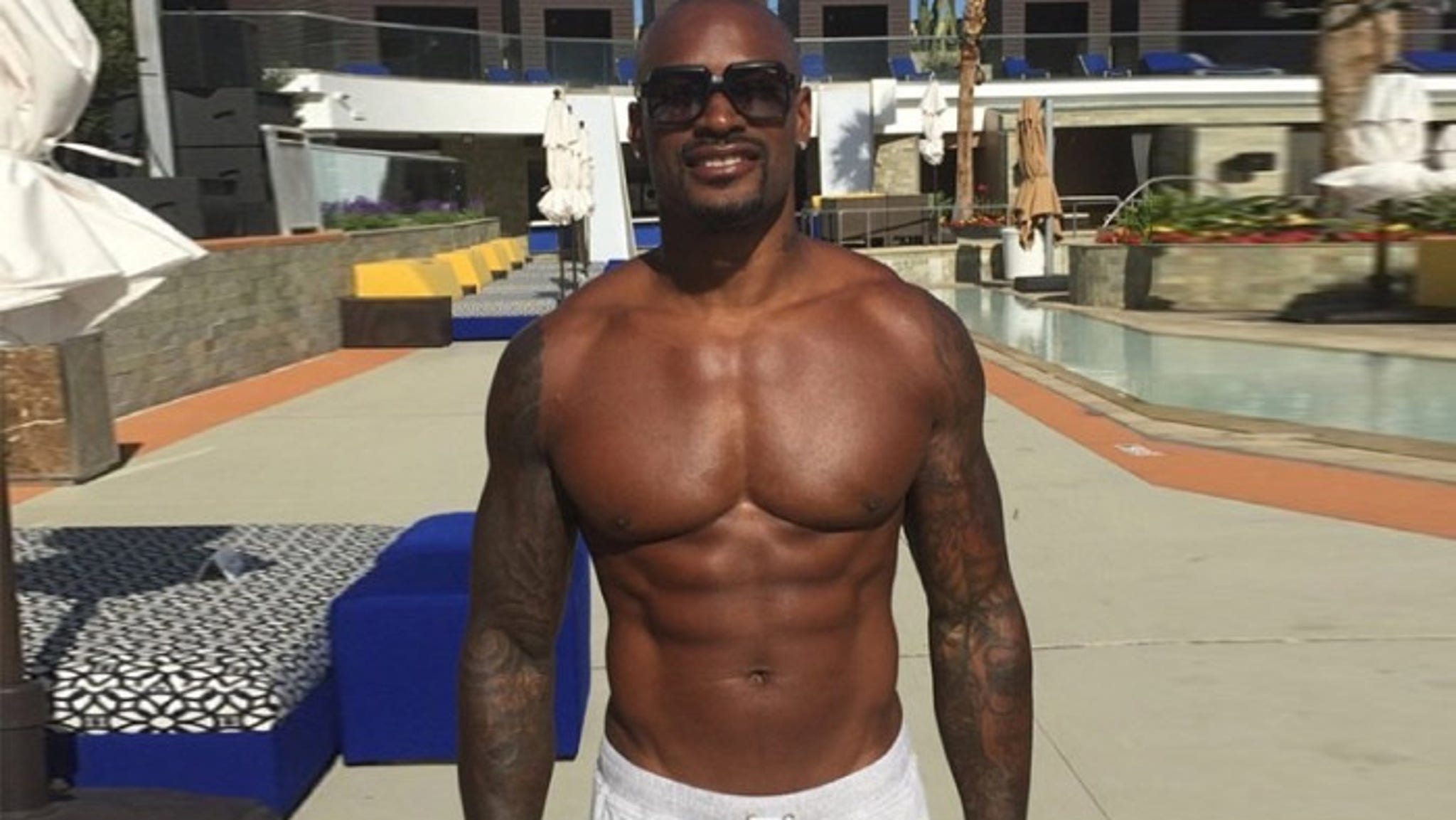
The Complex Professional Dynamic Between Tyson Beckford and 50 Cent
The relationship between model and actor Tyson Beckford and rapper-entrepreneur 50 Cent has been defined primarily by high-profile public exchanges and social media commentary rather than collaborative business ventures. These interact...
The relationship between model and actor Tyson Beckford and rapper-entrepreneur 50 Cent has been defined primarily by high-profile public exchanges and social media commentary rather than collaborative business ventures. These interactions, spanning several years, have centered on personal aesthetics, public perception, and the performative nature of celebrity rivalries within the entertainment industry.
Contents
Historical Context of Celebrity Feuds
In the ecosystem of 2020s pop culture, the public disagreement between Tyson Beckford and 50 Cent serves as a textbook example of how personal friction is amplified through social media channels. While the two figures operate in distinct lanes—Beckford as a pioneering fashion model and 50 Cent as a hip-hop mogul and television producer—their paths have crossed in ways that highlight the differences in their professional branding and approaches to public conflict.
The tension primarily surfaced through digital platforms where 50 Cent is known for his unfiltered commentary on current events, pop culture figures, and fellow celebrities. For Beckford, who rose to prominence in the 1990s as the face of Ralph Lauren and a crossover sex symbol, the dynamic with a personality like 50 Cent often involves navigating the volatile environment of social media banter.
The Nature of the Disagreement
The primary catalyst for public discourse regarding these two figures has historically been the use of social media to challenge or mock the other’s lifestyle and physical presentation. 50 Cent, whose social media presence is often characterized by aggressive humor and "trolling," has occasionally targeted public figures to generate engagement or address perceived slights.
When Tyson Beckford has been the subject of this commentary, the reactions generally move through three distinct phases:
- The Initial Comment: 50 Cent initiates a critique or makes a disparaging remark, often centered on personal appearance or masculinity.
- The Public Pivot: The media landscape accelerates the situation, with tabloids and fan bases magnifying the exchange into a "feud."
- The Professional Response: Beckford typically addresses these instances by maintaining his focus on his professional portfolio or offering a measured rebuttal that contrasts with the volatility of the inciting comment.
Comparing Professional Trajectories
Understanding why these two figures occupy the same space in the public consciousness requires a look at their respective career paths. Although both are iconic figures in American culture, their influence stems from vastly different sources.
| Feature | Tyson Beckford | 50 Cent (Curtis Jackson) |
|---|---|---|
| Primary Industry | High Fashion and Modeling | Hip-Hop, Television Production |
| Breakout Era | Mid-1990s | Early 2000s |
| Key Revenue Streams | Runway, Endorsements, Acting | Music, TV (Starz), Spirits, Business Equity |
| Public Persona | Stoic, Aesthetic, Reserved | Provocative, Strategic, Assertive |
Beckford redefined the male modeling industry, breaking barriers for Black models on global runways. His success is built on his image and his longevity as an editorial fixture. Conversely, 50 Cent built his post-music career on a foundation of aggressive media strategy and serial entrepreneurship, particularly in the production of television hits such as the Power franchise. Their friction often reflects a clash between "image-based" celebrity and "influence-based" celebrity.
The Role of Social Media in Celebrity Conflict
In 2026, the digital landscape remains a critical component of how celebrities maintain relevancy. For 50 Cent, the "troll" persona is a calculated business move that keeps his name in the cycle, which in turn benefits his various media and spirits ventures. For a figure like Tyson Beckford, who relies on a more classic model of celebrity status, being drawn into these cycles presents a challenge: how to respond without compromising his carefully curated professional brand.
Critics and media analysts often point out that these feuds serve as a distraction from the actual output of the individuals involved. While 50 Cent’s followers might prioritize the entertainment value of his social media antics, those who follow Beckford’s career trajectory are more interested in his enduring influence in the fashion world and his filmography.
Managing Public Narratives
A central question for observers is why these conflicts persist in the public eye. Celebrity disputes are often driven by:
- Algorithmic Amplification: Platforms prioritize content that triggers strong reactions, ensuring that celebrity arguments receive higher visibility than constructive work.
- Brand Positioning: For some celebrities, maintaining a "tough" or "untouchable" image is essential to their business model, leading them to aggressively address perceived disrespect.
- Cultural Commentary: Fans often use these clashes to discuss broader themes of race, masculinity, and the changing definition of fame in the digital age.
For those tracking the careers of both men, the lesson is clear: public perception is rarely a reflection of private reality. The animosity or rivalry presented on screen often obscures the fact that both men are successful, established professionals who have navigated the entertainment industry for decades.
Frequently Asked Questions
Did Tyson Beckford and 50 Cent ever collaborate on a business project? No. There is no verified evidence of any professional collaboration between the two. Their public interactions have been limited to social media exchanges and commentary rather than commercial or artistic partnership.
What is the core reason for the friction between them? The friction generally stems from conflicting approaches to public image. 50 Cent’s history of using social media to target or troll other celebrities has historically included Beckford, who typically adopts a more defensive or dismissive posture in response.
Are the public remarks made by 50 Cent considered legal defamation? While 50 Cent has faced various legal challenges regarding his public statements over the years, most high-profile "feuds" involving public figures fall under the umbrella of celebrity banter. Unless an exchange crosses the threshold into actionable defamation—which requires proof of specific, provable financial or personal harm—such interactions are generally treated as speech within the realm of public entertainment.
How does Tyson Beckford maintain his career despite being involved in these cycles? Beckford maintains his career by focusing on legacy, editorial work, and professional appearances. By not engaging in the "trolling" cycle, he preserves his brand as a high-fashion icon, separating his professional output from the volatility of his online interactions.
How should a fan interpret these public exchanges? It is advisable to view such exchanges as entertainment-industry maneuvers rather than genuine personal crises. These incidents are frequently exaggerated by social media algorithms and tabloid media to drive engagement and clicks.
Final Recommendation
For those interested in the professional careers of either man, it is recommended to focus on their respective primary outputs—Beckford’s contributions to fashion history and 50 Cent’s production work in television—rather than the ephemeral nature of their social media discourse. Engaging with the work itself provides a more accurate and fulfilling assessment of their respective impacts on American culture.
Image Gallery