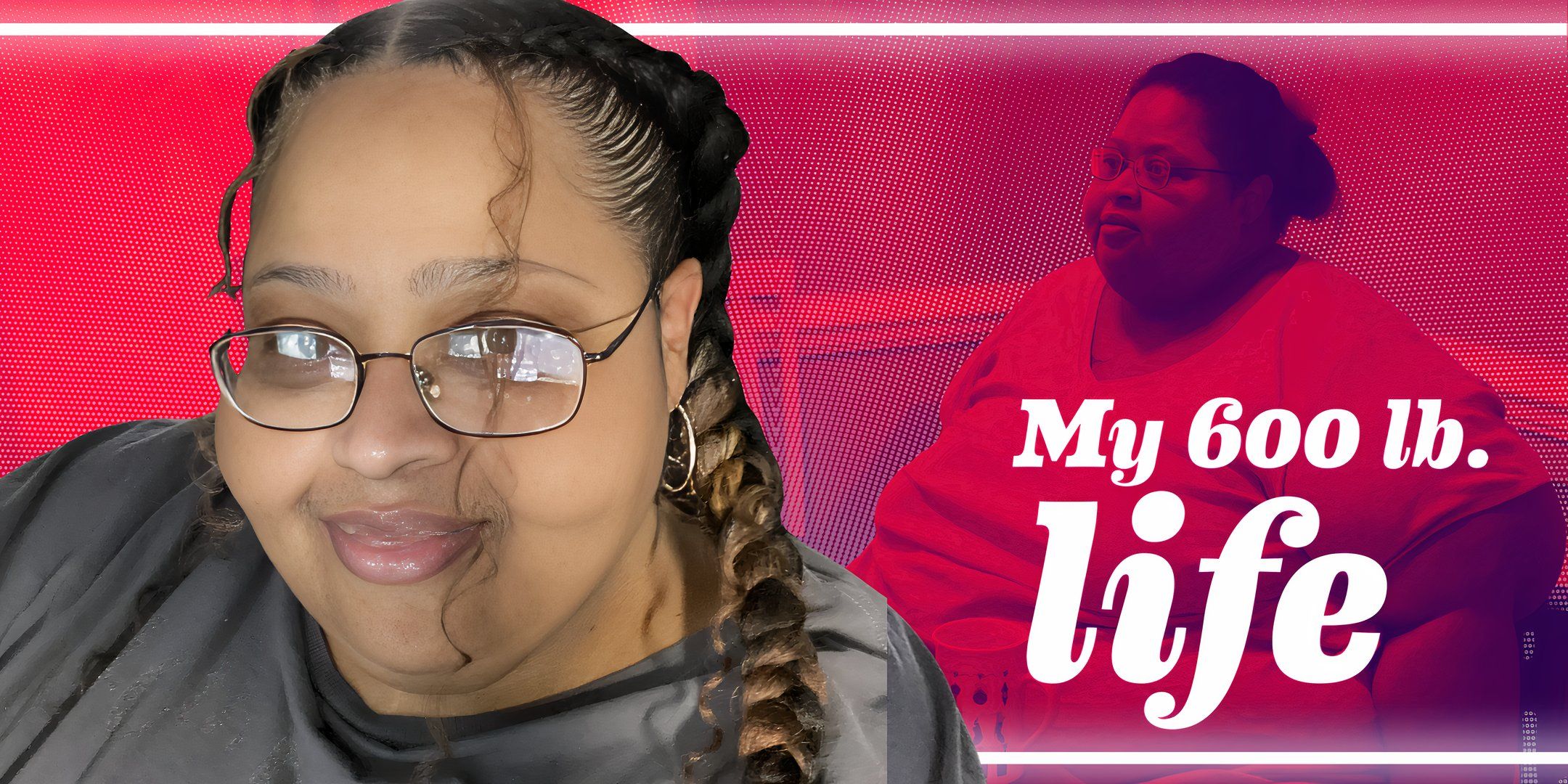
The Journey and Current Status of Dottie Perkins from My 600-lb Life
Dottie Perkins remains one of the most memorable participants from the reality television series My 600-lb Life, known for her emotional journey toward weight loss and her complex relationship with the program's medical protocols. As o...
Dottie Perkins remains one of the most memorable participants from the reality television series My 600-lb Life, known for her emotional journey toward weight loss and her complex relationship with the program's medical protocols. As of 2026, Dottie continues to live a life largely removed from the public eye, focusing on personal health and family stability following the significant trials documented during her multiple appearances on the TLC network.
Contents
Early Appearances and Medical Challenges
Dottie Perkins first appeared on My 600-lb Life during the show’s fourth season. Her narrative was defined by the profound physical limitations imposed by her weight, which peaked at nearly 650 pounds at the start of her medical journey under the care of Dr. Younan Nowzaradan. Her primary motivations for seeking weight-loss surgery were deeply rooted in her desire to be a more active and present mother to her children.
The medical process, as depicted on the show, required strict adherence to a calorie-restricted diet and a rigorous exercise regimen designed to prepare patients for bariatric surgery. Dottie’s journey was complicated by both physical hurdles and significant emotional distress, most notably the loss of her son, Daniel, who passed away while she was undergoing treatment. This tragedy became a central focus of her story, highlighting the immense psychological toll that accompanies the physical transformation required in such extreme weight-loss cases.
Navigating the Bariatric Process
For patients like Dottie, the bariatric process involves a series of sequential milestones. Understanding these steps provides context for the challenges faced by those featured on the series:
- Initial Consultation: Evaluating current health, BMI, and the presence of co-morbidities like hypertension, diabetes, or sleep apnea.
- Psychological Evaluation: Assessing the patient’s ability to adhere to long-term lifestyle changes and identifying potential barriers to success.
- Presurgical Weight Loss: Mandated weight loss to reduce liver size and improve surgical safety, often the most difficult phase for patients.
- Surgical Intervention: The procedure itself (typically gastric bypass or gastric sleeve), which serves as a tool rather than a final cure for obesity.
- Post-Surgical Maintenance: Lifelong dietary management, nutritional supplementation, and behavioral therapy.
Dottie’s experience underscored the volatility of this process. Her struggles with adherence and her vocal resistance to some of the program’s traditional medical advice frequently caused friction with the medical team. This dynamic provided viewers with a raw look at the tension between patient autonomy and the standardized, high-stakes medical protocols required for survival in cases of morbid obesity.
Life After Reality Television
Following her primary episode and subsequent appearances on My 600-lb Life: Where Are They Now?, Dottie chose to limit her public engagement. While the show provided a platform to document her weight loss progress, the subsequent years have seen her shift toward a private existence. In the years following her television departure, she has managed her health outside of the intensive, camera-monitored environment of the show.
Managing weight long-term, particularly after a television production has concluded, requires a sustained support network. For many participants, the challenge is transitioning from the external accountability of a production team to an internal, self-sustaining discipline. Dottie’s current status reflects the reality that for most individuals who have undergone extreme weight loss, the journey is an ongoing evolution rather than a finite event that ends when the filming stops.
Comparative Overview of Weight Loss Journeys
The following table summarizes the typical components involved in the medical weight loss processes often explored on My 600-lb Life, which serves as a frame of reference for understanding the path Dottie walked.
| Phase | Primary Objective | Common Challenges |
|---|---|---|
| Pre-Op Evaluation | Clearing medical risks | Behavioral addiction; food dependence |
| Diet Modification | Rapid reduction of liver fat | Caloric withdrawal; cravings |
| Surgical Recovery | Tissue healing; adaptation | Dumping syndrome; dietary adjustment |
| Long-term Maintenance | Weight stabilization | Psychological plateaus; lifestyle shifts |
Addressing Persistent Misconceptions
A common misconception regarding My 600-lb Life is that the surgery itself acts as the solution. In reality, the surgery is merely a surgical tool used to restrict intake and alter hormonal responses to hunger. The behavioral work required to prevent weight regain—such as cognitive behavioral therapy and consistent nutritional planning—is the factor that determines long-term outcomes. Dottie’s journey highlighted that emotional events, such as bereavement, can often derail physical progress, emphasizing that surgical solutions do not automatically resolve the underlying emotional causes of obesity.
Frequently Asked Questions
1. Is Dottie Perkins still losing weight? As of 2026, Dottie has maintained a private life and has not released official updates regarding her current weight or specific medical status. Public records of her progress generally conclude with her final appearances on the program's follow-up specials.
2. What was the main cause of the tension between Dottie and her doctor? The tension primarily stemmed from differing views on the pace of weight loss and the degree of adherence to the provided diet plan. In the high-pressure environment of the show, any deviation from the doctor's strictly calibrated plan was often met with conflict.
3. Does Dottie offer public weight-loss coaching? No. There is no verified evidence that Dottie Perkins offers professional weight-loss coaching or acts as a public wellness influencer. She has largely exited the public sphere since her final episodes aired.
4. How does the loss of a child impact bariatric success? Medical professionals emphasize that bereavement during a high-stakes weight-loss process can significantly impede success. Grief often disrupts the mental discipline required to adhere to strict nutritional protocols, leading to emotional eating or a complete pause in the weight-loss program.
5. What is the standard success rate for patients in her category? Success in bariatric surgery is highly variable. Generally, medical literature suggests that patients who attend all follow-up appointments and engage in long-term therapy have significantly higher success rates than those who treat the surgery as a singular, isolated event.
Next Steps for Understanding Bariatric Health
If you or someone you know is considering bariatric surgery, it is essential to prioritize professional medical guidance over the dramatized versions of these procedures seen on television. The first step should always be an appointment with a board-certified bariatric surgeon to discuss individual eligibility, risks, and the realistic expectations of post-operative life. Reliable information can be found through the American Society for Metabolic and Bariatric Surgery (ASMBS), which provides evidence-based guidelines and support resources for those navigating the process of major weight loss.
Image Gallery