Surfboard in the Kitchen: Innovative Design and Storage Solutions for 2026
Integrating a surfboard into the kitchen offers a unique blend of coastal aesthetics and functional storage. Whether used as a focal wall piece, a repurposed breakfast bar, or overhead storage, this design choice requires careful consi...
Integrating a surfboard into the kitchen offers a unique blend of coastal aesthetics and functional storage. Whether used as a focal wall piece, a repurposed breakfast bar, or overhead storage, this design choice requires careful consideration of mounting security, environmental factors like grease and heat, and overall kitchen workflow efficiency.
Contents
The Evolution of the Coastal Kitchen Aesthetic
By 2026, the boundary between outdoor lifestyle and indoor living has blurred significantly. The kitchen, once a purely utilitarian space, has evolved into a multi-functional gallery of personal expression. The "surfboard in the kitchen" trend has moved beyond a simple niche for beach-house owners, appearing in urban apartments and suburban homes as a statement of minimalist, active living.
The primary appeal lies in the surfboard’s silhouette. Its aerodynamic curves break the rigid, linear geometry of standard kitchen cabinetry and appliances. Furthermore, surfboards are often constructed from high-quality materials—such as polished epoxy, traditional balsa wood, or sustainable bio-resins—that complement the high-end finishes found in modern kitchens like quartz countertops and brushed brass hardware.
Functional Roles of a Surfboard in the Kitchen
A surfboard in the kitchen can serve three primary purposes: aesthetic decor, practical storage for active surfers, or repurposed furniture. Understanding the intended role is the first step in planning the installation.
1. Aesthetic Wall Decor
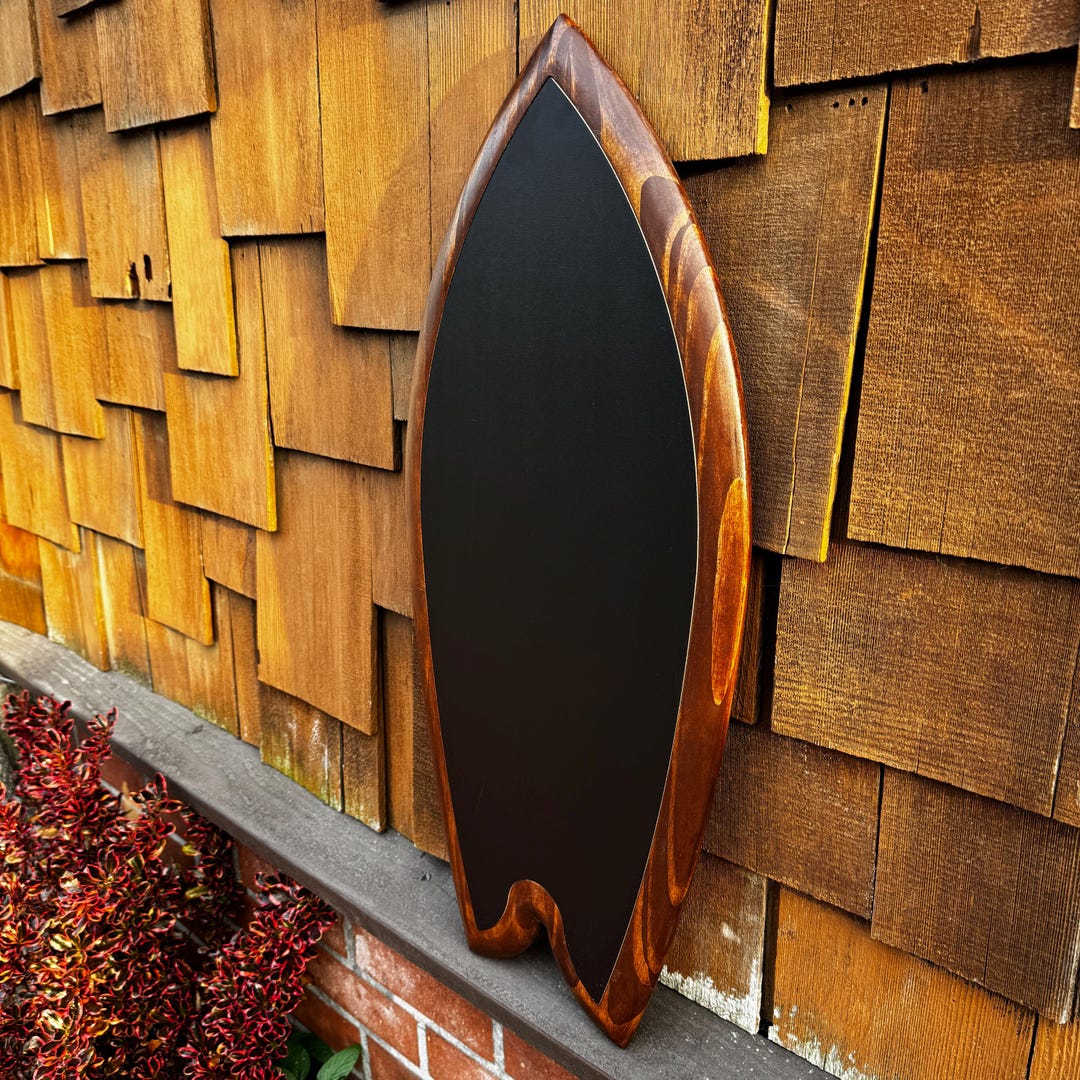
In larger kitchens with expansive wall space, a surfboard serves as a large-scale piece of art. Vertical mounting can draw the eye upward, making ceilings appear higher, while horizontal mounting can fill the void above a backsplash or a long dining nook. In 2026, many homeowners choose "wall-hanger" boards specifically designed for aesthetics, often featuring intricate resin tints or recycled wood inlays that mirror the kitchen’s color palette.
2. Practical Storage Solutions
For surfers living in compact environments, such as "tiny homes" or urban lofts, the kitchen often provides the only long, unobstructed wall or ceiling space. Storing a board in the kitchen keeps it out of high-traffic hallways where it could be knocked over. However, this requires specialized hardware to ensure the board is easily accessible yet securely fastened.
3. Repurposed Furniture
One of the more complex implementations involves using a surfboard as a physical part of the kitchen’s architecture. A longboard can be mounted on a custom frame to serve as a breakfast bar or a kitchen island extension. This requires a level of structural reinforcement that standard surfboard construction does not typically offer, often involving a core of reinforced fiberglass or a custom-built internal frame to support the weight of plates, glassware, and leaning arms.
Technical Requirements and Installation Safety
Mounting a heavy object like a surfboard in a high-activity area like the kitchen requires strict adherence to safety standards. A standard 9-foot longboard can weigh between 15 and 25 pounds, but the torque applied to wall mounts can be much higher if the board is bumped.
Wall Types and Anchoring
Before installation, identify the wall material. In most 2026 residential constructions, you will encounter drywall (gypsum board), plaster, or masonry.
- Drywall/Studs: The safest method is to screw directly into wooden or metal studs. If studs are not aligned with your desired placement, high-load toggle bolts (rated for at least 50 lbs each) are mandatory.
- Masonry/Brick: Use expansion anchors or concrete screws. In a kitchen, ensure the drill depth does not interfere with hidden plumbing or electrical conduits frequently located behind kitchen walls.
Hardware Selection
Avoid using generic hooks or thin wires. Professional surfboard racks are categorized into three types:
- Cradle Racks: These "U" shaped brackets support the board from underneath. In a kitchen, look for padded cradles to prevent the board from vibrating against the metal when heavy appliances (like a dishwasher or refrigerator) are running.
- Invisiracks: These use clear acrylic or thin steel cables to give the illusion that the board is floating. These are preferred for purely decorative boards.
- Ceiling Hoists: Ideal for active storage, these pulley systems keep the board near the ceiling, well above head height, and can be lowered when it is time for a session.
Environmental Considerations: Heat, Grease, and Humidity
The kitchen is a hostile environment for the materials used in surfboard manufacturing. Modern surfboards are typically made of Expanded Polystyrene (EPS) or Polyurethane (PU) foam, coated in fiberglass and resin (either polyester or epoxy).
Heat and Delamination
Surfboards are sensitive to thermal expansion. Placing a board directly above a stove or oven is a significant risk. Repeated exposure to temperatures exceeding 100°F (38°C) can cause the air inside the foam core to expand, leading to "delamination," where the fiberglass skin separates from the foam, creating unsightly bubbles and structural weakness.
Grease and Aerosolized Fats
Cooking releases microscopic fat particles that settle on every surface. Over time, these can create a sticky residue on the surfboard’s finish. Polyester resins are particularly prone to yellowing if exposed to organic fats and UV light. If the board is intended for future use in the water, this grease must be thoroughly removed, as it will prevent surf wax from adhering to the deck.
Humidity and Wood Boards
If you are using a hollow-core wooden surfboard (such as Paulownia or Cedar), the fluctuating humidity levels in a kitchen (steam from boiling water) can cause the wood to expand and contract. Ensure the board is properly vented or sealed with a high-grade marine varnish to prevent warping.
Comparative Overview of Placement Strategies
| Placement Method | Primary Intent | Pros | Cons | Best Wall Type |
|---|---|---|---|---|
| Vertical Wall Mount | Aesthetic Statement | Space-efficient; high visual impact. | Difficult to clean top edge; potential for tipping. | Stud-supported Drywall |
| Horizontal Above-Cabinet | Discreet Storage | Utilizes "dead space"; keeps board away from grease. | Difficult to access; requires high ceilings. | Any (if clearance allows) |
| Ceiling Sling | Functional Storage | Zero floor-space usage; safely out of reach. | Can feel oppressive in low-ceiling kitchens. | Joists / Structural Beams |
| Integrated Island Top | Repurposed Furniture | Unique focal point; highly conversational. | Requires custom structural bracing; hard to clean. | Floor-anchored Base |
Maintenance and Cleaning Protocols
To maintain the pristine look of a surfboard in the kitchen, a specific cleaning regimen is required. Standard kitchen degreasers can be too abrasive for resin finishes and may cause clouding.
- Daily Dusting: Use a microfiber cloth to prevent dust from bonding with airborne grease.
- Degreasing: Use a solution of warm water and a pH-neutral dish soap. Avoid ammonia-based cleaners or bleach.
- Polishing: For epoxy boards, a light application of automotive-grade carnauba wax can provide a protective layer that makes grease easier to wipe off.
- Inspection: Every six months, check the mounting hardware. Kitchens are subject to vibrations from garbage disposals and heavy foot traffic; ensure that bolts remain tight and cushions are not compressed.
Frequently Asked Questions
Can I use a used surfboard for kitchen decor?
Yes, used surfboards often have a "weathered" look that adds character. However, ensure the board is thoroughly stripped of old wax and cleaned with a citrus-based solvent before bringing it into the kitchen. Any open "dings" (cracks in the fiberglass) should be sealed with resin to prevent kitchen odors and grease from seeping into the internal foam.
How high should a surfboard be mounted on the ceiling?
In a kitchen environment, the bottom of the surfboard should be at least 7 feet 6 inches (2.3 meters) from the floor. This provides enough clearance for the average person to move freely without the risk of hitting their head, especially when carrying large pots or trays.
Will the surfboard affect the resale value of my home?
When installed as a permanent or semi-permanent fixture, a surfboard can enhance the "lifestyle appeal" of a property, particularly in coastal markets. However, if the mounting requires significant drilling into premium cabinetry or tile backsplashes, it may be seen as a liability. It is best to use wall mounts that can be easily patched and painted.
Is it safe to use a surfboard as a cutting board?
No. Surfboard resin (epoxy or polyester) is not food-safe and can chip or scratch easily under a knife blade. Furthermore, the fiberglass layers contain glass microspheres that should never come into contact with food. If you want the surfboard look for food prep, purchase a specialized wooden cutting board shaped like a surfboard.
How do I prevent the board from yellowing?
Yellowing is caused by UV exposure and certain kitchen fumes. To prevent this, ensure the board is not in direct sunlight from kitchen windows. Choosing a board with a "UV-stabilized" resin or a painted finish (rather than a clear resin tint) will also help maintain the original color over time.
Practical Recommendations for 2026 Homeowners
If you are planning to introduce a surfboard into your kitchen this year, start by assessing your "clearance zones." Measure the swing radius of all cabinet doors and the height of your tallest refrigerator or pantry unit to ensure the board does not obstruct daily operations. For those focused on sustainability, look for "ECOBOARD" certified surfboards which use bio-based resins that are generally more resistant to the VOCs (volatile organic compounds) found in some household environments. Finally, always prioritize mechanical fasteners over adhesive-based hooks, as the steam and heat of a kitchen will eventually cause adhesives to fail.
Image Gallery