Is Jace a Black Name: Understanding Origins, Trends, and Cultural Context
The name Jace is not inherently a "Black name" in terms of its etymological roots, linguistic origin, or historical development. It is primarily considered a modern English-language name of Greek origin, often functioning as a diminuti...
The name Jace is not inherently a "Black name" in terms of its etymological roots, linguistic origin, or historical development. It is primarily considered a modern English-language name of Greek origin, often functioning as a diminutive of Jason or a variant of Justus. While the name has gained popularity across diverse demographics in the United States and other English-speaking nations, it does not trace its lineage specifically to African or African American naming traditions.
Contents
Etymology and Linguistic Origins
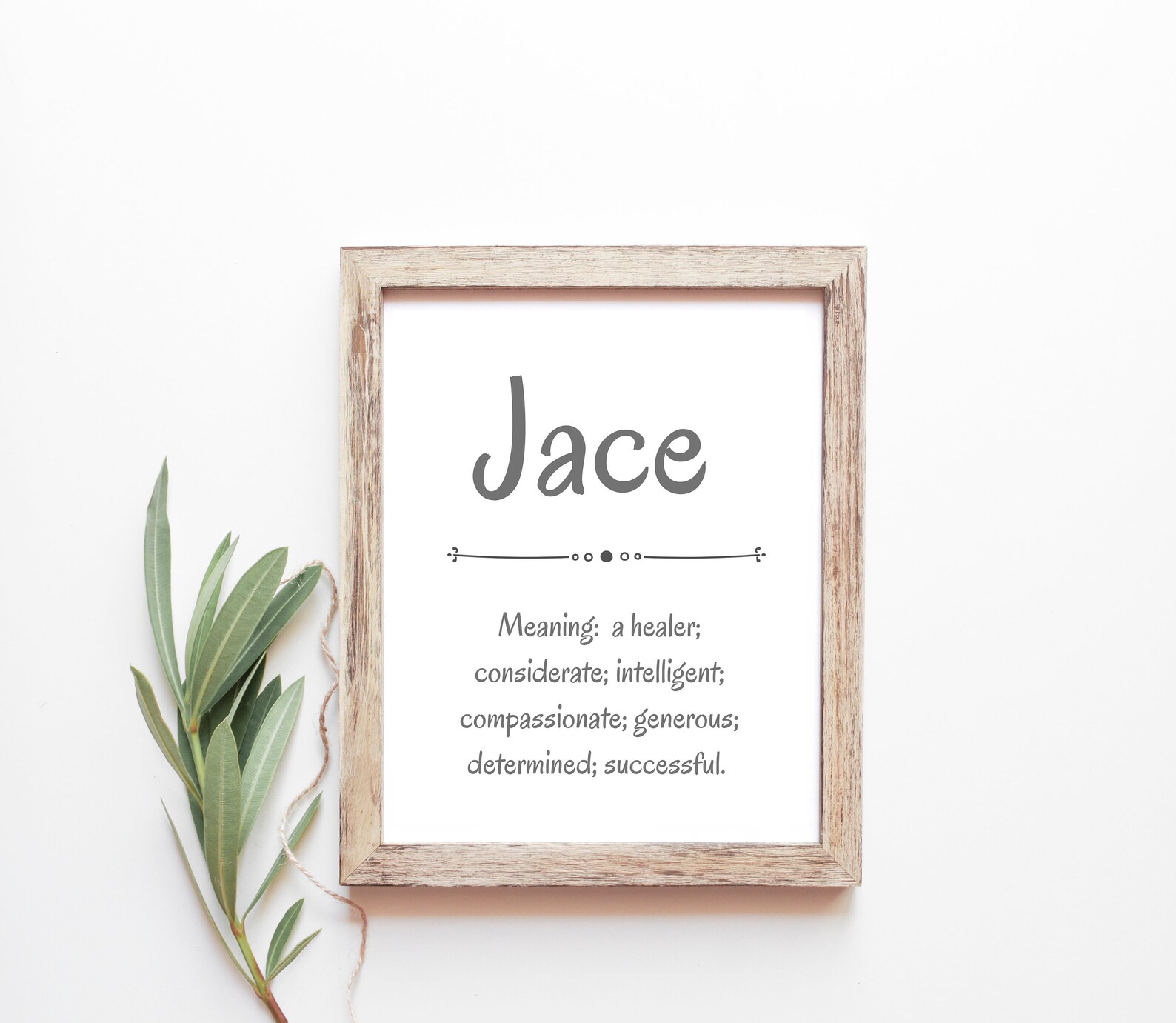
To understand the nature of the name Jace, one must first look at its linguistic components. Most onomastic scholars categorize Jace as a derivative of the name Jason, which originates from the Greek name Iason, meaning "healer." In Greek mythology, Jason was the leader of the Argonauts who sought the Golden Fleece.
Over time, particularly in the mid-to-late 20th century, Jace emerged as a shorthand or nickname for Jason. Simultaneously, some etymologists connect the name to the Latin Justus, meaning "just" or "righteous," or suggest it may be a phonetic construction that gained favor due to the popularity of single-syllable, sharp-sounding names. Because these roots are rooted in Ancient Greek, Latin, and traditional English nickname patterns, the name belongs to a broad category of Western given names rather than being culturally bounded to any single racial or ethnic group.
The Evolution of Naming Trends in the United States
The perception of a name as being "Black" or "white" is often a social construct driven by usage patterns, demographic shifts, and cultural visibility rather than the objective origin of the name itself. Since the late 20th century, the United States has seen significant diversification in naming practices.
Sociologists who study naming trends, such as those analyzing Social Security Administration data, often observe that "Black names" or names associated with African American culture often involve unique phonetic combinations, creative spellings, or the adoption of names that signal cultural heritage. Jace, by contrast, follows the trajectory of other "short-form" names that rose to prominence in predominantly white suburban and rural populations before diffusing across all racial lines.
The widespread adoption of Jace across the United States reflects a broader trend of parents moving away from classic, multi-syllabic names toward modern, punchy, and gender-neutral-leaning identifiers. Consequently, while Black parents certainly choose the name Jace for their children, they are doing so within the context of a name that is widely recognized as part of the broader, mainstream American nomenclature.
Distinguishing Between Origin and Popularity
A critical distinction in understanding name demographics is the difference between a name's origin and its current popularity within a specific community. A name can be popular within a community without being "exclusive" to it.
For example, names like Michael or David are widely used in almost every demographic in the Western world. When a name like Jace moves from being a nickname to a standalone legal name, it enters a phase of rapid popularity. Data from the 2010s and 2020s indicates that Jace has consistently ranked as a popular choice for boys across the board. This popularity is driven by media representation, pop culture, and the general evolution of naming aesthetics—where parents favor names that sound contemporary, energetic, and concise.
Demographic Distribution Table (Estimated Trends)
| Feature | Analysis |
|---|---|
| Primary Linguistic Root | Greek (Iason) and Latin (Justus) |
| Cultural Association | Broadly Western / English-speaking mainstream |
| Naming Pattern | Diminutive-turned-standalone (Modern trend) |
| Racial Exclusivity | None; used universally across demographics |
| Trend Period | Peak usage 2000–2026 |
Why Names Become "Coded"
The question of whether a name belongs to a specific race often stems from the study of "distinctive names." In the United States, research on name perception has demonstrated that certain names are statistically more likely to be found in specific racial or socioeconomic groups due to historical patterns of segregation, cultural pride, and localized naming conventions.
However, Jace does not fit the statistical profile of names historically associated with the Black American experience. It lacks the distinctive morphological features—such as specific prefixes (e.g., La-, Da-) or unique orthographic structures—that researchers typically use to categorize names as culturally or racially distinct. If Jace is perceived differently in certain regions, it is usually a result of local popularity cycles rather than a fundamental racial association.
Misconceptions Regarding Modern Naming
There is a persistent misconception that if a name is popular among Black Americans, it must have originated within that community. This ignores the reality of cultural exchange in a globalized society. Names are constantly traveling across lines of class, geography, and race.
When a name like Jace becomes popular, it often does so through mass media—television shows, professional sports, and digital creators. Once a name becomes highly visible in the public sphere, parents from all backgrounds adopt it. If an individual is asking "is Jace a Black name," they are likely attempting to understand the cultural "signaling" of the name. It is important to note that, in 2026, Jace serves as a neutral, modern identifier that does not carry specific racial baggage or exclusive cultural signaling.
Practical Considerations for Parents and Professionals
For parents choosing a name, understanding that Jace is a neutral and widely accepted choice can be reassuring. It avoids the potential for "resume bias" that some studies have associated with names perceived as "Black-sounding." Because Jace has a Western, classical root and aligns with modern English naming trends, it is generally treated as a conventional, professional-sounding name in academic and corporate environments.
When filling out administrative forms, school applications, or professional documentation, Jace is recognized as a standard, recognizable name. It does not carry the ambiguity or stigma that some parents worry about when selecting unconventional names.
Frequently Asked Questions
Is Jace considered a gender-neutral name? While Jace is historically and statistically more common for boys, it is increasingly used for girls as well. Its soft, phonetic quality makes it a versatile choice in modern naming trends, though it remains predominantly masculine in official registry data.
Does the name Jace have any African roots? No. The name Jace is etymologically derived from Greek and Latin influences that were integrated into the English language. It does not share a lineage with African naming traditions or linguistic structures.
Has the popularity of Jace changed over the last decade? Yes. Jace saw a significant rise in usage throughout the early 21st century and has maintained a steady position in popularity charts through 2026. Its rise mirrors the shift toward shorter, single-syllable names that are easy to pronounce and remember.
Are there different spellings that change the cultural perception of the name? Variations such as Jace, Jase, and Jayce exist. While "Jase" may be perceived as slightly more traditional or "country," and "Jayce" as a bit more contemporary, all these variations share the same etymological path and cultural neutrality.
Will choosing the name Jace affect my child's future opportunities? There is no evidence to suggest that the name Jace negatively impacts future professional or social opportunities. Because it is a mainstream, widely recognized name in English-speaking countries, it fits easily into standard social frameworks.
Conclusion and Next Steps
If you are considering the name Jace, you are selecting a name with strong, established historical roots in the Western world. It is a modern, popular, and neutral choice that transcends specific racial or ethnic boundaries. Whether you are naming a child or researching the cultural dynamics of modern nomenclature, Jace stands as a testament to how names evolve through usage rather than through exclusionary origin. If you have narrowed your choice down to Jace, you are selecting a name that is well-integrated into contemporary English society and carries no specific cultural baggage.
Image Gallery