Comprehensive Auto Insurance Comparison Guide for 2026: Saving on Coverage
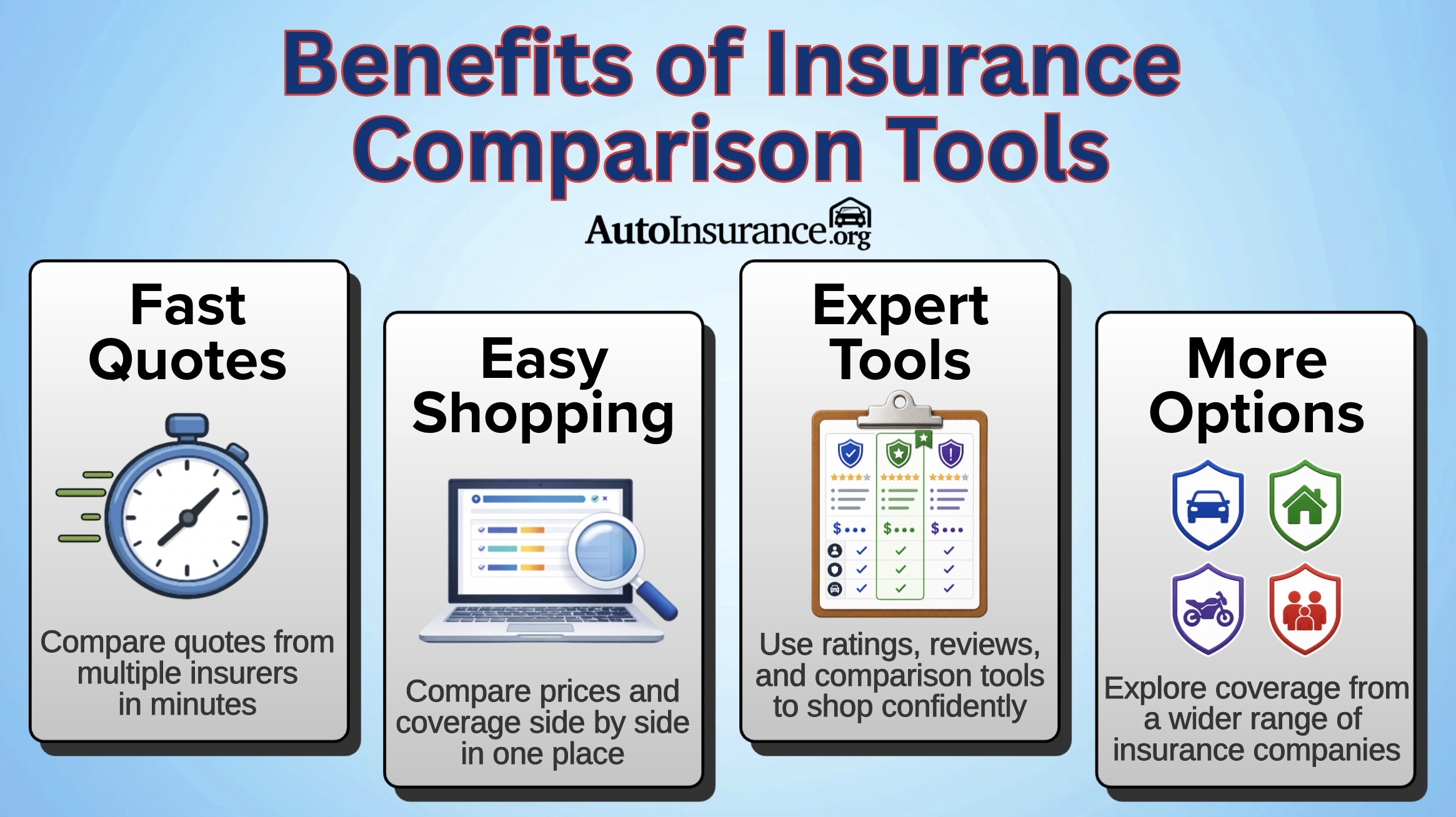
An effective auto insurance comparison involves evaluating multiple policy quotes to identify the optimal balance between premium costs and financial protection. By analyzing liability limits, deductibles, and specific coverage inclusi...
An effective auto insurance comparison involves evaluating multiple policy quotes to identify the optimal balance between premium costs and financial protection. By analyzing liability limits, deductibles, and specific coverage inclusions against insurer financial ratings and claims-handling reputations, drivers can secure localized pricing that reflects their unique risk profile and driving habits.
Contents
Choosing the right auto insurance in 2026 requires more than a cursory glance at monthly premiums. The insurance landscape has shifted significantly due to advanced vehicle technologies, a higher frequency of climate-related claims, and the widespread adoption of AI-driven underwriting. To navigate this complexity, consumers must understand the nuances of policy structures and the variables that insurers now prioritize when determining rates.
The Evolution of Auto Insurance Comparison in 2026
The methodology for comparing auto insurance has evolved from simple price-matching to a data-intensive analysis. In 2026, the primary driver of rate variance is no longer just a driver’s age or location, but the integration of real-time behavioral data. Comparison tools now frequently incorporate telematics data directly into the quoting process, allowing for more personalized—and often more volatile—pricing.
Insurers are increasingly utilizing "black box" algorithms to predict risk. This means that two drivers with identical vehicles and zip codes may receive vastly different quotes based on their digital footprint, credit-based insurance scores, and even the safety features installed on their vehicles. Consequently, a comprehensive comparison must account for how different companies weight these specific data points.
Note: This guide provides general information for educational purposes. Insurance regulations vary by state and jurisdiction. For specific legal or financial advice regarding your coverage, consult with a licensed insurance professional or your state's Department of Insurance.
Core Components of an Insurance Comparison
To perform a meaningful comparison, you must ensure you are looking at "apples-to-apples" coverage. Adjusting a single limit or deductible can swing a quote by hundreds of dollars, potentially masking a more expensive underlying policy.
Liability Coverage (Bodily Injury and Property Damage)
Liability is the foundation of any policy and is legally mandated in nearly every state. When comparing, look at the split limits (e.g., 100/300/50). This represents $100,000 per person for bodily injury, $300,000 per accident total, and $50,000 for property damage. In 2026, with the rising costs of medical care and vehicle repairs, many experts recommend limits higher than the state minimums to protect personal assets from lawsuits.
Collision and Comprehensive Coverage
These "physical damage" coverages protect your own vehicle. Collision covers accidents with other cars or objects, while Comprehensive covers non-collision events like theft, fire, vandalism, or weather damage. When comparing these, the deductible—the amount you pay out of pocket before insurance kicks in—is the primary lever. A higher deductible usually results in a lower premium, but it requires higher immediate liquidity in the event of a claim.
Uninsured and Underinsured Motorist Coverage (UM/UIM)
Despite legal requirements, a significant percentage of drivers remain uninsured or carry insufficient limits. UM/UIM coverage steps in to pay for your medical bills and repairs if you are hit by a driver who cannot cover the costs. Comparing the cost of adding high UM/UIM limits is critical, as this is often where the most valuable "peace of mind" protection resides.
Factors Influencing Your 2026 Premiums
Understanding what factors insurers are currently prioritizing allows you to better anticipate rate changes and find companies that favor your specific profile.
Telematics and Usage-Based Insurance (UBI)
Most major insurers in 2026 offer some form of telematics. By using a smartphone app or a plug-in device, the insurer monitors your braking, acceleration, speed, and the time of day you drive. When comparing quotes, consider whether you are willing to trade privacy for a potential discount. Some companies offer "pay-per-mile" structures, which are ideal for remote workers or low-mileage drivers.
Vehicle Complexity and Repair Costs
The cost to repair vehicles has surged. Modern cars are equipped with Advanced Driver Assistance Systems (ADAS), including sensors, cameras, and LiDAR. A minor fender bender that once cost $500 to fix may now cost $5,000 due to sensor recalibration requirements. Insurers factor the specific "repairability score" of your vehicle's make and model into your premium.
Credit-Based Insurance Scores
In states where it is legally permitted, credit history remains one of the strongest predictors of insurance risk. A driver with an "Excellent" credit score may pay 50% less than a driver with a "Poor" score, even with a clean driving record. When comparing, check if the insurer uses a "soft pull" on your credit, which does not impact your credit score.
Strategic Comparison Table: Coverage Tiers
The following table illustrates how coverage options typically scale across different policy tiers in 2026. This serves as a benchmark for your own comparison efforts.
| Feature | Basic (State Minimum) | Standard (Recommended) | Premium (Asset Protection) |
|---|---|---|---|
| Bodily Injury Liability | $25,000 / $50,000 | $100,000 / $300,000 | $250,000 / $500,000 |
| Property Damage | $10,000 - $25,000 | $50,000 - $100,000 | $100,000+ |
| Deductibles | $1,000+ | $500 | $250 or "Vanishing" |
| Uninsured Motorist | Often Declined | Matches Liability | Matches Liability |
| Rental Reimbursement | Not Included | $30 / Day | $50+ / Day |
| Roadside Assistance | Not Included | Optional Add-on | Included |
| Best For | High-risk drivers/Old cars | Most average drivers | High-net-worth individuals |
Step-by-Step Process for Comparing Quotes
To get the most accurate results, follow a structured approach to your market research.
- Gather Your Information: You will need your Vehicle Identification Number (VIN), current policy declarations page, and the driver's license numbers for all household members.
- Define Your Coverage Needs: Based on your vehicle's value and your personal assets, decide on your limits and deductibles before seeking quotes. This prevents you from being swayed by "low" prices that offer inadequate protection.
- Use a Mix of Tools:
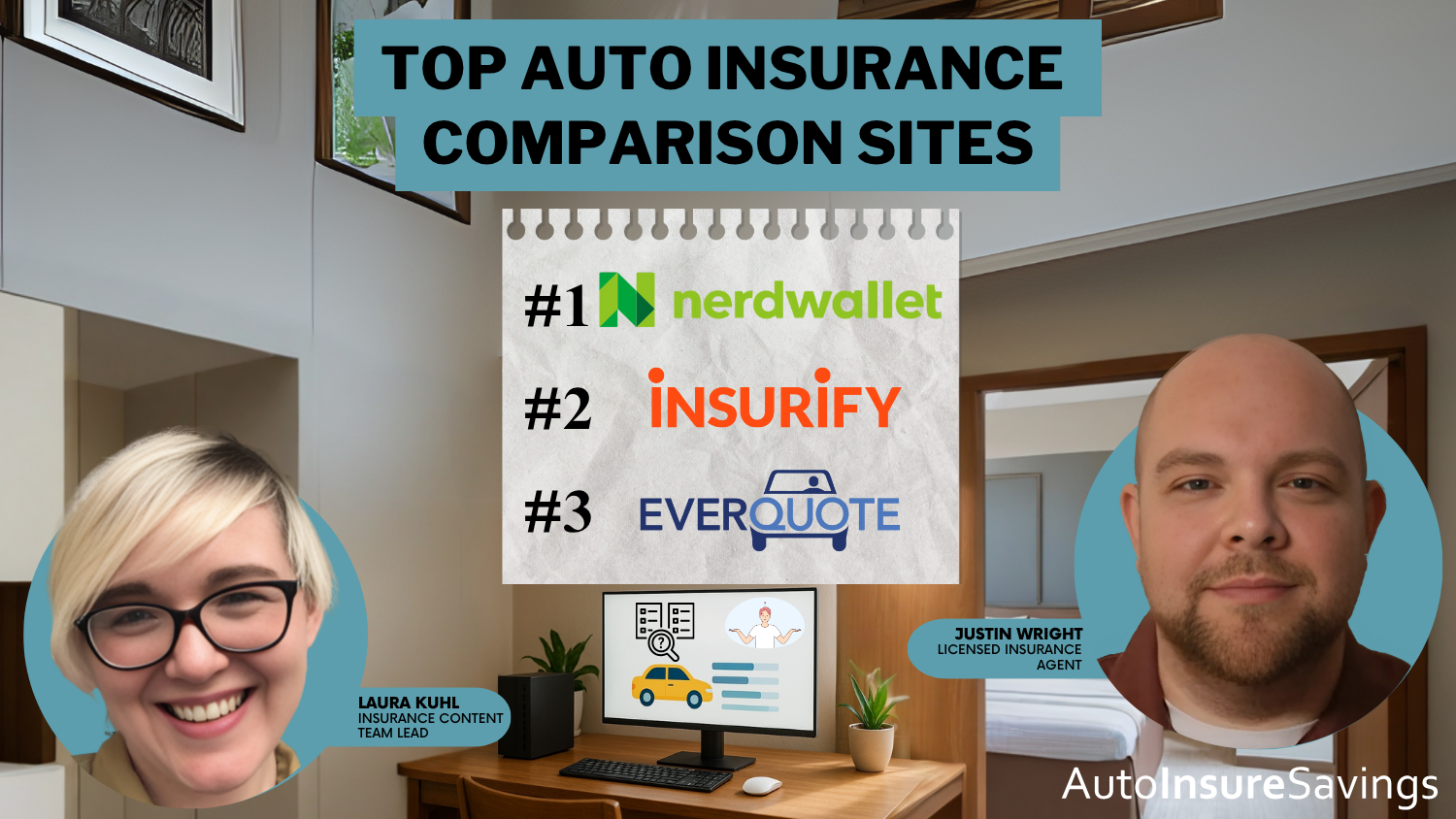
- Online Aggregators: These provide a broad overview of the market quickly but may not include every local or specialized carrier.
- Direct Insurers: Some companies (e.g., GEICO, Progressive) allow you to buy directly online, often saving on commission costs.
- Independent Agents: These professionals represent multiple companies and can often find "niche" discounts or regional insurers that do not appear on major comparison websites.
- Verify Insurer Stability: Price is irrelevant if the company cannot pay claims. Use resources like A.M. Best or Demotech to check the financial strength ratings of the companies you are considering.
- Review the NAIC Complaint Index: The National Association of Insurance Commissioners (NAIC) provides a "complaint index" for insurers. A score of 1.0 is average; anything significantly higher suggests potential issues with customer service or claims processing.
Common Pitfalls to Avoid
Comparing insurance is not just about finding the lowest number. Avoiding these common mistakes can save you thousands in the long run.
Ignoring the "Exclusions" Section
Every policy has exclusions—specific scenarios where the insurer will not pay. Common exclusions in 2026 include commercial use (like food delivery or ridesharing) unless a specific rider is added, and intentional acts. If you use your vehicle for work, ensure your comparison includes the cost of a business-use endorsement.
Focusing Solely on the Monthly Premium
A low premium often hides high out-of-pocket costs. If you choose a $2,000 deductible to save $20 a month, you must ensure you have $2,000 readily available in a savings account. For many drivers, a slightly higher premium with a manageable deductible is the more financially sound choice.
Forgetting to Ask About Discounts
Insurers offer a plethora of discounts that may not be automatically applied in an online quote. These include:
- Bundling: Combining home and auto insurance.
- Safety Features: Discounts for dashcams, anti-theft tracking, or autonomous braking systems.
- Affinity Groups: Discounts for alumni associations, military service, or specific professional organizations.
- Good Student: For young drivers maintaining a B average or higher.
Frequently Asked Questions
How often should I compare auto insurance rates?
It is recommended to compare rates at least once a year or whenever a major life event occurs, such as moving, buying a new car, or getting married. In 2026, with inflation impacting repair costs, insurers adjust their proprietary rate filings frequently. An annual check ensures you are not paying "loyalty tax"—where long-term customers are charged more than new sign-ups.
Does checking quotes impact my credit score?
No. When an insurance company checks your credit for a quote, it is considered a "soft inquiry" or "soft pull." Unlike a "hard pull" used for credit card or mortgage applications, a soft inquiry does not affect your credit score or appear to other lenders.
Are online comparison sites accurate?
Online comparison sites provide excellent estimates, but the final price may change once the insurer runs your official motor vehicle record (MVR) and claims history report (CLUE report). To get the most accurate price, ensure you provide honest information about your driving history and accidents during the initial data entry.
Is telematics data safe and private?
Most insurers in 2026 have strict privacy policies regarding telematics data, often stating they do not sell your personal driving data to third parties. However, the data is used to determine your rates. If you frequently speed or drive late at night, a telematics-based policy might actually increase your premiums compared to a traditional policy.
Why is my quote higher than the "starting at" price advertised?
Advertised prices usually represent the "best-case scenario": a driver with a perfect credit score, no accident history, living in a low-risk zip code, and driving a vehicle with high safety ratings. Your personal quote is tailored to your specific risk profile, which includes your local crime rates, traffic density, and personal financial history.
Final Recommendation
To maximize your savings and protection in 2026, perform a comprehensive auto insurance comparison every 12 months. Start by defining your required coverage levels to ensure consistent comparisons, then utilize at least one online aggregator and one independent agent to scan the entire market. Prioritize companies with an A-rating or higher from A.M. Best and a low NAIC complaint index. Finally, if you are a safe, low-mileage driver, consider a telematics-based policy to leverage your specific driving habits for deeper discounts.
Image Gallery