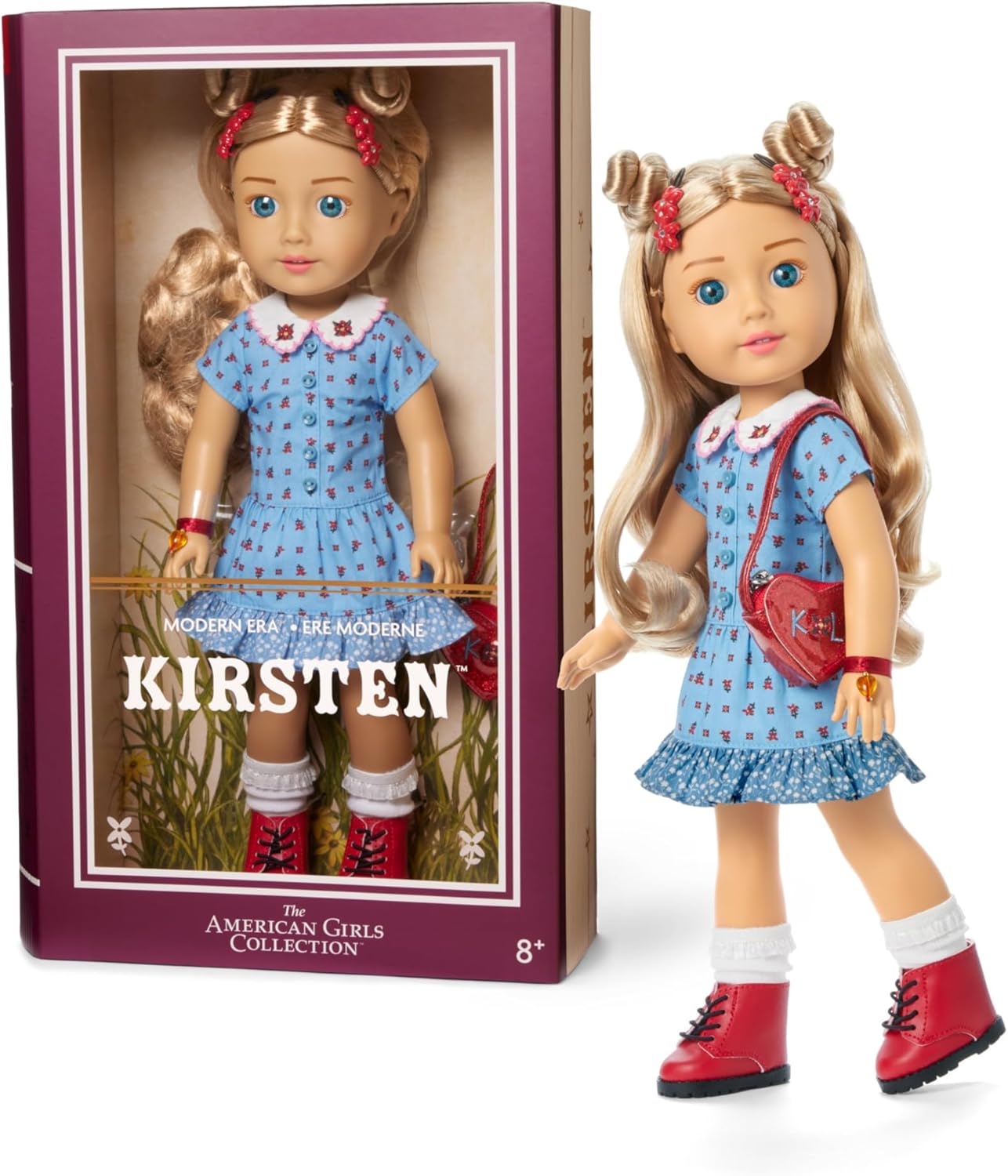
Understanding and Collecting the American Girl Historical Collection
The American Girl historical collection consists of narrative-driven dolls and books representing distinct eras in United States history, designed to educate children through immersive storytelling. Each character serves as a window in...
The American Girl historical collection consists of narrative-driven dolls and books representing distinct eras in United States history, designed to educate children through immersive storytelling. Each character serves as a window into a specific decade or social movement, providing historical context, period-accurate clothing, and accessories that bridge the gap between educational literature and collectible play.
Contents
The Foundation of the Historical Collection
The American Girl brand, originally launched as "The Pleasant Company" by educator Pleasant Rowland in 1986, established the historical collection as its primary pillar. Unlike many toy lines that prioritize fantasy or contemporary trends, this collection is rooted in meticulous research. The core concept relies on a "book-first" approach: each character is introduced through a series of six original books that chronicle her life, personal challenges, and the broader historical events of her time.
The historical dolls serve as physical avatars for these literary characters. They are manufactured to be 18 inches tall, featuring articulated limbs and distinct facial molds that, in earlier iterations, were designed to reflect the specific heritage or age of the character. As of 2026, the collection has evolved to include various characters spanning from the late 18th century to the 1990s, allowing collectors and young readers to explore the evolution of American society across multiple centuries.
Educational Integrity and Narrative Accuracy
The primary value of the American Girl historical collection lies in its commitment to historical accuracy. The books are frequently cited for their ability to introduce complex topics—such as the Great Depression, the Civil Rights Movement, or the World Wars—to young readers in a manner that is age-appropriate yet intellectually honest.
To maintain this integrity, the company historically employed teams of consultants, including historians, museum curators, and cultural experts, to review the details of the character’s "world." This includes:
- Period-Accurate Materiality: The clothing fabrics, patterns, and construction methods are modeled after real garments from the specific time period.
- Cultural Representation: Characters are written to reflect the diverse experiences of girls in various regions, socioeconomic statuses, and ethnic backgrounds.
- Contextual Storytelling: The narratives do not avoid the difficulties of the era. Whether a character is facing the rationing of supplies during wartime or the personal hardships of poverty, the stories emphasize resilience and historical context.
Distinguishing Between Eras and Collections
Collectors and educators often categorize these dolls by their "release era." While the company has rebranded and updated the line several times over the last four decades, the fundamental structure remains the same. When researching or acquiring items, it is important to understand the evolution of the products.
Chronological Distribution of Characters
| Character Era | Primary Historical Context | Key Themes |
|---|---|---|
| Felicity Merriman | 1774 (American Revolution) | Patriotism, independence, colonial life |
| Caroline Abbott | 1812 (War of 1812) | Resilience, family, maritime history |
| Josefina Montoya | 1824 (Mexican Territory) | Traditions, cultural heritage, ranch life |
| Kirsten Larson | 1854 (Pioneer Settlement) | Migration, adaptation, survival |
| Addy Walker | 1864 (Civil War) | Freedom, equality, family unity |
| Samantha Parkington | 1904 (Edwardian Era) | Class differences, social reform |
| Rebecca Rubin | 1914 (Immigration) | Urban life, artistic dreams, family values |
| Kit Kittredge | 1934 (Great Depression) | Economic struggle, resourcefulness |
| Molly McIntire | 1944 (World War II) | Homefront contributions, patriotism |
| Maryellen Larkin | 1954 (Post-war era) | 1950s culture, polio awareness |
| Melody Ellison | 1964 (Civil Rights Era) | Social justice, equality, music |
| Julie Albright | 1974 (1970s) | Women's rights, changing family structures |
| Courtney Moore | 1986 (1980s) | Technological change, pop culture |
| Isabel & Nicki | 1999 (1990s) | Digital revolution, Y2K transition |
Requirements for Collectors: Preservation and Value
For those treating the historical collection as a serious hobby, maintaining the condition of the items is paramount. In 2026, the market for "retired" or "archived" items—those no longer in active production—remains robust.
Care and Maintenance Guidelines
- Textile Care: Period clothing should be kept away from direct sunlight, which can fade natural fibers over time. If garments require cleaning, hand-washing with mild, pH-neutral soap is the standard recommendation.
- Vinyl and Soft Body Care: The vinyl limbs can be cleaned with a soft cloth and, if necessary, a gentle, non-abrasive cleanser. Avoid using magic erasers or harsh solvents, as these can strip the doll's factory finish or permanently damage the skin tone.
- Book Preservation: Original editions of the books (specifically those printed in the early-to-mid 1990s) are often considered the most desirable for collectors. These should be stored in a climate-controlled environment to prevent foxing or yellowing of the pages.
Identifying Authenticity
As with any long-running collectible line, counterfeit accessories and clothing are prevalent. Verified collectors look for "hallmarks"—small tags sewn into the interior seams of clothing, or stamped markings on the base of the doll's neck—that indicate official manufacturing. When purchasing secondhand, always verify the presence of these tags, as they are the primary indicators of authenticity.
Navigating the Archive and Retired Collections
A major point of confusion for new collectors is the distinction between "core" characters and "retired" characters. A character is considered retired when the company ceases production of her core line of clothing and accessories. This does not mean the character is deleted from history; rather, the retail availability shifts.
Collectors looking for specific items from retired collections, such as the original Kirsten or Samantha outfits, often rely on third-party secondary markets. It is advisable to use platforms that offer buyer protection and verified photography. Because many items are vintage (some dating back to the late 1980s), buyers should be prepared to ask sellers about specific flaws, such as "silver-eye" (a degradation of the iris paint) or "limp limbs" (loosened elastic tension in the joints).
Frequently Asked Questions
Are the American Girl historical books still accurate for students?
Yes, the books are widely used in educational settings. While they are works of historical fiction, the social and political events depicted are grounded in rigorous research, making them excellent supplemental reading for primary and middle school history curricula.
How do I fix a doll that has loose limbs?
Loose limbs are a common issue for older dolls due to the breakdown of internal elastic tension. Many collectors seek professional doll repair services, as re-stringing a doll requires specific tools and knowledge of the interior construction to avoid damaging the vinyl head or neck flange.
What is the difference between an "original" doll and a newer one?
The "original" dolls (produced by The Pleasant Company prior to Mattel’s acquisition) are often highly prized by collectors for their thicker vinyl, specific hair textures, and the quality of their book editions. Newer dolls may feature updated manufacturing materials that, while more durable, differ from the original 1980s and 90s specifications.
Is the historical collection meant for play or display?
The collection is designed for both. The materials are durable enough for children’s play, but the historical focus encourages a display-oriented approach for adult collectors who appreciate the research and period accuracy inherent in the accessories and clothing.
Can I still buy the original books for retired characters?
While the company updates the book series periodically, older editions are frequently available through online used book repositories and specialized collector marketplaces. Ensure you check the publication year listed in the front matter of the book if you are searching for a specific edition.
Next Steps for Enthusiasts
If you are beginning your collection, start by selecting a historical era that resonates with your personal interests or academic focus. Acquire the primary book series first to understand the character's narrative arc. Once you have established your focus, prioritize the core outfits, as these are the most iconic representations of each character’s history. For those looking to invest in high-value or rare items, prioritize documentation—original boxes, intact tags, and the accompanying books significantly increase the secondary value and historical authenticity of your collection.
Image Gallery