The Death of Cap Collins in Ransom Canyon: Timeline, Impact, and Legacy
In the first book of the Ransom Canyon series by Jodi Thomas, and consequently within the early narrative arc of the Netflix television adaptation, Cap Collins passes away due to natural causes related to his advanced age and declining...
In the first book of the Ransom Canyon series by Jodi Thomas, and consequently within the early narrative arc of the Netflix television adaptation, Cap Collins passes away due to natural causes related to his advanced age and declining health. His death serves as the primary catalyst for the series, forcing his son, Staten Kirkland, to confront the burdens of leadership, legacy, and the complex history of the Kirkland family ranch in the Texas Hill Country.
Contents
The passing of a patriarch is a quintessential trope in Western contemporary romance, but in the world of Ransom Canyon, the death of Cap Collins is more than a plot point—it is the earthquake that shifts the landscape for every resident of the town. Whether you are discovering the story through Jodi Thomas’s 2015 novel or the high-profile Netflix adaptation starring James Brolin and Josh Duhamel, understanding "when" and "how" Cap dies is essential to grasping the emotional stakes of the entire saga.
The Narrative Timing of Cap’s Death
In the literary world created by Jodi Thomas, Cap Collins does not linger as a background character for several volumes. Instead, his presence is felt most strongly through his absence. In the debut novel, Ransom Canyon, Cap’s health is a central concern from the opening chapters. He represents the "old guard" of Texas—rugged, stubborn, and deeply tied to the land.
His death occurs early in the narrative of the first book. This timing is a deliberate choice by Thomas to ensure that the focus remains on Staten Kirkland, Cap’s son, and his struggle to manage the legendary Double K Ranch. While Cap appears in flashbacks and is frequently mentioned by the townspeople, his physical departure from the story happens early enough to set the stage for the primary romantic and professional conflicts of the first installment.
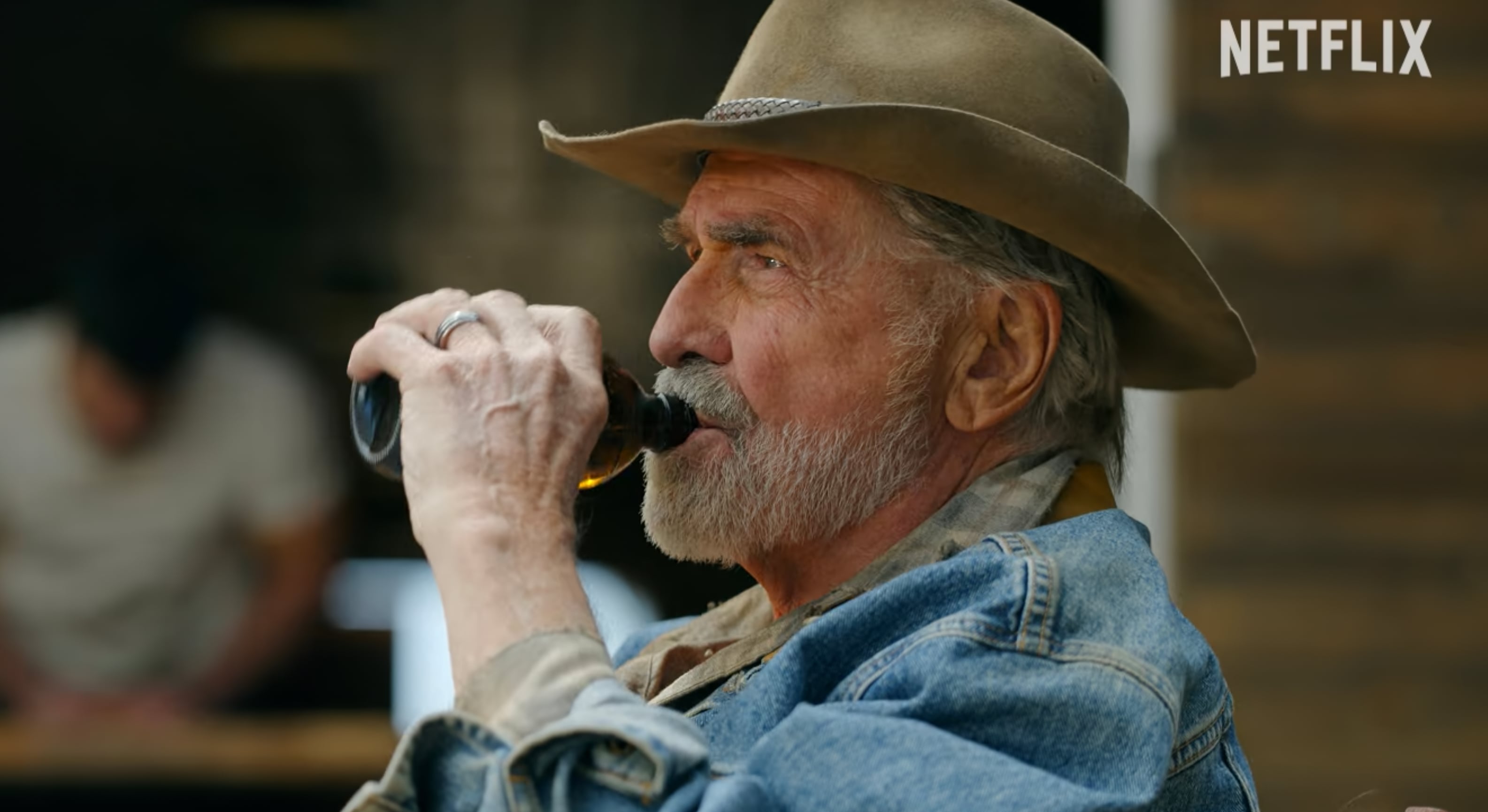
In the Netflix adaptation, the timing is handled with a similar sense of gravity. James Brolin portrays Cap with a commanding presence that makes his eventual passing feel like the end of an era for the fictional community. The show uses the first season to establish the friction between Cap and Staten, making the eventual loss a complex emotional hurdle for the protagonist rather than a simple moment of mourning.
The Character of Cap Collins: A Pillar of the Community
To understand why the question of when Cap dies is so frequent among fans, one must understand who Cap was. Cap Collins was not just a rancher; he was the living memory of Ransom Canyon. As the patriarch of the Kirkland family, he was responsible for maintaining the Double K, one of the most prestigious and historically significant properties in the region.
Cap’s character is defined by:
- Stoicism: He represents a generation of men who expressed love through work and land management rather than words.
- Conflict with Staten: Much of the drama in Ransom Canyon stems from the fact that Staten and Cap rarely saw eye-to-eye on how the ranch should be run or how life should be lived.
- Community Influence: From the sheriff’s office to the local diners, Cap’s shadow looms large over everyone in town, including the O’Grady family and the local youth looking for a way out of the canyon.
When Cap dies, the "rules" of the town seem to vanish. He was the arbiter of disputes and the symbol of stability. His passing creates a power vacuum that external forces—developers and rival ranchers—immediately attempt to fill.
The Impact of Cap’s Death on Staten Kirkland
The person most affected by Cap’s death is undoubtedly his son, Staten Kirkland. Staten is a man who has spent much of his life trying to live up to his father’s expectations while simultaneously resenting the weight of those same expectations.
1. The Burden of the Double K Ranch
The Double K is not just a business; it is a legacy. Upon Cap’s death, Staten inherits the full responsibility of the ranch. This includes the financial pressures of modern ranching and the environmental challenges of the Texas landscape. Without Cap’s guidance—however gruff it may have been—Staten is forced to decide if he wants to keep the ranch or let it go.
2. Emotional Reconciliation
Death often leaves things unsaid. For Staten, Cap’s passing begins a long process of internal reflection. He must reconcile the image of the "tough-as-nails" father with the man who cared deeply for his community. This emotional journey is a primary draw for the series' audience, as it mirrors the real-world experience of losing a complicated parent.
3. The Relationship with Quinn O’Grady
Cap’s death also alters the trajectory of Staten’s relationship with Quinn O’Grady. Quinn, who has her own deep roots in the canyon, becomes a source of support for Staten. The shared history they have, which was often mediated by Cap’s presence in the town, becomes a more direct, intimate connection as they navigate the aftermath of the patriarch's departure.
Comparative Analysis: Book vs. Screen
While the core event remains the same, the medium through which you experience Ransom Canyon changes how Cap’s death is felt. In the books, the internal monologues of the characters provide a deep, psychological look at grief. In the Netflix series, the visual grandeur of the Texas Hill Country and James Brolin’s performance add a layer of cinematic tragedy.
| Feature | Jodi Thomas's Novels | Netflix Series Adaptation |
|---|---|---|
| Timing of Death | Early in Book 1 (Ransom Canyon) | Late Season 1 / Early Season 2 Catalyst |
| Cause of Death | Natural causes / Age-related decline | Natural causes / Chronic illness |
| Primary Focus | Staten's internal grief and ranch management | Visual legacy and town-wide ripple effects |
| Flashback Usage | Moderate; used to build history | Frequent; leverages James Brolin's star power |
| Stakes | Preservation of land and family secrets | Dramatic tension with external developers |
Why Cap's Death is Necessary for the Story
From a storytelling perspective, Cap Collins had to die for Ransom Canyon to truly begin. If Cap remained the head of the household, Staten would have stayed in a state of arrested development, forever the son and never the leader.
Cap’s death introduces the theme of transition. The series is fundamentally about the changing of the guard—not just in the Kirkland family, but in the American West. It explores how a town moves from its rugged, isolated past into a more connected, modern future. Cap was the bridge to the past; his death forces the characters to cross into the future.
Furthermore, his death allows for the introduction of new conflicts. In the absence of a strong patriarch, the "wolves" come out. This includes land developers who want to turn the canyon into a tourist destination and old rivals who see an opportunity to settle scores with Staten that they were too intimidated to bring to Cap.
Common Misconceptions About Cap's Passing
As the Netflix series gained popularity in 2025 and 2026, several misconceptions arose regarding Cap's fate. Some viewers, accustomed to high-action dramas, expected a more violent or conspiratorial end for the character. However, Jodi Thomas’s work is rooted in "Contemporary Western Romance," which favors emotional realism over sensationalism.
- Was there foul play? No. Cap’s death is a result of a life lived hard on the ranch. It is a "quiet" death in terms of action, but a "loud" death in terms of its impact on the characters.
- Does he return? Only in memories and flashbacks. The series maintains the weight of his loss by not utilizing "soap opera" tropes like faked deaths or twin brothers.
- Is he the same character in every book? Cap is mentioned in nearly every book in the series (which includes titles like Rustler's Moon and Winter's Camp), but he only appears alive in the very beginning of the saga.
FAQs About Cap Collins and Ransom Canyon
Does Cap Collins die in the first episode of the Netflix show?
While the show establishes his declining health early on, the creators often utilize James Brolin’s performance to anchor the first several episodes. His death serves as a major turning point, typically occurring mid-season to allow the audience to bond with his character before the tragedy strikes.
What happens to the Kirkland ranch after Cap dies?
Ownership passes to Staten Kirkland. Staten faces immediate pressure to sell parts of the land to settle debts or to make room for regional development. The struggle to keep the "Double K" intact is a recurring theme throughout the series.
How does Quinn O’Grady react to Cap’s death?
Quinn views Cap as a symbol of the town's soul. While she has her own family issues to manage, Cap’s death forces her to step up as a pillar of the community alongside Staten, deepening their bond through mutual loss and shared responsibility.
Is Cap's death the same in the books as in the TV show?
The outcome is identical, but the pacing differs. The television medium requires more "screen time" for a star like James Brolin, meaning his presence is felt more tangibly in the show's early episodes than in the brief chapters of the first book.
What are Cap's final wishes?
Cap’s primary wish was for the Double K to remain a working ranch and for Staten to finally "find his place" in the world. He leaves behind a legacy of hard work, but also a trail of unresolved emotional tensions that Staten must navigate.
Final Recommendation for Fans
If you are just starting your journey into Ransom Canyon, it is recommended to read the first book, Ransom Canyon, before diving deep into the Netflix series. Understanding the internal motivations of Staten and Cap in the prose will provide a much richer experience when watching the cinematic portrayal of Cap's final days.
The death of Cap Collins is a poignant reminder that even the strongest figures are mortal, but the shadows they cast can protect—or haunt—those they leave behind for generations. To truly appreciate the series, one must look past the "when" of his death and focus on the "why": it is the moment Staten Kirkland finally becomes the man he was meant to be.
Image Gallery