Comprehensive Guide to the 941 Police Code and Radio Communication Protocols in 2026
Law enforcement agencies across various jurisdictions utilize standardized radio codes to maintain brevity, clarity, and officer safety during routine operations and emergency responses. Among these designations, numeric codes serve as...
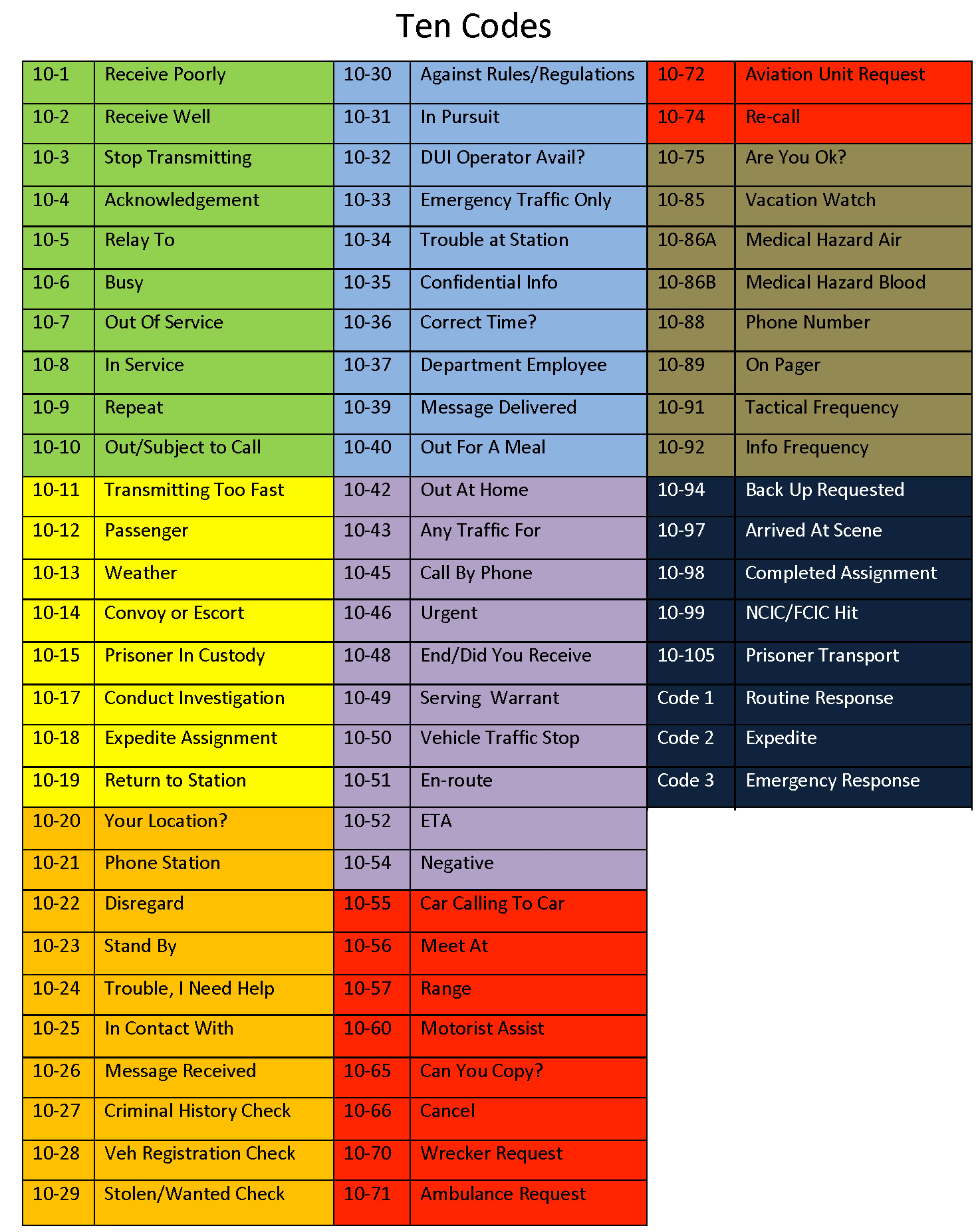
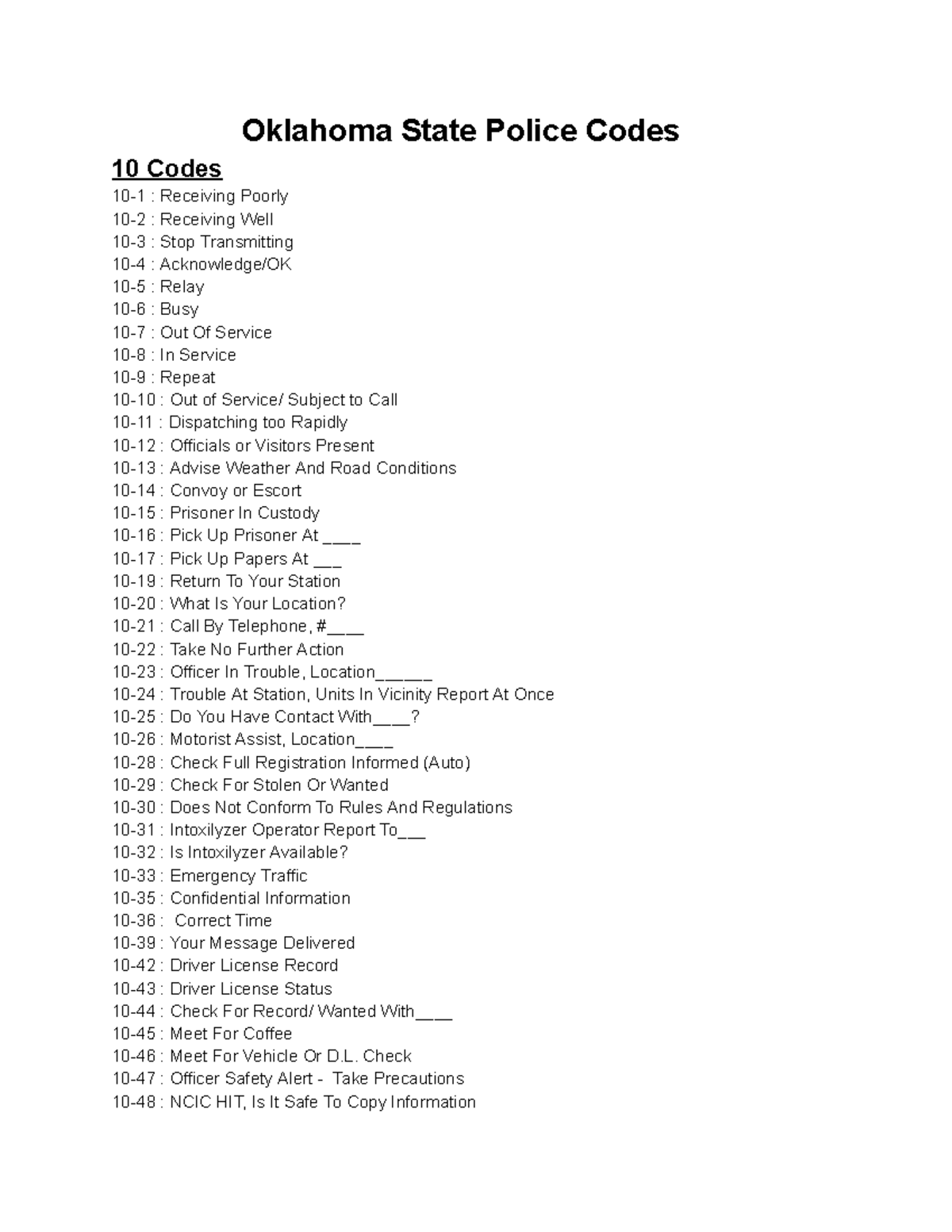
Law enforcement agencies across various jurisdictions utilize standardized radio codes to maintain brevity, clarity, and officer safety during routine operations and emergency responses. Among these designations, numeric codes serve as the backbone of rapid verbal exchange over congested radio frequencies. The designation commonly referred to as the "941 police code" occupies a specific space in public safety vernacular. Depending on the exact municipal, county, or state framework operating in 2026, numeric codes can shift in definition, making a thorough operational analysis vital for dispatchers, field units, and researchers alike.
Contents
Understanding Public Safety Radio Terminology and Standardized Codes
Voice communication in emergency services requires strict protocols to eliminate ambiguity. The implementation of ten-codes, numeric identifiers, and penal signals prevents long-winded transmissions that could clog channels during critical incidents. While the Association of Public-Safety Communications Officials (APCO) historically pushed for standardizing plain language to minimize confusion between agencies, many regional departments retain custom numeric codes for internal tracking, administrative updates, or specific tactical events.
The semantic structure of public safety radio codes typically follows a hierarchical design. A single prefix can indicate an incident type, an administrative status, or a physical location check. When examining a specific identifier like the 941 code, dispatch personnel must cross-reference regional signal manuals, as state highway patrols, municipal police departments, and county sheriff offices often maintain distinct protocol manuals.
Regional Variations and Definitional Breakdown of the 941 Identifier
Because radio coding systems lack a universal federal mandate, the exact interpretation of a code depends entirely on the operating jurisdiction. In certain regional municipal codes, numeric sequences in the nine-hundred range denote specialized transport assignments, environmental hazards, or specific investigative statuses.
To provide absolute clarity on how public safety agencies categorize various field actions, the following comparative framework outlines standard administrative and tactical classifications frequently utilized in modern law enforcement communication:
| Code Category | Typical Operational Meaning | Primary User Group | Communication Priority |
|---|---|---|---|
| Administrative Signal | Shift change, equipment pickup, or station return | Patrol Officers / Dispatch | Low to Moderate |
| Tactical Incident | Active investigation, property damage, or civil dispute | Investigative Units / Patrol | Moderate |
| Emergency Signal | Officer in trouble, immediate backup requested | All Available Units | Critical / High |
| Specialized Transport | Prisoner movement, psychiatric evaluation transport | Transport Officers / Jail Staff | Controlled / Secure |
When units transmit a code in the field, dispatchers immediately assess whether the status requires secondary resource deployment or silent monitoring. Understanding these operational tiers prevents miscommunication during high-stress scenarios.
Operational Workflows for Emergency Dispatch and Field Units
The deployment of field resources relies on a structured sequence of events from the moment a call enters the 911 communications center to the final clearance of the unit. Modern computer-aided dispatch (CAD) systems in 2026 integrate automated status updates with traditional voice radio traffic, ensuring real-time tracking of every officer.
- Incident Intake and Triage: Call-takers gather initial details, assign a priority level based on threat severity, and route the event to the appropriate dispatch console.
- Resource Allocation: The dispatcher evaluates unit availability, proximity, and specialization before broadcasting the assignment over the primary talkgroup.
- Acknowledgment and En Route Status: The responding unit confirms receipt of the call using standard acknowledgment codes, initiating travel mode with appropriate emergency equipment if warranted.
- On-Scene Arrival and Assessment: Upon reaching the location, the primary unit updates dispatch with their physical arrival, evaluates the scene safety, and requests backup or specialized units as needed.
- Incident Resolution and Clear: Once the situation stabilizes, the officer provides a formal summary and transmits a clear code to close the computer-aided dispatch event.
Comparative Analysis: Plain Language Versus Traditional Numeric Codes
The debate between utilizing plain language (often mandated by the National Incident Management System for multi-agency interoperability) and traditional numeric codes remains a central topic in law enforcement administration. Each approach carries distinct operational advantages and vulnerabilities.
- Traditional Numeric Codes:
- Pros: Provides high speed of transmission; offers a layer of tactical privacy from scanners and civilians; reduces airtime congestion.
- Cons: Prone to misinterpretation during mutual aid operations involving multiple jurisdictions; requires extensive training and memorization for new personnel.
- Plain Language (NIMS Compliant):
- Pros: Enhances seamless inter-agency cooperation; eliminates confusion for civilian partners and mutual aid responders; simplifies onboarding.
- Cons: Longer transmission times on crowded frequencies; less phonetic privacy during sensitive tactical or mental health welfare checks.
Safety Protocols and Verification Best Practices for Field Personnel
Operating within complex public safety environments demands strict adherence to verification protocols. When dispatchers or field units encounter ambiguous radio traffic or unfamiliar codes, standard operating procedures dictate immediate verbal clarification rather than hazardous guesswork.
Officers must prioritize tactical positioning and situational awareness before attempting to decode complex transmissions. Supervisors monitor talkgroups continuously to intervene if communication breakdowns occur during critical incidents. Maintaining clear, concise radio discipline ensures that officer safety is never compromised by procedural confusion.
Frequently Asked Questions About Police Radio Codes
What does a numeric code like the 941 police code generally represent?
Numeric codes vary significantly by jurisdiction, often denoting specific administrative tasks, specialized transport duties, or localized incident classifications rather than a universal national standard. Checking the specific department's operating manual is essential for accurate definition.
Why do some police departments use codes instead of plain English?
Codes were originally designed to save airtime on congested radio channels and provide a degree of tactical privacy from public scanner listeners.
Are police radio codes the same across different states and counties?
No, radio codes are managed locally. A code utilized by a municipal police department may mean something entirely different to a neighboring county sheriff or state highway patrol.
How has radio communication changed in law enforcement for 2026?
Modern agencies increasingly utilize encrypted digital trunked radio systems integrated with advanced computer-aided dispatch software, balancing traditional brevity codes with plain language mandates for interoperability.
What should a civilian do if they hear emergency radio codes on a scanner?
Civilians should avoid interfering with emergency operations, never self-dispatch to reported incidents, and always yield the right-of-way to responding emergency vehicles with active lights and sirens.
Conclusion and Professional Recommendations
Navigating public safety communication frameworks requires a solid grasp of both regional protocols and broader operational standards. Whether analyzing historical ten-codes or modern digital trunked system terminology, maintaining accuracy in dispatch procedures remains paramount for community safety. Agencies continue to refine their communication strategies to balance tactical efficiency with multi-agency interoperability, ensuring rapid and effective responses to every community need.
Image Gallery