The Subaru WRX STI Silver Evolution: Tracking the Legacy and the Modern Performance Debate
The Subaru WRX STI silver evolution represents the model’s transition from a flamboyant rally icon to a sophisticated performance sedan. While the "Blue and Gold" livery defined its youth, the silver and grey variants—such as Ice Silve...
The Subaru WRX STI silver evolution represents the model’s transition from a flamboyant rally icon to a sophisticated performance sedan. While the "Blue and Gold" livery defined its youth, the silver and grey variants—such as Ice Silver Metallic and Urban Grey—symbolized its mechanical maturity. In 2026, the debate remains centered on whether Subaru’s decision to retire the internal combustion STI in 2021 was a necessary step toward electrification or a missed opportunity to modernize the legendary EJ257 powerplant.
Contents
The Aesthetic Shift: Why Silver Defined the STI’s Maturity
For decades, the Subaru Tecnica International (STI) brand was inseparable from World Rally Blue paint and gold BBS wheels. This "555" livery was a badge of honor, signaling the car’s dominance in the World Rally Championship. However, as the target demographic for the STI aged, a subtle but significant "silver evolution" occurred.
Starting prominently with the GD chassis (2002–2007) and accelerating through the VA chassis (2015–2021), silver became the choice for the "stealth" enthusiast. Shades like PSM (Platinum Silver Metallic), Steel Silver Metallic, and eventually Ice Silver Metallic offered a more premium, industrial look that highlighted the car’s aggressive lines without the loud, boy-racer connotations of the classic blue.
This evolution was not just about paint; it was about the vehicle's identity. Silver STIs often appeared in marketing materials aimed at the "Executive Express" niche—drivers who wanted the Symmetrical All-Wheel Drive and the Driver Controlled Center Differential (DCCD) but needed to park the car in a corporate lot without drawing undue attention. In 2026, these silver models are among the most sought-after on the secondary market because they tend to have been kept in more "adult" or stock conditions compared to their rally-blue counterparts.
The Mechanical Evolution: From GD to the Final VA Chassis
To understand the ongoing debate, one must analyze the technical progression—or lack thereof—across the primary generations of the STI. The evolution was marked by incremental refinements rather than radical redesigns.
The GD Generation (2002–2007)
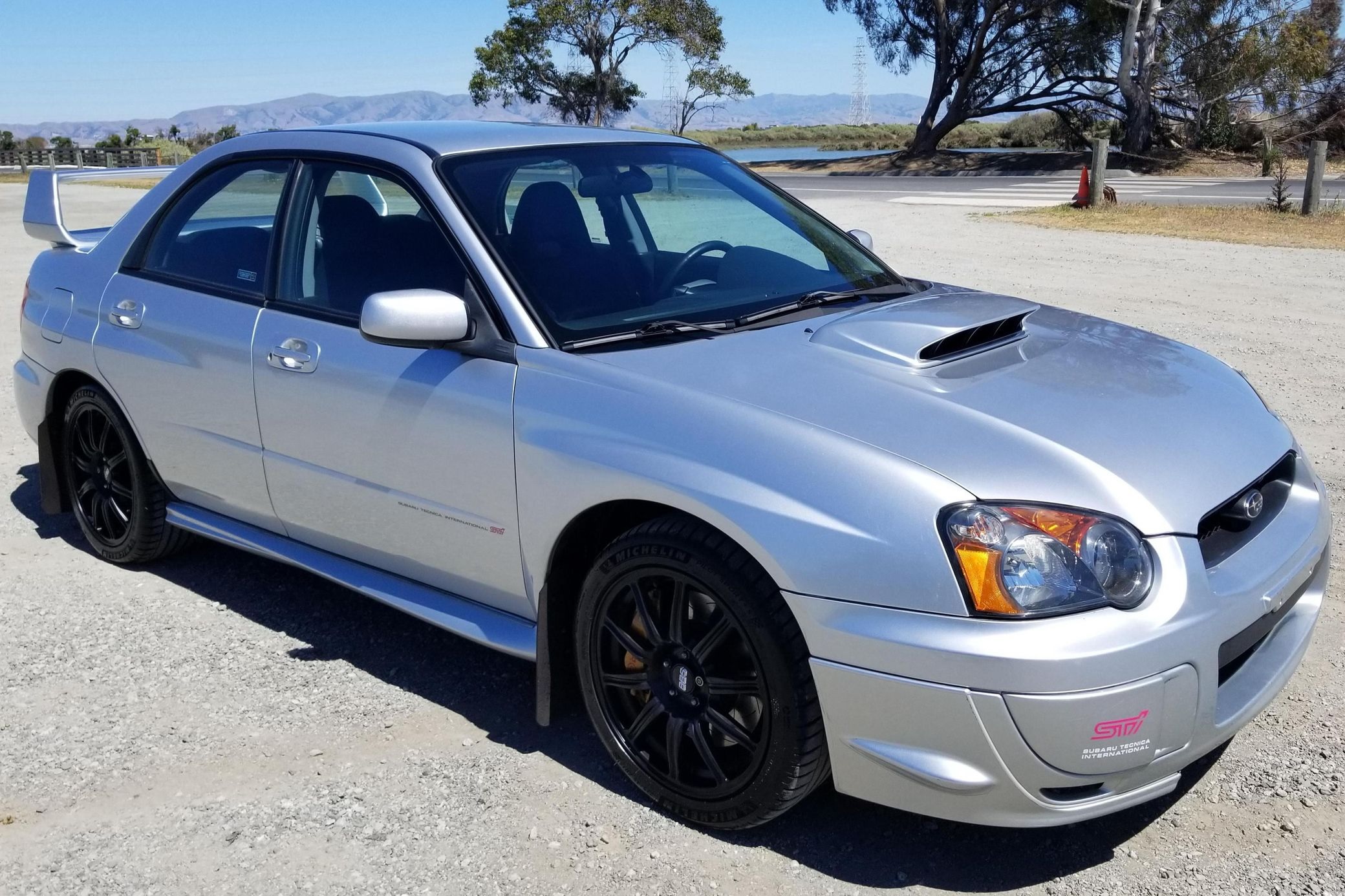
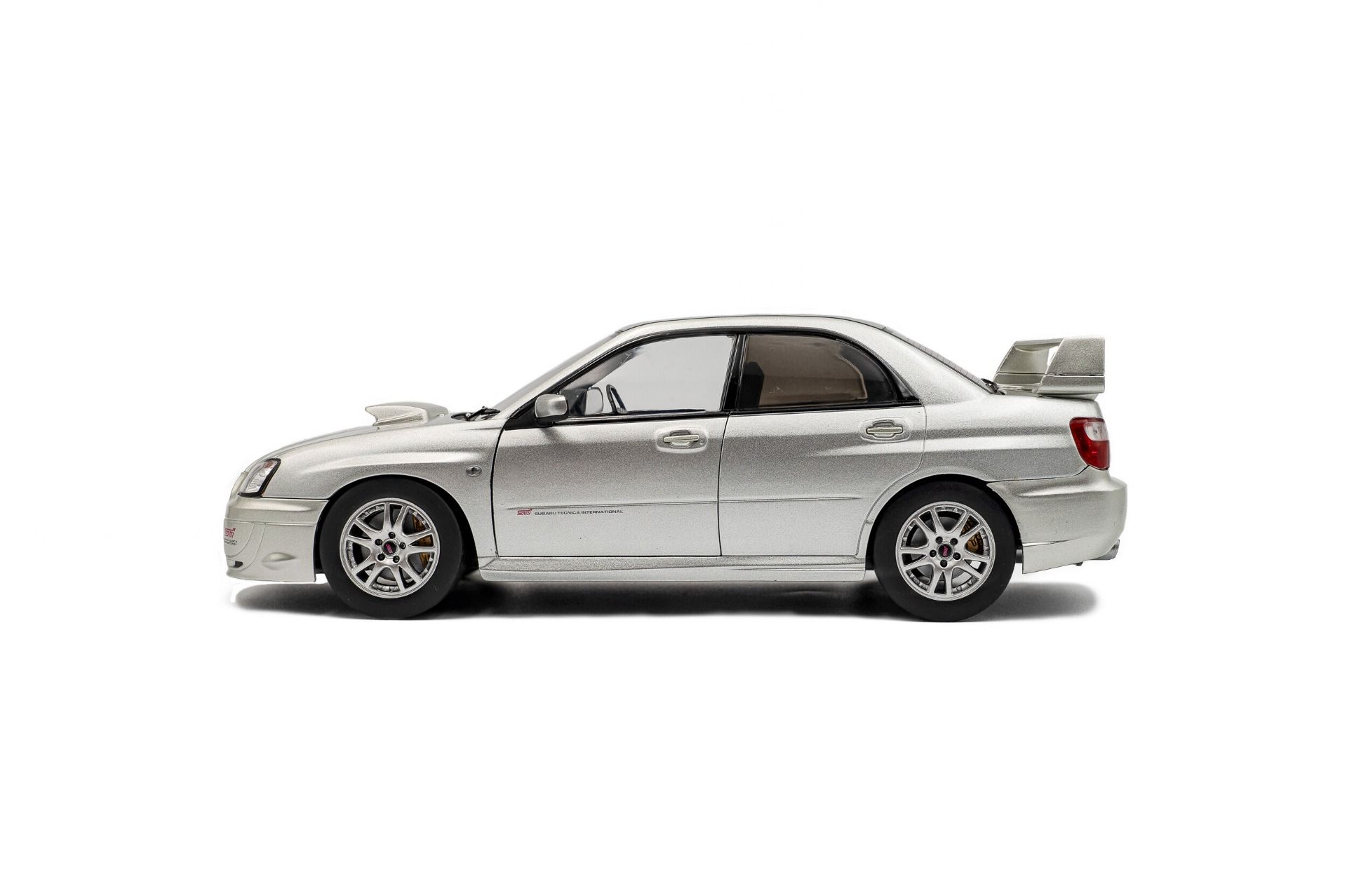
The GD "Blobeye" and "Hawkeye" models introduced the United States to the STI in 2004. These cars featured the EJ257 2.5-liter turbocharged boxer engine, producing 300 horsepower and 300 lb-ft of torque. The silver variants of this era are often considered the "purest" form of the evolution. They lacked the electronic stability suites of later cars, offering a raw, mechanical connection to the road.
The GR/GV Generation (2008–2014)
Subaru shifted to a wide-body hatchback (GR) and later reintroduced the sedan (GV). This era saw the introduction of SI-Drive (Subaru Intelligent Drive), allowing users to map throttle response. The silver evolution here moved toward "Urban Grey Metallic," a deeper, moodier tone that complemented the more muscular, flared fenders of the GR chassis. This was the era where the STI began to feel more like a grand tourer than a rally-special.
The VA Generation (2015–2021)
The final internal combustion STI, the VA chassis, was a masterpiece of handling. Subaru stiffened the chassis significantly and transitioned to an electronic DCCD in later model years (2018+). While the engine remained the aging EJ257, the car’s ability to corner was unparalleled in its price bracket. The "Ice Silver Metallic" VA STI is now viewed as the pinnacle of the car's aesthetic evolution—sharp, modern, and deceptively fast.
The Great Debate: Reliability, Stagnation, and the 2022 Pivot
In 2026, looking back at the five years since the STI’s discontinuation, the automotive community remains split. This "ongoing debate" focuses on three primary pillars: the engine’s longevity, the lack of innovation, and the sudden cancelation of the next-generation (VB) STI.
The EJ257 Engine Controversy
The EJ257 engine is both the hero and the villain of the STI story. It provided a distinct rumble that enthusiasts loved, but it was plagued by "ringland failure" and oiling issues that Subaru never fully addressed in a way that satisfied the high-performance tuning community.
Critics argue that by keeping the same engine from 2004 to 2021, Subaru allowed the STI to be overtaken by competitors like the Volkswagen Golf R, the Honda Civic Type R, and even the Toyota GR Corolla. Proponents, however, argue that the EJ's longevity allowed for a massive aftermarket ecosystem, making it one of the most customizable platforms in history.
The "Lost" Generation
In 2022, Subaru shocked the world by announcing there would be no STI version of the new VB WRX. This created a rift in the fan base. Many had expected a FA24-powered STI with 350+ horsepower. Instead, the "silver evolution" was halted. As of 2026, the VB WRX remains the flagship, while the STI badge is being reserved for a future electrified performance vehicle (the rumored STE).
This gap has caused the value of late-model silver VA STIs to skyrocket. Enthusiasts debate whether the current WRX TR or RS trims can truly fill the void left by the STI's sophisticated AWD system and Brembo braking performance.
Technical Specifications Comparison: The Silver Eras
The following table highlights the technical progression across the three most significant eras of the silver evolution.
| Feature | GD Chassis (Hawkeye) | GR/GV Chassis | VA Chassis (Final) |
|---|---|---|---|
| Engine Code | EJ257 | EJ257 | EJ257 (Refined) |
| Horsepower | 300 hp @ 6,000 RPM | 305 hp @ 6,000 RPM | 310 hp @ 6,000 RPM |
| Torque | 300 lb-ft @ 4,000 RPM | 290 lb-ft @ 4,000 RPM | 290 lb-ft @ 4,000 RPM |
| Transmission | 6-Speed Manual | 6-Speed Manual | 6-Speed Manual (Reinforced) |
| AWD System | Mechanical DCCD | Multi-mode DCCD | Electronic DCCD (2018+) |
| Primary Silver Color | Crystal Gray Metallic | Steel Silver Metallic | Ice Silver Metallic |
| Brake System | 4-Piston Brembo (Front) | 4-Piston Brembo (Front) | 6-Piston Brembo (Front) |
The 2026 Market Landscape: Values and Collectibility
As we navigate through 2026, the Subaru WRX STI has officially entered the "modern classic" category. The silver variants, once seen as the more conservative choice, are now commanding a premium in the collector market.
- Preservation of Condition: Silver paint hides minor imperfections and "swirl marks" better than World Rally Blue or Crystal Black Silica. For collectors, a silver VA STI often represents a car that was driven as a high-end commuter rather than a track-day toy.
- The "Last of the Manuals" Premium: With the industry shifting rapidly toward EVs and dual-clutch transmissions, the STI’s notchy, heavy 6-speed manual is a dying breed.
- Modification Potential: Because the EJ257 was used for so long, the 2026 owner has access to twenty years of perfected tuning data. A silver STI with "OEM+" modifications—such as a modern turbocharger and a reliable E85 fuel system—is considered the gold standard for a daily-driven enthusiast car.
Frequently Asked Questions
Is the EJ257 engine reliable for a daily driver in 2026?
Yes, provided it is maintained with obsessive care. The debate over its reliability usually stems from owners pushing the engine beyond its factory limits without supporting modifications. In 2026, common fixes like "cyl 4 mod" cooling kits and high-quality oil pickup tubes are standard practice to ensure the engine lasts well beyond 100,000 miles.
Why is the Ice Silver Metallic color so popular on the VA chassis?
Ice Silver Metallic (Color Code G1U) features a high metallic flake content that reacts uniquely to different lighting conditions. Under direct sunlight, it appears bright and clinical; at dusk, it takes on a blue-grey hue. It highlights the wide-body fenders and functional hood scoop of the VA chassis better than darker colors.
Will there ever be another internal combustion WRX STI?
Based on Subaru’s 2022 and 2024 corporate statements, the focus has shifted entirely to the "STE" (Subaru Tecnica Electric) or hybrid performance platforms. While rumors of a limited-run internal combustion "Final Edition" occasionally surface, official roadmaps suggest that the 2021 model was the end of the traditional silver evolution.
How does the 2021 STI compare to the 2026 WRX models?
While the 2026 WRX features the more modern FA24 engine with better thermal efficiency and a broader torque curve, it lacks the STI's heavy-duty 6-speed transmission, the DCCD system, and the hydraulic steering rack (the VA STI was the last to use hydraulic steering for better road feel).
Final Recommendation for Enthusiasts
For those looking to enter the STI world in 2026, the "Silver Evolution" offers the best balance of performance and long-term value. Specifically, look for a 2018–2021 WRX STI in Ice Silver Metallic. These years received the updated 6-piston Brembo brakes, the refined electronic DCCD, and the revised suspension tuning that fixed the bounciness of the 2015–2017 models.
Always prioritize vehicles with a documented service history, specifically looking for frequent oil changes (every 3,000 miles) and a stock airbox. In the ongoing debate between raw power and reliability, a well-maintained, silver STI remains the ultimate proof that Subaru’s legacy is defined as much by its engineering heritage as by its rally championships.
Image Gallery