Understanding the Gucci Grass-Stained Denim Phenomenon: Context and Design Intent
The Gucci grass-stained jeans, officially introduced in the Fall/Winter 2020 collection, represent a deliberate subversion of traditional luxury aesthetics by mimicking the appearance of outdoor wear marked by environmental exposure. D...
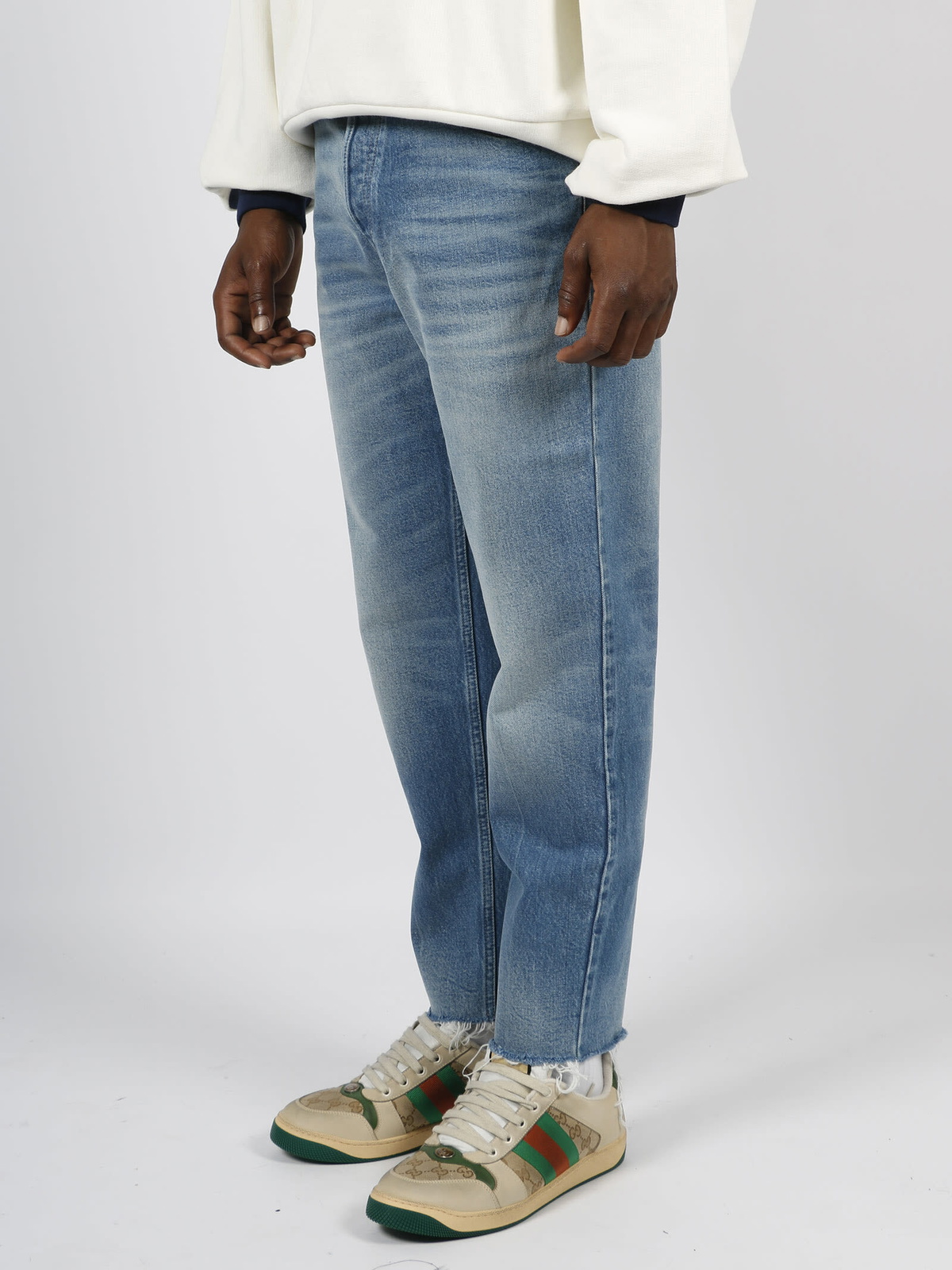
The Gucci grass-stained jeans, officially introduced in the Fall/Winter 2020 collection, represent a deliberate subversion of traditional luxury aesthetics by mimicking the appearance of outdoor wear marked by environmental exposure. Designed as high-fashion statement pieces, these garments utilize specialized distressing techniques to achieve an "ecru washed organic denim" finish with a purposefully treated visual effect that replicates grass stains.
Contents
Origins and Design Philosophy of the Grunge-Inspired Aesthetic
When Gucci, under the creative direction of Alessandro Michele, debuted its Fall/Winter 2020 collection, the inclusion of "eco-washed organic denim" trousers featuring a deliberate grass-stained effect sparked intense public discourse. To understand this garment, one must look at the evolution of high-fashion luxury—a sector that often challenges the traditional boundaries of what constitutes "prestige."
The garment is constructed from 100% organic cotton, produced through farming techniques that avoid the use of synthetic fertilizers or pesticides. The aesthetic intent behind the "staining" is rooted in the concept of "grunge luxury." By applying a treatment to the lower leg area of the wide-leg denim, the design house aimed to evoke a sense of nostalgia for childhood play and outdoor exploration. Rather than viewing the staining as a defect or a sign of poor maintenance, the design asserts that the "lived-in" look is a intentional artistic choice, stripping away the pretension associated with pristine, starch-pressed luxury clothing.
Technical Construction and Material Specifications
The construction of these jeans deviates from standard luxury denim production in several key areas. While most high-end denim focuses on structural integrity and specific deep-indigo washes, these garments focus on textile manipulation to achieve a faded, weathered appearance.
- Fabric Composition: The use of organic cotton is a hallmark of this line, emphasizing environmental consciousness in sourcing.
- Treatment Process: The signature grass-stain effect is achieved through a controlled artisanal application rather than incidental contact with vegetation. This process ensures that the "stain" remains consistent across the product run, preventing the fabric from degrading prematurely as actual chlorophyll or organic matter would cause over time.
- Hardware and Cut: The jeans feature a loose, wide-leg cut, which was a recurring silhouette in Michele’s collections. The hardware, including the branded buttons and rivets, maintains the standard quality control expected from Italian-manufactured luxury goods, contrasting sharply with the distressed fabric panels.
Market Positioning and Consumer Reception
In the luxury market, items that mimic the appearance of disrepair—often referred to as "distressed" or "deconstructed" fashion—frequently serve as catalysts for debate. The introduction of these jeans in 2020 served as a barometer for how far the "anti-fashion" movement could permeate the luxury house ecosystem.
Critics often point to the juxtaposition of the item’s high retail price against the aesthetic of "dirty" workwear as an example of performative poverty or cultural irony. Conversely, proponents view it as a logical progression of streetwear's influence on high fashion, where the value lies in the artistic intent and the brand’s ability to disrupt conventional beauty standards. As of 2026, these pieces are frequently categorized by fashion historians and archivists as a definitive example of early-2020s experimental luxury design.
Comparison of Luxury Denim Approaches
To evaluate the position of the Gucci grass-stained jeans within the broader market, it is helpful to contrast them with other approaches to high-end denim design.
| Feature | Gucci Grass-Stained Denim | Traditional Luxury Denim | Streetwear-Influenced Luxury |
|---|---|---|---|
| Primary Focus | Conceptual Artistry | Durability/Dark Indigo | Trend-Driven Graphic/Shape |
| Treatment | Environmental Simulation | Raw/Dry/Selvedge | Heavy Distressing/Holes |
| Target Aesthetic | Nostalgic/Grunge | Minimalist/Classic | Avant-Garde/Edgy |
| Maintenance | Specialist Cleaning | Minimal Laundering | Variable |
Practical Considerations for Owners
For those who acquired these jeans, maintaining the garment requires a departure from standard denim care protocols. Because the "staining" is a manufactured feature of the textile, improper cleaning can lead to uneven fading or the unintended removal of the effect.
- Professional Assessment: It is recommended to consult with a high-end textile conservator or a luxury-specialist dry cleaner. Attempting to "wash out" the stains using consumer-grade stain removers will likely damage the fabric and destroy the intentional design.
- Storage: Keep the garment away from direct sunlight for extended periods. While the stains are permanent, the organic cotton base material remains susceptible to UV-induced fading, which may alter the intended color contrast between the denim and the green treatment.
- Verification: Buyers in the secondary market should verify the garment's authenticity through the interior care tags and the specific wash code associated with the Fall/Winter 2020 collection. Avoid purchasing from secondary sellers who cannot provide documentation or high-resolution images of the internal label.
Frequently Asked Questions
Are the grass stains on the Gucci jeans real? No. The stains are a permanent design element achieved through a specialized chemical and physical treatment process during manufacturing. They are designed to mimic the appearance of grass stains without the biological degradation that real grass stains would cause to cotton fibers.
Why are these jeans so expensive if they look dirty? The pricing reflects the cost of sourcing organic materials, the labor-intensive artisanal distressing processes, and the brand equity of the design house. In high fashion, value is often derived from creative disruption and the designer's vision rather than the functional utility of the garment's appearance.
Can I wear these for actual outdoor activities? While constructed from durable organic cotton, the garments are intended for fashion purposes. Engaging in rigorous physical activity that results in actual stains will effectively hide the deliberate design elements, defeating the purpose of the item's aesthetic.
Will the stains fade over time? The artificial treatment is designed for longevity, but like any garment, consistent wear and repeated cleaning will cause gradual changes to the texture and color intensity of the fabric.
Where can I find these jeans in 2026? As they were a seasonal collection piece from 2020, they are no longer available via primary Gucci retail channels. They are occasionally found on reputable luxury resale platforms that specialize in archived designer collections.
Next Steps for Collectors and Enthusiasts
If you are interested in the history of this piece, research the full Fall/Winter 2020 runway show to understand how these jeans were styled in the context of the larger collection. For collectors looking to acquire a pair, prioritize authenticated resale platforms that provide item provenance. When evaluating potential purchases, examine the hem and the knee area closely; these areas should show consistent wear patterns consistent with the brand's original specifications for the "ecru washed organic denim" finish.
Image Gallery