Disney Channel Couples: A Comprehensive History of On-Screen and Real-Life Romances
Disney Channel couples comprise the most iconic fictional pairings from original movies and series, such as Troy and Gabriella, alongside the high-profile real-life romances of the network’s stars. These relationships defined the "Disn...
Disney Channel couples comprise the most iconic fictional pairings from original movies and series, such as Troy and Gabriella, alongside the high-profile real-life romances of the network’s stars. These relationships defined the "Disney Channel Era" (roughly 2000–2015), influencing teen culture, music, and the rise of modern fan communities known as "shippers."
Contents
The Cultural Phenomenon of Disney Channel Romances
To understand why Disney Channel couples hold such a significant place in pop culture as of 2026, one must look at the specific ecosystem the network created during the 2000s and early 2010s. This period, often referred to as the "Golden Era" of the Disney Channel, relied on a synergy between television shows, Disney Channel Original Movies (DCOMs), and the music industry. The "couples" generated through these mediums were not merely characters in a story; they were the faces of a global brand.
The appeal of these pairings was rooted in a specific brand of aspirational yet relatable storytelling. Whether it was the "enemies-to-lovers" trope or the "best-friends-turned-romantic-partners" arc, Disney utilized consistent narrative structures that resonated with the demographic of pre-teens and teenagers. In 2026, these couples are viewed through a lens of nostalgia, serving as the foundational romantic archetypes for Gen Z and late Millennials.
Iconic On-Screen Pairings That Defined an Era
The fictional relationships depicted on Disney Channel often spanned multiple seasons or movie sequels, allowing the audience to grow up alongside the characters. This long-form storytelling created an emotional investment that few other networks could replicate.
Troy Bolton and Gabriella Montez (High School Musical)
Perhaps the most influential on-screen couple in the network's history, Troy and Gabriella (portrayed by Zac Efron and Vanessa Hudgens) became the gold standard for the "star-crossed lovers" trope. Their relationship focused on breaking social hierarchies—the "jock" and the "brainiac" finding common ground through music. Their chemistry was a primary driver for the High School Musical franchise's massive commercial success.
Lizzie McGuire and David "Gordo" Gordon (Lizzie McGuire)
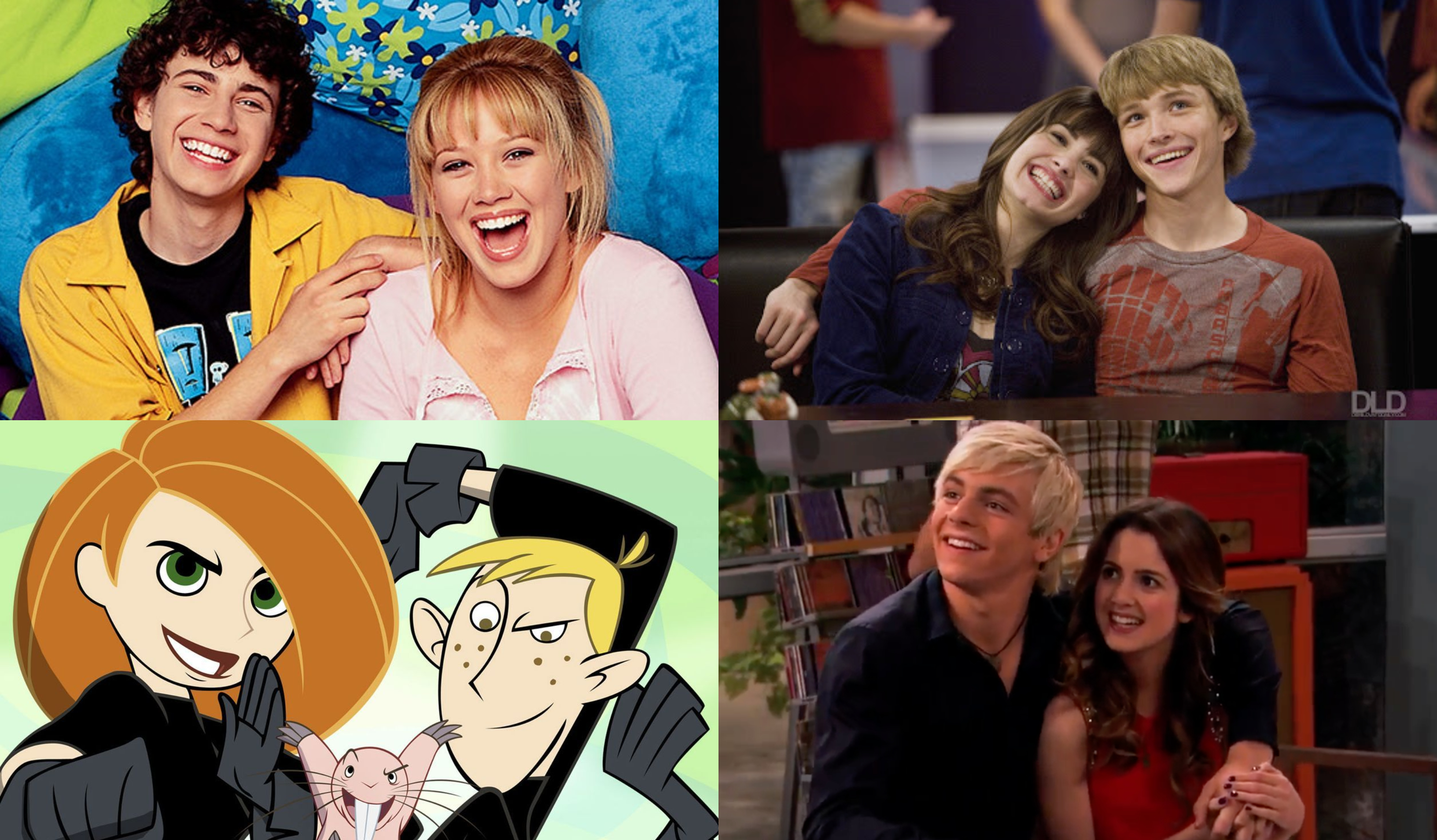
Lizzie and Gordo represented the "slow burn" friendship. For three years, fans watched Gordo harbor a secret crush on Lizzie, culminating in the iconic kiss at the end of The Lizzie McGuire Movie (2003). Their relationship was grounded in loyalty and mutual support, making it one of the most relatable depictions of middle-school romance in the early 2000s.
Kim Possible and Ron Stoppable (Kim Possible)
In the realm of animation, Kim and Ron broke traditional gender roles. Kim was the hyper-competent action hero, while Ron was the clumsy but supportive sidekick. Their transition from best friends to a romantic couple in the movie Kim Possible: So the Drama remains a benchmark for how to successfully execute a "friends-to-lovers" arc in children's programming.
Alex Russo and Mason Greyback (Wizards of Waverly Place)
As the network moved into the late 2000s, supernatural elements became a staple. The relationship between Alex Russo (Selena Gomez) and Mason (Gregg Sulkin), a werewolf, introduced more complex themes of sacrifice and identity. Their dynamic was often turbulent, reflecting the maturing themes of Disney’s programming during that transition period.
The Intersection of Fiction and Reality: Real-Life Disney Romances
The fascination with Disney Channel couples was often amplified when the actors' real-life relationships mirrored their on-screen counterparts. These real-life romances provided endless fodder for teen magazines and early social media platforms.
| Couple Name | Real-Life Actors | Connection Source | Peak Public Interest |
|---|---|---|---|
| "Zanessa" | Zac Efron & Vanessa Hudgens | High School Musical | 2006–2010 |
| "Niley" | Nick Jonas & Miley Cyrus | Disney Channel Tours | 2006–2007 |
| "Jemi" | Joe Jonas & Demi Lovato | Camp Rock | 2010 |
| "Auslly" (On-screen) | Ross Lynch & Laura Marano | Austin & Ally | 2011–2016 |
| Selena & Nick | Nick Jonas & Selena Gomez | Disney Channel Circle of Stars | 2008 |
The Impact of "Zanessa"
Zac Efron and Vanessa Hudgens were the quintessential Disney couple. Their real-life relationship validated the fantasy presented in High School Musical. When they eventually parted ways in 2010, it marked the end of an era for many fans. As of 2026, their legacy remains a case study in how personal branding and professional collaboration can create a cultural juggernaut.
The Jonas Brothers and the "Disney Circle"
The interconnectedness of Disney stars led to a complex web of relationships. The most notable involved the Jonas Brothers. The brief but high-profile relationship between Nick Jonas and Miley Cyrus (and later Selena Gomez) created a narrative that played out through their music. Miley’s "7 Things" and the Jonas Brothers' "Wedding Bells" are historical artifacts of these relationships, illustrating how Disney couples influenced the music industry.
Why Disney Channel Couples Resonate in 2026
The enduring popularity of these couples is not merely an accident of timing; it is the result of several psychological and marketing factors:
- Formative Years Influence: For many viewers, these were the first "romantic" stories they consumed. Psychologically, the media we consume during adolescence leaves a lasting imprint on our perceptions of relationships.
- Safe Exploration of Themes: Disney provided a sanitized version of romance that felt safe for young audiences while still addressing fundamental themes like jealousy, first kisses, and heartbreak.
- Transmedia Storytelling: Fans didn't just see these couples on TV. They saw them in music videos, Radio Disney interviews, and tabloid covers. This 360-degree immersion made the couples feel more tangible.
- The Digital Archive: With the launch and growth of streaming services like Disney+, these shows have been preserved. In 2026, new generations are discovering these pairings, while original fans revisit them for comfort.
Transitions to Mature Careers
A significant aspect of the "Disney Channel couple" narrative is the eventual transition of the actors into mature roles. In 2026, stars like Selena Gomez, Zac Efron, and Miley Cyrus have successfully moved far beyond their Disney origins. However, their history as part of a famous Disney pairing remains a permanent part of their public persona. The "Disney alum" status often carries the baggage of these early romances, which many stars have had to navigate through public statements or creative works later in their careers.
Common Tropes in Disney Channel Relationships
To maintain their broad appeal, Disney writers frequently utilized a set of proven romantic tropes. Recognizing these helps explain why certain couples became more popular than others:
- The Boy Next Door: Characters like Gordo (Lizzie McGuire) or Austin Moon (Austin & Ally) who are initially overlooked but eventually become the primary love interest.
- Opposites Attract: Troy and Gabriella or Sonny and Chad (Sonny with a Chance). This trope creates immediate narrative conflict.
- The Forbidden Love: Often seen in supernatural shows like Wizards of Waverly Place or Phil of the Future, where external circumstances (being from the future or different species) keep the couple apart.
Frequently Asked Questions
Which Disney Channel couple lasted the longest in real life?
While most Disney star romances were relatively short-lived during their teen years, some maintained long-term friendships. In terms of romantic duration during their "Disney years," Zac Efron and Vanessa Hudgens were among the longest, lasting approximately five years (2005–2010). Most other high-profile pairings lasted between six months and two years.
Are any Disney Channel couples still together in 2026?
Most of the iconic "Golden Era" couples from the 2000s have moved on to other partners or are married to people outside of the Disney circle. However, many remain close friends. For example, the cast of High School Musical and Wizards of Waverly Place frequently reunite for events, maintaining the platonic bonds formed during their time as on-screen couples.
Why did Disney encourage its stars to date each other?
While there is no official record that Disney "mandated" dating, the network certainly benefited from the publicity. Having stars date within the "Disney family" kept the media coverage focused on Disney properties and created a sense of a cohesive, magical community that appealed to the target audience.
Who is considered the most popular Disney Channel couple of all time?
Statistically, Troy Bolton and Gabriella Montez hold the top spot based on franchise revenue, chart-topping duets, and cultural longevity. In the animation category, Kim Possible and Ron Stoppable are frequently cited as the most well-written and beloved pairing by critics and fans alike.
How did social media affect Disney couples?
In the early 2000s, fans used message boards and fan-fiction sites. By the early 2010s, platforms like Twitter and Instagram allowed fans to interact with "ship" culture in real-time. This increased the pressure on real-life couples and intensified the backlash when those couples eventually broke up.
Final Recommendation for Fans and Researchers
For those looking to explore the history of Disney Channel couples in 2026, the best approach is to view the content chronologically on Disney+. Start with the early 2000s classics like Lizzie McGuire to see the development of the "best friend" trope, then move to the mid-2000s DCOM era for the height of musical-romance synergy. Analyzing these pairings provides more than just entertainment; it offers a window into the evolution of teen media and the marketing of celebrity culture in the early 21st century.
Image Gallery