Honeymooning in the Caribbean: A Comprehensive Planning Overview
A Caribbean honeymoon offers diverse vacation styles, ranging from luxury private island retreats and eco-adventures to culturally rich coastal towns and seamless all-inclusive resorts. Planning the ideal trip requires evaluating islan...
A Caribbean honeymoon offers diverse vacation styles, ranging from luxury private island retreats and eco-adventures to culturally rich coastal towns and seamless all-inclusive resorts. Planning the ideal trip requires evaluating island personalities, balancing seasonal weather patterns like hurricane season, determining travel budgets, selecting between all-inclusive resorts or boutique accommodations, and managing international entry logistics.
Contents
Matching Your Honeymoon Style to the Ideal Caribbean Island
The Caribbean is not a single uniform destination; it is an archipelago of over 700 islands, islets, and cays, each possessing distinct topographies, cultural influences, and travel ecosystems. Choosing the right island depends heavily on what you prioritize as a couple, whether that is secluded beaches, mountain hiking, high-end culinary experiences, or cost-effective convenience.
Luxury and Seclusion: St. Barthélemy, Anguilla, and Turks & Caicos
Couples seeking privacy, five-star hospitality, and world-class beaches often gravitate toward the northern and eastern Caribbean islands.
- St. Barthélemy (St. Barts): Known for its French influence, high-end shopping in Gustavia, and cliffside luxury villas, St. Barts caters to couples looking for sophistication and privacy. The island emphasizes boutique luxury rather than large mega-resorts.
- Anguilla: Featuring 33 public beaches with powdery white sand, Anguilla offers low-rise luxury resorts, exceptional beachside dining, and a tranquil atmosphere distinct from more commercialized destinations.
- Turks and Caicos: Home to Grace Bay Beach on Providenciales, this territory is renowned for crystal-clear turquoise waters, extensive coral reef systems, and upscale oceanfront resorts ideal for diving and beach relaxation.
Nature and Eco-Adventure: St. Lucia, Dominica, and Puerto Rico
For couples who want to combine beach time with hiking, rainforest exploration, and active excursions, mountainous islands offer dramatic landscapes.
- St. Lucia: Famous for the iconic Pitons—twin volcanic spires rising abruptly from the ocean—St. Lucia features lush rainforests, natural hot springs, and open-air luxury resorts designed to blend into the canopy.
- Dominica: Referred to as the "Nature Island," Dominica is tailored to eco-conscious travelers. It features boiling lakes, waterfalls, oceanic canyoning, and marine sanctuaries rather than traditional sandy beaches.
- Puerto Rico: Offering a blend of rainforest hiking in El Yunque, bioluminescent bay kayaking, and colonial architecture in Old San Juan, Puerto Rico delivers diversity without requiring a passport for U.S. citizens.
Culture, Dining, and Entertainment: Jamaica, Barbados, and Grenada
Islands with deep historical roots, active music scenes, and distinct culinary traditions provide a rich environment for honeymooners who want to explore beyond their resort gates.
- Jamaica: Known for its vibrant music culture, distinct cuisine, and varied terrain ranging from the Blue Mountains to the beaches of Negril and Montego Bay. Jamaica hosts a vast range of high-end couples-only resorts.
- Barbados: Blending British colonial history with Bajan culture, Barbados offers refined dining along its platinum western coast, historical rum distilleries, and active surf beaches on its eastern shore.
- Grenada: Known as the "Spice Isle," Grenada produces nutmeg, cocoa, and cinnamon. It features peaceful beaches like Grand Anse, historic forts, and underwater sculpture parks without heavy cruise crowd congestion.
Accessibility and Value: The Dominican Republic and Mexico’s Riviera Maya
For couples seeking expansive amenities, direct flights, and predictable upfront pricing, regions dominated by all-inclusive resorts offer high value.
- Dominican Republic: Regions like Punta Cana and La Romana feature extensive beachfronts, master-planned resort communities, and world-class golf courses at varied price points.
- Riviera Maya (Mexican Caribbean): Stretching from Cancun down to Tulum, this Caribbean coastline combines high-end resorts with Mayan historical sites, cenote freshwater sinkholes, and vibrant nightlife.
All-Inclusive Resorts vs. Independent Boutique Accommodations
Deciding on accommodation structure is one of the most significant choices in planning a Caribbean honeymoon. Both all-inclusive resorts and boutique properties offer distinct advantages depending on your preferences.
| Feature | All-Inclusive Resorts | Boutique Hotels & Villas |
|---|---|---|
| Upfront Cost Clarity | High (Food, drinks & activities set) | Variable (Pay as you consume) |
| Dining Variety | On-property venues only | Unrestricted local restaurant access |
| Privacy Level | Moderate to low (Larger guest volume) | High (Fewer rooms, private spaces) |
| Cultural Immersion | Limited to resort-curated events | High (Direct interaction with island) |
| On-Site Amenities | Extensive (Water sports, pools, spas) | Curated/Focused (Pool, spa, private) |
The All-Inclusive Model: Convenience and Cost Certainty
All-inclusive resorts bundle accommodations, meals, beverages, non-motorized water sports, and airport transfers into a single prepaid price. This structure eliminates day-to-day budgeting stress during the trip.
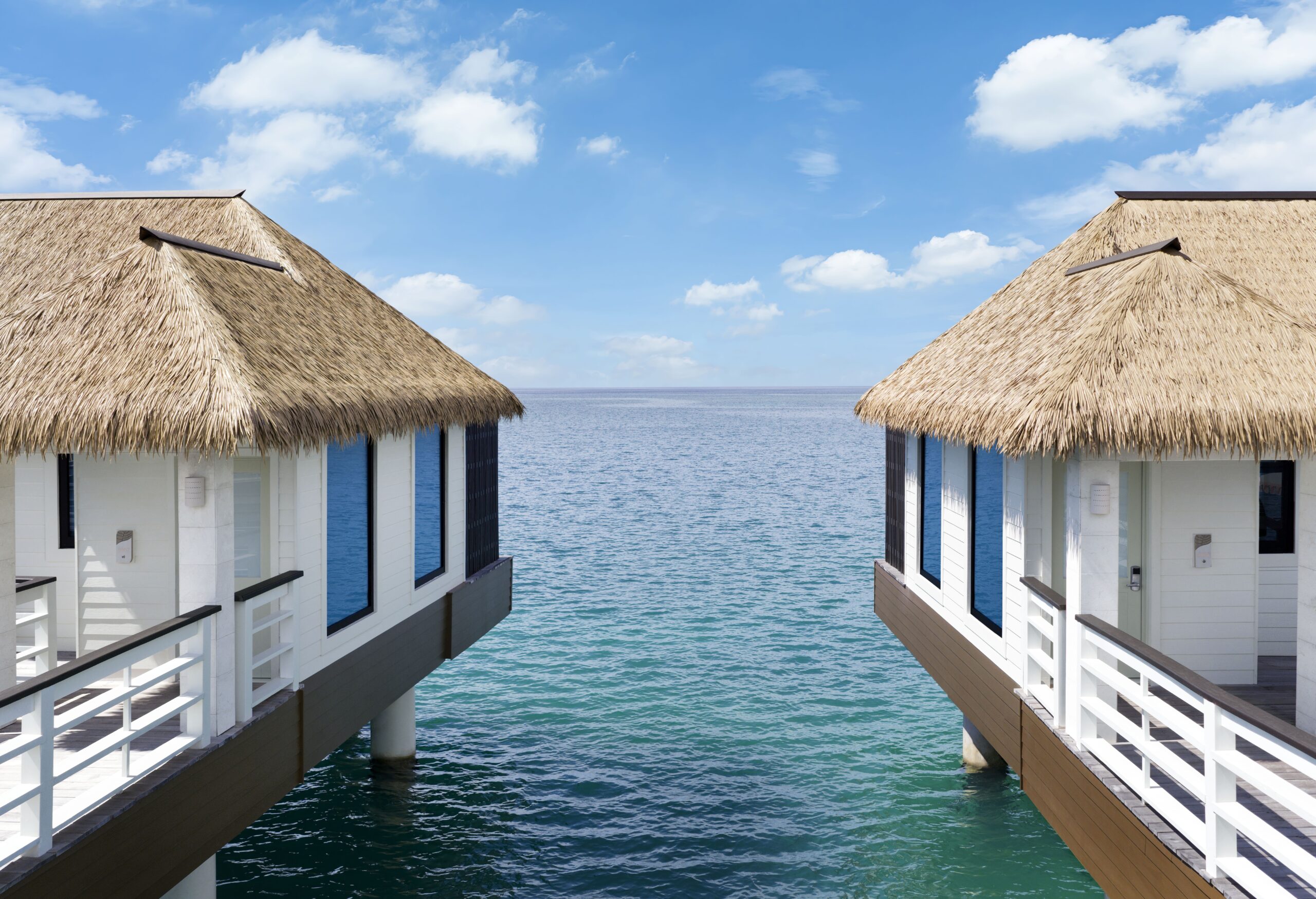
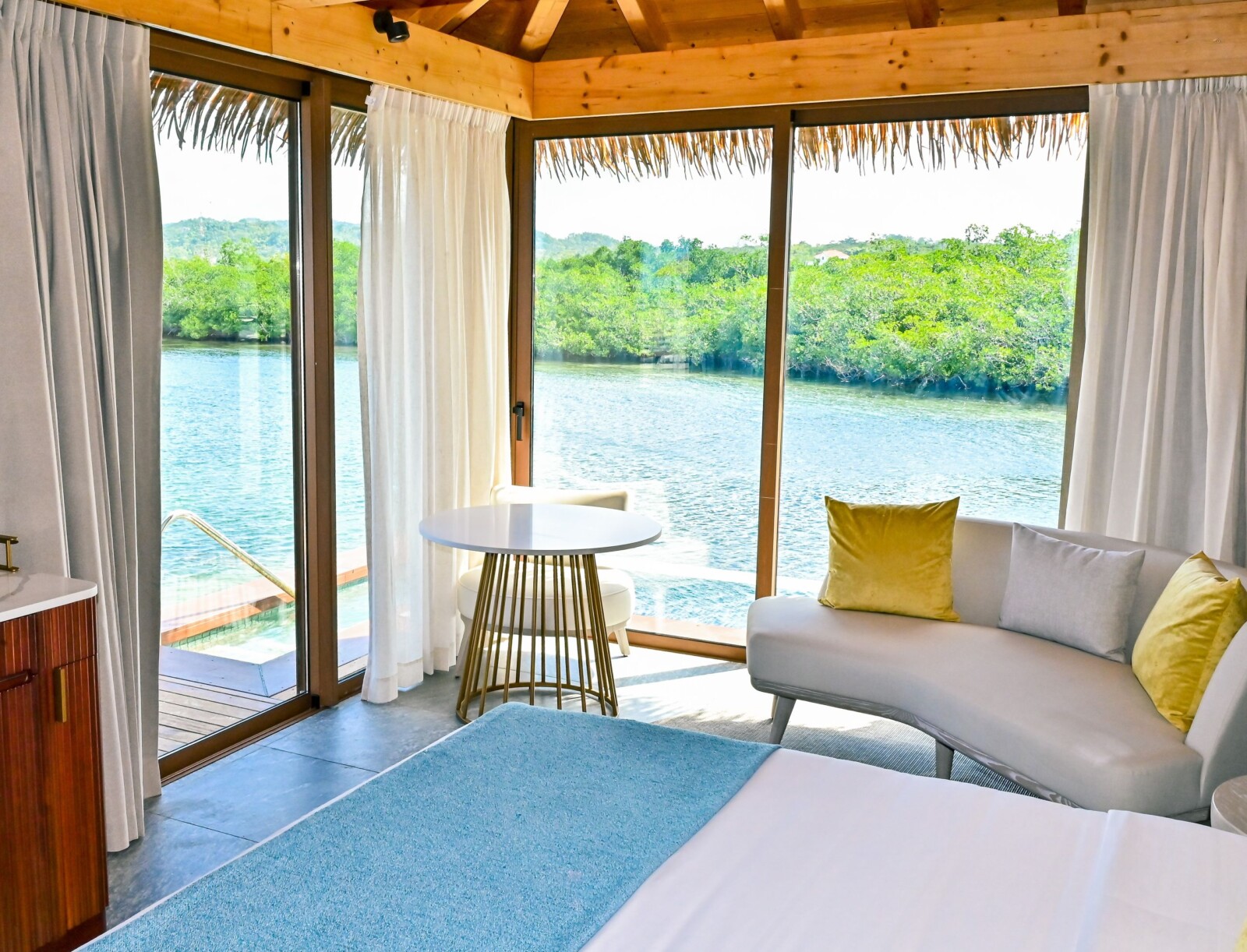
Couples-only brands (such as Sandals or Couples Resorts) structure their properties specifically for privacy, offering private cabanas, romantic dining setups, and adult-only peaceful environments. However, the trade-off can be reduced motivation to explore local off-property restaurants and authentic cultural sites.
Boutique Hotels and Private Villas: Authentic Immersion and Flexibility
Boutique hotels typically range from 10 to 50 rooms, offering personalized service, unique architectural styles, and quieter public spaces. Renting a private villa—popular in islands like St. John, St. Barts, and Barbados—provides total privacy, often coming with private plunge pools and optional chef services.
This model encourages couples to rent a vehicle, dine at local beach shacks or fine-dining establishments, and explore independent tour operators. The primary trade-off is financial unpredictability, as dining out, drinks, and local transport add up quickly.
Weather Patterns, Seasonality, and When to Travel
Understanding Caribbean climate cycles ensures you avoid heavy rainfall while maximizing your budget.
Caribbean Travel Seasons Quick Guide:
- Dec - Apr: High Season: Dry weather, peak rates, higher crowd volume
- May & Nov: Shoulder Season: Good balance of weather, reduced rates, moderate crowds
- Jun - Nov: Hurricane Season: Warm ocean temperatures, higher rainfall risk, maximum savings
High Season (December to April)
The Caribbean peak season brings warm, dry weather with low humidity and minimal rainfall. Temperatures average between 75°F and 85°F (24°C to 29°C). Because this coincides with winter in North America and Europe, demand is at its peak. Expect the highest room rates, mandatory minimum stay requirements over holidays, and crowded beaches.
Shoulder Season (May and November)
The shoulder months offer an ideal compromise between favorable weather and lower prices. May sits right before the rainy season begins, while November marks the end of the Atlantic hurricane season. During these months, resorts frequently offer room upgrades, resort credits, or discounted nightly rates, and popular attractions are less crowded.
Hurricane Season and Low Season (June to October)
The official Atlantic hurricane season runs from June 1 through November 30, with peak activity historically occurring between mid-August and late October.
- Pros: Nightly resort rates can drop by 30% to 50%, and islands are uncrowded.
- Cons: High humidity, frequent tropical showers, and the risk of severe storms or hurricanes disrupting travel itineraries.
If traveling during these months, purchasing comprehensive travel insurance that includes trip cancellation coverage for named storms is essential.
Safe Havens: The Southern Caribbean (ABC Islands)
The islands of Aruba, Bonaire, and Curaçao (the ABC Islands), along with Trinidad and Tobago, are situated in the far Southern Caribbean, just north of the South American coast. These islands sit outside the traditional Atlantic hurricane belt and experience significantly lower annual rainfall, making them safe year-round choices even during peak hurricane months.
Caribbean Honeymoon Destination Comparison
The table below breaks down popular Caribbean destinations across primary travel styles, budget expectations, hurricane risk, and flight accessibility.
| Destination | Primary Vibe / Style | Estimated Nightly Rate Tier (USD) | Hurricane Risk Level (Jun–Nov) | Accessibility & Direct Flights |
|---|---|---|---|---|
| St. Lucia | Eco-Luxury & Romance | High ($500 - $1,500+) | Moderate | Direct flights from major US hubs (UVF) |
| Turks & Caicos | Beach Relaxation & Diving | High ($600 - $1,800+) | Moderate | Direct flights from Eastern US (PLS) |
| St. Barts | High-End Glamour & Dining | Premium ($800 - $2,500+) | Moderate | Requires ferry or small flight via St. Maarten |
| Dominican Republic | All-Inclusive Convenience | Moderate ($250 - $600) | Moderate | Excellent direct connectivity (PUJ, SDQ) |
| Aruba | Arid Beaches & Nightlife | Moderate to High ($350 - $800) | Very Low (Outside hurricane belt) | Direct flights from major US cities (AUA) |
| Jamaica | Culture, Music & All-Inclusive | Moderate to High ($300 - $900) | Moderate | Direct flights to Montego Bay (MBJ) & Kingston |
| Puerto Rico | Culture, History & Nature | Budget to High ($200 - $700) | Moderate | Direct flights to San Juan (SJU); No passport for US citizens |
| Anguilla | Secluded Luxury Beaches | High to Premium ($700 - $2,000+) | Moderate | Direct flights from Miami or ferry from St. Martin |
Essential Travel Logistics, Documentation, and Financial Planning
Proper logistical planning prevents costly delays and entry complications at international borders.
Entry Requirements and Passports
- Passport Validity: Most Caribbean nations require a passport valid for at least six months beyond your planned departure date, along with proof of an onward or return flight ticket.
- U.S. Territories: U.S. citizens do not require a passport to travel to Puerto Rico or the U.S. Virgin Islands (St. Thomas, St. John, St. Croix), though a REAL ID-compliant state driver's license or photo ID is required for domestic air travel.
- Visas and Entry Cards: Most Western tourists do not require advance visas for short tourist stays in Caribbean countries, but several islands require digital immigration cards or visitor fee forms filled out within 48 to 72 hours prior to arrival (such as the ED Card for Aruba or the Dominican Republic E-Ticket). Check official government portals like the U.S. Department of State Travel Advisories before departure.
Financial Budgeting and Hidden Costs
When constructing your honeymoon budget, account for costs beyond base room rates and flights:
- Resort Fees and Taxes: Many Caribbean resorts charge daily facility fees (ranging from $30 to $100+ per night) plus local government tax and service charges (which can add 15% to 28% to the room total).
- Local Transportation: Taxis on smaller islands can be expensive and often operate strictly on cash-only policies. Renting a vehicle offers flexibility, but be aware that islands like St. Lucia, Barbados, and Jamaica drive on the left side of the road.
- Dining and Tipping: Off-resort dining on imported-goods islands (like St. Barts or Anguilla) carries high price tags. Check whether a 10% to 15% service charge is automatically added to restaurant bills before adding extra tips.
Travel Insurance and Flight Considerations
For Caribbean travel, travel insurance is highly recommended. Ensure your policy includes:
- Trip Cancellation/Interruption Coverage: Covers non-refundable expenses if named storms, severe weather, or personal emergencies force you to cancel.
- Medical Evacuation: Necessary when visiting remote or smaller islands with limited hospital facilities.
- Flight Delays: Protects against missed connections, particularly when traveling on multi-leg flights or connecting via island-hopper ferries.
Practical Step-by-Step Honeymoon Planning Timeline
Following a structured timeline ensures you secure preferred accommodations and avoid last-minute pricing spikes.
Planning Timeline Checklist:
- 9-12 Months Out: Determine budget, pick island style, check passport expiration.
- 6-8 Months Out: Book flights, reserve resort/villa, purchase travel insurance.
- 2-4 Months Out: Reserve spa treatments, excursions, and specialty dining.
- 2 Weeks Out: Complete digital customs cards, confirm transfers, pack essentials.
9 to 12 Months Before Departure
- Discuss overall travel preferences, desired activity levels, and strict budget ceilings with your partner.
- Select your target island and check passport expiration dates for both travelers to ensure they meet the 6-month validity rule.
- Research flight routes to determine whether your target island requires multiple connections or overnight layovers.
6 to 8 Months Before Departure
- Book international airfare and lock in resort rooms or villa rentals. Peak season inventory (December–April) often sells out up to a year in advance.
- Purchase comprehensive travel insurance to cover your financial investment.
- Apply for global trusted-traveler programs (such as TSA PreCheck or Global Entry) to speed up airport navigation.
2 to 4 Months Before Departure
- Book popular off-resort excursions (such as catamarans, scuba diving trips, or guided rainforest hikes).
- Make dinner reservations for high-demand, fine-dining restaurants.
- Arrange ground transfers between the arrival airport and your resort or villa.
2 Weeks Before Departure
- Complete online entry/customs forms required by the destination island's government.
- Notify credit card issuers of upcoming foreign travel to avoid transaction blocks.
- Gather foreign currency if visiting an island where local cash is preferred over U.S. Dollars (though USD is widely accepted across most tourist-heavy Caribbean regions).
Frequently Asked Questions
Which Caribbean island is best for a honeymoon on a budget?
The Dominican Republic, Jamaica, and Puerto Rico offer the best value for budget-conscious honeymooners. The Dominican Republic features numerous competitive all-inclusive options, Puerto Rico eliminates passport and international flight surcharges for U.S. travelers, and Jamaica provides a wide range of accommodation price tiers alongside affordable local dining options.
Is travel insurance necessary for a Caribbean honeymoon?
Yes, travel insurance is highly recommended. It protects your investment against flight delays, medical emergencies, lost baggage, and unpredictable weather disruptions, particularly if you are traveling during Atlantic hurricane season between June and November.
Do we need a car rental for a Caribbean honeymoon?
It depends on your destination and accommodation choice. If staying at an all-inclusive resort in Punta Cana or Montego Bay, private airport shuttles and organized tours eliminate the need for a rental car. However, if staying in a private villa or boutique resort on islands like St. John, Aruba, Puerto Rico, or St. Barts, renting a vehicle is essential for accessing remote beaches, grocery stores, and independent restaurants.
Which Caribbean islands sit outside the hurricane belt?
Aruba, Bonaire, and Curaçao (the ABC Islands), along with Trinidad and Tobago, sit in the Southern Caribbean below the traditional Atlantic storm track. They experience very low hurricane risk year-round, making them ideal destinations for summer and autumn honeymoons.
Next Steps for Planning Your Caribbean Honeymoon
To turn your honeymoon vision into a stress-free trip, follow these immediate next steps:
- Establish your priority axis: Decide whether your primary focus is effortless relaxation (all-inclusive), culinary and beach luxury (boutique/villa), or active natural exploration (eco-adventure).
- Review seasonal alignment: Compare your wedding date against Caribbean weather patterns. If marrying between August and October, prioritize the Southern Caribbean ABC islands or confirm comprehensive travel insurance coverage.
- Audit documentation: Check both of your passports immediately to confirm they remain valid for at least six months beyond your intended return date, leaving ample time for renewals if necessary.
Image Gallery