Microplastics Found in Brains: Understanding the Health Implications and Exposure Risks
Recent scientific evidence confirms that microplastics and nanoplastics have successfully breached the human blood-brain barrier, accumulating in neural tissues at significant levels. These synthetic fragments, often smaller than 5 mic...
Recent scientific evidence confirms that microplastics and nanoplastics have successfully breached the human blood-brain barrier, accumulating in neural tissues at significant levels. These synthetic fragments, often smaller than 5 micrometers, are linked to increased oxidative stress and potential neurodegenerative risks, necessitating urgent changes in global plastic consumption and personal exposure habits.
Contents
The Evolution of Microplastic Detection in Human Tissue
While the presence of microplastics in the human bloodstream, lungs, and placenta has been documented for years, the discovery of these particles within the human brain represents a watershed moment in environmental toxicology. As of 2026, researchers have refined their detection methods, moving from basic microscopy to advanced Pyrolysis-Gas Chromatography/Mass Spectrometry (Py-GC/MS), which allows for the quantification of specific polymer types by mass.
A landmark study published in Toxicological Sciences by researchers at the University of New Mexico initially sounded the alarm by analyzing 91 brain samples from the Office of the Medical Investigator. The findings were startling: brain tissue contained significantly higher concentrations of microplastics than the liver or kidneys. Even more concerning was the longitudinal data showing that brain samples from 2024 contained roughly 50% more plastic than those collected in 2016. This suggests that as global plastic production continues to rise, our internal "plastic load" is accelerating at a corresponding pace.
The brain is uniquely vulnerable because it is an organ with high fat content and high blood flow. Many plastics are lipophilic (fat-loving), meaning they naturally migrate toward and settle in fatty tissues. Once these particles cross the protective blood-brain barrier, the body has no established biological mechanism to break them down or export them, leading to lifelong bioaccumulation.
Common Polymers Identified in Neural Tissues
The "plasticization" of the human brain is not caused by a single material but by a cocktail of various synthetic polymers. The chemical signature of these fragments provides a direct link to the consumer products we use daily.
| Polymer Type | Primary Consumer Sources | Prevalence in Brain Tissue |
|---|---|---|
| Polyethylene (PE) | Plastic bags, milk jugs, food wrap, detergent bottles | Found in nearly 70% of analyzed samples |
| Polyvinyl Chloride (PVC) | Piping, medical tubing, synthetic leather, flooring | Moderate; linked to high-impact industrial exposure |
| Polypropylene (PP) | Yogurt containers, bottle caps, automotive parts | High; ubiquitous in food packaging |
| Polystyrene (PS) | Styrofoam, disposable cutlery, insulation | Emerging concern due to nanoplastic degradation |
| Nylon (Polyamide) | Synthetic clothing, fishing nets, kitchen utensils | Frequent; primarily introduced via inhalation of microfibers |
The dominance of Polyethylene is particularly concerning. As the most widely produced plastic in the world, its presence in the brain reflects a global failure to contain the lifecycle of single-use packaging. These polymers do not enter the brain as large shards; they are often weathered down into nanoplastics—particles smaller than 1,000 nanometers—which are small enough to enter individual neurons and disrupt cellular machinery.
How Microplastics Breach the Blood-Brain Barrier
The blood-brain barrier (BBB) is a highly selective semi-permeable border of endothelial cells that prevents solutes in the circulating blood from non-selectively crossing into the central nervous system. For decades, it was believed that the BBB was largely impenetrable to foreign particulate matter. However, recent research has identified three primary pathways through which microplastics and nanoplastics bypass this defense:
1. The Olfactory Pathway
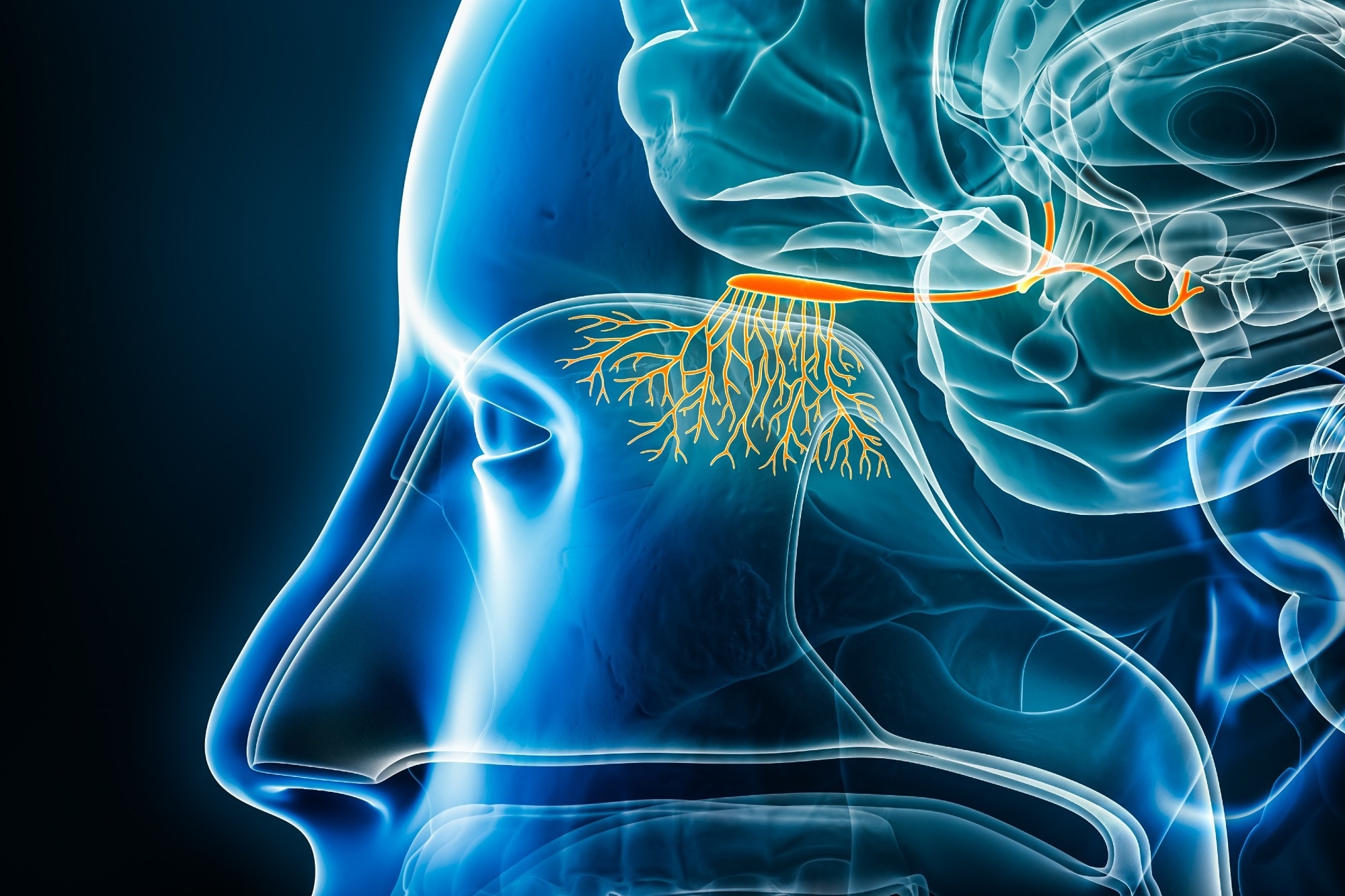
Inhaled microplastics, especially those in the form of airborne synthetic fibers or tire wear particles, can settle in the nasal cavity. Research suggests that nanoplastics can travel along the olfactory nerve, bypassing the circulatory system entirely and moving directly from the nose to the olfactory bulb in the brain. This pathway is particularly relevant for individuals living in urban environments with high levels of atmospheric microplastics.
2. The Trojan Horse Mechanism
Once microplastics enter the bloodstream—either through the gut or the lungs—they quickly become coated with biological molecules, including proteins and lipids. This coating is known as a "protein corona." By mimicking natural biological structures, these plastic particles can essentially "trick" the transport proteins in the blood-brain barrier into allowing them passage, similar to a Trojan Horse entering a city.
3. Paracellular Transport via Inflammation
Chronic exposure to microplastics can trigger systemic inflammation. As inflammatory markers increase, the "tight junctions" of the blood-brain barrier can become compromised or "leaky." This increased permeability allows larger particles that would normally be excluded to slip into the brain parenchyma, where they can trigger further localized immune responses.
Long-Term Health Implications: Neurodegeneration and Inflammation
The presence of plastic in the brain is not merely an inert occurrence; it is a catalyst for biological dysfunction. As we move through 2026, clinical observations and longitudinal studies are increasingly linking high plastic loads to specific neurological outcomes.
Oxidative Stress and Mitochondrial Dysfunction Nanoplastics have been shown to interact with the mitochondria—the powerhouses of the cell. By disrupting the electron transport chain, these particles induce the production of reactive oxygen species (ROS). Over time, this oxidative stress damages DNA and proteins within the brain, a hallmark of aging and cognitive decline.
Protein Misfolding and Alzheimer’s Disease One of the most alarming areas of current research is the interaction between microplastics and proteins like beta-amyloid and tau. Preliminary studies suggest that the surface of plastic particles can act as a scaffold, encouraging these proteins to misfold and clump together into the plaques and tangles associated with Alzheimer’s Disease and other dementias.
Microglial Activation The brain’s resident immune cells, known as microglia, treat microplastics as foreign invaders. Because the microglia cannot "digest" the plastic, they remain in a state of chronic activation, constantly secreting pro-inflammatory cytokines. This chronic neuroinflammation is believed to accelerate the progression of neurodegenerative conditions and may contribute to "brain fog" and mood disorders in younger populations.
Strategies to Reduce Personal Exposure
While it is currently impossible to avoid microplastics entirely in the modern world, individuals can take evidence-based steps to reduce their total body burden. Reducing the "influx" of plastic gives the body's natural filtration systems (like the lymphatic and glymphatic systems) a better chance to manage existing loads.
- Filter Your Water: Use high-quality water filtration systems certified to remove sub-micron particles. Bottled water has been found to contain up to 240,000 plastic fragments per liter; switching to filtered tap water in glass or stainless steel containers is the single most effective change an individual can make.
- Avoid Heating Plastic: Never microwave food in plastic containers, even those labeled "microwave safe." Heat accelerates the leaching of both microplastics and chemical additives like phthalates and bisphenols (BPA) into your food.
- Choose Natural Fibers: Synthetic clothing (polyester, acrylic, nylon) sheds millions of microfibers during wear and washing. Opting for natural fibers like cotton, wool, or linen reduces the inhalation of airborne microplastics in the home.
- Improve Indoor Air Quality: Use HEPA air purifiers to capture airborne synthetic fibers. Regular vacuuming with a HEPA-filter vacuum and wet-mopping can prevent the accumulation of plastic-laden dust.
- Re-evaluate Seafood Consumption: Microplastics bioaccumulate in marine life. Reducing the intake of filter-feeding organisms like mussels and clams, which are often consumed whole (including their digestive tracts), can lower dietary exposure.
The Regulatory Landscape and Future Outlook
By 2026, the global response to the microplastic crisis has begun to shift from observation to regulation. Following the 2024 mandates of the UN Global Plastic Treaty, many nations have started implementing bans on the most "leaky" forms of plastic, such as expanded polystyrene (Styrofoam) and certain micro-beads in cosmetics.
However, the "legacy plastic" already in our oceans and soil will continue to break down into smaller and smaller fragments for centuries. This means that even if all plastic production ceased today, the concentration of nanoplastics in our environment—and our brains—would likely continue to rise for the foreseeable future.
The medical community is now focusing on nanomedicine and potential "detoxification" protocols. While no proven clinical method exists to "flush" plastic from the brain in 2026, research into enhancing the glymphatic system—the brain's waste clearance pathway that operates primarily during deep sleep—is a primary area of interest. Maintaining rigorous sleep hygiene may be one of the few natural defenses we have against the accumulation of neural contaminants.
Frequently Asked Questions
Can microplastics be detected in a living person's brain? Currently, most data comes from post-mortem tissue analysis because detecting such microscopic particles in a living brain requires invasive biopsies. However, researchers are developing specialized PET scans and advanced MRI sequences that may soon be able to identify "hotspots" of synthetic accumulation in living patients.
Are children at higher risk for microplastics in the brain? Yes. Children's brains are still developing, and their blood-brain barriers are more permeable than those of adults. Furthermore, infants are often exposed to high levels of microplastics through plastic bottles, pacifiers, and synthetic carpets, leading to a higher proportional "plastic load" relative to their body mass.
Does every water filter remove microplastics? Not all filters are equal. Standard carbon pitchers may improve taste but often fail to catch nanoplastics. To effectively remove the smallest particles, look for filters utilizing Reverse Osmosis (RO) or those with a pore size of 0.1 microns or smaller.
Is it possible to "detox" microplastics from the brain? There is currently no medically validated "detox" supplement or procedure for removing microplastics from brain tissue. The best approach is prevention—reducing exposure to limit further accumulation—and supporting the brain's natural glymphatic clearance through adequate sleep, hydration, and exercise.
Which foods have the highest microplastic concentrations? Processed foods, seafood (specifically shellfish), and salts have historically shown high concentrations. However, recent studies suggest that even fruits and vegetables can take up nanoplastics from contaminated soil and water through their root systems, highlighting the need for systemic environmental cleanup.
Practical Recommendation
To protect your neurological health, prioritize the "Glass and Gas" rule: transition your food storage and drinking vessels to glass or stainless steel, and focus on the gaseous environment by ensuring high-quality air filtration in your home and office. Reducing the volume of plastic entering your body today is the most effective way to mitigate the long-term risks of neuroinflammation and cognitive decline.
Image Gallery