Why Kimberly Guilfoyle and Don Jr Remain a Media Fixture
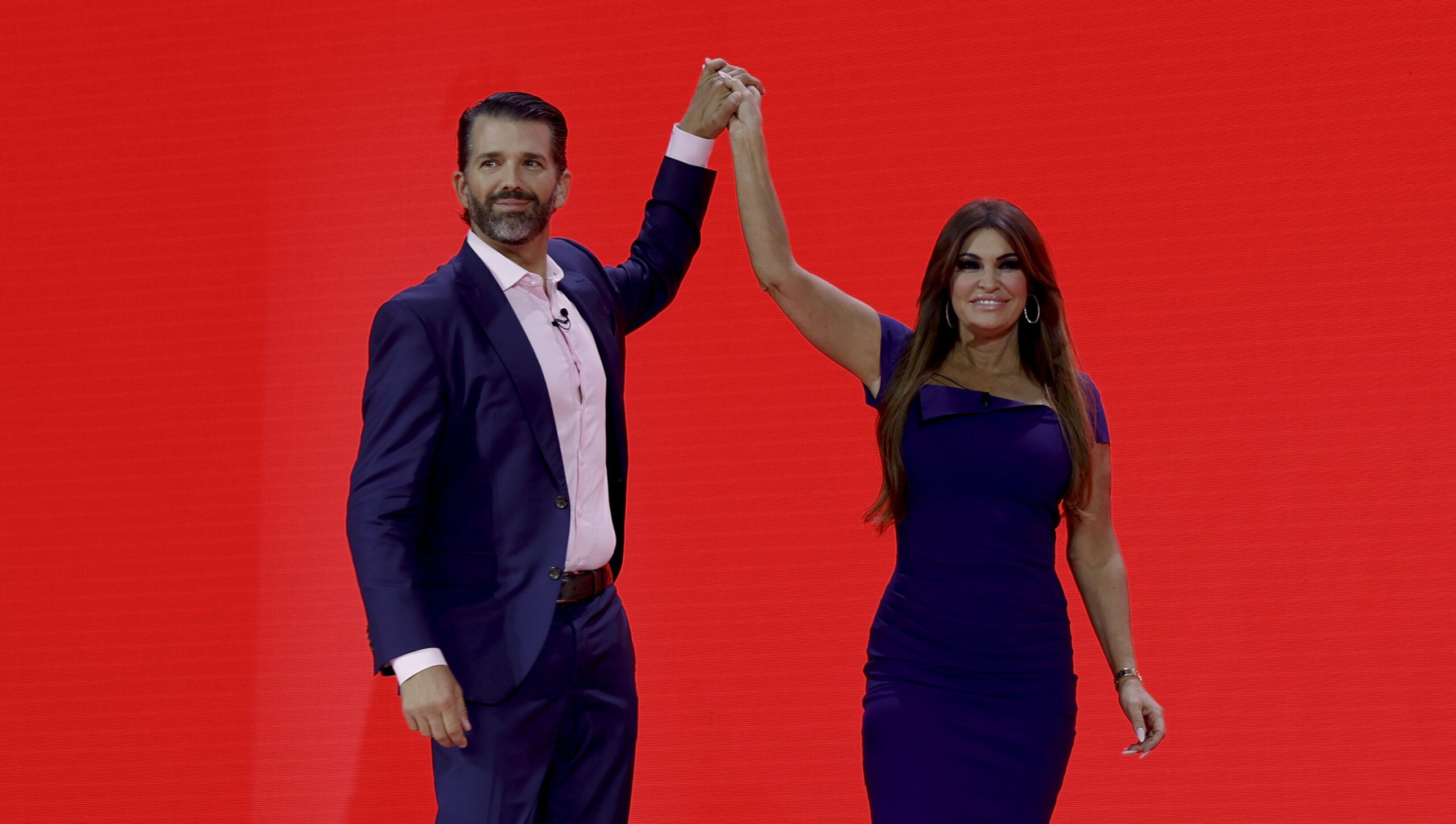
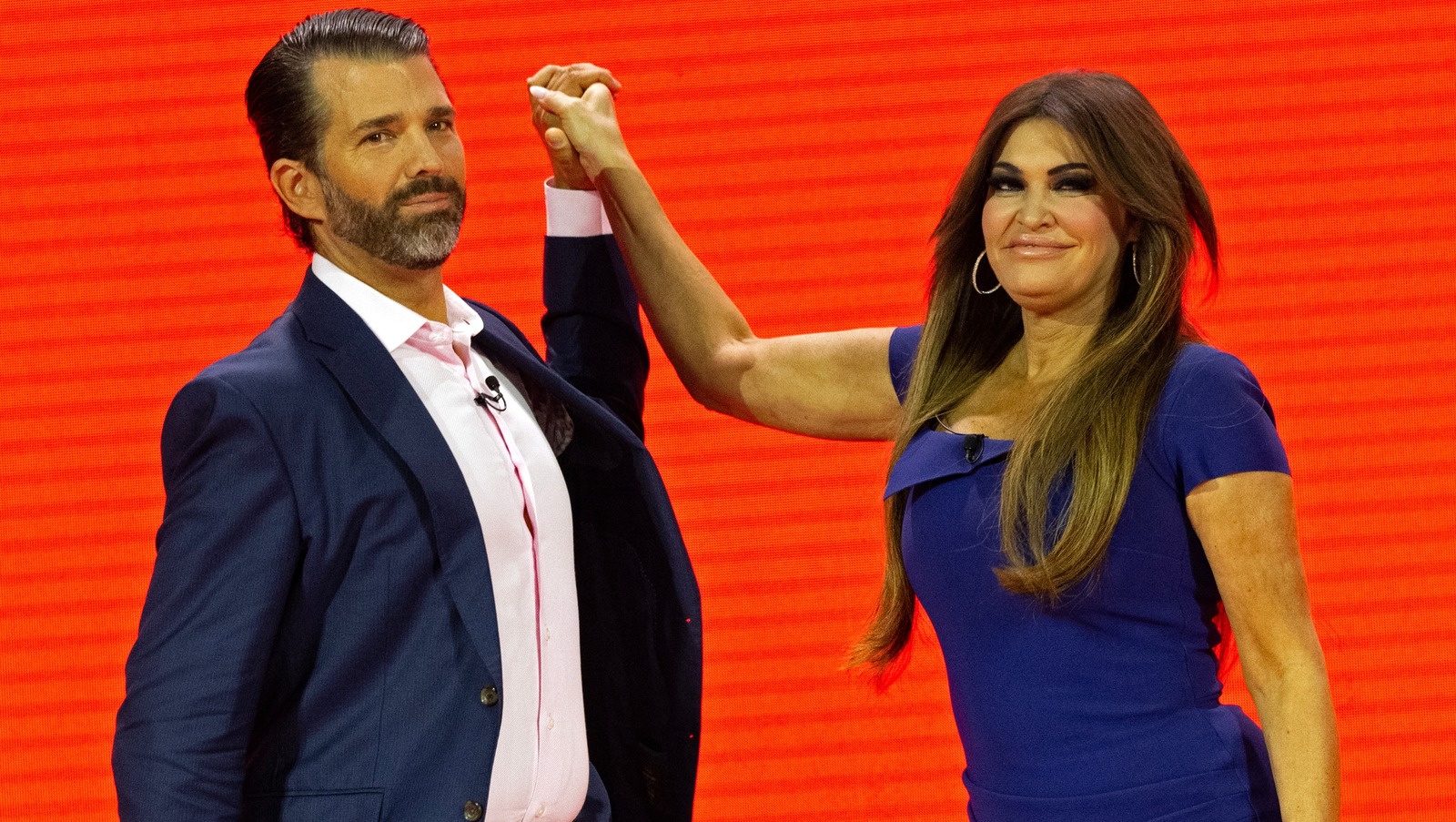
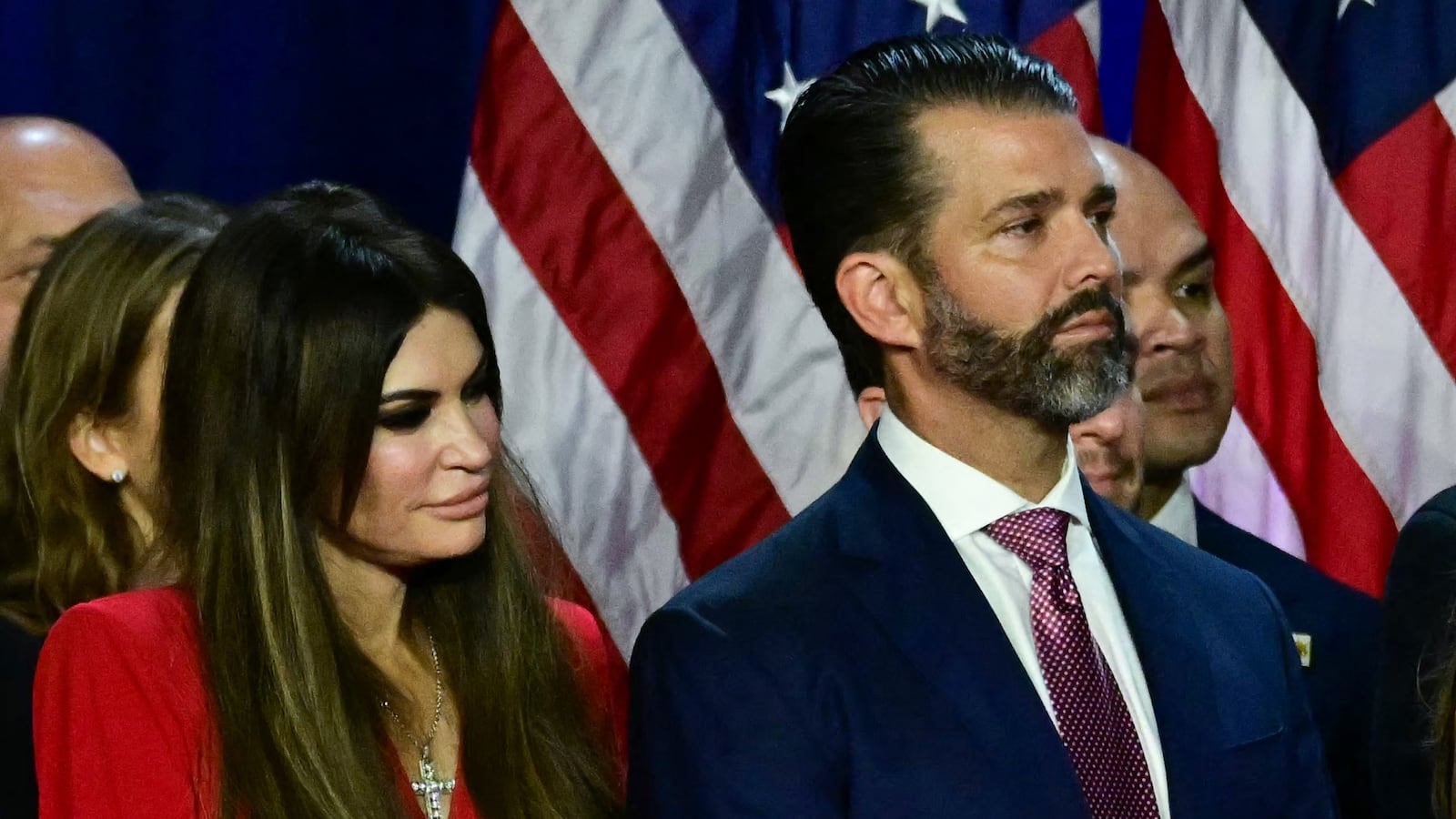
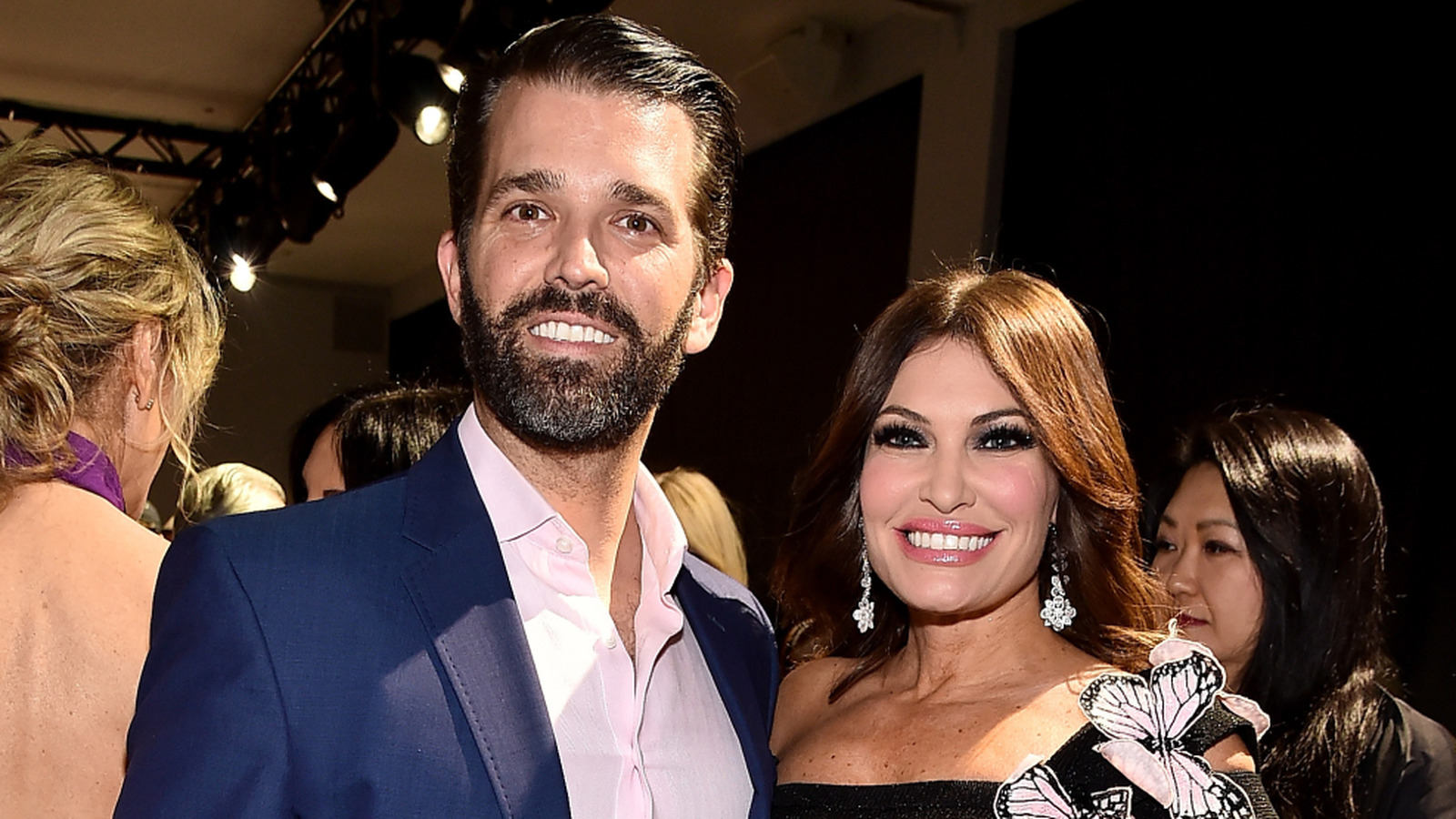
Kimberly Guilfoyle and Donald Trump Jr. remain perennial media fixtures due to their high-profile positioning at the intersection of modern conservative politics, entertainment culture, and high-society media narratives. Their sustaine...
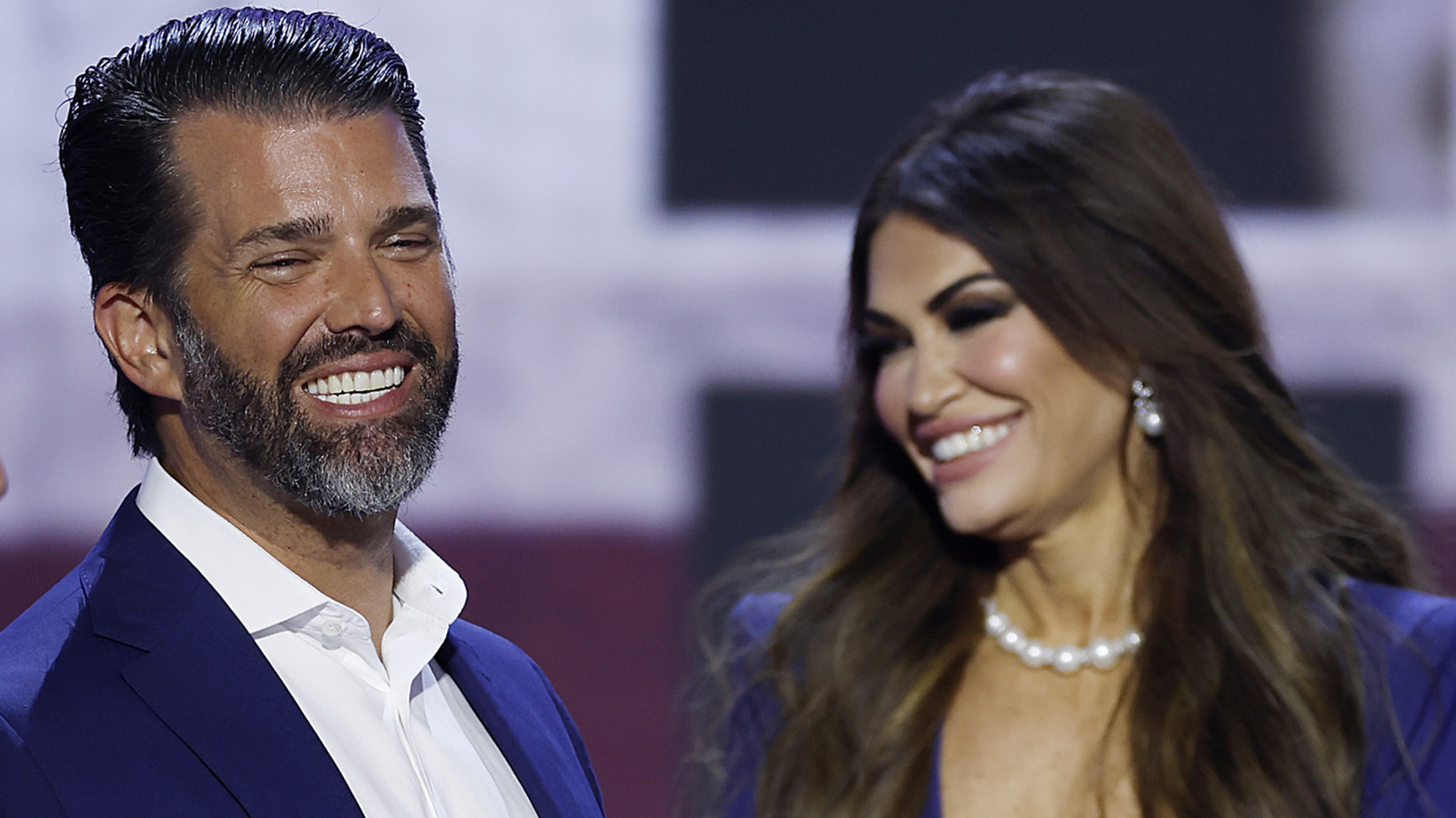
Kimberly Guilfoyle and Donald Trump Jr. remain perennial media fixtures due to their high-profile positioning at the intersection of modern conservative politics, entertainment culture, and high-society media narratives. Their sustained presence in the public eye is driven by active political mobilization, strategic personal branding, high-visibility media engagements, and their continuous association with the broader Trump family political ecosystem.
Contents
The persistence of public figures in the media spotlight rarely happens by accident. In the case of Kimberly Guilfoyle and Donald Trump Jr., their ongoing relevance to news outlets, digital platforms, and political commentators is sustained by a combination of media strategy, ideological alignment, and cultural fascination. Understanding why they continue to capture headlines requires examining the mechanics of modern political media, the evolution of campaign culture, and how high-profile figures leverage digital platforms to maintain influence.
The Intersection of Politics and Entertainment in Modern Media
Modern political coverage has increasingly adopted the characteristics of entertainment media. Personalities who can command attention through high-energy public speaking, television appearances, and provocative commentary naturally draw sustained interest from news outlets across the political spectrum.
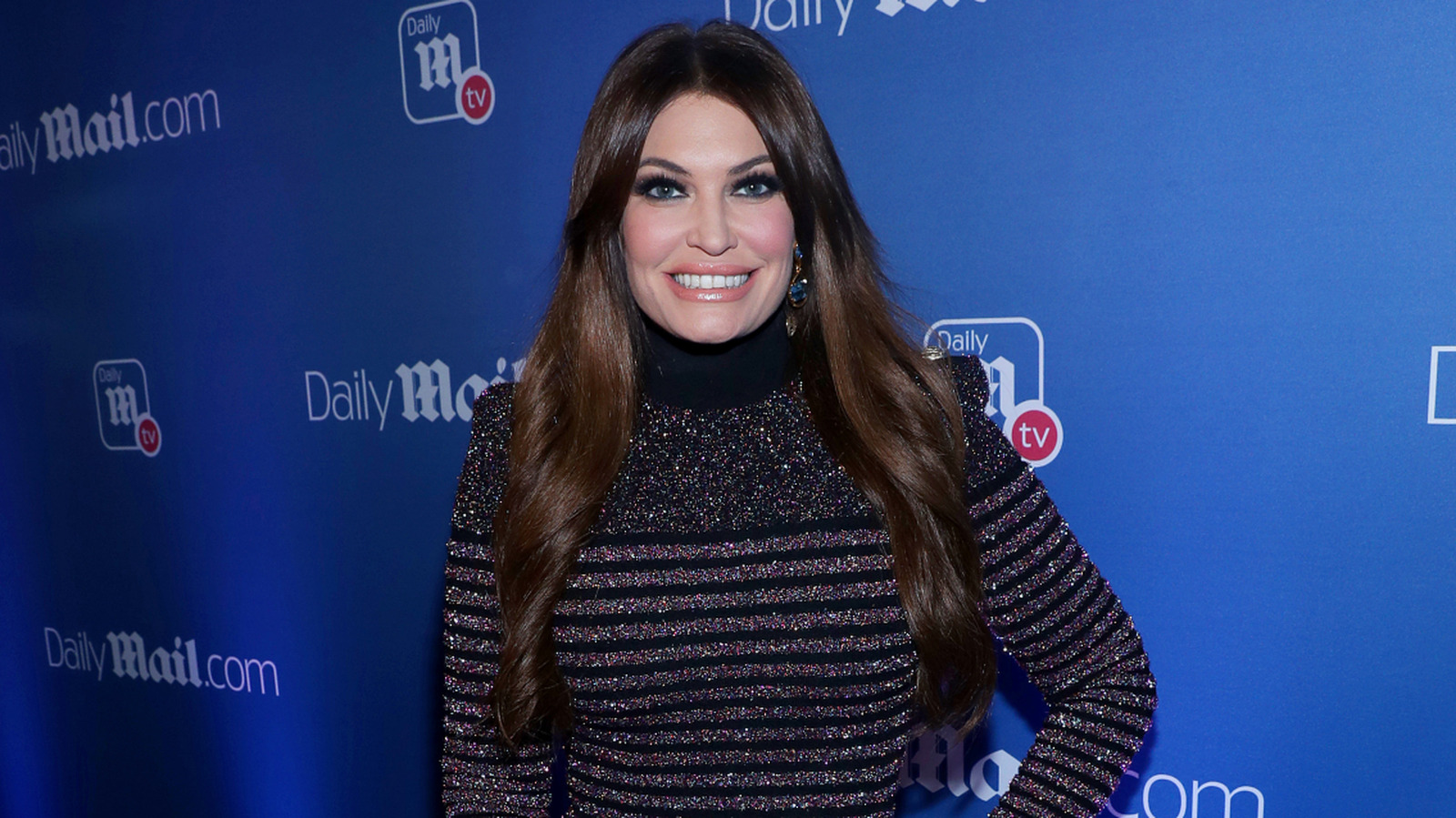
Guilfoyle, a former television news anchor and prosecutor, combined her broadcast background with aggressive political advocacy, making her a distinct presence on the campaign trail. Trump Jr. has similarly cultivated a persona that bridges corporate entrepreneurship, outdoor lifestyle branding, and populist political commentary.
- Broadcast Backgrounds: Experience in television news provides an innate understanding of pacing, visual presentation, and soundbite culture.
- Direct-to-Consumer Digital Reach: Bypassing traditional media gatekeepers through podcasts, social media live streams, and independent video platforms ensures continuous audience engagement.
- Cultural Positioning: Aligning political commentary with broader cultural debates—such as media bias, free speech, and traditional values—broadens their appeal beyond traditional policy discussions.
Strategic Deployment on the Campaign Trail and Beyond
Political campaigns rely heavily on surrogates who can energize base voters, raise funds, and draw media coverage to specific events. Guilfoyle and Trump Jr. have historically functioned as marquee surrogates for conservative political movements, particularly within the Make America Great Again (MAGA) infrastructure.
Their active participation in rallies, fundraising circuits, and conservative conventions ensures that they remain central to news cycles. When political figures maintain an aggressive schedule of public appearances, media organizations find it commercially viable to cover their movements, statements, and personal milestones.
| Surrogate Function | Primary Objective | Media Impact |
|---|---|---|
| Rally Speaking | Energize live audiences and drive local news coverage | High broadcast visibility and social media clips |
| Fundraising Events | Secure high-dollar and grassroots financial support | Industry reporting and financial tracking coverage |
| Media Interviews | Shape political narratives and respond to critics | National headlines and cross-platform debate |
Digital Media Ecosystem and Independent Platforms
The proliferation of digital media has fundamentally changed how political figures maintain relevance. Rather than depending exclusively on traditional print journalism or cable news broadcasts, Guilfoyle and Trump Jr. utilize digital ecosystems to dictate their own news cycles.
Podcasts, video-sharing platforms, and social media channels allow them to communicate directly with millions of followers without editorial filtration. This direct connection creates a feedback loop: statements made on digital platforms frequently generate viral moments that are subsequently picked up by mainstream news outlets, ensuring continuous coverage across both alternative and legacy media.
Furthermore, monetization models on digital platforms reward engagement, controversy, and high-frequency posting. This economic incentive structure encourages active public profiling, keeping both figures anchored firmly in the daily news flow.
Public Fascination and High-Society Coverage
Beyond strictly political reporting, Guilfoyle and Trump Jr. occupy a unique space in celebrity and tabloid journalism. Their high-profile relationship, engagement milestones, fashion choices, and social circle attract attention from lifestyle publications and entertainment media.
This crossover appeal bridges two distinct reader bases: those who follow hard news and political strategy, and those who consume celebrity culture and elite social reporting. When political figures intersect with high-society lifestyle coverage, their staying power in the media increases exponentially, as they appeal to algorithms and audiences far beyond dedicated political junkies.
Criticisms, Controversies, and the Attention Economy
Media fixtures are frequently sustained not only by supportive coverage but also by intense public scrutiny and opposition. In the attention economy, negative press, institutional criticism, and public controversy can generate just as much visibility as positive acclaim.
Critics often point to their rhetoric, political influence, and use of public platforms as divisive. However, within the modern media landscape, controversy often acts as a propellant for visibility. Outlets covering opposing viewpoints analyze their statements extensively, which paradoxically reinforces their status as central figures in ongoing political debates.
Frequently Asked Questions
What is Kimberly Guilfoyle's professional background before politics?
Before entering prominent political advisory and campaigning roles, Kimberly Guilfoyle worked as a prosecutor in San Francisco and Los Angeles. She subsequently transitioned into television journalism, serving as an anchor and legal analyst for Court TV and Fox News, where she co-hosted The Five.
How does Donald Trump Jr. maintain his media presence?
Donald Trump Jr. maintains his visibility through a combination of active political campaigning, writing best-selling books, hosting popular podcasts and digital video shows, and maintaining a high-volume presence on social media platforms where he comments on current events and cultural issues.
Why do political surrogates receive so much media attention?
Surrogates allow political movements to project multiple voices simultaneously across different media markets. They often take on more aggressive rhetorical postures than primary candidates, making them frequent subjects of news analysis, debate, and controversy.
How has the shift to digital media affected political branding?
Digital media allows political figures to bypass traditional gatekeepers, establish direct financial and communicative relationships with supporters, and generate rapid-response content that can instantly trend across national and international networks.
Are Guilfoyle and Trump Jr. involved in institutional politics?
While neither holds an elected government office, both operate as influential figures within the broader conservative political apparatus, participating heavily in strategic planning, fundraising, party mobilization, and ideological advocacy.
Conclusion and Next Actions
The sustained media presence of Kimberly Guilfoyle and Donald Trump Jr. is the result of a deliberate fusion of political surrogate work, digital media entrepreneurship, and high-profile lifestyle branding. For observers of modern media and political communication, analyzing their trajectory offers clear insight into how public figures leverage the attention economy to maintain relevance in a fragmented information landscape. To better understand shifting media cycles, monitor how primary political actors transition between legacy broadcast networks and independent digital publishing platforms.
Image Gallery