Understanding the End of the RSS Feed in Google News: Status and Alternatives in 2026
Google News has transitioned away from traditional, publicly accessible RSS feeds for specific search queries and topical categories, favoring its proprietary "Follow" ecosystem and AI-driven personalization. While legacy RSS URLs have...
Google News has transitioned away from traditional, publicly accessible RSS feeds for specific search queries and topical categories, favoring its proprietary "Follow" ecosystem and AI-driven personalization. While legacy RSS URLs have largely been deprecated or restricted, users can still aggregate news through the Google News API, specialized third-party "bridge" services, or by utilizing the "Web Feed" features integrated into modern browsers.
Contents
For nearly two decades, Really Simple Syndication (RSS) served as the backbone of news consumption, allowing users to pipe updates from Google News directly into their preferred readers. However, as of 2026, the landscape has fundamentally shifted. The "end" of the Google News RSS feed was not a single event but a multi-year phase-out designed to consolidate users within Google’s own platforms—specifically the Google News app and Google Discover. This shift has significant implications for researchers, developers, and information junkies who rely on automated streams of information.
The Evolution of RSS Support on Google News
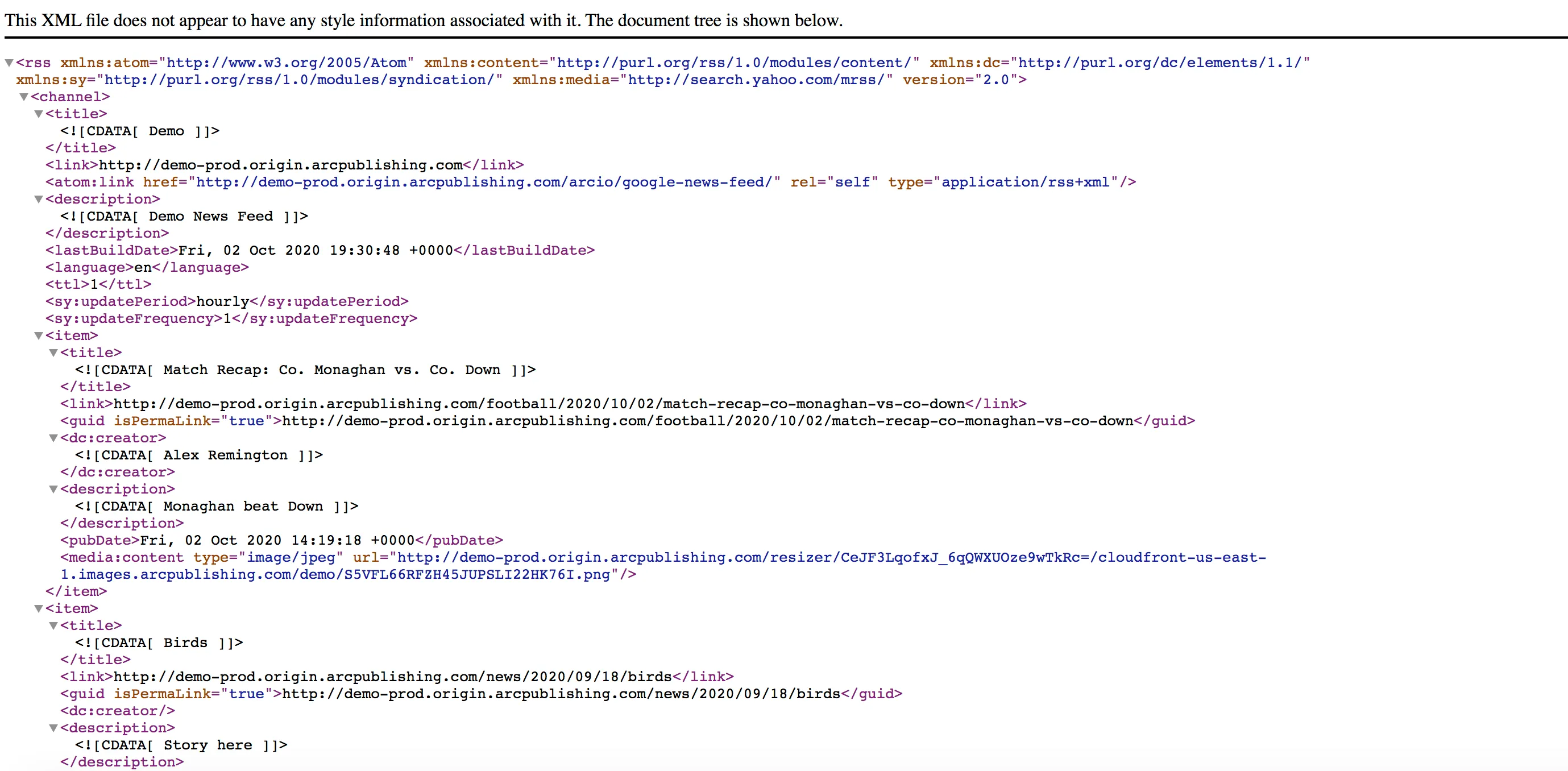
The decline of RSS at Google is often traced back to the 2013 shuttering of Google Reader, but the specific deprecation of Google News feeds took a more circuitous path. Historically, any user could append &output=rss to a Google News search URL to generate a functional XML feed. This allowed for granular tracking of niche industries, companies, or local events.
By the early 2020s, Google began obfuscating these URLs. The transition involved moving from readable query parameters to base64-encoded strings that were difficult for users to generate manually. By 2024, many of these "legacy" endpoints began returning 404 errors or redirected users to the Google News homepage. In 2026, the strategy is clear: Google prioritizes a "walled garden" approach where content discovery is managed by its own algorithms rather than a user’s static RSS subscription list.
Why Google Moved Away from Open RSS Standards
The move away from open RSS standards is driven by three primary factors: data control, monetization, and the shift toward "proactive" AI discovery.
- Data Collection and Attribution: RSS is a "blind" technology for the provider. When a user pulls a feed into a third-party app like Feedly or Inoreader, Google loses the ability to track how the user interacts with that content—what they click, how long they stay, and what they read next.
- Monetization: Standard RSS feeds do not easily support Google’s sophisticated ad units. By pushing users to the Google News app or the browser-based interface, Google can serve targeted advertisements and "Suggested for You" content that is not possible in a raw XML stream.
- The Shift to AI Discovery: In 2026, Google’s news strategy relies heavily on the Gemini-powered discovery engine. Google argues that a static RSS feed is inferior to a dynamic feed that learns a user’s preferences in real-time. While this benefits casual users, it presents a barrier to professionals who require comprehensive, chronological monitoring of a topic.
Current Methods to Access Google News Content
Despite the deprecation of traditional RSS links, several pathways remain for those who need to extract news data from Google’s ecosystem. These methods range from native features within the Google app to technical workarounds for power users.
The Google News "Follow" System
The primary replacement for RSS is the "Follow" button. When users search for a topic or a specific publication within Google News, they can tap the star icon to "Follow" it. This adds the topic to the "Following" tab. While this doesn't provide an XML feed for external use, it centralizes the news within the Google ecosystem. For many users, this satisfies the need for a curated news stream, though it lacks the interoperability of RSS.
The Chrome "Web Feed" Feature
Google has integrated a feature into the Chrome browser known as the "Web Feed." This allows users to follow sites directly from the browser's "New Tab" page. While it utilizes RSS technology under the hood (specifically supporting RSS and Atom feeds provided by publishers), it is a consumer-facing implementation that keeps the data within the Google Chrome environment.
Using the Google News API
For developers and enterprise users, the Google News API remains the most robust way to programmatically access news headlines. Unlike the old free RSS feeds, the API offers structured JSON data, allowing for complex filtering by language, region, and date. However, the API is generally a paid service for high-volume access and requires technical knowledge to implement.
Alternatives to Google News RSS Feeds
As Google News has become more restrictive, other platforms have stepped in to provide the open-standard feeds that many professionals still require. If your workflow relies on a steady stream of XML data, these alternatives are the most viable in 2026.
| Platform | RSS Availability | Customization Level | Best For |
|---|---|---|---|
| Bing News | Native RSS support via specific URL parameters. | High (Search terms, categories). | Professional monitoring and alerts. |
| DuckDuckGo | Indirect support through search result scraping. | Moderate. | Privacy-focused news tracking. |
| RSS.app | Third-party generator that turns Google News pages into RSS. | Very High. | Users who must have Google News data in an RSS reader. |
| Inoreader | Built-in Google News search integration. | High. | Power users who want a unified dashboard. |
| Direct Publisher Feeds | Most major news sites (NYT, BBC, etc.) still provide direct RSS. | Low (Site-specific). | Reducing reliance on aggregators. |
Third-Party "Bridge" Services
Services like RSS.app, Feed43 (for the technically inclined), or specialized GitHub-hosted "RSS Bridges" have become essential in 2026. These tools essentially "scrape" the front-end of Google News and convert the HTML content back into a functional RSS or Atom feed. While effective, these services can sometimes be interrupted if Google changes its site architecture, requiring frequent updates to the "bridge" logic.
Technical Specifications and Troubleshooting
For those still attempting to use legacy URLs, it is important to understand why they fail. The old format usually looked like this: news.google.com/news/rss/search/section/q/TOPIC.
In 2026, these URLs typically return a generic "Feed not found" message. If you are a developer attempting to migrate away from these legacy links, consider the following troubleshooting steps:
- Check for Encoding: Modern Google News search URLs are often encoded. If you are scraping the URL, ensure your script handles base64 decoding to see if a query parameter is hidden within the string.
- Verify User-Agent: Google sometimes blocks "headless" browsers or scripts that don't identify as a standard browser. Using a modern User-Agent string can sometimes bypass basic blocks on news result pages.
- Rate Limiting: Google is significantly more aggressive with rate-limiting in 2026. If you are making multiple requests to news pages without an API key, your IP address may be temporarily flagged.
The Impact on SEO and Content Publishers
The end of the public Google News RSS feed has changed how publishers think about distribution. In the past, being "indexed" in Google News meant your content would automatically appear in thousands of third-party RSS readers globally.
Today, publishers must focus more on Google News Indexing and Schema.org markup to ensure their content is picked up by the Google News "Follow" system and Google Discover. Without the outward-facing RSS feed, the "viral" potential of a story through secondary aggregators has diminished, making direct "Follower" counts within the Google News app a more critical metric for digital publishers.
Frequently Asked Questions
Can I still get a Google News RSS feed for free in 2026?
There is no longer an official, "one-click" free RSS feed provided by Google for custom searches. To get a similar result, you must use a third-party RSS generator that scrapes Google News results or switch to a different news aggregator like Bing News that still offers native RSS support.
What happened to my old Feedburner links for Google News?
Feedburner has been largely deprecated and moved to a "maintenance mode" that does not support the active creation of new Google News-based feeds. Existing feeds may still function if they were tied to a specific publisher's direct feed, but those pulling directly from Google News search queries are likely defunct.
Is the Google News API the only way to get structured news data?
While the API is the official method, it is not the only way. Many developers use "headless" browsers to programmatically visit Google News and extract headlines, though this violates Google’s Terms of Service and is subject to frequent technical breakages.
Does the "Follow" button in Google News act like an RSS subscription?
Functionally, yes, but technically, no. It allows you to see updates in one place, but the data is trapped within the Google News interface. You cannot export your "Followed" topics into another app like Feedly without using a third-party synchronization tool.
Are there privacy-friendly alternatives to Google News feeds?
Yes. Privacy-focused search engines like DuckDuckGo and specialized news aggregators like Ground News offer ways to track topics without the heavy data-tracking inherent in the Google News ecosystem. Many of these services still support open standards like RSS or Atom.
Strategic Recommendations for 2026
If you rely on automated news updates for your professional or personal life, the end of the traditional Google News RSS feed necessitates a change in strategy.
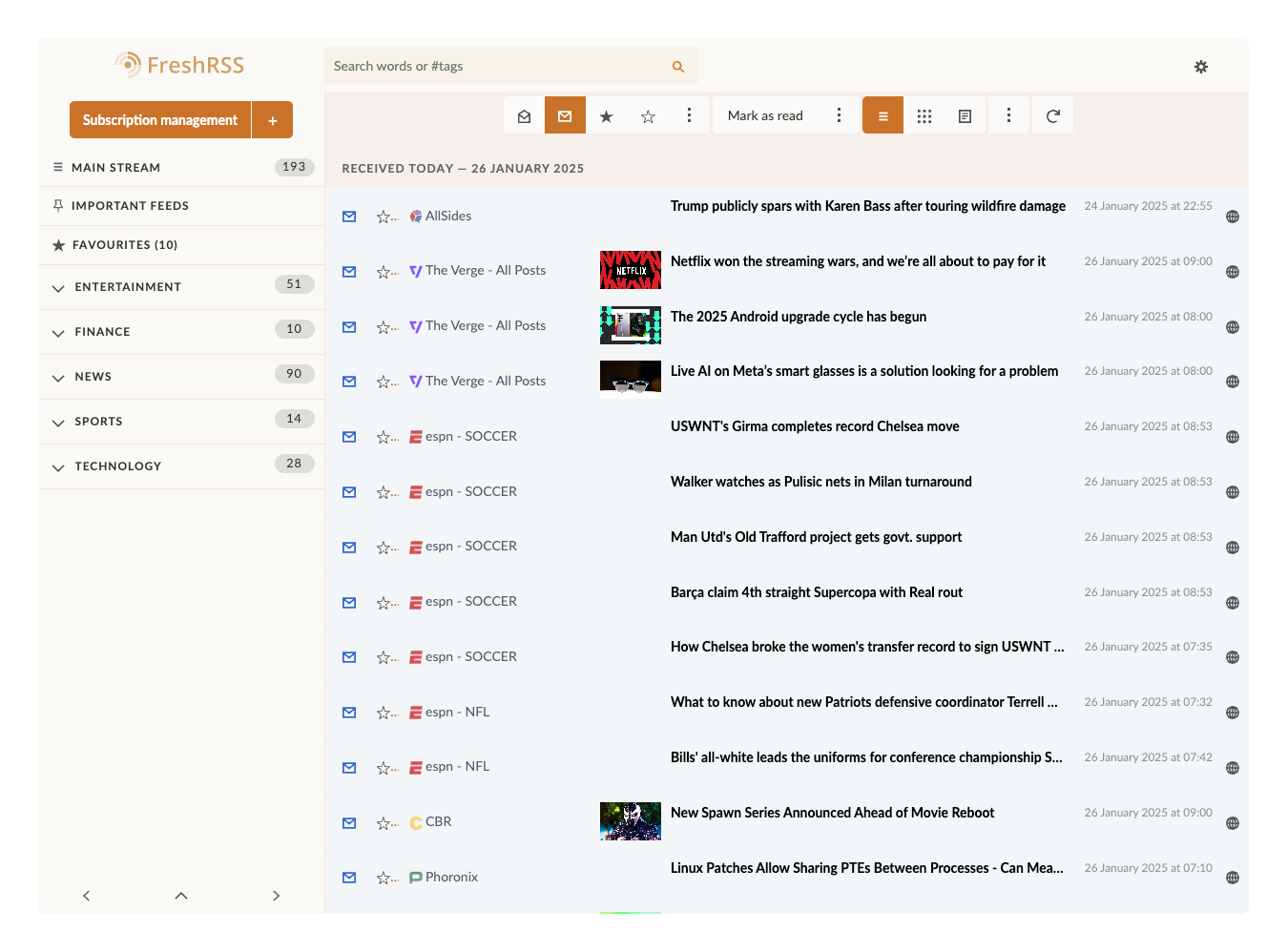
First, diversify your sources. Do not rely solely on Google. Set up RSS feeds from Bing News and directly from the "News" sections of major industry publications. Second, if you have the budget, invest in a professional aggregator like Inoreader or Feedly's Pro tier, which have built-in tools to handle Google News data even when the public feeds are broken. Finally, for those who need precise data, explore the Google News API. While it comes with a cost, it provides the stability and depth that the old RSS feeds lacked, ensuring your information pipeline remains intact regardless of UI changes at Google.
Image Gallery