Was Arthur Ashe Ever Married? The Full Story of His Marriage to Jeanne Moutoussamy-Ashe
Yes, legendary tennis champion and humanitarian Arthur Ashe was married. He married Jeanne Moutoussamy, an accomplished photographer, author, and graphic designer, on March 20, 1977. The couple remained devotedly married for nearly six...
Yes, legendary tennis champion and humanitarian Arthur Ashe was married. He married Jeanne Moutoussamy, an accomplished photographer, author, and graphic designer, on March 20, 1977. The couple remained devotedly married for nearly sixteen years until Ashe’s death from AIDS-related pneumonia on February 6, 1993. Together, they raised their adopted daughter, Camera, and partnered on landmark humanitarian, educational, and public health initiatives.
Contents
How Arthur Ashe and Jeanne Moutoussamy Met
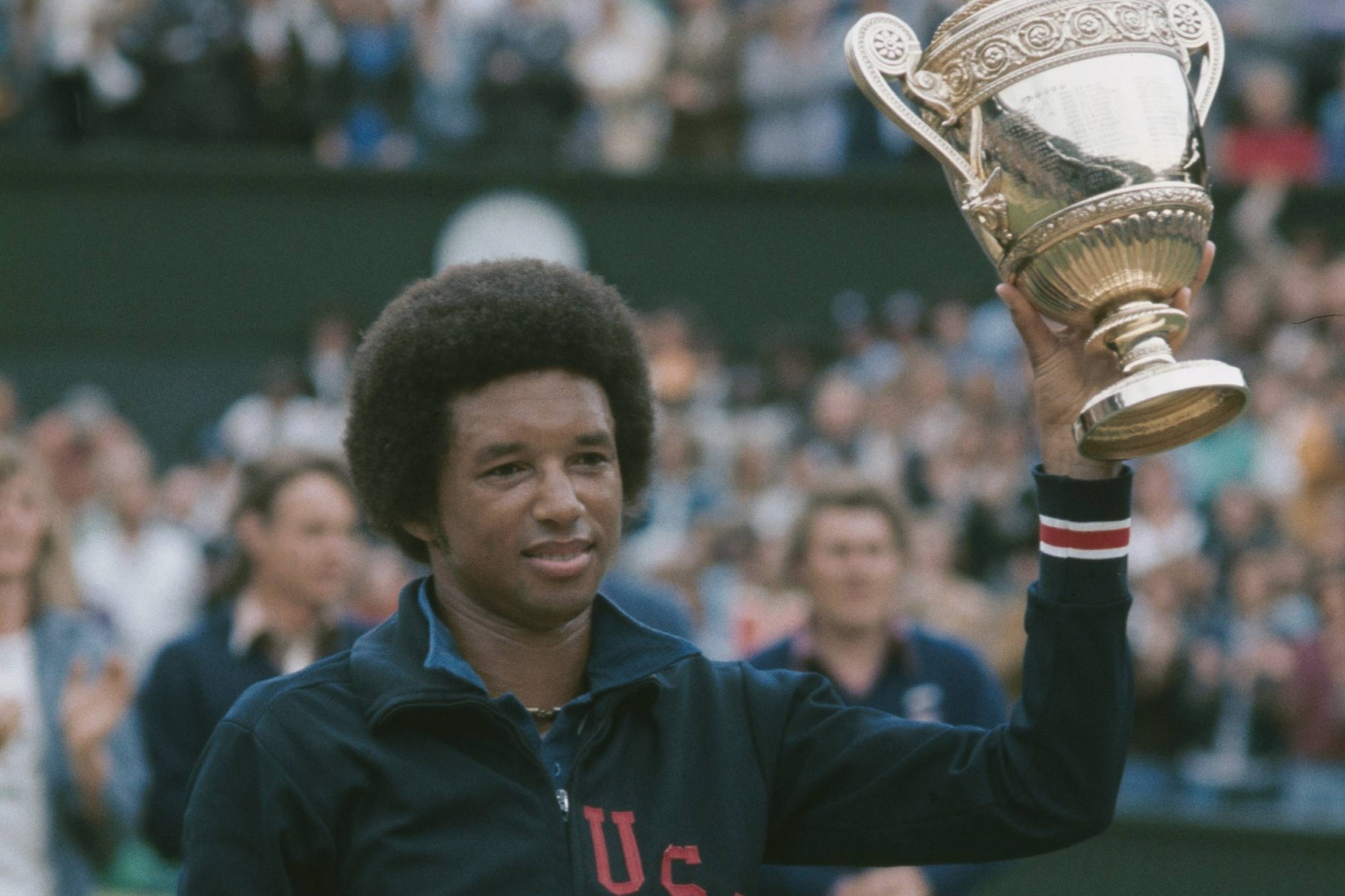
The connection between Arthur Ashe and Jeanne Moutoussamy began in October 1976. At the time, Ashe was one of the most recognized athletes in the world, having won Wimbledon in 1975 and holding titles from the U.S. Open (1968) and Australian Open (1970). Moutoussamy was a talented 25-year-old photographer working for NBC News in New York City.
They met during a photo assignment at a benefit event held for the United Negro College Fund (UNCF) at the United Nations headquarters in Manhattan. Moutoussamy was assigned to photograph prominent attendees, which included Ashe. Impressed by her professionalism, artistic passion, and intellect, Ashe asked her out shortly after their initial meeting.
Born in Chicago in 1951, Jeanne Moutoussamy had studied photography and graphic design at the prestigious Cooper Union for the Advancement of Science and Art in New York City, graduating in 1975. Her creative focus centered on documenting human emotion, social history, and African American culture. Their shared commitment to social justice, dignity, and intellectual pursuits created an immediate bond between the professional athlete and the rising photojournalist.
Following a brief five-month romance, the couple announced their engagement, moving quickly toward a lifelong partnership that would blend sports excellence, fine art, and global activism.
The Wedding of Arthur Ashe and Jeanne Moutoussamy
Arthur Ashe and Jeanne Moutoussamy were married on Sunday, March 20, 1977. The wedding took place at the Church Center for the United Nations in New York City, a location deeply symbolic of Ashe’s commitment to international civil rights and anti-apartheid campaigning.
| Wedding Details | Description |
|---|---|
| Date | March 20, 1977 |
| Venue | Church Center for the United Nations, New York City |
| Officiant | Andrew Young (U.S. Ambassador to the United Nations) |
| Guests | Intimate gathering of family, close friends, and peers |
| Significance of Location | Reflective of Ashe's global human rights advocacy |
The ceremony was officiated by Andrew Young, who was then serving as the United States Ambassador to the United Nations and was a longtime friend and civil rights leader. The choice of Young as officiant emphasized the core values that defined the couple’s life together: public service, human rights, and social dignity.
The ceremony was purposefully kept intimate, attended by close family members, personal friends, and key figures from the tennis and civil rights communities. The couple chose to settle in New York City and later established a home in Westchester County, New York, balancing Ashe's international traveling schedule with Moutoussamy’s expanding career as a photojournalist and documentary photographer.
Timeline of Arthur Ashe’s Personal Life and Marriage
The partnership between Arthur Ashe and Jeanne Moutoussamy-Ashe encompassed major athletic milestones, medical challenges, artistic achievements, and civic activism. The timeline below highlights the major events of their life together.
| Year | Milestone / Event | Significance & Details |
|---|---|---|
| 1976 | First Meeting | Met in October at a UNCF benefit event at the United Nations in New York. |
| 1977 | Marriage Ceremony | Married on March 20 at the Church Center for the United Nations by Andrew Young. |
| 1979 | First Heart Surgery | Ashe suffered a heart attack and underwent quadruple bypass surgery, altering his playing career. |
| 1980 | Professional Retirement | Ashe officially retired from competitive professional tennis with a 818–260 career record. |
| 1983 | Second Heart Surgery | Underwent double bypass surgery, during which he contracted HIV via a contaminated blood transfusion. |
| 1986 | Adoption of Daughter | Arthur and Jeanne adopted their daughter, Camera, born in late 1986. |
| 1986 | Publication of Viewfinders | Jeanne published her acclaimed historical photography book, Viewfinders: Black Women Photographers. |
| 1992 | Public Announcement | Ashe publicly revealed his HIV/AIDS diagnosis and launched the Arthur Ashe Foundation for the Defeat of AIDS. |
| 1993 | Death of Arthur Ashe | Ashe passed away on February 6 at age 49 due to AIDS-related complex pneumonia. |
| 1993 | Release of Daddy and Me | Jeanne published Daddy and Me, a photographic children's book documenting Arthur's bond with Camera. |
Family Life and the Adoption of Daughter Camera
In December 1986, Arthur and Jeanne expanded their family through the adoption of their daughter, whom they named Camera in honor of Jeanne’s photographic profession.
Camera’s arrival brought immense joy to the household during a period when Ashe was navigating major transitions, including his transition from active tennis play to broadcast journalism, writing, and humanitarian leadership. Both parents were committed to protecting their daughter’s privacy while instilling strong educational and moral values.
During Camera’s early childhood, the family split their time between urban New York and their suburban residence. When Arthur’s health began to decline in the early 1990s, the couple focused on ensuring that Camera understood her father’s health status in a gentle, compassionate manner suitable for a young child.
This effort inspired Jeanne Moutoussamy-Ashe to create her celebrated 1993 children’s book, Daddy and Me: A Photo Story of Arthur Ashe and His Daughter Camera. The book used candid, monochrome photographs to capture the tender relationship between father and daughter while visually showing how young children can love, assist, and understand a parent living with a serious illness. Daddy and Me became a valuable educational tool for families dealing with chronic illness worldwide.
Jeanne Moutoussamy-Ashe: Career, Art, and Advocacy
Jeanne Moutoussamy-Ashe built a distinguished personal career as an artist, author, and photojournalist independent of her husband's international athletic fame. Her work has been exhibited in prominent museums, including the National Portrait Gallery, the Brooklyn Museum, and the Smithsonian Institution.
Major Photographic and Literary Works
- Viewfinders: Black Women Photographers (1986): A pioneering historical research project and photo essay that documented the contributions of African American women photographers from 1839 to 1985. It remains a foundational text in African American visual history.
- Daufuskie Island: A Photographic Essay (1982): A documentary exploration of the isolated Gullah community off the coast of South Carolina, preserving the unique cultural heritage, architecture, and daily lives of its residents.
- Daddy and Me (1993): A personal, poignant visual narrative documenting the bond between Arthur Ashe and their daughter Camera as Arthur faced terminal illness.
- The Gullah Project: Continued artistic documentation of historic African-influenced communities in the coastal American South.
In addition to her published volumes, Moutoussamy-Ashe served on numerous academic and cultural boards, including the Board of Trustees of Cooper Union and various arts committees dedicated to expanding representation for minority artists.
Health Crises, Public Advocacy, and Shared Courage
The strength of Arthur and Jeanne’s marriage was tested by severe health challenges starting early in their union. In July 1979, just two years after their wedding, Arthur suffered a major heart attack at age 36 while holding a tennis clinic in Virginia. He underwent quadruple bypass surgery performed by Dr. John Hutchinson in New York.
Although Ashe attempted a comeback, persistent chest pain led him to retire from competitive tennis in December 1980. In June 1983, he underwent a second bypass operation to correct clogged bypass grafts. During this 1983 procedure, Ashe received a blood transfusion infected with the Human Immunodeficiency Virus (HIV), prior to the development of routine screening tests for the virus in the national blood supply, which began in 1985.
| Date | Health Chronology & Advocacy |
|---|---|
| July 1979 | First heart attack; quadruple bypass surgery. |
| June 1983 | Second heart surgery; contracts HIV via blood transfusion. |
| September 1988 | Brain surgery leads to initial HIV diagnosis. |
| April 8, 1992 | Public disclosure of HIV diagnosis at press conference. |
| 1992–1993 | Establishes Arthur Ashe Foundation for the Defeat of AIDS. |
| February 6, 1993 | Passes away at New York Hospital from AIDS-related pneumonia. |
In September 1988, Ashe was hospitalized after experiencing numbness in his right hand. A brain biopsy revealed toxoplasmosis, a parasitic infection common in individuals with compromised immune systems, leading to his formal HIV diagnosis.
For nearly four years, Arthur and Jeanne kept the diagnosis private to protect their young daughter and maintain personal stability. However, in April 1992, after learning that USA Today was preparing to publish an article detailing his medical status, Ashe held a press conference to publicly declare his condition.
Jeanne stood steadfastly beside him during the April 8, 1992 announcement. Following the public disclosure, the couple leveraged their platform to fight the stigma surrounding HIV/AIDS, promote public health education, and raise funds for research:
- Arthur Ashe Foundation for the Defeat of AIDS: Founded in 1992 to raise capital for global AIDS research, education, and prevention strategies.
- Arthur Ashe Institute for Urban Health: Established at SUNY Downstate Health Sciences University in Brooklyn to address healthcare disparities in underserved urban communities.
- United Nations Address: On World AIDS Day in December 1992, Ashe addressed the UN General Assembly, appealing for increased global resources to combat the virus.
Throughout this high-pressure period, Moutoussamy-Ashe managed public relations, maintained their home life, and co-managed their charitable efforts.
Jeanne Moutoussamy-Ashe’s Legacy Work After 1993
Following Arthur Ashe’s death on February 6, 1993, Jeanne Moutoussamy-Ashe devoted significant energy to maintaining his legacy while continuing her own professional artistic production.
She assumed leadership roles within the Arthur Ashe Endowment for the Defeat of AIDS and worked closely with educational institutions to establish permanent tributes to her late husband:
- Arthur Ashe Learning Center (AALC): Moutoussamy-Ashe founded the center to promote academic achievement, civic engagement, and health awareness among young people, using Arthur Ashe's life values as an educational model.
- Preservation of Archival Papers: She oversaw the donation of Arthur Ashe’s personal papers, research, and awards to public institutions, including the Schomburg Center for Research in Black Culture at the New York Public Library.
- U.S. Open Tributes: She participated actively in ceremonies honoring Ashe, including the 1997 opening and naming of Arthur Ashe Stadium at the USTA Billie Jean King National Tennis Center in Flushing Meadows, New York.
Jeanne Moutoussamy-Ashe did not remarry for many years, focusing her efforts on raising Camera, advancing her photography, and preserving the historical record of Arthur Ashe’s humanitarian contributions.
Frequently Asked Questions
Who was Arthur Ashe’s wife?
Arthur Ashe’s wife was Jeanne Moutoussamy-Ashe. They were married from March 20, 1977, until Ashe’s death on February 6, 1993. She is a recognized photographer, author, activist, and fine artist known for books such as Viewfinders: Black Women Photographers and Daddy and Me.
Did Arthur Ashe have any children?
Yes. Arthur Ashe and Jeanne Moutoussamy adopted a daughter named Camera Ashe, who was born in late 1986. Camera grew up primarily in New York, and her childhood relationship with her father was featured in the photo book Daddy and Me.
How long were Arthur Ashe and Jeanne Moutoussamy married?
They were married for nearly 16 years, from March 20, 1977, to February 6, 1993. They remained together throughout Ashe's heart surgeries, HIV diagnosis, public advocacy work, and final illness.
What is Jeanne Moutoussamy-Ashe known for professionally?
Jeanne Moutoussamy-Ashe is an acclaimed documentary photographer and author. Her major works include Viewfinders: Black Women Photographers, a pioneering study of African American women in photography, and Daufuskie Island, a photo-documentary of South Carolina coastal Gullah culture. She also founded the Arthur Ashe Learning Center.
How did Arthur Ashe and his wife address his HIV diagnosis with their daughter?
Jeanne Moutoussamy-Ashe created the 1993 photographic book Daddy and Me: A Photo Story of Arthur Ashe and His Daughter Camera. The book visually documented how young children can understand, emotionally support, and care for parents living with chronic or terminal illnesses.
Practical Takeaway: Understanding Arthur Ashe’s Personal Legacy
Arthur Ashe’s personal life was defined by a strong marital partnership rooted in shared ethics, artistic accomplishment, and social action. For researchers, sports historians, and readers studying Ashe’s life:
- Recognize the Joint Legacy: Arthur Ashe's contributions to civil rights and health advocacy during his final years were executed in close collaboration with Jeanne Moutoussamy-Ashe.
- Explore Primary Literary Sources: To gain deeper insight into their family dynamics during Ashe's final years, review Jeanne Moutoussamy-Ashe’s book Daddy and Me (1993) alongside Arthur Ashe’s autobiography, Days of Grace: A Memoir (1993), co-authored with Arnold Rampersad.
- Utilize Archival Repositories: Researchers seeking primary documents on the Ashe family’s civic work can consult the Arthur Ashe Papers preserved at the Schomburg Center for Research in Black Culture in New York City.
Image Gallery