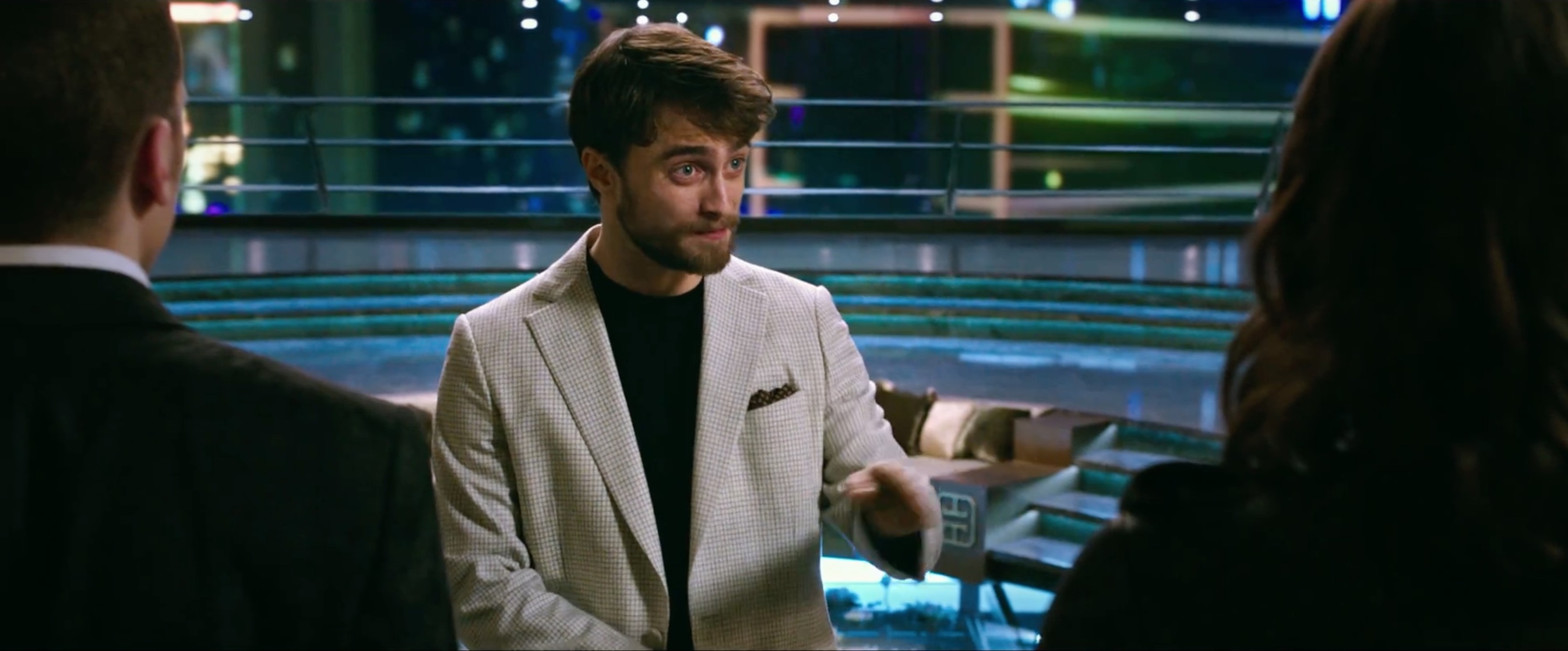
Understanding the Directorial Vision Behind Now You See Me 2
The 2016 film Now You See Me 2 was directed by Jon M. Chu. As the sequel to the commercially successful 2013 heist thriller, the film expanded the cinematic universe of the "Four Horsemen," shifting the directorial reins from Louis Let...
The 2016 film Now You See Me 2 was directed by Jon M. Chu. As the sequel to the commercially successful 2013 heist thriller, the film expanded the cinematic universe of the "Four Horsemen," shifting the directorial reins from Louis Leterrier—who helmed the original—to Chu, a filmmaker known for his dynamic approach to ensemble casts and visually rhythmic storytelling.
Contents
The Transition of Directorial Authority
When the production for the Now You See Me sequel began, the studio sought a director capable of managing a large, star-studded ensemble while navigating the intricate, fast-paced nature of magic-based heist sequences. Jon M. Chu, having already gained industry recognition for his work on projects like Step Up 2: The Streets and the G.I. Joe franchise, was selected to bring a fresh stylistic perspective to the franchise.
The transition from Louis Leterrier to Jon M. Chu marked a pivot in the aesthetic of the series. While Leterrier’s original film established the foundational tone—mixing sleight-of-hand spectacle with high-stakes crime—Chu leaned into a more vibrant, kinetic visual language. His background in choreography and music-driven filmmaking translated into the film's "card-throwing" sequences and complex, multi-layered illusions, which required precise timing and fluid camera movement.
Examining Jon M. Chu’s Directorial Style
Jon M. Chu is often categorized as a visual stylist who prioritizes the energy of a scene. In Now You See Me 2, this is evident in how he handles the practical and digital effects associated with the magic tricks. Rather than relying solely on static shots, Chu utilizes sweeping tracking shots and rapid editing to immerse the audience in the perspective of the performers.
His process involves a high level of coordination between the cinematographers and the stunt coordinators. Because the film centers on illusions—many of which were filmed using practical effects where possible—Chu’s direction required the cast to perform complex physical maneuvers. This collaborative effort ensured that the spectacle felt grounded in the physical reality of the characters' world, even as the plot ventured into increasingly improbable territory.
Key Production Figures and Their Contributions
While Jon M. Chu held the primary directorial responsibility, the identity of the film was shaped by a wider creative team. The screenplay was written by Ed Solomon, who also penned the original, ensuring narrative continuity. The production was overseen by Alex Kurtzman, Roberto Orci, and Bobby Cohen, the same team that navigated the development of the first film.
The synergy between the director and the screenwriters was crucial to resolving the "sequel problem": how to raise the stakes without losing the core appeal of the original. Chu worked closely with the production designers to create environments—such as the Macau-based magic shop and the high-tech environments of the antagonists—that provided a distinct look compared to the New York setting of the first movie.
Comparative Overview: The Now You See Me Franchise
Understanding the directorial details requires a look at how the production evolved across the series. The following table illustrates the key creative personnel behind the main installments of the franchise.
| Feature | Now You See Me (2013) | Now You See Me 2 (2016) |
|---|---|---|
| Director | Louis Leterrier | Jon M. Chu |
| Primary Screenwriter | Ed Solomon | Ed Solomon |
| Lead Cinematographer | Larry Fong | Peter Deming |
| Focus | Origin and team formation | Expansion and global stakes |
| Visual Tone | Gritty, street-level magic | High-gloss, international heist |
Challenges in Directorial Continuity
A common difficulty in directing sequels is maintaining the spirit of the original cast dynamic while introducing new plot complications. In Now You See Me 2, the team dealt with the absence of Isla Fisher, whose character Henley Reeves was written out of the narrative. This forced Chu to adjust the ensemble rhythm, integrating Lizzy Caplan as a new member of the Four Horsemen.
Chu’s direction focused on balancing the screen time of established stars like Jesse Eisenberg, Mark Ruffalo, and Woody Harrelson with the need to establish new character arcs. His experience in directing ensemble casts allowed him to manage the dialogue-heavy scenes effectively, ensuring that the exposition-heavy segments of the plot did not derail the pacing of the action sequences.
Technical Execution of Illusion Scenes
One of the most technically demanding aspects of the film was the "rain drop" scene, where the characters manipulate falling water. This sequence is representative of Chu’s influence on the franchise. The technical requirement involved a combination of high-speed photography, specialized lighting, and digital compositing.
Chu tasked his VFX supervisors with creating a "magic-realist" aesthetic. Unlike a traditional crime film that seeks realism, Now You See Me 2 operates within a heightened reality where the laws of physics are occasionally bent by the characters. Chu’s direction ensured that the visual effects remained coherent with the characters' movements, preventing the film from feeling like a mere display of digital effects.
Critical Reception and Directorial Legacy
Critics often note that Jon M. Chu’s entry in the series brought a sense of fun and international scope that distinguished it from its predecessor. While the film received mixed reviews for its convoluted plot—a common critique of the franchise—Chu’s visual direction was frequently praised for its energy.
By the time of his work on this project, Chu was already cementing his status as a director who could deliver large-scale entertainment while maintaining a recognizable personal brand of kinetic visuals. His work on this film served as a bridge in his career, leading to his later, more critically acclaimed work in major studio feature films.
Frequently Asked Questions
Who directed Now You See Me 2? Jon M. Chu directed Now You See Me 2. He took over the franchise from Louis Leterrier, who directed the first installment.
Did the director of the first film work on the sequel? Louis Leterrier did not direct the sequel, but he remained involved in the production of the broader Now You See Me franchise as an executive producer, maintaining a level of institutional continuity despite the change in the director's chair.
Why did the director change between the two films? The change in directors was primarily a logistical decision during the development phase. Sequels often rotate directors to refresh the visual language of the series or because of scheduling conflicts with the previous filmmaker. Jon M. Chu was selected for his specific expertise in managing large-scale action and musical choreography.
How does Jon M. Chu’s style affect the look of the film? Chu’s background in choreography and music-driven films is visible in the way he frames action scenes. He utilizes fluid camera movements and rapid, rhythmic editing, which gives the magic sequences a faster, more stylized pace compared to the first film.
Are there plans for a third director? While development on future installments has continued, directorial assignments for potential sequels are handled separately by studio management. As of 2026, the series remains an active intellectual property under the management of Lionsgate.
Next Steps for Enthusiasts
If you are interested in the filmmaking process behind Now You See Me 2, the most practical next step is to examine the "Special Features" included on the official Blu-ray or digital release of the film. These releases often contain "behind-the-scenes" featurettes where Jon M. Chu and the stunt coordinators explain the specific mechanics of the illusion sequences. Additionally, reviewing the cinematography breakdown provided by the American Society of Cinematographers can offer deeper insight into the lighting techniques used to achieve the film’s high-gloss aesthetic.
Image Gallery