Jake T. Austin as Max Russo: The Evolution of a Wizard
Jake T. Austin’s portrayal of Max Russo in Wizards of Waverly Place stands as a defining element of mid-2000s Disney Channel history, capturing the essence of the youngest, often chaotic, and uniquely magical member of the Russo family...
Jake T. Austin’s portrayal of Max Russo in Wizards of Waverly Place stands as a defining element of mid-2000s Disney Channel history, capturing the essence of the youngest, often chaotic, and uniquely magical member of the Russo family. As the primary comedic foil and an essential component of the series' internal logic, Max represents the balance between the mundane pressures of teenage life and the extraordinary responsibilities inherent in wizard training. Across four seasons, from 2007 to 2012, Austin’s performance evolved from a slapstick-heavy child character into a nuanced adolescent, providing the anchor for the show’s progression toward the final wizard competition.
Contents
The Character Dynamics of Max Russo
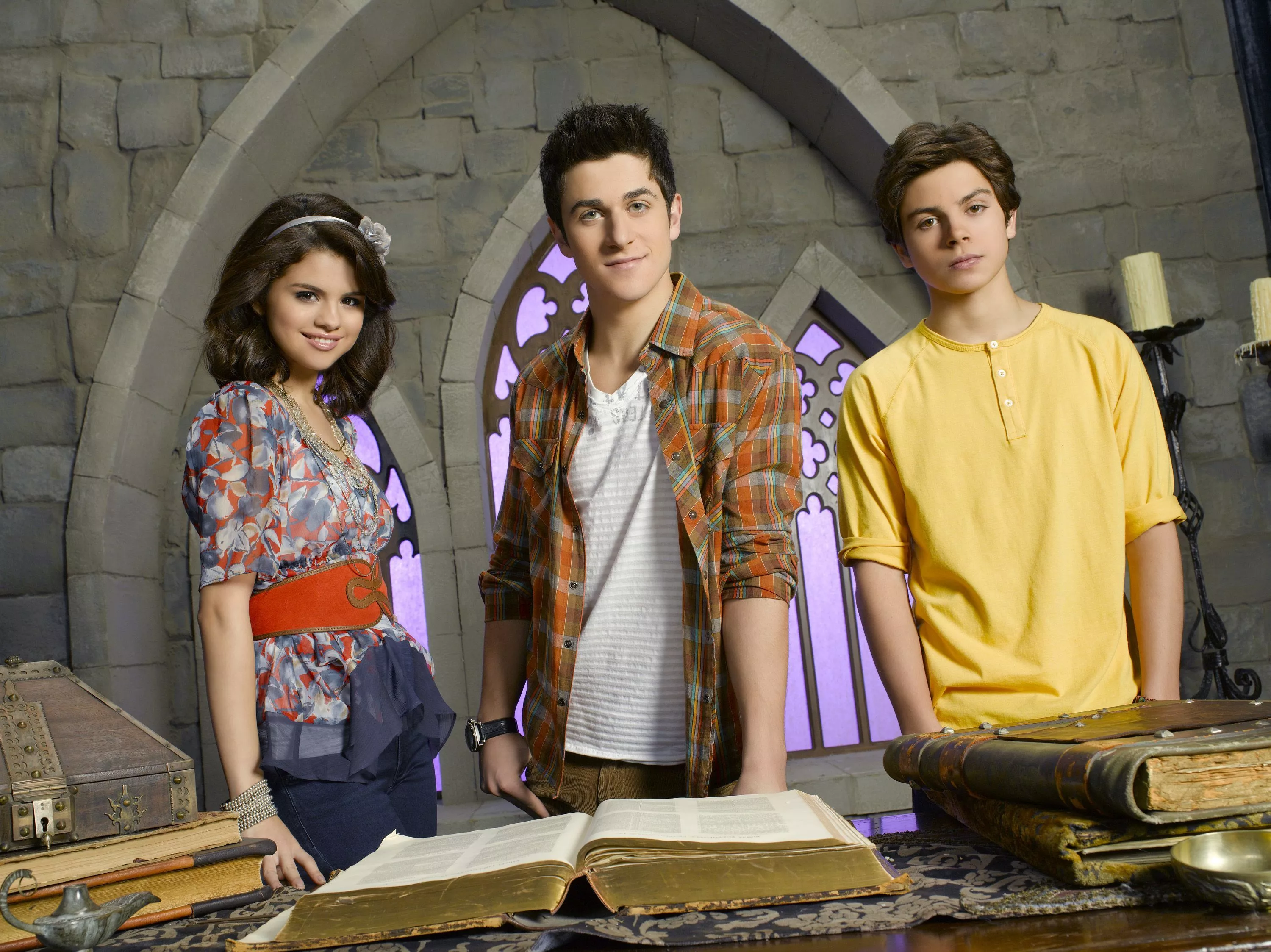
Max Russo serves as the youngest sibling to Alex (Selena Gomez) and Justin (David Henrie). Within the narrative structure of the show, his role is distinct: he is the character who approaches magic with the least amount of intellectual rigor, often resulting in accidental disasters that require his older siblings to intervene. This dynamic was essential for the show’s structure, as it allowed the writers to explore magical concepts through experimentation rather than academic study.
While Justin focused on the rules and ethics of magic and Alex focused on personal gain, Max often acted as the agent of pure, unbridled chaos. His character development focused on the challenges of finding one's identity within a high-achieving family. Even as his powers grew, his perspective remained grounded in a desire for simplicity, which provided a relatable contrast to his siblings' more complex motives.
Narrative Arc and Developmental Milestones
Jake T. Austin’s tenure on the show tracked the character’s maturation from a pre-teen to a young adult. The writing team utilized Max’s age to create specific plot points, such as his struggle to master the "Wizard Competition" requirements compared to his siblings.
- Season 1–2: Max is established as the mischievous younger brother, defined by his misunderstanding of magical protocols and his frequent reliance on his siblings.
- Season 3: The character begins to show more individuality. Episodes involving his dating life and school struggles highlight his transition toward high school, grounding the magical premise in reality.
- Season 4: The final arc involves the internal, and sometimes external, pressures of the family competition. Austin’s performance during this time shifted to accommodate the show’s darkening stakes, providing a more serious, albeit still humorous, interpretation of a wizard facing his destiny.
The character’s brief transformation into "Maxine" in Season 4 serves as a highlight in Austin’s performance history. This sub-plot allowed him to demonstrate range by maintaining the character's core personality traits while navigating the physical and social limitations of a new form. It remains one of the most referenced arcs for the character in retrospect.
Comparative Wizard Traits: The Russo Siblings
Understanding Max Russo requires placing him within the context of the entire family unit. The following table highlights the core differences in the siblings' approaches to wizardry and their developmental arcs.
| Character | Primary Motivation | Approach to Magic | Role in Narrative |
|---|---|---|---|
| Justin Russo | Academic Excellence | Rules-based, studious | The responsible mentor |
| Alex Russo | Self-Expression | Intuitive, reckless | The impulsive protagonist |
| Max Russo | Fun and Experimentation | Trial-and-error | The comic relief and catalyst |
This hierarchy allowed the show to maintain a consistent tone while exploring different facets of the teenage experience. Max was the "everyman" of the family—the character who represented how an ordinary kid would handle impossible power without the pressure to become the "Family Wizard."
Behind the Performance: Technical Aspects
Jake T. Austin’s work on Wizards of Waverly Place relied heavily on physical comedy and timing. Because the show featured significant use of practical and visual effects, Austin had to develop specific skills in working with "invisible" props and reacting to cues that would later be augmented by post-production CGI.
His performance was characterized by a distinct physical language—slumped posture, expressive facial reactions to magical mishaps, and a delivery style that prioritized comedic impact over dramatic tension. This was a deliberate choice by the production team to differentiate the Russo siblings, ensuring that while Justin and Alex provided the dramatic stakes, Max provided the levity required for a long-running family sitcom.
Legacy and Impact on the Series
The series concluded in 2012, yet the character of Max Russo remains a staple of 2000s television nostalgia. For many viewers, the progression of the character mirrored their own growth during the years the show was on air. Austin’s ability to remain with the series for its entire run ensured that Max was a constant presence in a show that often dealt with the shifting dynamics of growing up and leaving home.
Unlike many child actors who were written out of series or relegated to secondary status as the main characters matured, Max was integrated into the central plot of the wizard competition until the very end. His eventual status as the proprietor of the Waverly Sub Station, rather than the family wizard, served as a resolution that validated his desire for a more human-centered life over a magical one.
Frequently Asked Questions
Why did Max Russo not become the family wizard? In the series finale, the competition is designed to test character and wisdom as much as magical ability. Max’s loss was a narrative choice to allow him to move on to a life that he actually wanted—running the sub shop—rather than inheriting the burden of the family’s magical legacy, which suited his siblings' personalities more accurately.
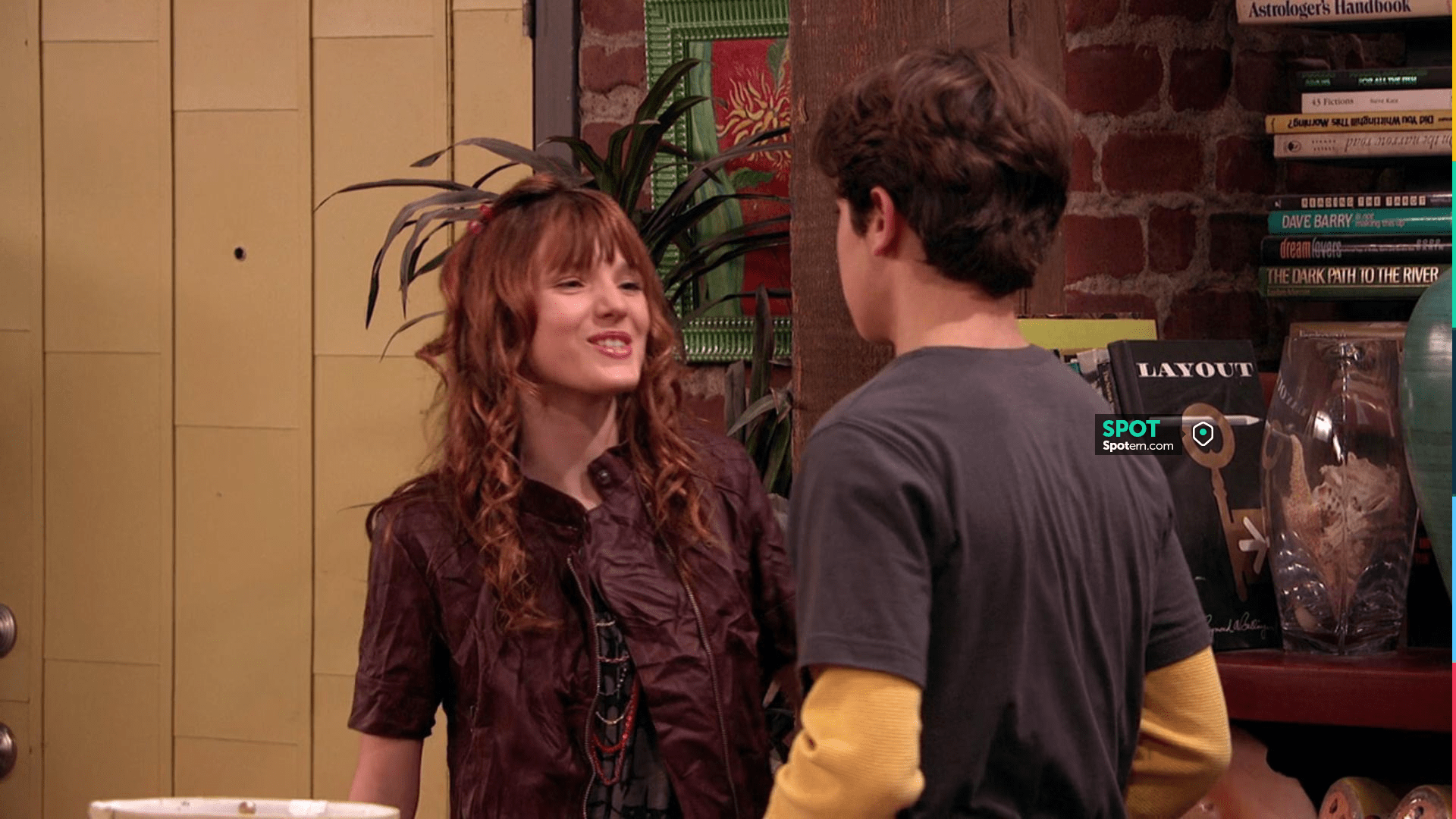
Did Jake T. Austin appear in every episode of the show? Jake T. Austin appeared in the vast majority of episodes, though he was absent for a brief period during the fourth season when his character was transformed into Maxine, played by actress Bailee Madison.
How did the character of Max evolve from Season 1 to Season 4? The character evolved from a young, naive child whose magic was often unintentional to a more self-aware adolescent who began to weigh the pros and cons of being a wizard. His goals shifted from seeking attention to seeking autonomy.
What was the significance of the Waverly Sub Station in the show? The shop served as the primary setting for the series, acting as a "neutral ground" where the mundane world (the sub shop customers) interacted with the magical world (the Russo children). It was central to Max’s arc, as he found his calling there.
Is there a reboot featuring the character of Max Russo? As of 2026, while the Wizards franchise has seen new iterations and spinoff projects, the narrative focus has shifted toward new generations of wizards. The legacy of Max Russo remains confined to the original 2007–2012 series and its standalone television film.
Recommendation for Viewers
To fully appreciate the range of the character, revisit the Season 4 episodes featuring the "Maxine" arc. It provides the most distinct example of the production team’s confidence in the character’s foundation and Austin’s role in maintaining the show's comedic identity. For those interested in the technical side of the series, focus on the practical effects used in the early seasons compared to the increased reliance on computer-generated imagery as the series budget and scope expanded.
Image Gallery