How Disaster Restoration Companies Operate: A Technical Overview
Disaster restoration companies operate by deploying specialized rapid-response teams to mitigate physical damage, stabilize environments, and perform deep cleaning following catastrophic events. They function as a bridge between immedi...
Disaster restoration companies operate by deploying specialized rapid-response teams to mitigate physical damage, stabilize environments, and perform deep cleaning following catastrophic events. They function as a bridge between immediate emergency stabilization and final structural reconstruction, employing industry-standard drying techniques, microbial remediation protocols, and precise documentation to satisfy insurance requirements and ensure occupant safety.
Contents
The Phases of Disaster Restoration Operations
Disaster restoration is not a single service but a multi-stage operational workflow. Whether dealing with water intrusion, fire damage, or biohazardous contamination, the methodology remains consistent: containment, mitigation, and restoration.
1. Emergency Response and Assessment
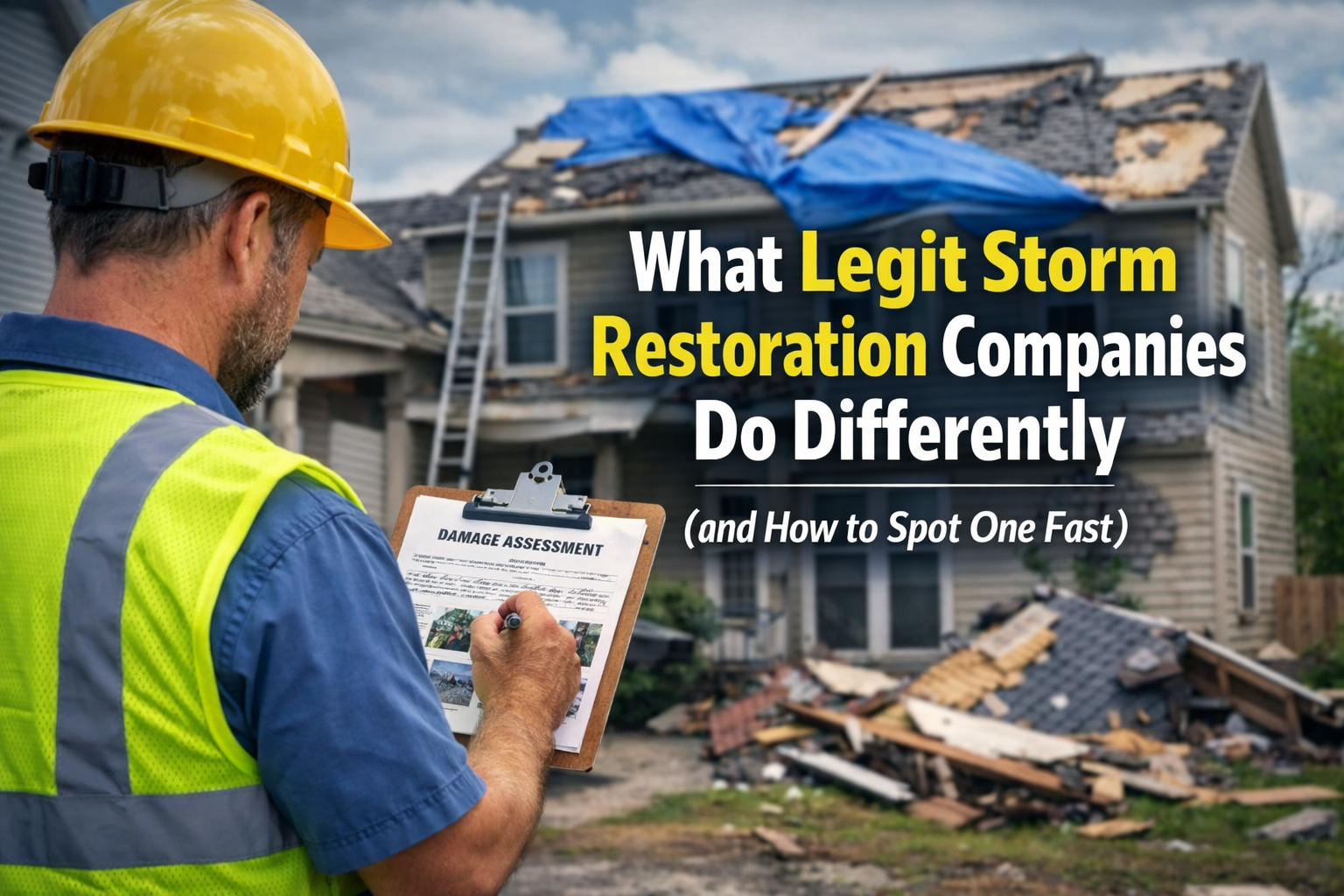
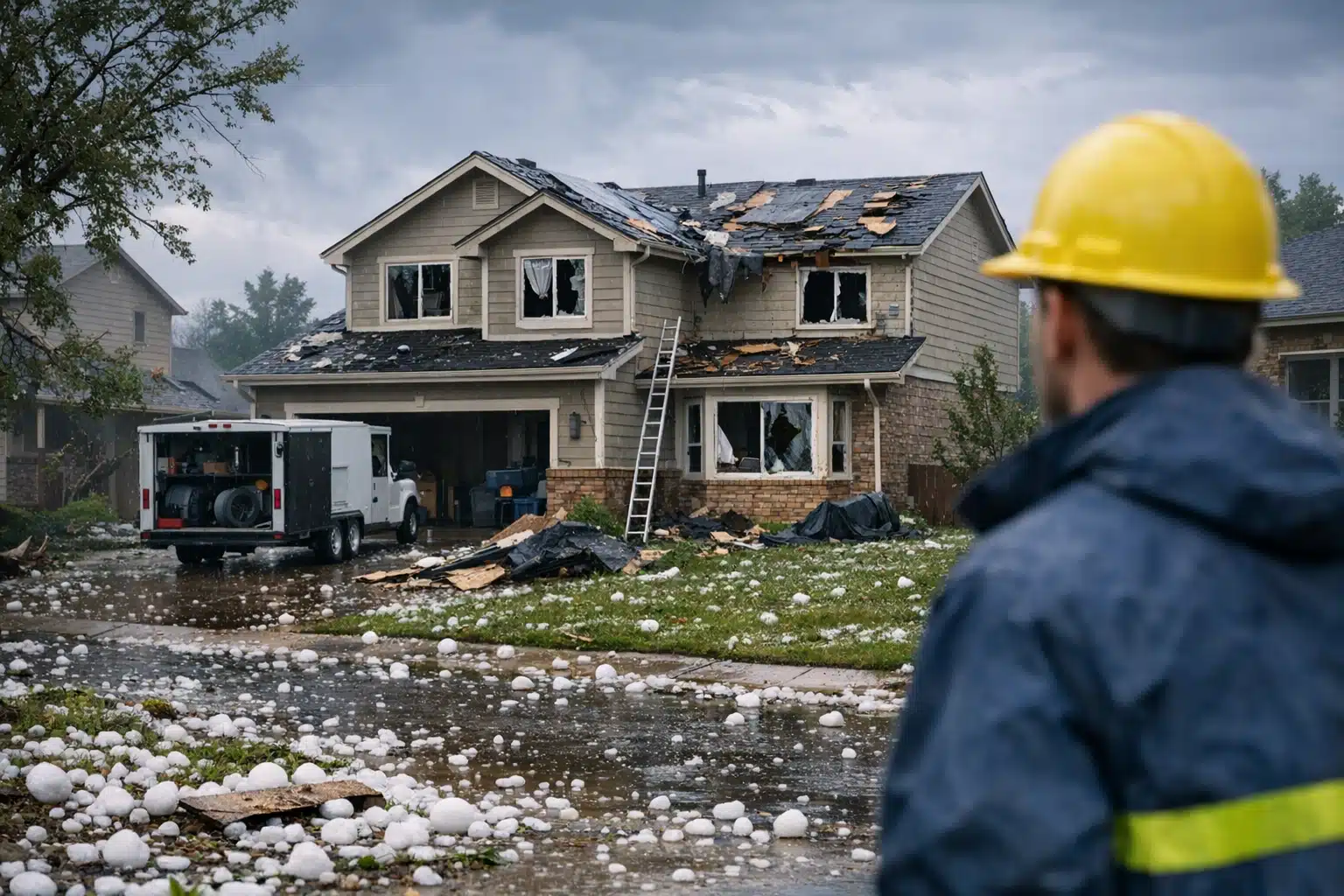
The process begins with a rapid-response call. Disaster restoration firms operate on a 24/7 basis because time is the primary variable in preventing secondary damage. Upon arrival, the initial objective is "damage containment." In a water loss scenario, this involves identifying the source (e.g., a burst pipe or flooding) and stopping it. In a fire event, it involves boarding up broken windows or covering roof holes to protect the property from weather and unauthorized entry.
Assessment requires atmospheric monitoring. Technicians use moisture meters, hygrometers, and thermal imaging cameras to map the extent of the damage. By identifying moisture migration patterns behind walls or heat signatures in electrical systems, they establish a "scope of loss" that will eventually be submitted to insurance adjusters.
2. Categorization and Remediation
The industry classifies water damage based on the potential for contamination, a framework established by the Institute of Inspection, Cleaning and Restoration Certification (IICRC) S500 standard.
- Category 1: Clean water from supply lines.
- Category 2: Gray water containing contaminants that may cause illness.
- Category 3: Black water, which includes sewage or floodwaters containing harmful bacteria and pathogens.
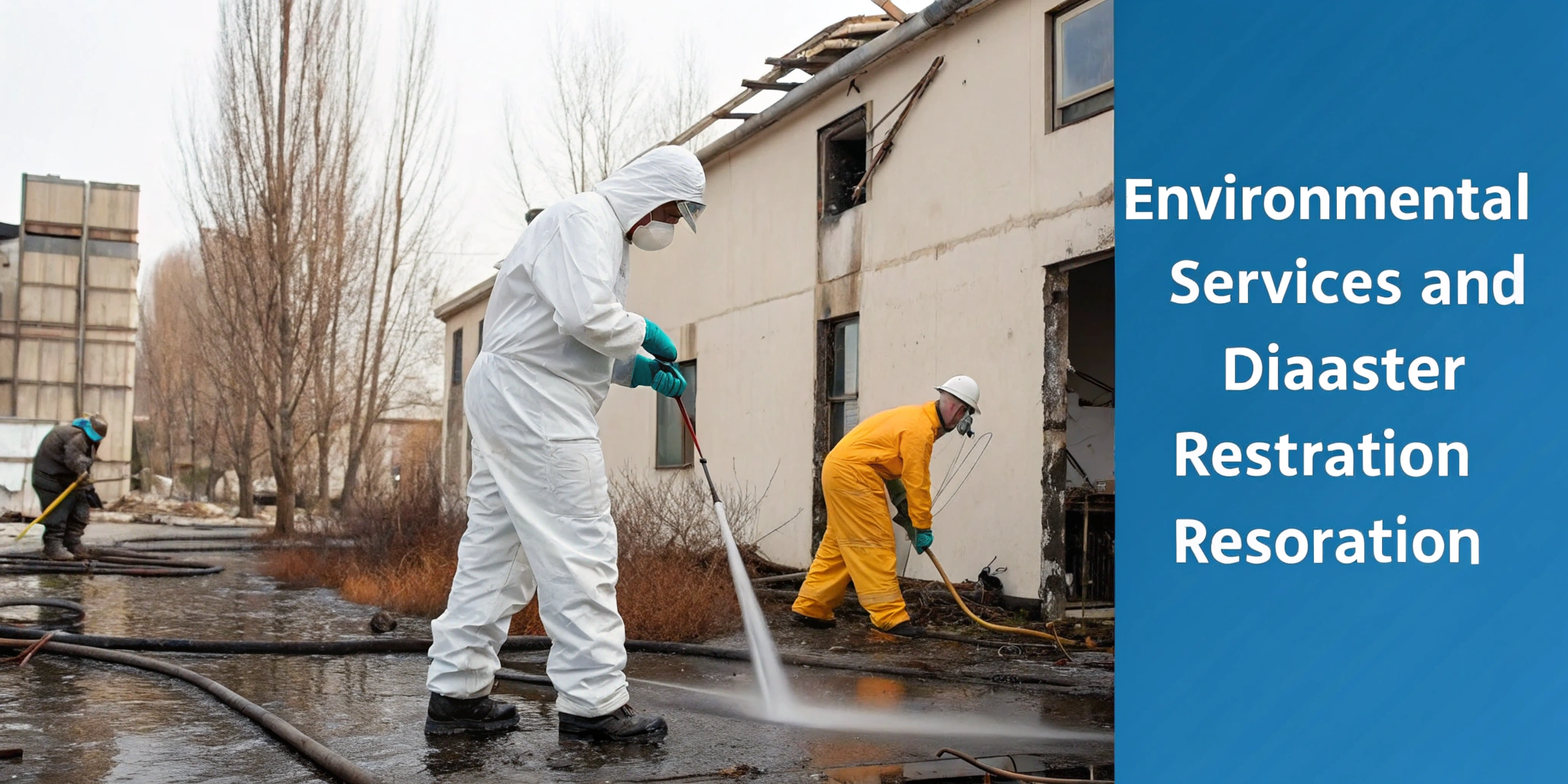
Operations shift drastically depending on these categories. Category 3 events require specialized personal protective equipment (PPE), containment barriers to prevent cross-contamination to unaffected rooms, and the removal of all porous materials (such as carpets and drywall) that cannot be sanitized.
3. Structural Drying and Stabilization
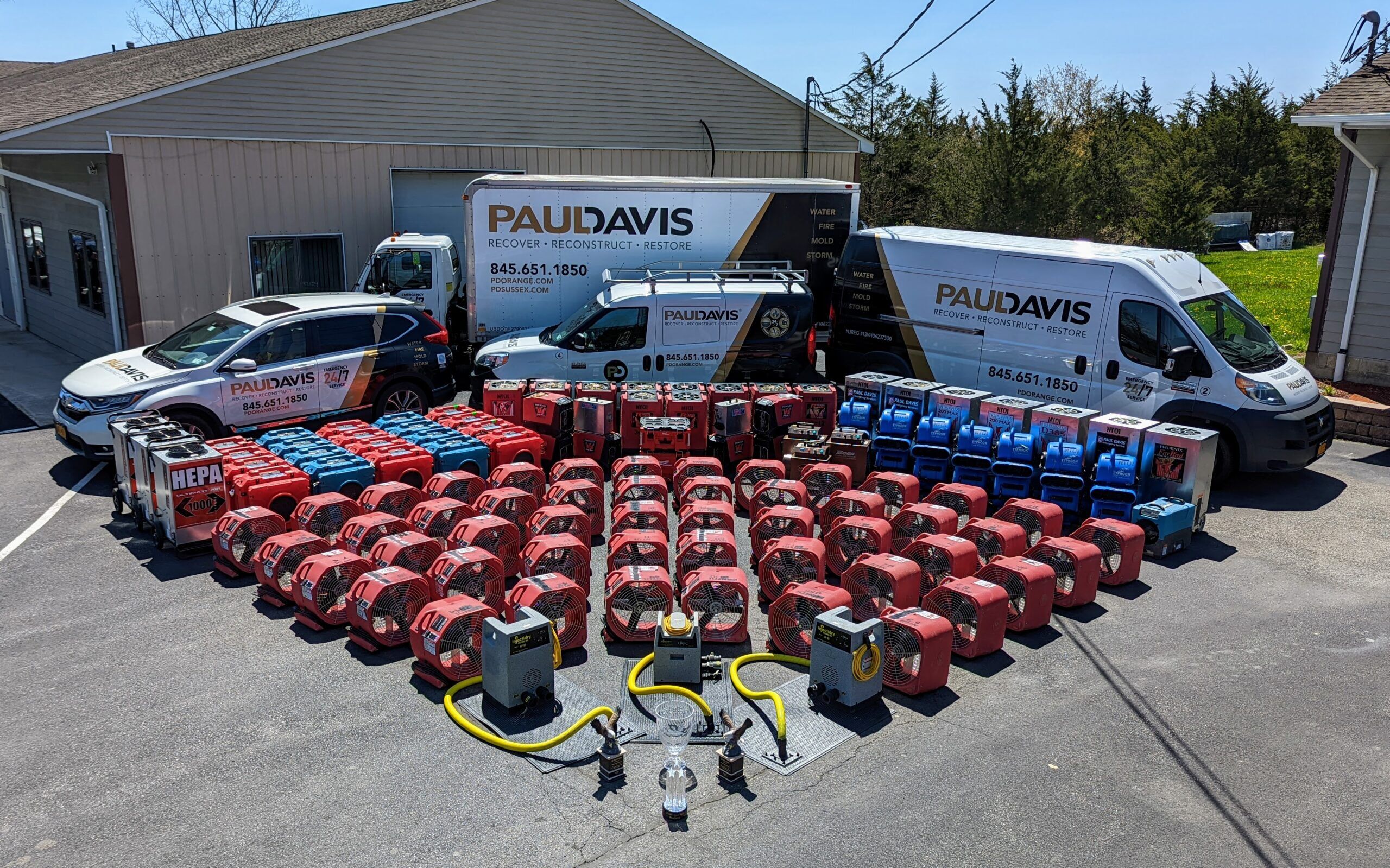
Once contaminants are removed, the drying phase commences. This is a technical operation governed by psychrometry—the study of air and moisture balance. Restoration companies use industrial-grade dehumidifiers and air movers to reach a "dry standard." This standard is determined by taking readings of the affected environment and comparing them to a "control" area (an unaffected room or the ambient exterior air). The goal is to return materials to their equilibrium moisture content (EMC) before secondary issues like mold growth or structural wood rot occur.
Standardized Operational Metrics and Tools
Disaster restoration companies rely on specific technical instruments to provide objective data. This documentation is essential for the insurance claim process. Without verified readings, adjusters may reject claims or dispute the duration of equipment usage.
| Tool | Primary Purpose | Application in Restoration |
|---|---|---|
| Moisture Meter | Detection | Identifying hidden water behind baseboards and flooring. |
| Hygrometer | Atmosphere | Measuring relative humidity (RH) and dew point. |
| Thermal Camera | Imaging | Locating temperature differentials indicating trapped water. |
| HEPA Air Scrubber | Filtration | Removing airborne particulates, mold spores, and soot. |
| Desiccant Dehumidifier | Environmental Control | Lowering vapor pressure to accelerate deep structural drying. |
The Role of Documentation and Insurance Coordination
A critical, often overlooked aspect of how disaster restoration companies operate is their administrative workflow. Because most professional restoration is paid through property insurance policies, companies must act as technical partners to the policyholder.
Technicians record "daily logs" during the mitigation phase. These logs track the readings of dehumidifiers, the temperature of the air, and the progress of drying over several days. In the 2026 insurance landscape, most companies use estimation software like Xactimate to generate line-item costs. These programs ensure that the pricing for labor, materials, and equipment usage conforms to regional market rates. If a restoration company operates outside these standardized pricing structures, the policyholder risks a coverage shortfall, where the insurance payout does not cover the full cost of the remediation.
Safety, Compliance, and Certification
Restoration is a high-liability field. Companies must comply with Occupational Safety and Health Administration (OSHA) standards, particularly when dealing with hazardous materials like asbestos, lead paint, or mold.
Professional firms often maintain certifications from the IICRC. These certifications act as a proxy for technical competency. For example, a technician certified in Water Damage Restoration (WRT) is trained to understand the physics of evaporation and the nuances of carpet cleaning and structural drying. Engaging with a non-certified company increases the risk of "improper remediation," where moisture is left behind, leading to long-term structural decay or the invalidation of home insurance policies due to poor maintenance.
Common Challenges in Disaster Restoration
The most significant obstacle in restoration operations is the delay in response. When a property is left damp for more than 48–72 hours, the probability of microbial growth rises exponentially.
Another challenge is "scope creep." During the demolition phase, hidden damage is frequently uncovered—such as electrical damage behind a fire-scorched wall or mold colonies inside an HVAC system. When this happens, the restoration company must pause, document the new findings, obtain approval from the property owner and the insurance carrier, and then proceed with the updated scope. This dynamic nature makes project timelines difficult to predict accurately at the start of a job.
Frequently Asked Questions
Does the restoration company pay for the repairs? No. Restoration companies are service providers contracted to perform mitigation. While they often work directly with insurance carriers, the legal obligation to pay for services rests with the property owner. You should review your policy carefully to understand your deductible and coverage limits.
How is the cost of disaster restoration calculated? Costs are typically based on standardized industry pricing databases. Factors include the square footage of the affected area, the type of materials being cleaned or removed, the quantity of drying equipment required, and the labor hours spent on site.
What is the difference between mitigation and restoration? Mitigation is the emergency phase—stopping the damage, removing water, and sanitizing. Restoration is the reconstruction phase—replacing drywall, installing new flooring, and painting to return the property to its pre-loss condition. Many companies provide both services, but some specialize only in mitigation.
Can I do the cleaning myself to save money? For minor events, yes. However, for significant water or fire damage, DIY efforts often fail to reach the industry-standard "dry standard" or sanitation level, which can result in long-term damage that insurance will refuse to cover in future claims.
Why are air movers and dehumidifiers left running for days? Drying is a balance of moisture removal. Air movers pull moisture from surfaces into the air, and dehumidifiers pull that moisture out of the air. If the equipment is removed too early, the humidity will rise again, potentially triggering mold growth.
Recommendation for Property Owners
In the event of a disaster, prioritize safety first. If the property is dangerous, evacuate immediately. Once safe, contact your insurance provider to open a claim before authorizing extensive, non-emergency work. When selecting a restoration partner, verify their IICRC certifications and ask for a written estimate based on industry-standard software to avoid billing disputes later in the process.
Image Gallery