Papal Smoke Tradition: Technology, Timing, and the Mechanics of the Conclave
The tradition of papal smoke—the ancient practice of signaling the outcome of a papal election through the color of smoke emitted from the Sistine Chapel—serves as the definitive announcement for the Catholic Church. Today, this proces...
The tradition of papal smoke—the ancient practice of signaling the outcome of a papal election through the color of smoke emitted from the Sistine Chapel—serves as the definitive announcement for the Catholic Church. Today, this process combines centuries-old ritual with modern thermal-chemical technology to ensure absolute clarity between "black smoke" (fumata nera) and "white smoke" (fumata bianca).
Contents
The procedure for electing a new Pope is governed by strict ecclesiastical laws, primarily those outlined in the apostolic constitution Universi Dominici Gregis. During a conclave, the College of Cardinals is sequestered within the Vatican to cast their votes. For centuries, the visual confirmation of the vote’s outcome relied solely on the burning of ballots, often mixed with other materials to alter the smoke's shade. However, the potential for ambiguity—where smoke appeared grey rather than distinctly black or white—necessitated a technological upgrade to maintain the integrity of the announcement.
The Evolution from Straw to Chemical Systems
Historically, the color of the smoke was achieved through rudimentary methods. If a vote was indecisive, damp straw was traditionally added to the fire to create thick, dark smoke. Conversely, the absence of such additives or the burning of dry paper was intended to produce white smoke. The primary limitation of this method was the inconsistency of the materials and the environmental conditions of the chimney, which frequently resulted in "uncertain" smoke, leaving the public and the media in states of confusion.
In 2005, the Vatican introduced a dedicated stove—the stufa—specifically engineered to standardize the color of the smoke. By 2013, this system was further enhanced with the introduction of an auxiliary heater designed to burn a specific chemical compound. This transition marked a move from organic smoke production to a controlled, chemical-based pyrotechnic signaling system, ensuring that the visual communication of the conclave is unmistakable.
Technical Specifications of the Modern Signaling System
The modern system relies on two distinct stoves located in the Sistine Chapel. The first is the historical stove used for burning the ballots. The second is an auxiliary stove, a sophisticated piece of technical equipment added to ensure the reliability of the signal.
The chemical compound used for generating smoke is stored within this auxiliary unit. When the cardinals reach a consensus, the ballots are burned as per tradition, but the electronic firing mechanism activates the relevant chemical cartridge:
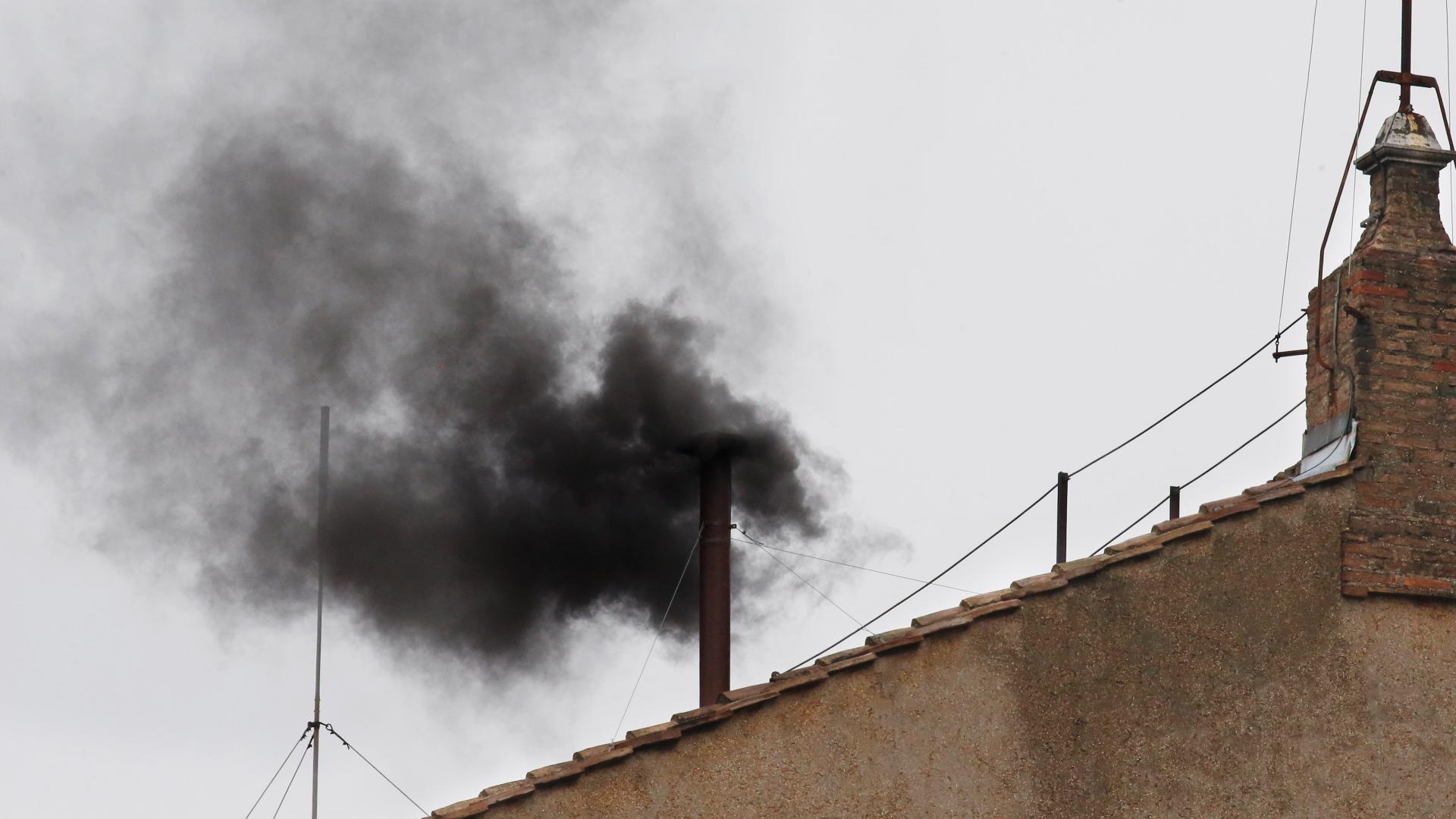
- Black Smoke (Fumata Nera): Generated when a ballot has been reached, but the two-thirds majority has not yet been achieved. The chemical mixture typically consists of potassium perchlorate, anthracene, and sulfur, which produces a dense, dark output.
- White Smoke (Fumata Bianca): Generated to signify the election of a new Pope. This is achieved through a mixture of potassium chlorate, lactose, and an amorphous resin (colophony or pine rosin), which produces a bright, clean white signal.
This dual-stove setup is connected to an external flue—the comignolo—which extends from the roof of the Sistine Chapel. The technology ensures that the smoke is expelled with sufficient velocity to be visible across St. Peter's Square, regardless of atmospheric pressure or humidity levels.
Conclave Timing and The Voting Schedule
The timing of the smoke is tethered strictly to the schedule of the balloting process. According to established norms, the cardinals generally conduct two sessions of voting per day: two in the morning and two in the afternoon.
The appearance of the smoke typically follows a standardized timeline after the ballots have been destroyed:
| Status | Approximate Timing | Indication |
|---|---|---|
| First Vote (AM/PM) | 1 hour after session | Indecisive result |
| Second Vote (AM/PM) | 1 hour after session | Indecisive result |
| Finality of Session | Concurrent with ballot burning | Election concluded or failed |
If a ballot is burned without the auxiliary chemicals, the smoke would naturally be grey. However, the protocol requires that the auxiliary system is engaged immediately after the ballots are processed to ensure the visual cue is binary. The "timing" is not just a reflection of the speed of the count, but a procedural necessity to allow the Vatican communications team to prepare for the Habemus Papam announcement, which follows the white smoke signal.
Environmental and Operational Considerations
The transition to a chemical signaling system was not purely for convenience; it was a matter of communication security and public clarity. Previous conclaves had been marked by frustration when the smoke color was ambiguous, leading to false reports by international news agencies.
The current stove system is designed to operate under strict safety guidelines. Because the Sistine Chapel contains priceless frescoes by Michelangelo and other Renaissance masters, the chemical smoke must be non-corrosive and produced in a manner that does not result in harmful particulate buildup within the chapel’s interior. The flue system is engineered to vent exclusively outdoors, bypassing the chapel's internal air volume. This ensures that while the signal is visible to the world outside, the interior remains protected from smoke damage.
Troubleshooting and Protocol Failures
While the modern system is highly reliable, the Vatican maintains contingency protocols for technical failure. In the rare instance that the auxiliary stove fails to trigger, the traditional method—burning the ballots in the main stove with specific fuel additives—remains the fallback.
However, the primary "troubleshooting" involves the human element. The Cardinals are responsible for ensuring that the ballots are properly fed into the stove. If the smoke is not sufficiently dark or bright due to a mechanical malfunction, the Vatican’s technical team on the roof is authorized to intervene, though such an event is highly improbable given the redundant nature of the modern digital firing sequence.
Frequently Asked Questions
1. Who manages the smoke signaling system during the conclave? The system is operated by a select group of technical experts and Vatican staff who are sequestered along with the cardinals. They are sworn to absolute secrecy regarding the technical operations of the conclave.
2. Can the smoke be seen clearly in all weather conditions? Yes. The chemical composition is engineered to produce high-contrast, dense smoke that remains visible even on overcast days. The elevation of the chimney on the roof of the Sistine Chapel is designed to ensure the smoke clears the roofline quickly.
3. What happens if the smoke is grey? Grey smoke is generally considered an error or a failure to clearly produce the intended color. Given the current two-stove configuration, the occurrence of "indecisive" smoke has been virtually eliminated, as the chemical injectors provide a consistent, high-intensity color.
4. How long does the smoke last after the announcement? The smoke usually lasts for several minutes, providing a visual window for those in the Square and for photographers and news cameras to capture the signal before it dissipates.
5. Are the chemical compounds toxic? The compounds are selected to be safe for the environment and for the limited duration in which they are burned. They are formulated specifically for this purpose to ensure no lingering chemical residue affects the Sistine Chapel or the surrounding area.
Next Steps for Observers
For those monitoring the progress of a conclave, the most critical step is to identify the authorized Vatican broadcast feed. Because the physical smoke signal is the first point of contact, keeping a direct visual line to the Sistine Chapel chimney is the standard method for news organizations. Following the smoke, the next formal action is the emergence of the Cardinal Protodeacon onto the balcony of St. Peter's Basilica to deliver the Habemus Papam announcement. Verification of the election always follows the visual signal, as the smoke acts as the precursor to the formal ecclesiastical proclamation.
Image Gallery