The JPMorgan Chase Controversy Over Jeffrey Epstein Ties: A Corporate Governance Analysis
The controversy surrounding JPMorgan Chase and its historical banking relationship with Jeffrey Epstein centers on allegations that the bank failed to adequately monitor or report suspicious financial activity associated with the convi...
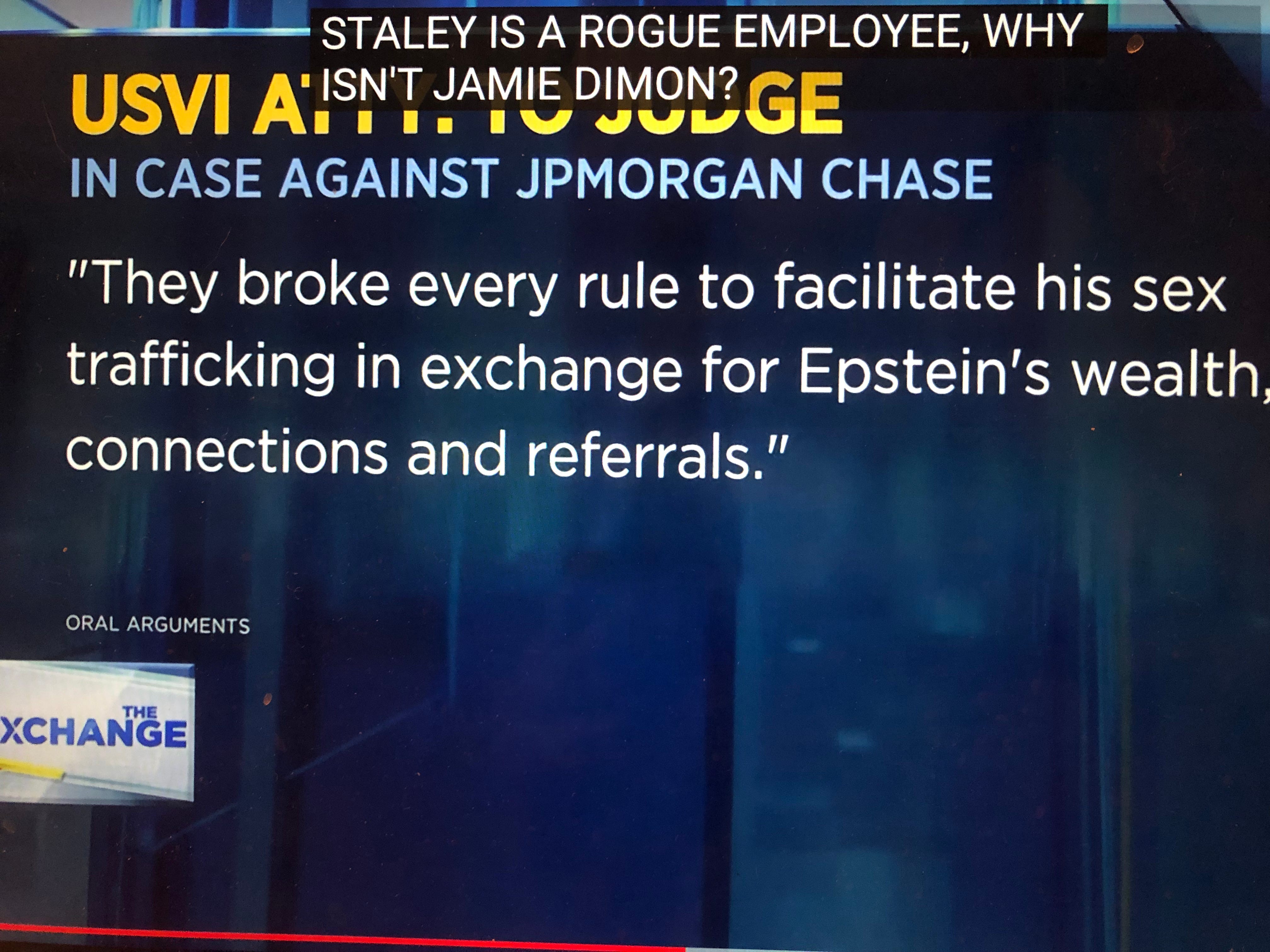
The controversy surrounding JPMorgan Chase and its historical banking relationship with Jeffrey Epstein centers on allegations that the bank failed to adequately monitor or report suspicious financial activity associated with the convicted sex offender. This institutional failure led to significant legal settlements, regulatory scrutiny, and a profound examination of the bank's internal compliance and due diligence protocols.
Contents
The Origins of the Banking Relationship
JPMorgan Chase maintained a banking relationship with Jeffrey Epstein from 1998 until 2013. During this period, Epstein was a prominent financier with a network of high-net-worth clients and influential connections. While the bank initially viewed the account as a profitable engagement with a wealthy individual, the internal management of these accounts later became the subject of intense public and legal scrutiny.
The central problem identified by investigators and plaintiffs was the bank’s internal handling of Epstein’s transactions. Despite Epstein’s 2008 conviction for soliciting prostitution from a minor—a high-profile case that appeared in international media—JPMorgan continued to provide him with banking services for several years. This decision defied the conventional risk-management standards expected of a Tier-1 global financial institution, raising questions about whether the bank prioritized the profits generated by Epstein’s accounts over its legal obligations to prevent money laundering and potential human trafficking facilitation.
Regulatory and Legal Consequences
The fallout from the connection resulted in a series of legal actions, most notably class-action lawsuits filed by victims of Epstein and a separate legal challenge initiated by the U.S. Virgin Islands, where Epstein owned private property.
In September 2023, JPMorgan Chase agreed to pay $290 million to settle a class-action lawsuit brought by survivors of Epstein’s abuse. Simultaneously, the bank reached a settlement with the U.S. Virgin Islands for approximately $75 million, which included contributions toward local anti-human trafficking efforts. These settlements were not an admission of guilt under the law but represented the bank’s effort to resolve significant litigation risk and close a dark chapter in its institutional history.
Furthermore, internal bank communications revealed that executives were aware of the risks posed by Epstein’s reputation. Testimony and document discovery during these proceedings highlighted an internal tension: the bank's "know your customer" (KYC) requirements—the mandatory processes used to verify the identity and integrity of clients—appeared to clash with the desire of senior management to retain a client who had introduced other wealthy individuals to the bank.
Failure of Due Diligence and Compliance
At the heart of the controversy is the adequacy of the bank’s anti-money laundering (AML) controls. Financial institutions are legally obligated under the Bank Secrecy Act to report suspicious activity to federal authorities via Suspicious Activity Reports (SARs). The evidence presented in court suggested that JPMorgan’s internal systems flagged numerous transactions that were never escalated or reported to regulators with the necessary urgency.
| Core Issue | Institutional Impact |
|---|---|
| KYC Protocol | Failure to offboard a high-risk client after the 2008 conviction. |
| AML Oversight | Inconsistent reporting of suspicious wire transfers and large cash movements. |
| Internal Governance | Influence of senior revenue-generating staff over compliance departments. |
| Legal Exposure | Multi-million dollar settlements and reputational damage to the brand. |
The failure was not merely technical but cultural. The internal discovery process demonstrated that while compliance officers voiced concerns about the nature of Epstein’s withdrawals and his associates, these concerns were frequently sidelined by the commercial departments responsible for managing Epstein’s "private bank" status.
Impact on Corporate Governance Standards
The JPMorgan controversy has become a case study in modern corporate governance, specifically regarding the "Environmental, Social, and Governance" (ESG) framework. Investors and regulators now place higher scrutiny on how banks vet clients whose activities may violate human rights, even if those activities are not directly linked to the bank's primary operations.
In the years following the disclosure of these documents, major financial institutions have overhauled their risk-assessment criteria. Many banks have implemented stricter "reputational risk" committees that have the authority to override commercial interests. This cultural shift acknowledges that the cost of failing to identify a high-risk client far exceeds the commission or interest income generated by that individual.
Frequently Asked Questions
Why did JPMorgan Chase maintain a relationship with Jeffrey Epstein for so long? The bank prioritized the business relationship because of Epstein’s status as a high-net-worth individual who provided introductions to other lucrative clients. Internal documents indicated that the bank’s private banking division viewed him as a significant source of revenue and network expansion, leading to a breakdown in compliance oversight.
Did JPMorgan Chase admit to facilitating illegal activity? No. As part of the settlement agreements reached in 2023, JPMorgan Chase did not admit liability. The settlements were structured to resolve the claims and end the litigation, avoiding the uncertainty and further reputational harm associated with a prolonged jury trial.
What are "Know Your Customer" (KYC) rules in this context? KYC rules are mandatory regulations requiring banks to verify the identity and assess the potential risk of their clients. In this case, critics argue that the bank failed to conduct adequate "enhanced due diligence" (EDD), which is required for high-risk accounts or individuals with sensitive public profiles.
How did the U.S. Virgin Islands become involved? The U.S. Virgin Islands (USVI) sued JPMorgan, alleging that the bank knowingly benefited from Epstein’s activities by facilitating the financial transactions that allowed his abuse to continue. The USVI argued that the bank was complicit in the trafficking scheme by providing the necessary financial infrastructure.
What changes has the banking industry made as a result of this? The industry has moved toward more centralized compliance structures, where compliance officers have greater autonomy from the profit-generating business units. There is also an increased focus on monitoring the long-term reputational risk of clients, rather than focusing solely on the immediate financial profitability of an account.
Moving Forward: The Lessons of Institutional Accountability
The JPMorgan Chase controversy illustrates the danger of silos within large organizations. When compliance departments are effectively separated from the decision-making power of front-office executives, the institution becomes vulnerable to significant legal and ethical breaches. For current banking professionals and stakeholders, the lesson is clear: robust compliance is not merely a bureaucratic hurdle but a fundamental pillar of institutional integrity.
As of 2026, the financial services sector continues to deal with the aftershocks of this case, leading to more stringent audits and a renewed emphasis on ethical banking practices. Organizations are increasingly held accountable not just for their own direct actions, but for the company they keep. Future success in the banking sector will likely depend on an institution's ability to maintain a balance between commercial growth and uncompromising ethical standards.
Image Gallery