The Legacy of David N. Dinkins: Analyzing New York City’s First Black Mayor
David N. Dinkins, who served as the 106th Mayor of New York City from 1990 to 1993, remains a pivotal figure in American urban politics. His tenure is characterized by a commitment to social cohesion, the stabilization of the city’s fi...
David N. Dinkins, who served as the 106th Mayor of New York City from 1990 to 1993, remains a pivotal figure in American urban politics. His tenure is characterized by a commitment to social cohesion, the stabilization of the city’s fiscal foundation, and the expansion of community-based policing, even as his administration navigated deep-seated racial tensions and intense economic volatility.
Contents
Political Trajectory and Historic Ascent
Before his election to the mayoralty, David N. Dinkins built a long and methodical career in New York City politics. A veteran of the United States Marine Corps and a graduate of Howard University School of Law, Dinkins served in the New York State Assembly, as President of the New York City Board of Elections, and as the Manhattan Borough President. His 1989 campaign against former prosecutor Rudy Giuliani was a landmark moment in local history, culminating in a narrow victory that made him the first African American to lead the nation’s largest city.
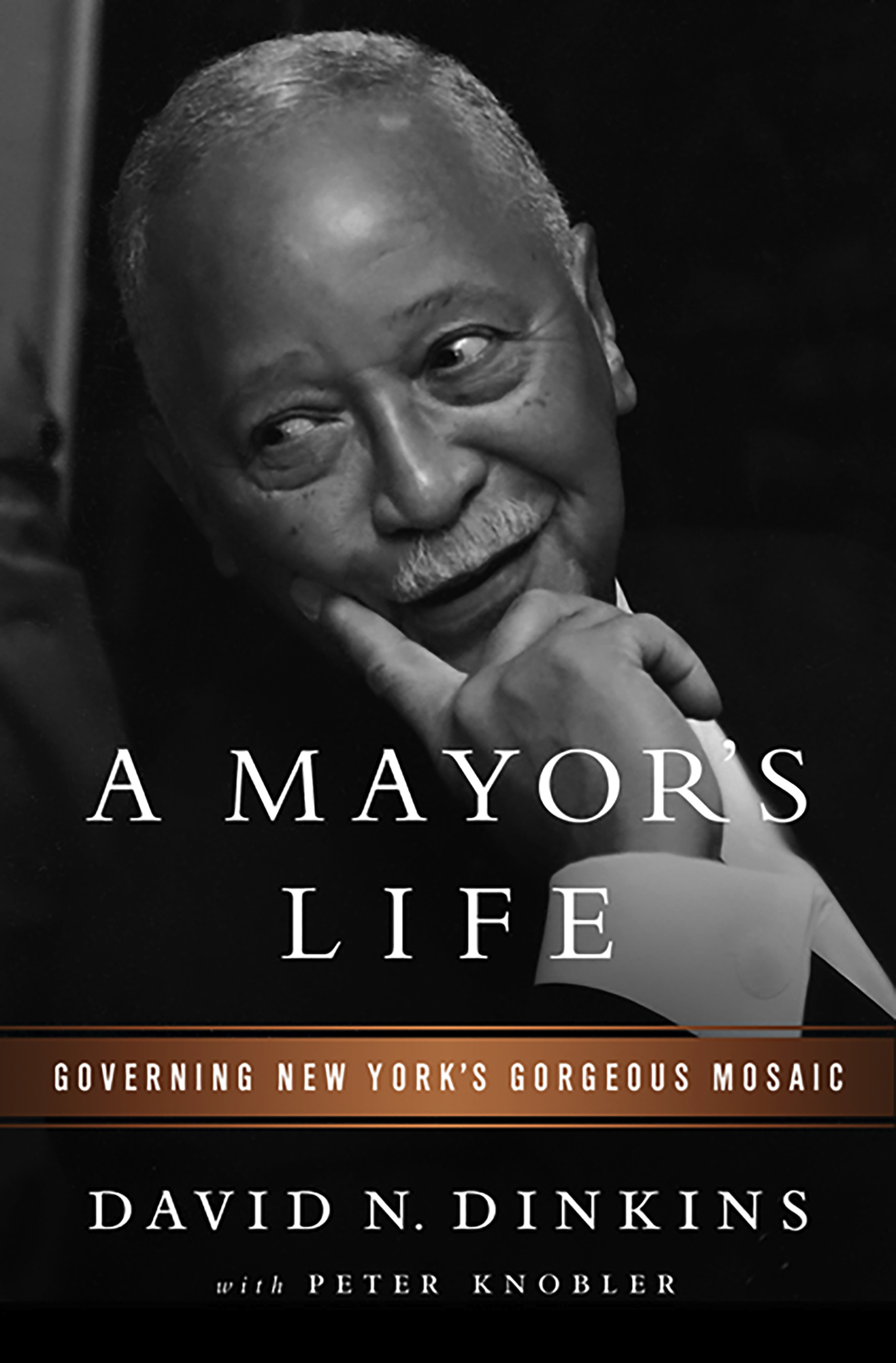
Dinkins’ administration inherited a city on the precipice of significant change. The late 1980s had been marked by a rising crime rate, an escalating crack cocaine epidemic, and a widening wealth gap. His election was heralded by many as a symbol of racial reconciliation, with his inaugural address famously referring to the city as a "gorgeous mosaic"—a phrase that defined his vision of a pluralistic, unified metropolis where different ethnic and socioeconomic groups could coexist harmoniously.
The Safe Streets, Safe City Initiative
One of the most enduring components of the Dinkins legacy is the "Safe Streets, Safe City" program. Launched in 1991, this initiative sought to modernize the New York City Police Department (NYPD) by significantly increasing the number of police officers on the beat. Recognizing that the city’s crime rates—particularly regarding violent offenses—had become unsustainable, Dinkins pushed for a comprehensive funding strategy to add thousands of new officers to the force.
This policy was rooted in the concept of community policing, which emphasized officers building relationships with neighborhood residents rather than relying solely on rapid-response tactics. While the results were not instantaneous, data from the later years of his term showed a downward trend in violent crime that provided the structural foundation for the subsequent declines seen throughout the 1990s. His approach prioritized institutional stability, shifting the NYPD toward a more proactive, presence-based model that remains a subject of study in urban sociology and criminal justice curricula today.
Economic Management and Fiscal Stewardship
Dinkins took office during a period of national recession. The municipal budget was severely constrained, and the city faced the twin pressures of a shrinking tax base and rising public service demands. His administration was forced to make difficult budgetary decisions, including tax increases designed to preserve core services like public education and sanitation, which were under threat due to the fiscal downturn.
Despite these challenges, his administration managed long-term economic development projects that transformed the city's physical and commercial landscape. He facilitated the development of major projects, including the revitalization of Times Square—which began under his administration’s collaboration with state and private interests—and the establishment of new business improvement districts. These efforts provided a blueprint for urban renewal that helped steer New York City away from the bankruptcy risks of the previous decades and toward the commercial expansion that characterized the late 1990s and early 2000s.
Navigating Social Unrest and Political Friction
The legacy of David N. Dinkins is inextricably linked to how his administration responded to civil unrest, most notably the 1991 Crown Heights riots. The riots were sparked by a tragic traffic accident involving a motorcade and a young child, leading to days of conflict between the neighborhood’s Black and Hasidic Jewish communities. Critics at the time argued that the administration’s response was too measured, while supporters pointed to his efforts to maintain a dialogue between the groups as a necessary, if difficult, exercise in leadership.
This period underscored the immense pressure placed on a mayor tasked with balancing competing interests in a highly segregated urban environment. The event significantly impacted his public image and is often cited by historians as a primary factor in his 1993 reelection loss to Rudy Giuliani. However, retrospectives have increasingly focused on the complexity of his position, noting that he consistently opted for consensus-building and de-escalation over confrontational politics, a hallmark of his temperament.
Comparative Overview of Governance Styles
To understand the impact of the Dinkins era, it is helpful to contrast his governing philosophy with those of his predecessors and successors.
| Governing Focus | David N. Dinkins | Successor Era Trends |
|---|---|---|
| Policing Style | Community-based / Expanded force | Proactive / Zero-tolerance |
| Social Narrative | "Gorgeous Mosaic" / Inclusion | Law and Order / Privatization |
| Primary Goal | Social cohesion / Public health | Crime reduction / Market efficiency |
| Economic Policy | Tax increases to stabilize services | Corporate tax breaks / Real estate focus |
Long-term Influence on NYC Governance
By 2026, the historical perspective on David N. Dinkins has shifted from the short-term political loss of 1993 toward a deeper appreciation for his institutional contributions. His emphasis on public health, particularly his efforts to combat the HIV/AIDS epidemic through the expansion of public clinics, is now viewed as an early, necessary intervention in urban public health policy. Furthermore, his appointment of the first female and first Black police commissioners reflected a commitment to diversifying the city’s civil service, a trend that has since become the standard in municipal governance.
His administration also broke ground in the regulation of the city’s nightlife and the formalization of relationships between city government and various ethnic advocacy groups. These administrative norms established a precedent for how a modern, pluralistic city handles internal conflicts and service delivery. While his term was brief, the infrastructures he solidified—both in the NYPD and in the city’s approach to urban development—provided the operational runway for his successors to claim credit for the city's mid-90s resurgence.
Frequently Asked Questions
What was the "gorgeous mosaic" concept associated with David N. Dinkins? It was a metaphor used by Mayor Dinkins to describe New York City’s diverse population. He envisioned the city as a collection of different cultures, ethnicities, and backgrounds that, while distinct, contributed to a beautiful and unified whole. This philosophy guided his policy of promoting inclusion and civic engagement across all five boroughs.
How did the "Safe Streets, Safe City" program impact crime? The program was designed to increase the number of uniformed police officers on the streets. By expanding the force, the administration aimed to discourage criminal activity through visibility and community engagement. While crime rates remained a national issue during his term, the policy is recognized for creating the foundational capacity that later helped drive down crime statistics across the city.
Why is the Crown Heights riot often discussed regarding his legacy? The 1991 riots presented a significant challenge to his administration’s ability to act as an impartial mediator. The incident exposed deep divisions within the city. Critics often pointed to the handling of the event as a failure of mayoral command, whereas supporters argue that his refusal to resort to excessive force prevented further loss of life, favoring a policy of negotiation over immediate physical suppression.
What was the primary cause of his 1993 election defeat? While several factors played a role, the 1993 election was influenced by a perception of instability and a desire for a more aggressive approach to crime and economic management. The memory of the Crown Heights riots, coupled with a national economic downturn that made municipal tax increases unpopular, allowed his opponent to position a "law and order" platform as the preferred path for the city’s future.
What is the professional standing of David N. Dinkins in 2026? As of 2026, he is regarded as a transformative figure who navigated an exceptionally difficult period in New York City history. His legacy is increasingly viewed through the lens of his commitment to civil rights and his role in diversifying the municipal workforce, with his policy interventions recognized as having laid the groundwork for contemporary urban management strategies.
Final Recommendations for Further Study
For those interested in the intricacies of New York City municipal history, examining the archived press releases and city budget documents from 1990–1993 provides the most objective data on the administration’s priorities. Researchers should prioritize primary sources from the New York City Municipal Archives to distinguish between the political rhetoric of the time and the actualized administrative outputs. Additionally, reviewing the transition reports from his administration can offer insights into the specific operational hurdles faced by his staff, providing a clearer picture of the challenges inherent in leading a city undergoing rapid demographic and economic shifts.
Image Gallery