Understanding the Willie G. Davidson Signature Value in Collectible Harley-Davidson Memorabilia
The value of items bearing the Willie G. Davidson signature is driven by provenance, the rarity of the specific object, and its historical connection to Harley-Davidson Motor Company. While the signature itself is highly respected by e...
The value of items bearing the Willie G. Davidson signature is driven by provenance, the rarity of the specific object, and its historical connection to Harley-Davidson Motor Company. While the signature itself is highly respected by enthusiasts, its financial impact depends heavily on whether the item is a mass-produced commemorative product or a unique, hand-signed piece of motorcycle history.
Contents
The Significance of the Willie G. Davidson Signature
Willie G. Davidson, the grandson of one of the company's founders, served as the Chief Styling Officer at Harley-Davidson for decades. His influence transformed the aesthetic identity of the brand, moving it from utilitarian machinery toward the stylized, iconic "custom" look that defined the modern era of the company. Because of this deep-seated legacy, his signature serves as a symbol of the brand's creative soul.
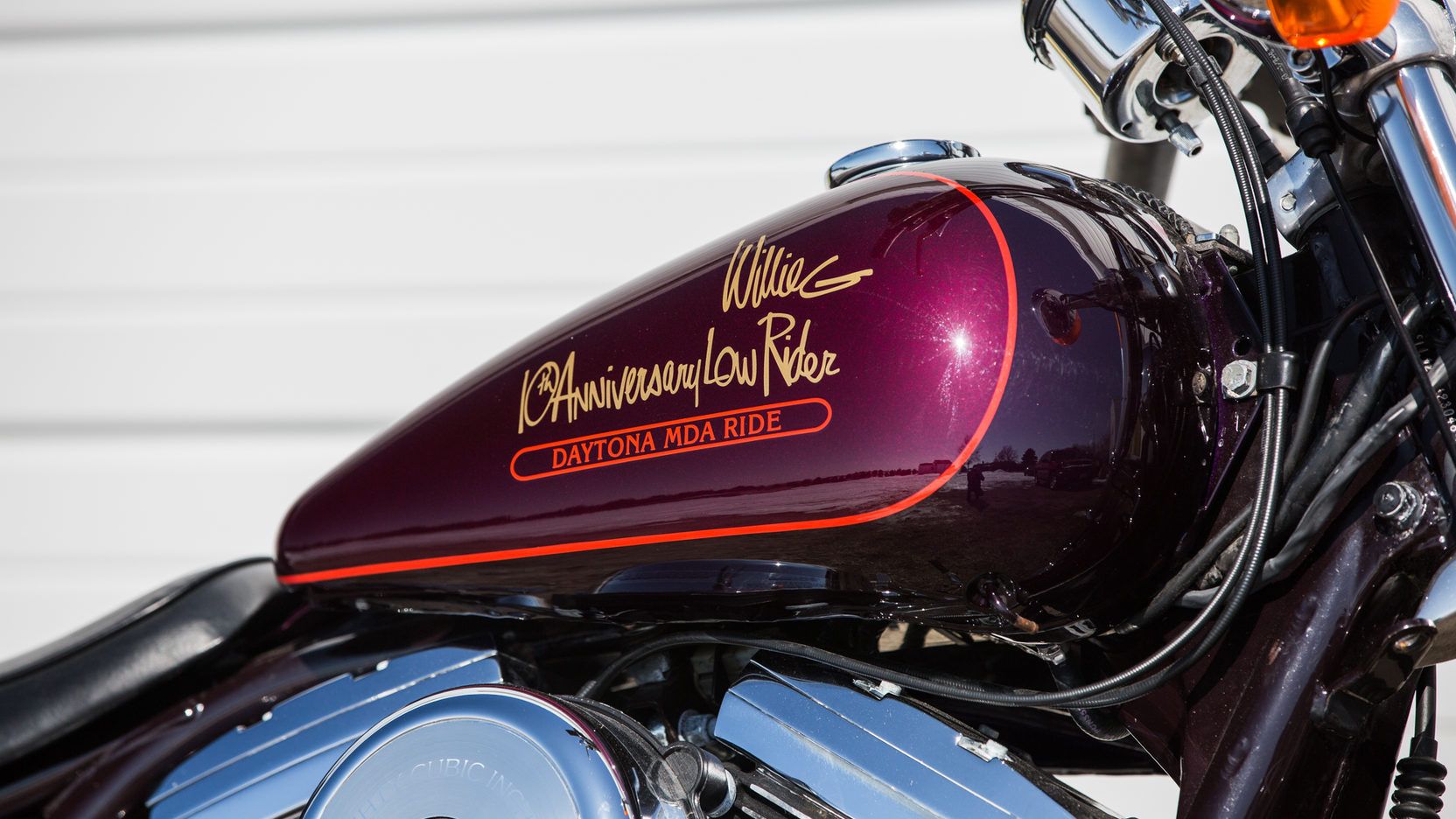
In the secondary market, items signed by "Willie G." are generally categorized into two groups: factory-authorized commemorative merchandise and authentic personal signatures. Authentic signatures obtained in person—on a fuel tank, a framed print, or a vintage leather jacket—carry significantly more value than factory-stamped signatures found on mass-market apparel.
Determining Market Value: Factors at Play
When evaluating an item featuring the Willie G. Davidson signature, several factors must be weighed to determine its market standing.
Provenance and Authentication
The most critical factor in valuing a signed item is the existence of verifiable provenance. A signature on a napkin without context is difficult to verify; however, a signature on a specific motorcycle component, accompanied by a letter of authenticity or documentation of the event where it was signed, commands a premium. In 2026, the collector market remains skeptical of signatures lacking clear history, making physical proof of the signing event highly desirable.
The Surface of the Signature
The object onto which the signature is placed often dictates the floor price. Signatures on high-value, durable goods like vintage engine covers, air cleaner covers, or limited-edition tank badges are more valuable than those found on promotional posters or standard T-shirts. A signature that has been clear-coated or preserved on a metal or painted surface is significantly more desirable than one on a fading piece of fabric.
Condition and Preservation
Collectible value is highly sensitive to the condition of the signature itself. UV damage, moisture, and general wear can cause ink to fade or lift from the surface. In the world of motorcycle memorabilia, the "patina" of the item is important, but the signature must remain legible and clear. If a signature has been damaged by improper storage, the value of the object often reverts to the baseline market value of the unsigned item.
Comparative Value Matrix
The following table illustrates the general valuation hierarchy for Willie G. Davidson signed items. Please note that these are estimates based on market trends and do not constitute professional appraisals.
| Item Type | Signature Status | Relative Value Potential |
|---|---|---|
| Factory-Stamped Apparel | Mass Produced | Low |
| Signed Marketing Prints | Authentic | Moderate |
| Signed Tank/Fender Badge | Authentic | High |
| Custom-Painted Tank | Authentic | Very High |
| Historical Prototype Part | Authentic | Maximum |
The Role of Harley-Davidson Commemoratives
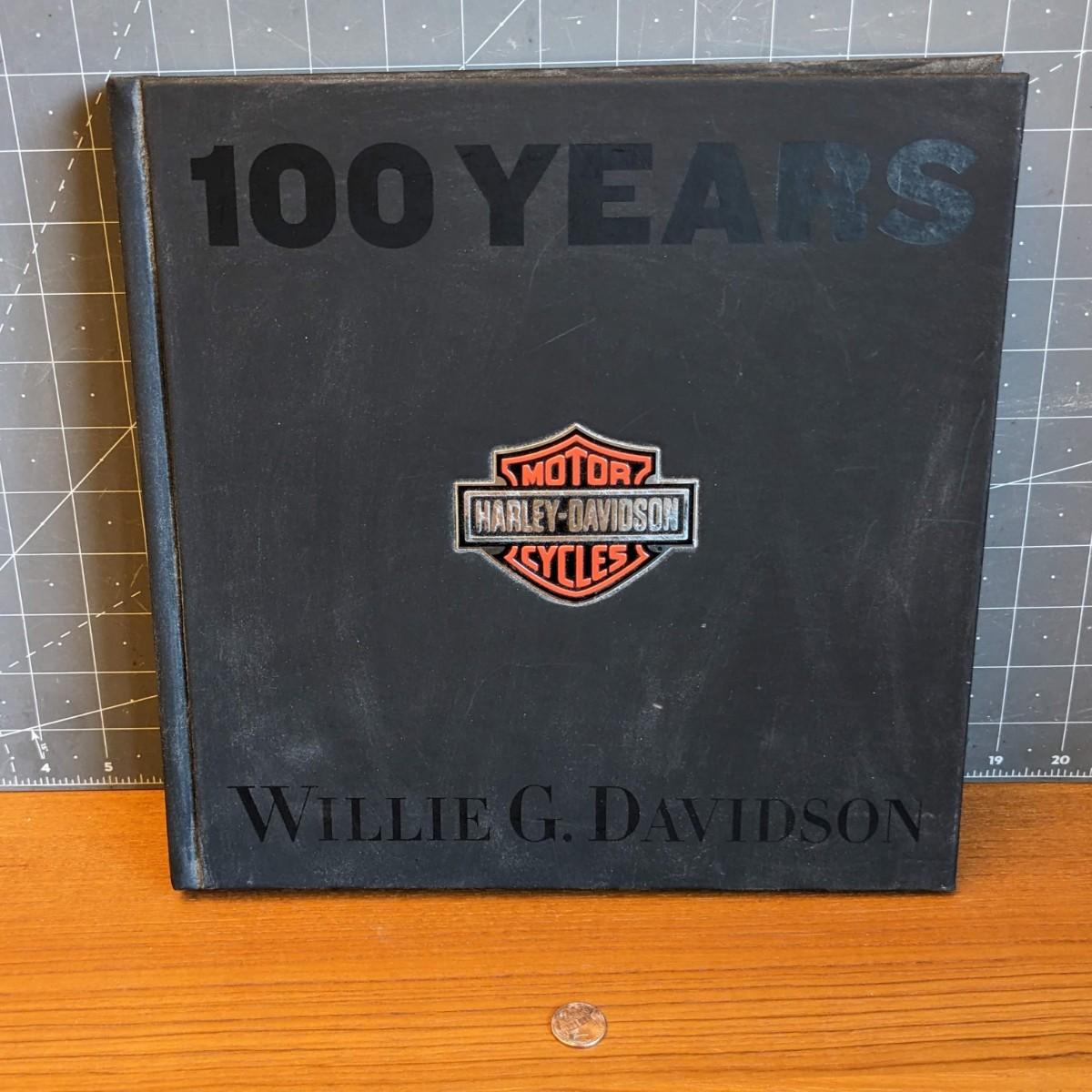
It is common for collectors to encounter items that appear to be signed by Willie G. Davidson but are actually part of a mass-produced line. During various anniversary celebrations—such as the 90th, 95th, or 100th anniversary—Harley-Davidson released various merchandise that included a digitized or silkscreened version of Willie G.'s signature as part of the graphic design.
These items are highly collectible for their anniversary status but do not carry the "signed memorabilia" premium associated with a unique, hand-written signature. Collectors should use a magnifying glass to check for the telltale signs of a printed graphic, such as dot-matrix patterns, uniform ink density, or identical signatures across hundreds of units.
Professional Tips for Collectors and Sellers
If you are looking to sell or insure an item signed by Willie G. Davidson, follow these technical steps to ensure accurate valuation:
- Document the Acquisition: If you obtained the signature yourself, keep photos, tickets, or digital timestamps from the event. This is the gold standard for provenance.
- Consult Independent Appraisers: Do not rely on forum pricing or social media estimates. Seek out appraisers who specialize in automotive or motorcycle memorabilia, as they understand the distinction between mass-market licensing and personal artifacts.
- Preservation: If the signature is on a delicate surface, avoid aggressive cleaning agents. Even mild solvents can dissolve signature ink instantly. Consult a professional conservator if the item requires restorative work.
- Insurance Verification: For high-value, authenticated pieces (such as a signed tank mounted on a display stand), include the item in your homeowners or specialized collector's insurance policy. Provide the insurer with the documented provenance to justify the insured value.
Common Misconceptions
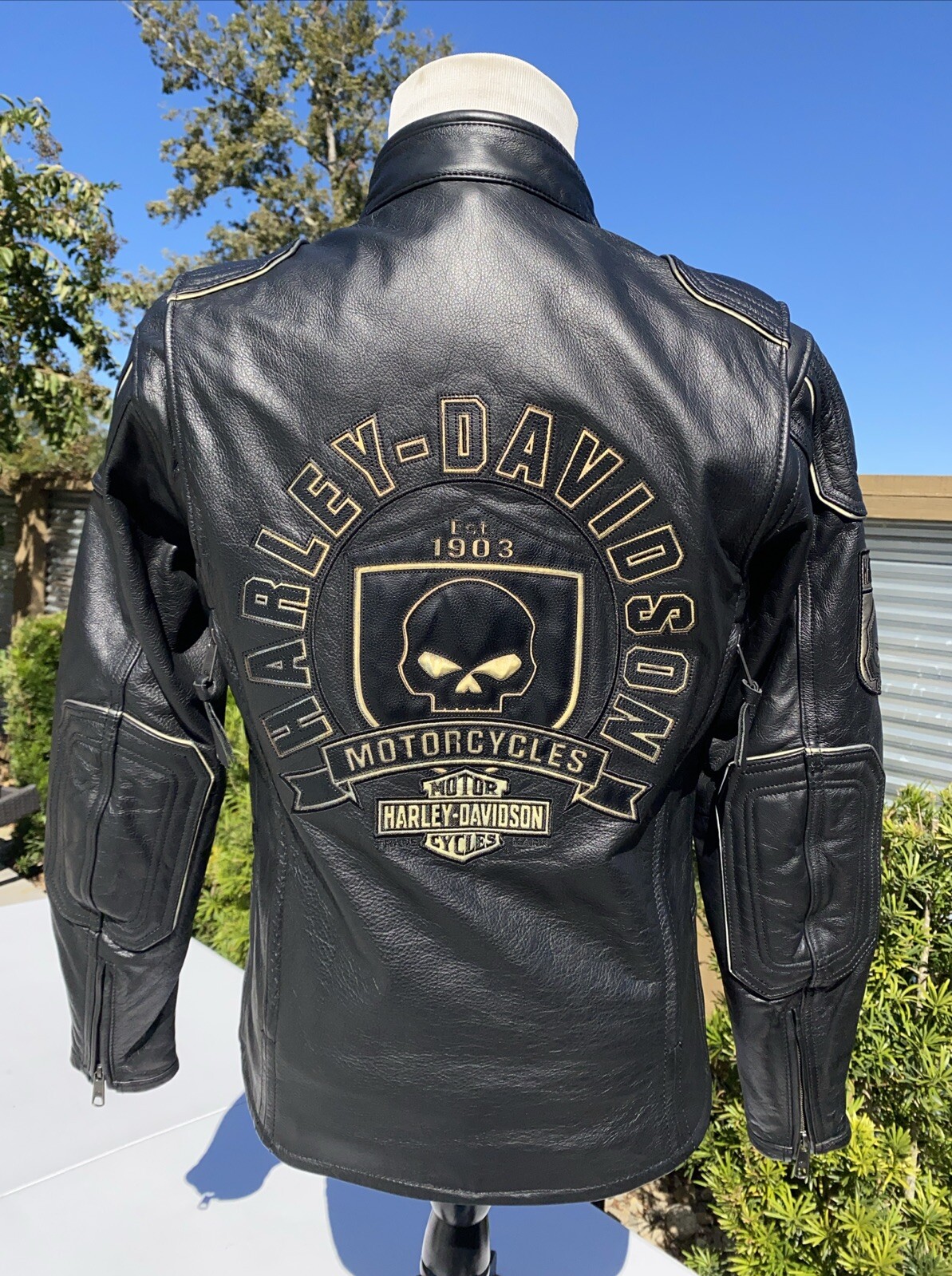
A frequent mistake in the marketplace is assuming that any item with "Willie G." branding is personally signed. The "Willie G. Skull" logo, for example, is a ubiquitous graphic used on thousands of aftermarket parts. While this brand is associated with his design legacy, it is not an indicator of his personal autograph. Value should be calculated based on the rarity and age of the part itself, rather than the presence of the skull logo.
Frequently Asked Questions
How can I tell if the signature is authentic or printed? Printed signatures often have a uniform thickness and texture consistent with the surrounding ink. Authentic hand-signed signatures will show slight variations in ink pressure, potential skipping, and a texture that rests on top of the surface rather than being integrated into the factory graphic.
Does a Willie G. signature add value to a high-mileage motorcycle? Generally, yes, provided the signature is on a significant, permanent component like a gas tank or dash console. However, if the bike is in poor mechanical condition, the signature's value may be overshadowed by the cost of needed mechanical repairs.
Are certificates of authenticity (COA) always reliable? Not necessarily. A COA is only as credible as the person or entity that issued it. Always prioritize provenance (evidence of the signing) over a generic COA from an unknown third-party seller.
Should I have a signature clear-coated? Do not apply clear coat yourself. Modern clear coats can chemically react with ink, causing it to smear or dissolve. If you wish to protect a signature, utilize professional framing with UV-protective glass for flat items or consult a professional motorcycle painter regarding chemical compatibility.
Where is the best place to sell a signed Willie G. item? High-end memorabilia auctions or reputable, enthusiast-focused online communities are usually more effective than general-purpose marketplaces. Enthusiasts who recognize the value of the signature are more likely to offer a fair market price.
Final Recommendation
The value of a Willie G. Davidson signature is subjective and heavily contingent upon the item it rests upon. If you possess an item with a signature you believe to be authentic, start by cataloging the history of the object and verifying its authenticity through photographs or historical records. If the goal is long-term appreciation, prioritize items with a clear historical connection to the brand's development—such as components from significant model years or one-of-a-kind design pieces—rather than mass-produced retail goods.
Image Gallery