Shirley Bernstein: The American Artist and Master of Printmaking
Shirley Bernstein is a distinguished American printmaker and painter celebrated for her evocative landscapes expressed through monotypes, woodcuts, and pastels. Her work is characterized by a deep exploration of light, atmosphere, and...
Shirley Bernstein is a distinguished American printmaker and painter celebrated for her evocative landscapes expressed through monotypes, woodcuts, and pastels. Her work is characterized by a deep exploration of light, atmosphere, and the natural world, particularly the terrain of New England. As of 2026, she remains a significant figure in contemporary American art, recognized for her technical mastery and her role as an influential educator in the Northeast.
Contents
The Artistic Identity of Shirley Bernstein
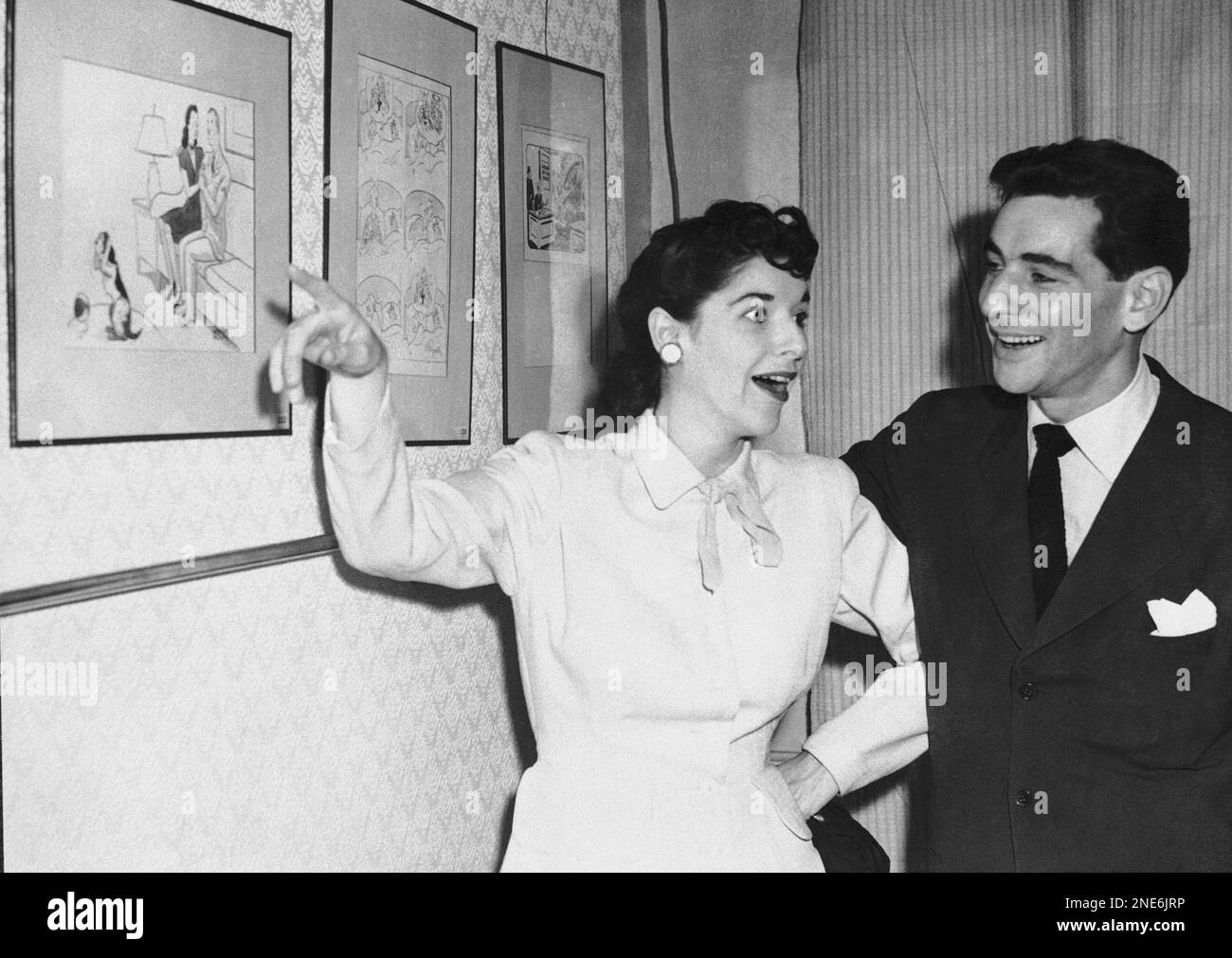
To understand Shirley Bernstein is to understand the intersection of observation and technical precision. While there are other notable individuals with the same name—most notably the sister and theatrical agent of composer Leonard Bernstein—the Shirley Bernstein discussed here is the visual artist whose career has spanned over four decades of dedicated practice. Her work does not merely replicate the landscape; it interprets the emotional resonance of space, the movement of weather, and the structural integrity of the earth.
Based in Connecticut, Bernstein has cultivated a reputation as a "painterly printmaker." This term describes her ability to bring the fluid, expressive qualities of painting into the more rigid, process-driven world of relief and planographic printing. Her primary focus is the landscape, but she approaches it with a modern sensibility that emphasizes color theory and the tactile nature of her materials.
Academic Foundation and Professional Evolution
Bernstein’s journey as an artist is rooted in a rigorous academic background. She earned her Bachelor of Fine Arts (BFA) from the Philadelphia College of Art (now the University of the Arts) and her Master of Fine Arts (MFA) from Indiana University, Bloomington. These institutions provided her with a dual mastery of traditional drawing techniques and the complex chemical and mechanical processes of printmaking.
Throughout her career, she has balanced her personal practice with a commitment to art education. Having taught at institutions such as Housatonic Community College and Quinebaug Valley Community College, she has influenced generations of emerging artists. In the academic sphere, she is known for her insistence on craft—teaching that the "soul" of a piece cannot be separated from the technical skill required to produce it.
Technical Mastery: Woodcuts, Monotypes, and Pastels
Bernstein is perhaps most famous for her work in three distinct mediums. Each serves a different purpose in her exploration of the American landscape, yet all are unified by her unique visual language.
The Complexity of the Woodcut
In her woodcuts, Bernstein often utilizes a multi-block or reduction process. Woodcutting is one of the oldest forms of printmaking, but she updates it by focusing on the interplay of texture and transparency. By carving into wood blocks, she creates a relief surface where the "negative" space is removed, leaving the "positive" image to be inked and transferred to paper. Her woodcuts are noted for their bold compositions and the way they capture the ruggedness of geological formations.
The Fluidity of Monotypes
Monotypes represent the "painterly" side of her printmaking practice. Unlike woodcuts or etchings, a monotype is a unique print; only one definitive impression is usually pulled. Bernstein applies pigment (typically oil-based inks) directly onto a smooth plate—often plexiglass or metal—manipulating the ink with brushes, rags, and rollers before passing it through a high-pressure press. This medium allows her to capture fleeting atmospheric conditions, such as the mist over a valley or the shifting light of a sunset, with a spontaneity that relief printing cannot match.
The Tactile Quality of Pastels
While printmaking involves a degree of separation between the artist and the final image (via the press), pastels offer Bernstein a direct, physical connection to the substrate. Her pastel drawings often serve as the foundation for her prints, but they stand alone as powerful works of art. She uses high-quality pigments to layer color, creating a luminosity that mimics the actual behavior of light in nature.
Core Themes and Visual Philosophy
The primary subject of Bernstein’s work is the landscape of the Northeast United States. However, her goal is rarely a literal "snapshot." Instead, she focuses on several recurring themes:
- Light and Shadow: How light defines form and creates mood. She is particularly interested in "liminal" light—dawn, dusk, or the moments before a storm.
- Geological Structure: The underlying "bones" of the earth. Her work often features stone walls, rocky outcroppings, and the rolling hills of Connecticut and Vermont.
- Atmospheric Perspective: The way air and moisture change the appearance of objects in the distance. This is where her technical skill in layering inks becomes most apparent.
- The Human Imprint: While her landscapes are often devoid of people, they frequently include human elements like barns, fences, or cleared fields, suggesting a quiet dialogue between nature and civilization.
Comparison of Artistic Mediums in Bernstein's Work
The following table highlights the technical differences and characteristic outcomes of the three primary mediums Shirley Bernstein utilizes in her practice.
| Feature | Woodcuts (Relief) | Monotypes (Planographic) | Pastels (Drawing) |
|---|---|---|---|
| Reproducibility | Multiple (Editions) | Unique (One-of-a-kind) | Unique (One-of-a-kind) |
| Primary Tool | Gouges and Chisels | Brushes and Rollers | Hand-applied sticks |
| Substrate | Wood blocks (Cherry, Birch) | Plexiglass or Metal plate | Heavyweight paper |
| Visual Texture | Graphic, Bold, Linear | Soft, Blended, Painterly | Velvety, Vibrant, Layered |
| Process Speed | Slow (requires carving) | Moderate (spontaneous) | Fast (direct application) |
Notable Collections and Exhibitions
As of 2026, Bernstein’s work is represented in a variety of prestigious public and private collections. Her inclusion in these institutions solidifies her status as a significant American artist. Key locations where her work has been held or exhibited include:
- The Newport Art Museum: Featuring her interpretations of coastal and regional landscapes.
- The Slater Memorial Museum: Known for its collection of Connecticut-based artists.
- The National Museum of Women in the Arts: Highlighting her contributions to the field of printmaking.
- Corporate Collections: Including firms such as Pfizer and Aetna, which have historically acquired her work for its calming yet intellectually stimulating qualities.
Her exhibition history is extensive, featuring solo and group shows throughout the United States and abroad. She has been a frequent participant in the Silvermine Guild of Artists and various national printmaking biennials.
Collecting Shirley Bernstein’s Art: A Guide for Connoisseurs
For those looking to acquire a piece by Bernstein, there are several factors to consider to ensure authenticity and value.
Understanding Editions vs. Unique Works
When purchasing a woodcut, ensure you understand the edition number (e.g., 5/20). This indicates the print is the fifth out of a total of twenty. Lower edition numbers are generally not "better," but a smaller total edition size often increases rarity. Conversely, monotypes and pastels are unique. In the market, a unique monotype may command a higher price than a standard edition print because there is only one in existence.
Condition and Conservation
Prints and pastels are sensitive to light and humidity. When evaluating a piece, check for "foxing" (small brown spots caused by fungus or paper oxidation) and fading. Bernstein uses high-quality, acid-free papers and lightfast pigments, but proper framing with UV-protective glass is essential for maintaining the work’s longevity.
Where to Buy
Bernstein is typically represented by regional galleries in the Northeast. Auction houses and online platforms specializing in fine art prints also occasionally feature her work. As of 2026, prices for her smaller monotypes often begin in the mid-hundreds, while large-scale, complex woodcuts or major pastel works can reach several thousand dollars.
Frequently Asked Questions
What inspired Shirley Bernstein to focus on landscapes?
Bernstein’s focus on the landscape stems from her environment in the Northeast and a deep-seated interest in the "transient nature of the world." She has frequently cited the changing seasons and the specific topography of New England as her primary muses. Her work is a response to the quiet, powerful shifts in the environment that often go unnoticed in modern life.
How does she achieve such vibrant colors in her prints?
The vibrancy in Bernstein’s prints is achieved through color layering and the use of high-pigment-load inks. In her woodcuts, she may print one color over another, using the transparency of the ink to create a third "optical" color. In her monotypes, she often employs a technique called "subtractive drawing," where she removes ink from the plate to let the white of the paper shine through, creating a luminous effect.
Is Shirley Bernstein related to Leonard Bernstein?
No. While they share a surname and both have contributed significantly to American culture, Shirley Bernstein the artist is not the same person as Leonard Bernstein’s sister, who was a theatrical agent and also named Shirley Bernstein. The artist Shirley Bernstein has spent her career primarily in the visual arts and academia.
Can beginners learn her printmaking techniques?
Yes. Bernstein has spent much of her career teaching these techniques. Many of the methods she uses, particularly monotyping, are accessible to beginners because they do not require the specialized carving skills needed for woodcuts. However, achieving her level of atmospheric depth requires years of practice in ink viscosity and pressure control on the press.
What is the best way to preserve a Shirley Bernstein pastel?
Pastels are particularly fragile because the pigment sits on the surface of the paper and can be easily smudged. They should always be framed under glass with a "spacer" or a mat to prevent the glass from touching the surface of the art. Never use a fixative on a finished pastel unless specifically recommended by the artist, as it can darken the colors and change the texture.
Practical Recommendation for Art Lovers
If you are interested in experiencing Shirley Bernstein’s work firsthand, the most effective approach is to visit regional museums in Connecticut or Rhode Island, where her work is frequently on display. For those interested in the technical side of art, seeking out her exhibition catalogs provides a deeper look into her process and the evolution of her landscape series. For collectors, focusing on her monotypes offers the best opportunity to own a unique piece of her vision that bridges the gap between traditional printmaking and contemporary painting.
Image Gallery