Planning Your Visit to Salmon Creek, California: Beach Access, Safety, and Activities
Salmon Creek, California, is a picturesque coastal enclave in Sonoma County, renowned for its wide sandy beaches, dynamic river estuary, and world-class surf breaks. Situated just north of Bodega Bay along Highway 1, Salmon Creek offer...
Salmon Creek, California, is a picturesque coastal enclave in Sonoma County, renowned for its wide sandy beaches, dynamic river estuary, and world-class surf breaks. Situated just north of Bodega Bay along Highway 1, Salmon Creek offers visitors access to Sonoma Coast State Park, scenic hiking trails, rich wildlife habitats, and dramatically rugged Pacific Northwest shoreline scenery.
Contents
Understanding Salmon Creek: Location and Geography
Salmon Creek is an unincorporated community and census-designated area located along the Northern California coast in Sonoma County. Situated approximately 65 miles north of San Francisco and two miles north of central Bodega Bay, the area serves as a primary gateway to the northern reaches of the Sonoma Coast State Park system.
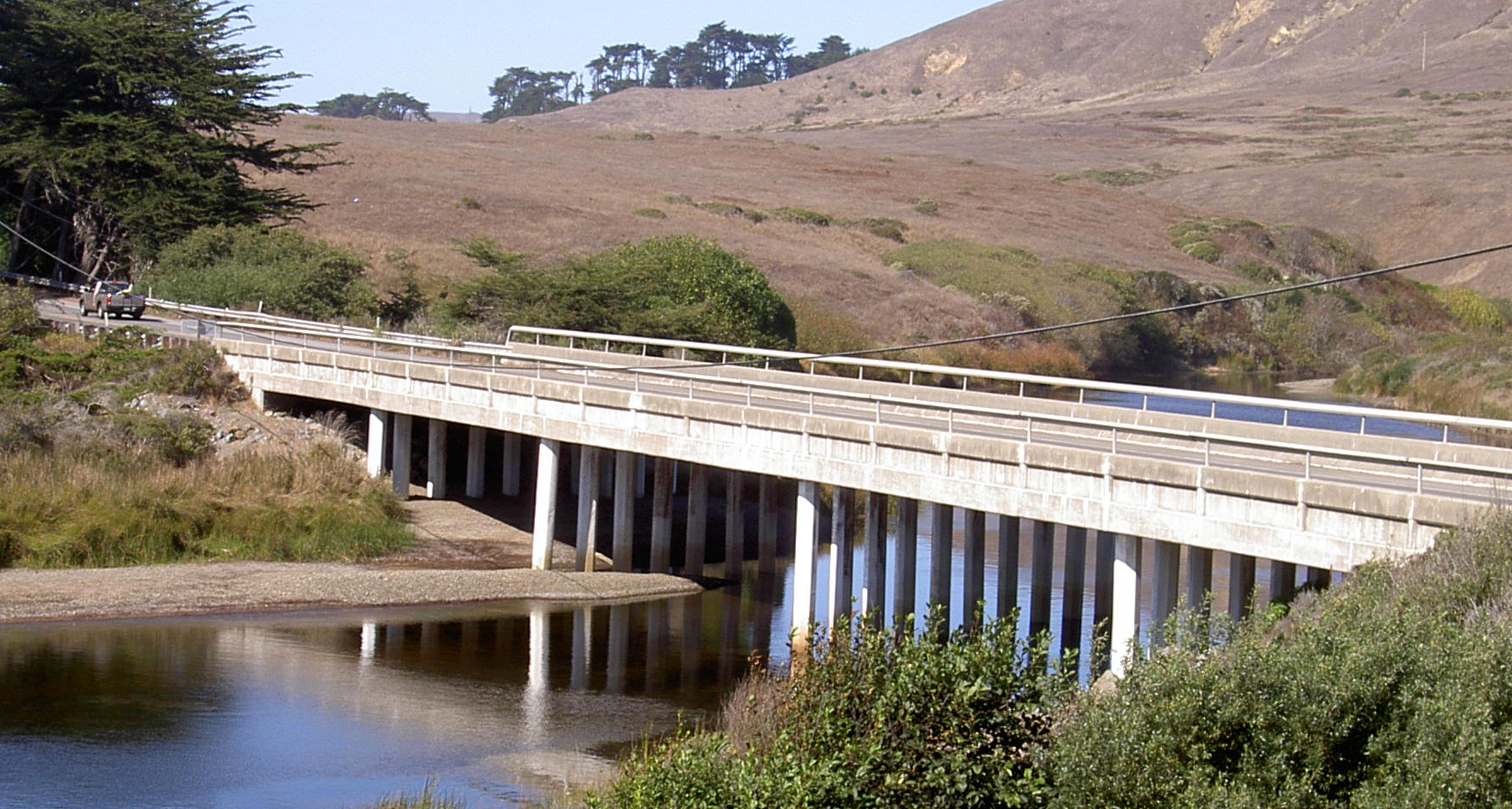
The defining geographical feature of the area is Salmon Creek itself, a fresh-water stream originating in the Sonoma Mountains that flows west toward the Pacific Ocean. Before reaching the sea, the creek forms a freshwater lagoon backed by high sand dunes. During the summer and early autumn dry seasons, a substantial sandbar closes the creek mouth, creating a calm, shallow lagoon popular for wading and resting. During winter rains, high water volume breaches the sandbar, flushing nutrient-rich water directly into the ocean and altering the beach topography.
The coastline at Salmon Creek is divided into two primary public access sectors managed by California State Parks: North Salmon Creek Beach and South Salmon Creek Beach. Both areas offer expansive vistas, sweeping sand dunes, and direct access to coastal bluff paths, drawing beachcombers, surfers, photographers, and nature enthusiasts year-round.
North vs. South Salmon Creek Beach: Feature Comparison
While North and South Salmon Creek beaches sit adjacent to one another along Highway 1, they differ in access, facility availability, wave exposure, and ecological focus. Choosing between them depends on your planned activities, mobility requirements, and equipment.
| Feature / Detail | North Salmon Creek Beach | South Salmon Creek Beach |
|---|---|---|
| Primary Access Point | Turnoff off Highway 1 north of Salmon Creek bridge | Turnoff off Highway 1 south of Salmon Creek bridge (Bean Avenue / Bean Coastal Access) |
| Managing Agency | California Department of Parks and Recreation | California Department of Parks and Recreation |
| Parking & Day-Use Fees | Paid parking lot / California State Parks Pass accepted | Parking lot available / state day-use fees apply |
| Restroom Facilities | Vault toilets available | Vault toilets available |
| Dog Policy | Allowed on leash (must remain on main beach, prohibited in sensitive dune areas) | Allowed on leash (restricted near sensitive nesting zones) |
| Lagoon Access | Direct access to the northern side of the river mouth & sandbar | Direct access to the southern lagoon shoreline |
| Primary Activities | Surfing, beachcombing, scenic walking, photography | Picnic access, beach walking, fishing near the creek mouth |
| Hazard Level | High (heavy shorebreak, strong rip currents) | High (steep drop-offs, unstable sandbars) |
North Salmon Creek Beach Access
North Salmon Creek Beach features a large paved parking area situated atop the bluff with a boardwalk and stair path descending through high sand dunes down to the ocean shore. This area provides direct access to the main open-ocean beach stretch extending north toward Miwok Beach and Bean Avenue access points. It is the primary launching spot for local surfers due to its position relative to offshore sandbars.
South Salmon Creek Beach Access
South Salmon Creek Beach lies closer to the residential community of Salmon Creek. Parking is accessed via a turnoff just south of the Highway 1 bridge. A short path guides visitors along the southern bank of the estuary, leading around the dune structure toward the ocean facing shoreline. South Salmon Creek provides gentler access to the inland lagoon when the sandbar is closed, making it a preferred spot for families looking to walk near calm freshwater rather than active surf.
Navigating Ocean Safety and Coastal Hazards
The ocean off Salmon Creek is exceptionally beautiful but harbors severe physical hazards. Understanding these dynamics is crucial for every visitor, as conditions along the Sonoma Coast can change rapidly.
- High Bluff / Sand Dunes
- Gentle Sloping Upper Beach
- Steep Shoreline Drop-Off (Extreme caution needed)
- Heavy Shorebreak & Rip Currents (NO SAFE SWIMMING)
1. Sneaker Waves
Sneaker waves are oversized, unexpected coastal waves that surge far higher up the beach than preceding waves without warning. They are caused by distant storm systems accumulating energy into long-period swells. At Salmon Creek, where the beach slope can drop off steeply, a sneaker wave can suddenly wash over dry sand, knocking adults off their feet and pulling them into deep water within seconds.
- Rule: Never turn your back on the ocean, even while walking on damp or high sand.
2. Rip Currents and Heavy Shorebreak
The ocean floor off Salmon Creek drops quickly into deep water, creating heavy, pounding waves that break directly onto the shore (shorebreak). This action generates powerful rip currents—fast-moving channels of water flowing away from the shore. Swimming or wading into the open ocean at Salmon Creek is strongly discouraged. Lifeguards are not regularly posted on duty along this stretch of coast.
3. Water Temperature and Hypothermia
Sea surface temperatures off the Sonoma Coast average between 50°F and 55°F (10°C to 13°C) throughout the year. Sudden immersion in cold water causes cold shock response, leading to rapid loss of motor control and hypothermia within minutes. Surfers, bodyboarders, and divers should always wear full 4/3mm or 5/4mm neoprene wetsuits with boots and hoods.
Outdoor Recreation and Activities
Surfing
Salmon Creek is widely recognized as one of the consistent surf spots in Sonoma County. The beach breaks shifting sand bars produce powerful left and right waves that react sharply to west, northwest, and south swells.
- Best Conditions: Fall and winter months generally bring clean offshore winds and strong ocean swells, creating steep, hollow waves.
- Experience Level: Due to heavy currents, cold water, dense fog, and occasional marine life sightings (including great white sharks), Salmon Creek is best suited for intermediate to advanced surfers who understand open-ocean conditions and beach break hazards.
Coastal Hiking and Beach Walking
From North Salmon Creek Beach, hikers can traverse miles of contiguous coastline within Sonoma Coast State Park.
- Kortum Trail Connection: A short drive or walk north leads to Wright's Beach and the southern trailhead of the Kortum Trail, a scenic coastal bluff path that stretches north to Shell Beach and Blind Beach near Goat Rock.
- Beach Strolls: At low tide, visitors can walk north along the flat sand for over two miles toward Wright's Beach, taking in dramatic views of sea stacks, exposed rocky bluffs, and crashing surf.
Birdwatching and Wildlife Viewing
The intersection of freshwater and saltwater ecosystems makes Salmon Creek a prime birding location in Northern California.
- Avian Species: The lagoon and surrounding wetlands host brown pelicans, osprey, great blue herons, snowy egrets, northern harriers, and various migrating waterfowl.
- Marine Mammals: Pacific harbor seals frequently rest near the mouth of the creek sandbar. Off the coast, California gray whales can be spotted during their seasonal migration periods—southbound from December to January, and northbound with calves from March through May.
Ecological Significance of the Salmon Creek Watershed
The estuary at Salmon Creek plays a critical role in regional marine and freshwater ecology. Understanding local conservation efforts helps visitors enjoy the park responsibly.
Estuary and Lagoon Dynamics
The seasonal bar-built estuary is a delicate ecosystem. During late spring and summer, low freshwater inflow allows wave action to push sand into the creek mouth, forming a continuous beach sandbar. This traps freshwater behind the barrier, creating a brackish lagoon. The lagoon serves as a nursery ground for juvenile fish and invertebrates, providing warm, nutrient-dense water protected from oceanic predators.
Protected Species and Habitat Restoration
- Western Snowy Plover (Charadrius nivosus nivosus): The upper sand dunes at Salmon Creek are critical habitat for the threatened Western Snowy Plover. These small shorebirds build subtle nests directly in dry sand and shell debris between March and September. Visitors are required to remain on marked trails, keep dogs leashed, and avoid restricted nesting zones designated by park fencing.
- Coho Salmon and Steelhead Trout: Salmon Creek historically supported strong runs of native Coho salmon (Oncorhynchus kisutch) and Steelhead trout (Oncorhynchus mykiss). Restoration initiatives managed by the Sonoma Resource Conservation District and local community groups focus on enhancing stream flows, placing large wood structures in upper watershed tributaries, and protecting riparian habitat to restore self-sustaining salmonid populations.
Visitor Logistics, Regulations, and Guidelines
To ensure a safe and smooth visit to Salmon Creek, keep the following operational rules and guidelines in mind:
Parking and Day-Use Access
- Hours: Sonoma Coast State Park beaches are open daily from sunrise to sunset.
- Parking Fees: Day-use fees apply at designated state park lots. Automated pay stations or state park pass displays are used at primary parking areas.
- Highway Parking: Limited pullouts exist along Highway 1. When parking along the highway, ensure all tires are completely clear of the white fog line to prevent vehicular accidents and citations.
Fires and Camping Rules
- Beach Fires: Fires are restricted to designated fire rings where provided or subject to specific seasonal state park rules. Open ground fires on the sand are strictly prohibited to prevent dune damage and hidden embers that burn foot traffic. Always check current fire restrictions issued by California State Parks.
- Camping: Overnight camping or sleeping in vehicles is not permitted in the Salmon Creek beach parking lots or along Highway 1 pullouts. Campers must reserve sites at established campgrounds such as Wright's Beach Campground or Bodega Dunes Campground within Sonoma Coast State Park.
Dog Regulations
- Dogs are permitted on leash (maximum 6-foot leash length) on North Salmon Creek Beach and South Salmon Creek Beach.
- Dogs must be kept clear of sensitive dune habitats and fenced nesting areas to protect wildlife.
- Always clean up after pets and carry out all pet waste.
Nearby Attractions and Services
Visitors to Salmon Creek can easily combine a morning at the beach with exploration of the surrounding Sonoma Coast region:
- Bodega Bay: Located two miles south, offering full-service amenities including fresh seafood markets, restaurants, fuel, equipment rental shops, and hotel accommodations.
- Bodega Head: A prominent rocky peninsula projecting into the Pacific Ocean just south of Salmon Creek, offering high-elevation whale watching overlooks and walking loops.
- Sonoma Coast Vineyards: Located along Highway 1 in Bodega Bay, providing cool-climate wine tasting options featuring regional Pinot Noir and Chardonnay.
- Wright's Beach: Located three miles north of Salmon Creek, featuring direct oceanfront camping sites and access to the Kortum Trail.
Frequently Asked Questions
Is swimming safe at Salmon Creek Beach?
No, swimming is not considered safe at Salmon Creek Beach. The shoreline is characterized by steep drop-offs, freezing water temperatures, violent shorebreak, and extremely strong rip currents. Visitors should restrict water activity to standing well back from the foam line.
Are dogs allowed on the beach at Salmon Creek?
Yes, dogs are permitted on North and South Salmon Creek beaches, provided they remain on a physical leash no longer than six feet at all times. Dogs must be kept out of protected dune areas to safeguard nesting shorebirds.
Do I need to pay for parking at Salmon Creek?
Yes, official day-use parking lots managed by California State Parks charge a vehicle entry fee or require a valid state park pass. Free parking on Highway 1 shoulder pullouts is limited and requires keeping your vehicle completely behind the fog line.
Can you walk between North and South Salmon Creek Beach?
During summer and early autumn when the sandbar closes the mouth of Salmon Creek, you can walk directly along the beach between the north and south sectors. In winter, when heavy rains breach the sandbar, deep freshwater flows into the sea, blocking foot traffic across the river mouth.
Are there restrooms available at Salmon Creek?
Yes, vault toilet facilities are available in the main parking areas at both North Salmon Creek Beach and South Salmon Creek Beach. However, there are no running water sinks or indoor changing facilities on-site.
Next Steps for Planning Your Visit
To ensure a safe and enjoyable trip to Salmon Creek, prepare your itinerary by following these steps:
- Check Weather and Tides: Consult local marine forecasts, ocean swell conditions, and tide charts before heading out. High tides reduce sand walking area, while large swell warnings indicate heightened risk of sneaker waves.
- Pack Essential Gear: Bring layered clothing ( windbreaker, fleece, thermal base layers), sturdy walking shoes for uneven dune paths, sunscreen, and plenty of fresh drinking water.
- Verify Park Rules: Check the official California State Parks Sonoma Coast Webpage for recent trail alerts, parking fee updates, or temporary environmental closures.
Image Gallery