Sarah Paulson’s Career-Defining Interviews: Context, Revelations, and Industry Impact
Sarah Paulson’s recent long-form interviews provide a masterclass in professional longevity, artistic integrity, and the dismantling of Hollywood’s traditional ageist barriers. By centering her discussions on the grueling demands of he...
Sarah Paulson’s recent long-form interviews provide a masterclass in professional longevity, artistic integrity, and the dismantling of Hollywood’s traditional ageist barriers. By centering her discussions on the grueling demands of her 2024 Tony-winning performance in Appropriate and her historical vulnerability regarding career stagnation, Paulson has reshaped the "leading lady" narrative for the 2026 cultural landscape.
Contents
The Evolution of the Sarah Paulson Interview Context
To understand the impact of Sarah Paulson’s recent media appearances, one must first look at the architectural shift in her public persona. For over a decade, Paulson was synonymous with the Ryan Murphy ensemble, specifically her chameleonic roles in American Horror Story and her Emmy-winning turn in The People v. O. J. Simpson: American Crime Story. However, the context of her interviews shifted dramatically between 2024 and 2026.
Previously, interviews focused on the technicalities of horror or the "magic" of her transformations. Today, the context is firmly rooted in theatrical gravity and executive influence. Following her celebrated run in Branden Jacobs-Jenkins’ Appropriate, Paulson began using her platform to discuss the physical and psychological toll of high-stakes acting. This shift from "the actor who can do anything" to "the actor who chooses what is worth doing" has set a new standard for how established performers engage with the press.
The Shift from Genre Queen to Industry Anchor
In the early 2010s, Paulson’s interviews often carried a tone of gratitude—a "just happy to be here" sentiment following years of being a working actor who hadn't yet achieved household-name status. By 2026, that narrative has evolved into one of intentionality. She no longer discusses roles in terms of "getting the job," but rather in terms of "the cost of the work."
This transition is significant because it mirrors a broader industry trend where actresses over 40 are reclaiming the narrative of their peak years. Paulson’s interviews serve as a primary text for this movement, emphasizing that her most complex and demanding work—both on Broadway and in prestige cinema—came after the industry traditionally would have sidelined her.
Key Themes: Vulnerability and the "Unlikable" Female Lead
One of the most impactful aspects of Paulson’s interviews is her persistent defense of "unlikable" female characters. Whether discussing Toni Hope in Appropriate or her various iterations of Nurse Ratched and beyond, Paulson rejects the idea that a female protagonist must be palatable to be successful.
The Psychology of Performance
Paulson frequently dives into the psychological requirements of her roles. In a notable profile with The New York Times, she detailed the necessity of "living in the basement" of her psyche to portray characters who are morally ambiguous or flatly antagonistic. The impact of this revelation is two-fold:
- It validates acting as a rigorous, intellectual discipline rather than mere celebrity.
- It encourages writers to create women who are allowed to be messy, angry, and unresolved.
Her willingness to discuss her own anxieties and the "imposter syndrome" that persisted even after her Tony win resonates with a wide audience. By admitting that the fear of failure never truly dissipates, she provides a realistic roadmap for younger professionals in any high-pressure field.
The Cultural Impact of Radical Authenticity
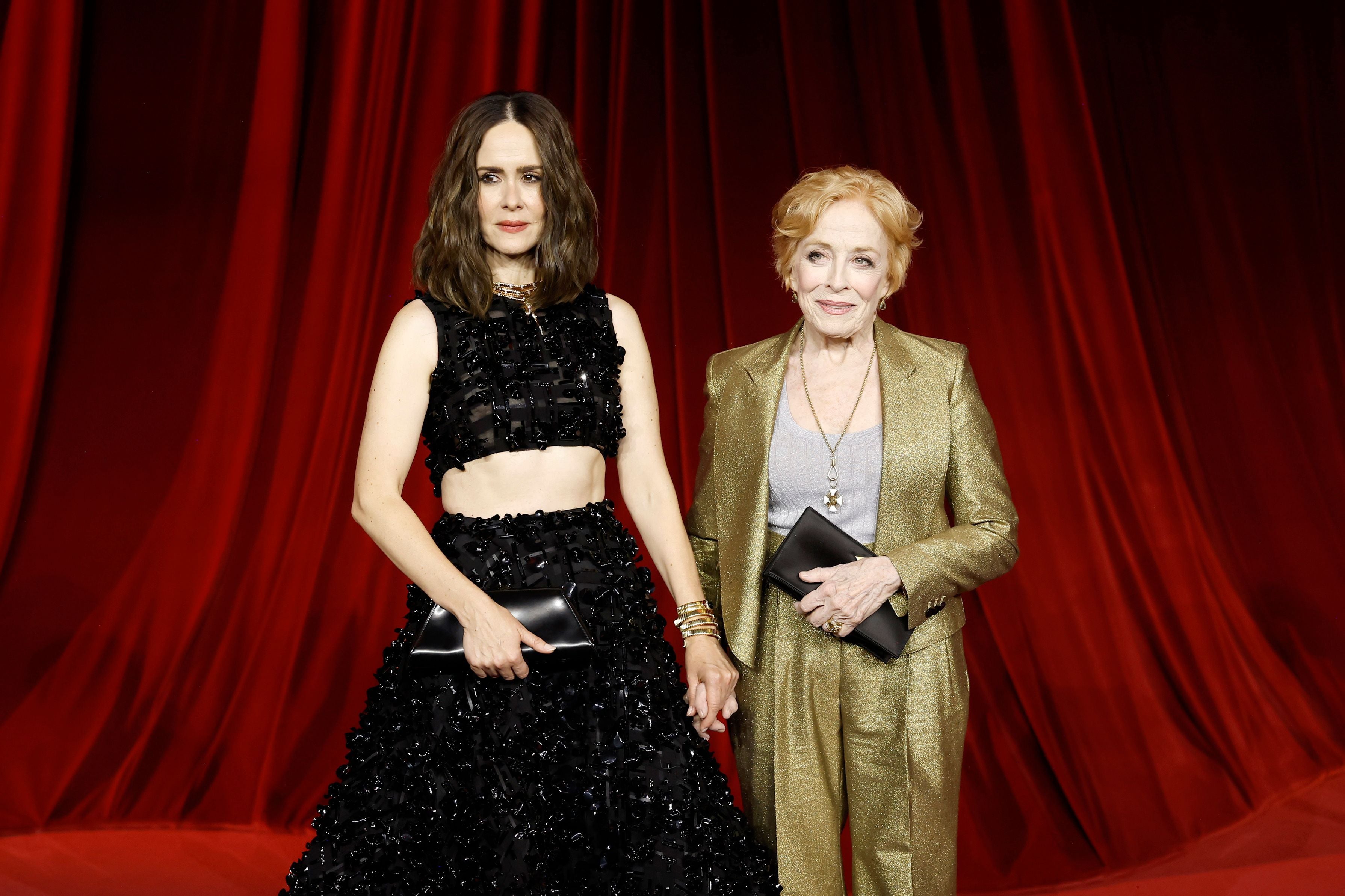
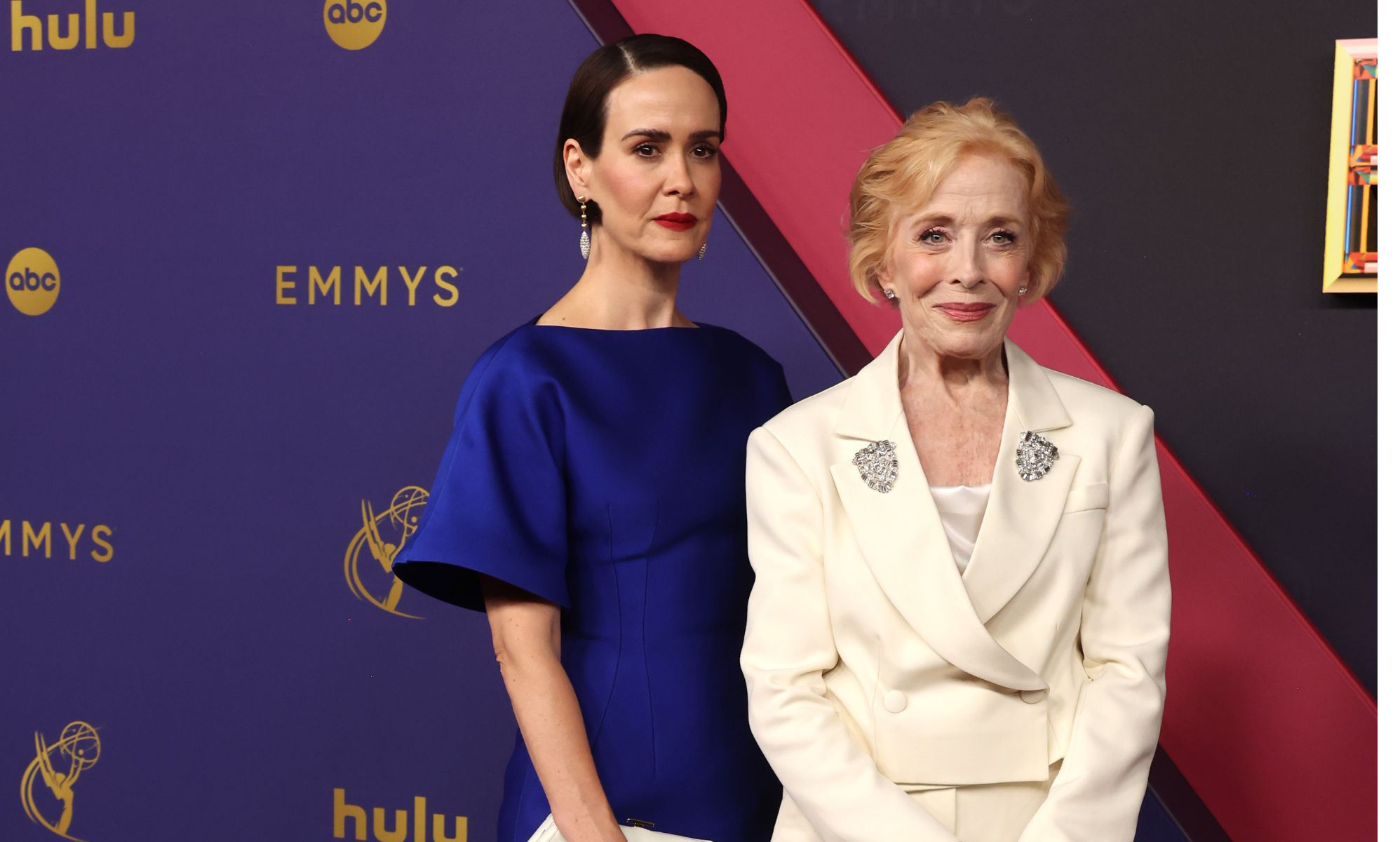
Beyond the craft of acting, Paulson’s interviews have had a profound social impact, particularly regarding LGBTQ+ visibility and age-gap relationships. Her long-term relationship with actress Holland Taylor is often a point of curiosity in mainstream media, and Paulson’s handling of this topic has been both firm and transformative.
Redefining Public Relationships
Instead of offering the "curated" or "sanitized" version of her private life, Paulson uses these interview moments to challenge the viewer’s preconceived notions of what a partnership should look like. She often highlights the intellectual and emotional synergy of her relationship, effectively moving the conversation away from the "spectacle" of the age gap and toward a discussion of mutual respect and autonomy.
The impact here is measurable. Advocacy groups have frequently cited Paulson’s candidness as a key factor in normalizing diverse relationship structures in the public eye. She manages to be a representative for the community without allowing her entire identity to be consumed by her relationship status—a delicate balance that many public figures struggle to maintain.
Analyzing the "Appropriate" Press Circuit
The 2024-2025 press circuit for the play Appropriate serves as a focal point for understanding Paulson’s current standing. Winning the Tony Award for Best Actress in a Play was not just a personal milestone; it was a validation of her return to the stage.
| Interview Platform | Primary Focus | Key Takeaway/Impact |
|---|---|---|
| SmartLess Podcast | Career Longevity | Discussed the "lean years" before AHS, humanizing the struggle of professional acting. |
| The New York Times | The Ethics of Character | Explored why we judge female rage differently than male rage in performance. |
| Inside the Actors Studio | Technical Craft | Provided a deep dive into her vocal and physical preparation for Broadway. |
| Variety Actors on Actors | Peer-to-Peer Insight | Highlighted the importance of female collaboration and production power. |
This data illustrates that Paulson’s interview strategy is diversified. She uses different platforms to reach different segments of her audience—from the casual fan on a podcast to the serious student of drama in trade publications.
Breaking Down the "Sarah Paulson Method" of Public Engagement
What makes a Sarah Paulson interview uniquely impactful is her refusal to use PR-speak. In an era of highly managed social media presences, her long-form interviews feel like an antidote to the "soundbite" culture.
1. Radical Honesty About the Industry
Paulson often critiques the industry that employs her. She has been vocal about the lack of substantive roles for women of a certain age and the disparity in how "character actors" are treated compared to "movie stars." This honesty builds a level of trust and credibility with her audience that is rare among A-list celebrities.
2. Focus on Collaboration
She rarely takes sole credit for her successes. In every major interview, she highlights the work of costume designers, lighting technicians, and her fellow cast members. By de-centering herself, she provides a more holistic view of how art is actually made, which has an educational impact on the public’s understanding of the creative process.
3. Addressing Mental Health
The "context" of her interviews in 2026 often includes the toll that heavy roles take on mental health. Paulson has discussed the physical manifestations of stress—such as the exhaustion that follows a three-hour stage performance—encouraging a more humane approach to work-life balance in the arts.
Frequently Asked Questions
Which Sarah Paulson interview is considered her most influential?
While subjective, many critics point to her 2024 profile in The New Yorker or her appearance on SmartLess. These interviews are cited for their raw look at her early career struggles, providing a rare glimpse into the "pre-fame" reality of a high-level actress.
How has Sarah Paulson changed the conversation around age in Hollywood?
Paulson has consistently rejected the "ingenue" narrative. By securing her most significant roles and awards after the age of 40, she has proven that a woman’s professional and creative peak is not tethered to her youth. This has had a direct impact on casting directors who now look toward seasoned actresses for roles traditionally written for younger women.
Does Sarah Paulson discuss her relationship with Holland Taylor in every interview?
No. In fact, Paulson has become adept at pivoting these questions back to her work or to broader social issues. While she is open about her life, she maintains a clear boundary that ensures her professional achievements remain the primary focus of her public discourse.
What was the impact of her Tony Award win on her interview style?
The Tony win for Appropriate added a layer of "theatrical royalty" to her persona. Her interviews post-2024 are notably more focused on the legacy of American theater and her role as a mentor and producer, reflecting her increased status as an industry power player.
Why is she often asked about "unlikable" characters?
Because Paulson has built a career on playing them. From Marcia Clark to Antoinette "Toni" Lafayette, she gravitates toward roles that challenge the audience's sympathy. Her interviews explain that these characters offer more "meat" for an actress to chew on, which in turn influences how audiences perceive complexity in female roles.
Practical Next Steps for Following Her Career
For those looking to study the "Paulson impact," the best course of action is to view her interviews chronologically from 2011 to 2026. This allows a clear view of how her confidence and industry leverage have grown. Furthermore, observing her transition into producing (through her production company's upcoming projects) will likely be the next major chapter in her interview narrative.
As of 2026, the Sarah Paulson interview remains a vital resource for anyone interested in the intersection of high art, social advocacy, and the gritty reality of a life dedicated to the craft of acting.
Image Gallery