Street Cameras in Springfield, MO: The Complete 2026 Guide to Traffic, ALPR, and Live Feeds
Understanding the roadway monitoring infrastructure across Springfield, Missouri requires distinguishing between traffic engineering networks, highway traveler feeds, and law enforcement surveillance tools. Drivers, accident victims, a...
Understanding the roadway monitoring infrastructure across Springfield, Missouri requires distinguishing between traffic engineering networks, highway traveler feeds, and law enforcement surveillance tools. Drivers, accident victims, and residents frequently encounter cameras mounted atop signals at major intersections like Glenstone Avenue and Battlefield Road, yet their purpose, data policies, and accessibility vary significantly by agency.
Contents
This comprehensive guide breaks down the multi-tiered camera network operating within the Queen City in 2026, clarifying which systems monitor congestion, which systems capture vehicle metadata, the legal reality of red light cameras in Missouri, and the legal pathways to request footage after a collision.
The Landscape of Roadway Monitoring Across Springfield
Cameras positioned along public rights-of-way throughout Greene County fall into three distinct operational domains: the City of Springfield’s municipal traffic network, the Missouri Department of Transportation’s highway cameras, and law enforcement automated license plate readers.
(Note: Conceptual taxonomy; adhering to strict guidelines: standard markdown presentation below)
1. Municipal Traffic Operations Cameras (City of Springfield)
The Springfield Department of Public Works operates an extensive network of Closed-Circuit Television (CCTV) cameras tied directly into the city's Traffic Operations Center (TOC).
- Primary Function: Real-time arterial monitoring, dynamic signal synchronization, and rapid dispatch of emergency clearing services during severe incidents.
- Core Arterials: Concentrated heavily along high-volume corridors, including Sunshine Street, Battlefield Road, National Avenue, Kansas Expressway, and Glenstone Avenue.
- Operational Nature: These cameras broadcast dynamic, pan-tilt-zoom (PTZ) optical video. Importantly, the TOC utilizes these feeds for dynamic operations rather than prolonged public surveillance. Most municipal feeds are not archived long-term; they exist primarily as live data streams to balance arterial throughput.
2. MoDOT Highway Traveler Cameras (Interstates and Freeways)
The Missouri Department of Transportation (MoDOT) maintains permanent fixed and PTZ cameras across the state-maintained expressway corridors looping through and around Springfield.
- Highways Monitored: Interstate 44 (I-44), U.S. Route 65, U.S. Route 60 (James River Freeway), and key intersections along Route 13 (Kansas Expressway north of I-44).
- Public Accessibility: Live snapshots and streaming video from these cameras are publicly accessible in real time via the MoDOT Traveler Information Map and mobile applications. They assist commuters with adverse weather conditions, construction delays, and major multi-vehicle pileups.
3. Springfield Police Department Automated License Plate Readers (ALPR)
Separate from traffic flow monitors, the Springfield Police Department (SPD), along with the Greene County Sheriff’s Office, deploys stationary and mobile Automated License Plate Recognition systems, predominantly sourced from providers such as Flock Safety.
- Primary Function: Crime interdiction, locating vehicles tied to active Amber Alerts, stolen vehicle recovery, and apprehending suspects with active felony warrants.
- Technology: These cameras do not continuously record streaming video of driver faces. Instead, they capture high-speed optical photographs of vehicle rear tags, vehicle make, model, color, and unique identifying bumper features (alterations, roof racks, bumper stickers), logging timestamped metadata into an encrypted investigative database.
2026 Camera System Specifications & Operational Comparison
Understanding which entity controls a specific camera determines whether the system records data, whether the public can view it, and whether recorded evidence exists following a car crash.
| System Operator | Camera Technology Type | Primary Purpose | Video Recorded & Stored? | Public Live Stream Access |
|---|---|---|---|---|
| City of Springfield (Public Works) | High-Definition PTZ & Radar Sensors | Congestion mitigation & signal control | Typically NO (Buffered briefly; unarchived unless flagged) | Limited / Selected civic displays |
| MoDOT (Southwest District) | High-Definition Optical Highway PTZ | Traveler alerts & incident detection | NO (Live video stream only; zero long-term public archiving) | YES (Available via MoDOT Traveler Map) |
| Springfield Police Dept. (SPD) | Automated License Plate Readers (ALPR) | Criminal investigation & stolen tag alerts | YES (Image snapshots & metadata stored for designated retention window) | NO (Restricted to authorized law enforcement) |
| Private Commercial Entities | Security CCTV (Gas stations, retail plazas) | Private asset security & liability | YES (Recorded locally on NVRs; retention spans 7–30 days) | NO (Accessible via subpoena or merchant consent) |
The Legal Status of Red Light and Speed Cameras in Springfield, MO
A common misconception among drivers passing through signalized intersections on Campbell Avenue or Chestnut Expressway is that overhead hardware issues automated speeding or red light tickets.
Why Springfield Does Not Issue Automated Red Light Citations
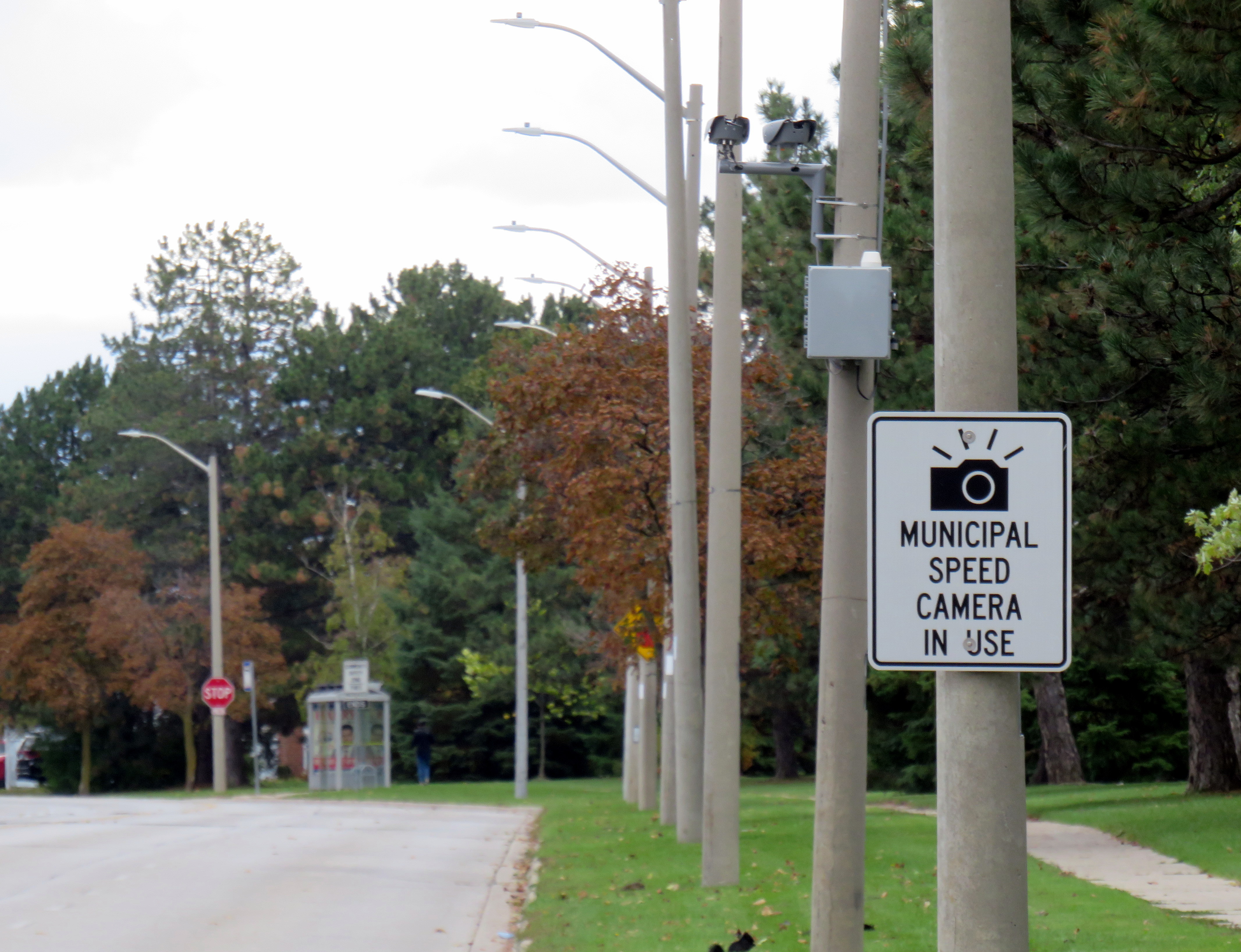
Springfield, Missouri, does not operate automated red light enforcement cameras or photo radar speed vans.
Following landmark rulings by the Supreme Court of Missouri regarding municipal automated enforcement programs, red light ticketing cameras were deemed unconstitutional under standard municipal execution due to constitutional due process violations. Specifically, standard municipal ordinances failed to prove whether the registered vehicle owner was the actual party operating the vehicle at the moment of the infraction, improperly shifting the burden of proof onto the defendant.
While the Missouri state legislature frequently evaluates bills addressing automated traffic safety enforcement in critical school and highway work zones, standard municipal red light cameras remain inactive and non-operational across Springfield.
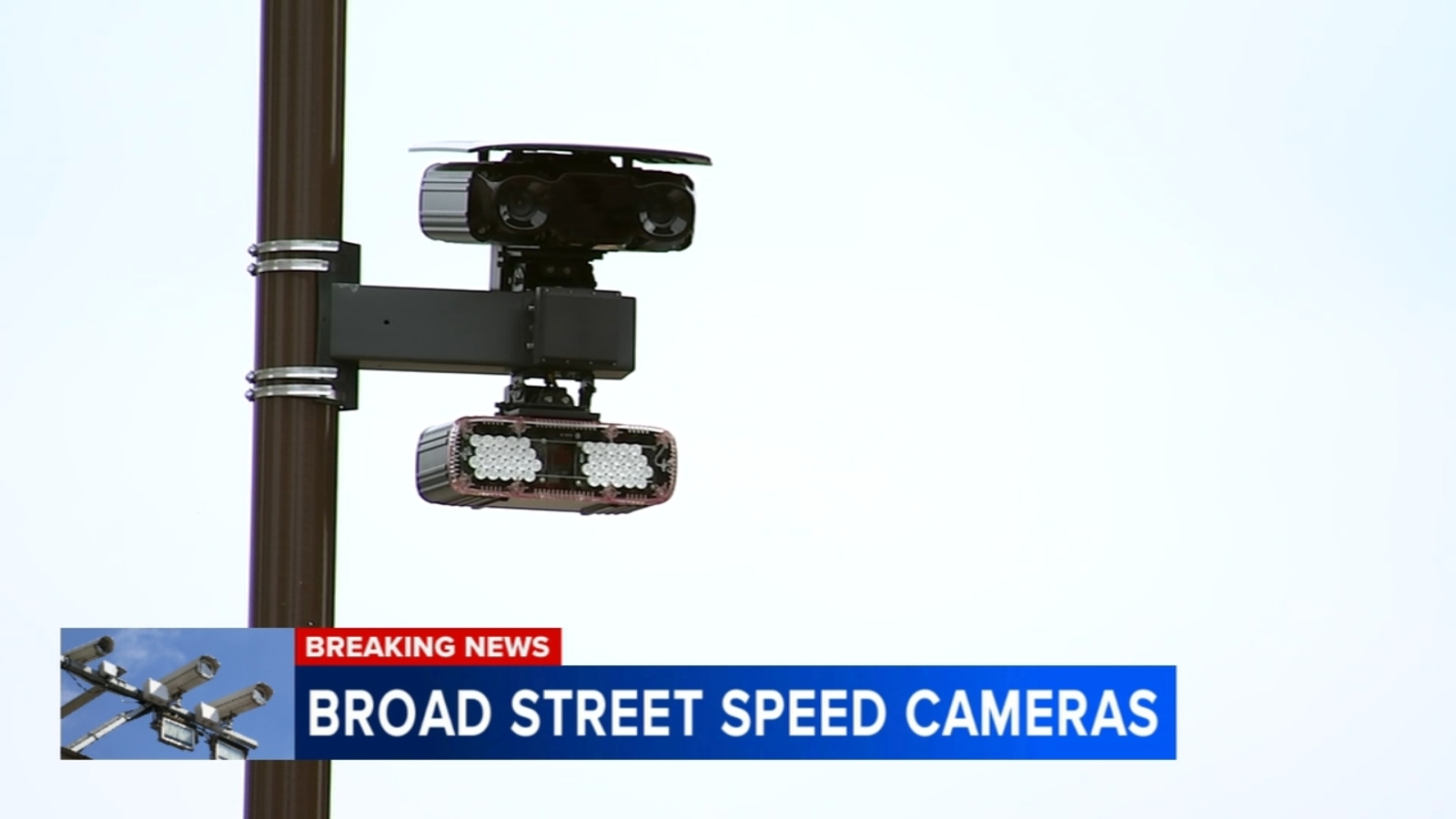
Operational Insight for Local Drivers: If you see small cylindrical or dome cameras mounted directly above the traffic signal heads at intersections along Battlefield Road or National Avenue, they are not automated citation cameras. They are vehicle-detection sensors—such as optical detection cameras, radar detectors, or emergency vehicle preemption sensors (Opticom)—designed to turn the light green when your car approaches or clear the intersection for oncoming fire engines.
How to Access Street Camera Footage After an Accident
If you are involved in a traffic collision at an intersection within Springfield city limits, securing video evidence requires swift, methodical action due to tight municipal data buffering constraints.
1. Identifying Jurisdictional Authority
Determine the exact street location to identify who controls the hardware:
- Interstate/Freeway ramps: Controlled by MoDOT. MoDOT does not maintain an evidentiary video archive. Their cameras stream live data for regional dispatch and travel alerts; they do not retain recordings of fender benders or non-critical incidents.
- City Intersections (e.g., Sunshine & Glenstone): Controlled by City of Springfield Traffic Operations. As a baseline, the City does not maintain continuous historical archives of every intersection feed.
- Adjacent Commercial Corners: Often your best source of actionable video. Gas stations, drive-thrus, and banks situated on busy corners often have exterior commercial 4K cameras that cover the street.
2. Submitting a Missouri Sunshine Law Request
If you believe a municipal or county camera may have captured an incident, you must immediately file a formal public records request under Chapter 610 of the Revised Statutes of Missouri (the Missouri Sunshine Law).
- Submit Request Immediately: File your written request with the City of Springfield City Clerk’s office or the Greene County Records Custodian within 24 to 72 hours of the incident. Because buffer cycles overwrite non-flagged video rapidly, delay often results in permanent data loss.
- Specify Exact Parameters: Clearly list the precise timestamp, the exact directional orientation, the intersection name, and your police incident report number.
- Account for ALPR Limitations: Springfield Police ALPR systems log license plates and vehicle descriptors, not panoramic, real-time accident video. While an ALPR cannot provide video of which driver had the green light, it can verify whether a hit-and-run vehicle traveled past a specific street checkpoint moments after the crash.
3. Securing Private Commercial Security Video
Because public traffic cameras rarely archive footage, private business cameras represent the vast majority of successfully recovered collision recordings in Springfield.
- Walk the Perimeter: Immediately survey the perimeter of the intersection for convenience stores, financial institutions, car washes, or strip malls with wide-angle cameras aimed toward the road.
- Issue a Formal Spoliation Letter: Businesses routinely overwrite internal hard drives every 7 to 14 days. Draft and personally deliver a formal "Notice to Preserve Evidence" (Spoliation Letter) requesting management to export and hold video spanning 30 minutes before and after the collision.
- Involve Legal Counsel: If a private merchant refuses to release video due to corporate privacy policies, retain a licensed personal injury or civil litigation attorney who can issue a formal subpoena duces tecum to compel preservation and production of the files.
Data Privacy, ALPR Retention, and Civic Safeguards
The ongoing integration of networked camera sensors in Springfield highlights essential public considerations concerning data privacy, municipal surveillance oversight, and individual civil liberties.
Automated License Plate Reader Policies
The deployment of ALPR networks by the Springfield Police Department is governed by departmental standard operating procedures and municipal oversight intended to balance public safety with digital privacy protections:
- Hot-List Match Verification: Officers cannot initiate a traffic stop solely based on an automated computerized notification. The field officer must visually verify that the license plate characters matches the alert dispatch and confirm that the warrant or vehicle alert remains active through the Missouri Uniform Law Enforcement System (MULES) or the National Crime Information Center (NCIC).
- Restricted Retention Timelines: Law enforcement ALPR data is not held indefinitely without cause. License plate reads that do not produce a direct match to an active investigation, criminal warrant, or Amber Alert are purged automatically after a prescribed operational retention lifecycle.
- Audit Trails and Accountability: In accordance with contemporary municipal regulations, officers logging into the query network must register an official case number or articulable law enforcement reason. This prevents unauthorized queries or personal misuse of movement tracking software.
Frequently Asked Questions
Can I view live traffic cameras in Springfield, MO online?
Yes. Commuters can view real-time traffic camera feeds and current roadway conditions across Springfield’s highways (I-44, US-65, US-60) through the official MoDOT Traveler Information Map website and mobile application. However, continuous public live streams of internal city street intersections managed by the Springfield Traffic Operations Center are not publicly broadcast online.
Does Springfield, Missouri have red light camera tickets?
No. The City of Springfield does not operate photo-enforced red light cameras or automated speed enforcement systems. The Missouri Supreme Court struck down automated red light enforcement structures over constitutional due process concerns. Any small sensor or camera installed atop an intersection signal is used strictly for vehicle detection, traffic density assessment, or emergency vehicle prioritization.
How long does the City of Springfield keep traffic camera recordings?
The City of Springfield’s Traffic Operations Center operates its intersection cameras primarily as real-time monitoring tools rather than video recording repositories. Consequently, the vast majority of municipal traffic camera feeds are not permanently recorded or archived. Any buffered operational footage that is retained is typically overwritten within 24 to 72 hours unless preserved for an active municipal emergency or investigation.
Can police ALPR cameras in Springfield track my personal vehicle movements?
Police ALPR cameras do not actively follow or live-track random individuals. The cameras photograph vehicle license plates as they traverse public streets and cross-reference those plate characters against active law enforcement databases for stolen vehicles, active felony warrants, or missing persons alerts. If no match is generated, the metadata is stored securely under strict retention guidelines before automatic deletion.
What should I do if I am the victim of a hit-and-run in Springfield?
Immediately file a police report with the Springfield Police Department so responding officers can review local ALPR checkpoints for vehicles matching the suspect’s description and damage profile. Concurrently, survey the immediate crash scene for nearby gas stations, banks, and businesses that may have exterior security cameras, and promptly deliver a written preservation request before their internal recording systems overwrite the footage.
Need immediate assistance documenting a roadway incident? Contact the Springfield Police Department Non-Emergency line or submit a public records request to the Springfield City Clerk to determine whether municipal sensor logs or roadway infrastructure data were preserved along your travel route.
Image Gallery