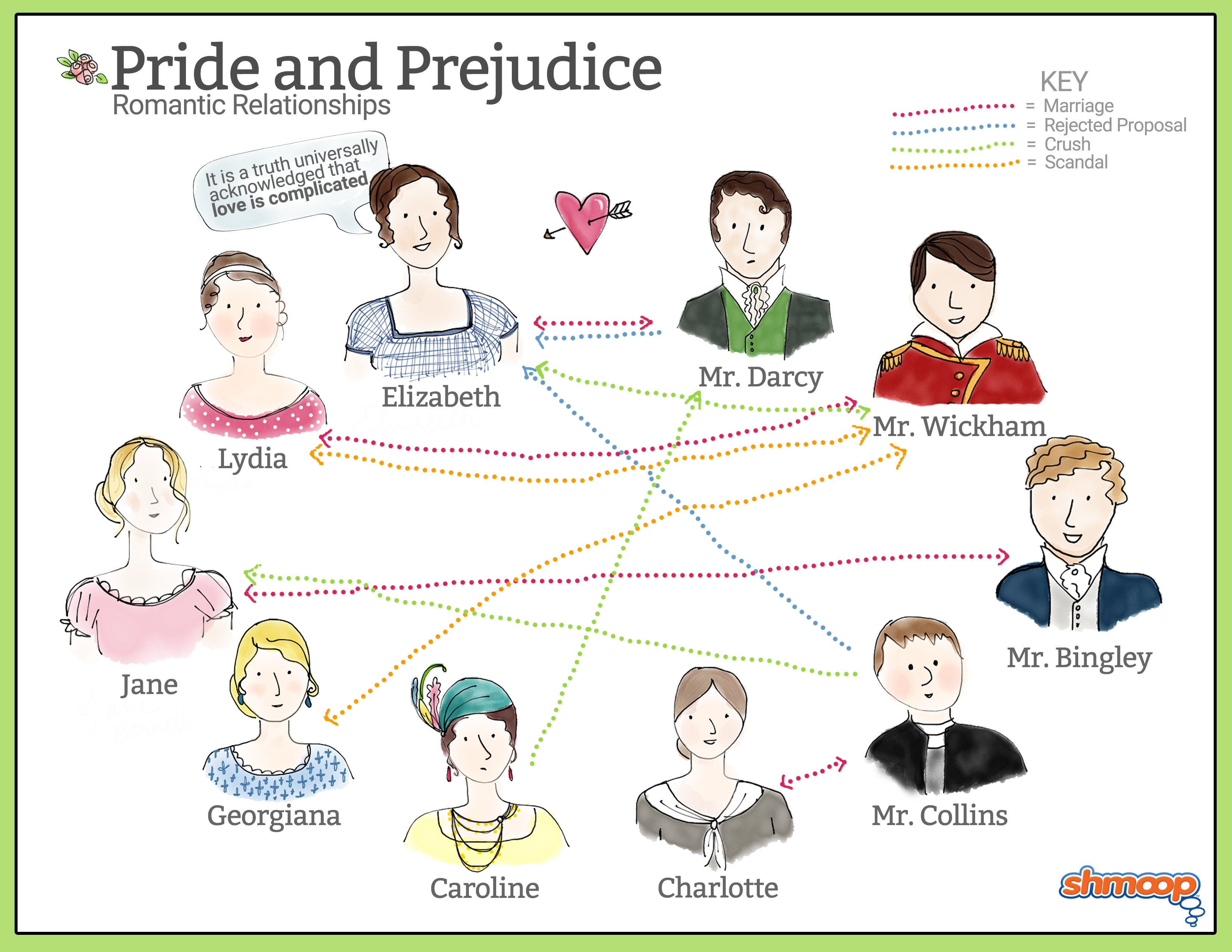
How Old Are the Characters in Pride and Prejudice? A Complete Age Guide
In Jane Austen’s classic 1813 novel Pride and Prejudice, Elizabeth Bennet is 20 years old (turning 21 by the end of the story), while Fitzwilliam Darcy is 28 years old. Jane Bennet is 22, Charles Bingley is approximately 22 or 23, Char...
In Jane Austen’s classic 1813 novel Pride and Prejudice, Elizabeth Bennet is 20 years old (turning 21 by the end of the story), while Fitzwilliam Darcy is 28 years old. Jane Bennet is 22, Charles Bingley is approximately 22 or 23, Charlotte Lucas is 27, Mr. Collins is 25, and Lydia Bennet is just 15 years old at the start of the narrative.
Contents
Understanding character ages in Pride and Prejudice is critical to understanding the stakes of the plot. In Regency England, age dictated social expectations, economic stability, marriageability, and legal rights. A woman’s window for securing an advantageous marriage was narrow, while a man’s age determined his financial independence and authority.
Character Age Summary Table
The following table provides the ages of the main characters as stated or strongly implied within Jane Austen's text, alongside their social standing during the novel's timeframe.
| Character | Age in Novel | Social & Legal Status in Regency England |
|---|---|---|
| Elizabeth Bennet | 20 (turns 21) | Unmarried; second daughter; approaching full adulthood |
| Fitzwilliam Darcy | 28 | Master of Pemberley; financially independent legal adult |
| Jane Bennet | 22 (turns 23) | Unmarried; eldest Bennet daughter; peak marriageable age |
| Charles Bingley | 22–23 | Recently reached majority (21); inheritor of £100,000 |
| Lydia Bennet | 15 (turns 16) | Youngest sister; legally a minor; improperly "out" in society |
| Catherine (Kitty) Bennet | 17 | Fourth daughter; legally a minor; easily influenced by Lydia |
| Mary Bennet | 18–19 | Middle daughter; unmarried; pedantic and reclusive |
| Charlotte Lucas | 27 | Unmarried; entering "spinsterhood"; urgent need for economic security |
| William Collins | 25 | Ordained clergyman; heir to the Longbourn estate |
| George Wickham | 27–28 | Militia officer; contemporary of Darcy; financially destitute |
| Georgiana Darcy | 16 | Minor; ward of Mr. Darcy and Colonel Fitzwilliam |
| Mr. Bennet | Mid-50s | Estate owner of Longbourn; married 23 years |
| Mrs. Bennet | Late 40s to 50 | Matriarch; primary focus is marrying off her five daughters |
| Lady Catherine de Bourgh | Late 50s to 60s | Wealthy widow; aristocrat; master of Rosings Park |
The Bennet Sisters: Ages, Birth Order, and Social Pressures
The dynamics within the Bennet household are driven by the age distribution of the five sisters. Because the Longbourn estate is entailed to a male heir (Mr. Collins), the sisters have no guaranteed inheritance. Their ages create a ticking clock for Mrs. Bennet, who fears her daughters will be left destitute upon her husband's death.
Bennet Sisters (Eldest to Youngest):
- Jane (22)
- Elizabeth (20)
- Mary (18-19)
- Kitty (17)
- Lydia (15-16)
Jane Bennet (22 Years Old)
As the eldest sister at 22, Jane is under the most immediate pressure to secure a husband. At 22, a Regency woman was considered at the absolute peak of her beauty and social eligibility. However, passing her early twenties without an engagement risked slipping into the category of an "older" unmarried woman. Her reserved nature and mature disposition contrast sharply with the impulsiveness of her younger sisters.
Elizabeth Bennet (20 Years Old)
Elizabeth explicitly confirms her age during her confrontational conversation with Lady Catherine de Bourgh at Rosings Park. When Lady Catherine presses her to reveal her age, Elizabeth famously responds:
"With three younger sisters grown up, your Ladyship can hardly expect me to own it. But I shall not be in an improper age to declare it, if I were... I am not twenty-one."
Elizabeth’s refusal to give a direct answer initially asserts her independent spirit, but she ultimately clarifies that she is 20. Being 20 places Elizabeth in a sweet spot: mature enough to make independent moral judgments, yet young enough to have ample time on the marriage market.
Mary Bennet (18–19 Years Old)
As the middle child, Mary is neither the eldest beauty nor the pampered youngest child. At 18 or 19, she copes with her lack of suitors by throwing herself into book learning, moral treatises, and piano practice. Austen portrays Mary's self-importance as a defense mechanism against being overlooked between her attractive older sisters and her flirtatious younger sisters.
Catherine "Kitty" Bennet (17 Years Old)
Kitty is 17 and completely under the influence of her younger sister, Lydia. In Regency culture, older sisters typically "came out" into society one by one. However, the Bennet family breaks this rule, allowing all five daughters to attend balls simultaneously. At 17, Kitty lacks the judgment to resist Lydia's reckless behavior, though she improves late in the novel when separated from Lydia's influence.
Lydia Bennet (15–16 Years Old)
Lydia’s age is one of the most critical plot elements in Pride and Prejudice. She is only 15 at the start of the novel and turns 16 shortly before her trip to Brighton. Under English law at the time (specifically Lord Hardwicke's Marriage Act of 1753), individuals under the age of 21 were minors and could not legally marry without parental consent in England.
When George Wickham, a 27-year-old officer, elopes with 15-year-old Lydia to Scotland (where marriage laws were lenient), he takes advantage of a minor. Lydia's foolishness is consistent with her youth, but Wickham's actions represent predatory exploitation of a teenager.
The Male Protagonists: Darcy, Bingley, and Wickham
In 19th-century England, men generally married later in life than women. A man needed to establish his career, inherit his estate, or reach financial stability before taking a wife.
Fitzwilliam Darcy (28 Years Old)
Mr. Darcy is 28 years old, making him eight years older than Elizabeth. This eight-year age gap was common and socially practical in the Regency era. At 28, Darcy has been the master of his grand Derbyshire estate, Pemberley, for several years following his father's death.
Darcy’s age grants him complete financial independence, authority over his estate, and guardianship of his 16-year-old sister, Georgiana. His maturity allows him to act as a stabilizing force, though it also contributes to his initial pride and stiffness in social settings.
Charles Bingley (22–23 Years Old)
Mr. Bingley is around 22 or 23 years old, only slightly older than Jane (22). Bingley has recently reached his legal majority (age 21), allowing him to inherit his father's fortune of £100,000.
Because Bingley is young and relatively inexperienced in managing wealth, he is easily influenced by his older friend, Darcy, and his sisters. His youth explains both his enthusiasm and his lack of self-reliance early in the novel.
George Wickham (27–28 Years Old)
Wickham is a contemporary of Mr. Darcy, having grown up alongside him at Pemberley as the godson of Darcy's father. Being roughly 27 or 28 years old, Wickham possesses the social polish of a mature man, which he uses to deceive the residents of Meryton. His targeting of 15-year-old Lydia Bennet highlights the vast disparity in maturity, agency, and social experience between them.
Charlotte Lucas and Mr. Collins: The Pragmatism of Age
The sub-plot involving Charlotte Lucas and Mr. Collins offers a stark look at the financial realities of aging in Regency England.
Charlotte Lucas (27 Years Old)
Austen explicitly states Charlotte's age in Chapter 22: "Charlotte herself was twenty-seven." In the early 1800s, a 27-year-old unmarried woman was viewed as fast approaching permanent spinsterhood. Without a husband or personal fortune, Charlotte faced a future as a financial burden on her family.
Her decision to accept the proposal of the foolish Mr. Collins is driven entirely by her age and economic vulnerability:
- She has no private wealth to support herself.
- Her chances of receiving another proposal at 27 are extremely low.
- Marriage offers her a home, financial security, and an established social role.
Mr. William Collins (25 Years Old)
Mr. Collins is 25 years old when he arrives at Longbourn (stated in Chapter 15). Despite being two years younger than Charlotte, Collins holds all the structural power in their relationship. As an ordained clergyman with a living provided by Lady Catherine de Bourgh and the future heir of Longbourn, his youth does not hinder his ability to secure a household.
Regency Social Context: Why Age Dictated Destiny
To fully grasp why character ages matter in Pride and Prejudice, one must understand the legal and cultural norms of 1800s Britain.
1. The Age of Majority (21 Years Old)
Under English law during the Regency era, 21 was the legal age of majority.
- For Men: Turning 21 meant full control over inherited estates, trust funds, and property without needing approval from guardians.
- For Women: Reaching 21 meant they could legally marry without parental consent. Before age 21, eloping required traveling to Gretna Green in Scotland, where English marriage consent laws did not apply.
2. "Coming Out" into Society
Upper-class and gentry families presented their daughters to society through formal dances and assemblies. Once a young woman "came out," she was officially eligible for courtship.
Normally, elder sisters came out first. The Bennet family's practice of allowing all five daughters—including 15-year-old Lydia—to come out at once was considered bad etiquette. Lady Catherine de Bourgh expresses shock at this setup, noting that it violates standard social hierarchy and puts younger girls at risk before they develop proper decorum.
3. The Marriage Window
The ideal marriage window for gentry women was between ages 18 and 23.
- Ages 18–21: Peak marriageability; prime youth and social desirability.
- Ages 22–25: Moderate urgency; expected to settle quickly.
- Ages 26+: Social anxiety; entering the status of a "passé" woman or spinster.
Charlotte Lucas's marriage at 27 highlights the desperation felt by women who missed the ideal window, whereas Elizabeth's marriage at 20-21 represents a success story within the preferred cultural timeframe.
Frequently Asked Questions
How old is Elizabeth Bennet when she marries Darcy?
Elizabeth Bennet is 20 years old for most of the novel and turns 21 years old around the time she marries Fitzwilliam Darcy at the conclusion of the story.
What is the age difference between Elizabeth Bennet and Mr. Darcy?
There is an 8-year age difference between Elizabeth Bennet (20) and Mr. Darcy (28). This age gap was standard for the Regency era, as men needed time to secure their financial status before marriage.
How old was Lydia Bennet when she eloped with Wickham?
Lydia Bennet was 15 years old when she first left for Brighton and turned 16 years old shortly before eloping to Scotland with the 27-year-old George Wickham.
Why was Charlotte Lucas considered old at age 27?
In Regency society, women had limited economic opportunities outside of marriage. By age 27, a woman was considered past her youth, and her prospects for receiving a marriage proposal declined sharply. Without independent wealth, an unmarried 27-year-old faced financial dependence on relatives.
How old are Mr. and Mrs. Bennet?
While Jane Austen does not state their exact ages, textual clues indicate Mr. Bennet is in his mid-50s and Mrs. Bennet is in her late 40s to early 50s. They have been married for 23 years, and Mrs. Bennet was likely around 18 to 20 when she married.
Key Takeaway for Readers
The ages of the characters in Pride and Prejudice are not mere background details; they drive every major conflict in the novel. From Elizabeth’s 20-year-old idealist perspective to Charlotte’s 27-year-old pragmatism, and from Darcy’s 28-year-old independence to Lydia’s 15-year-old recklessness, Jane Austen relies on age to define her characters' legal rights, economic choices, and personal maturities.
Image Gallery