The Legacy and Impact of "What Am I Living For" by Chuck Willis
Released in March 1958, "What Am I Living For" is the definitive masterpiece of Chuck Willis, an artist often referred to as "The Sheik of Shake." The song reached the number one spot on the Billboard R&B chart and peaked at number nin...
Released in March 1958, "What Am I Living For" is the definitive masterpiece of Chuck Willis, an artist often referred to as "The Sheik of Shake." The song reached the number one spot on the Billboard R&B chart and peaked at number nine on the Pop chart, becoming a cornerstone of the late-1950s transition from rhythm and blues to early soul.
Contents
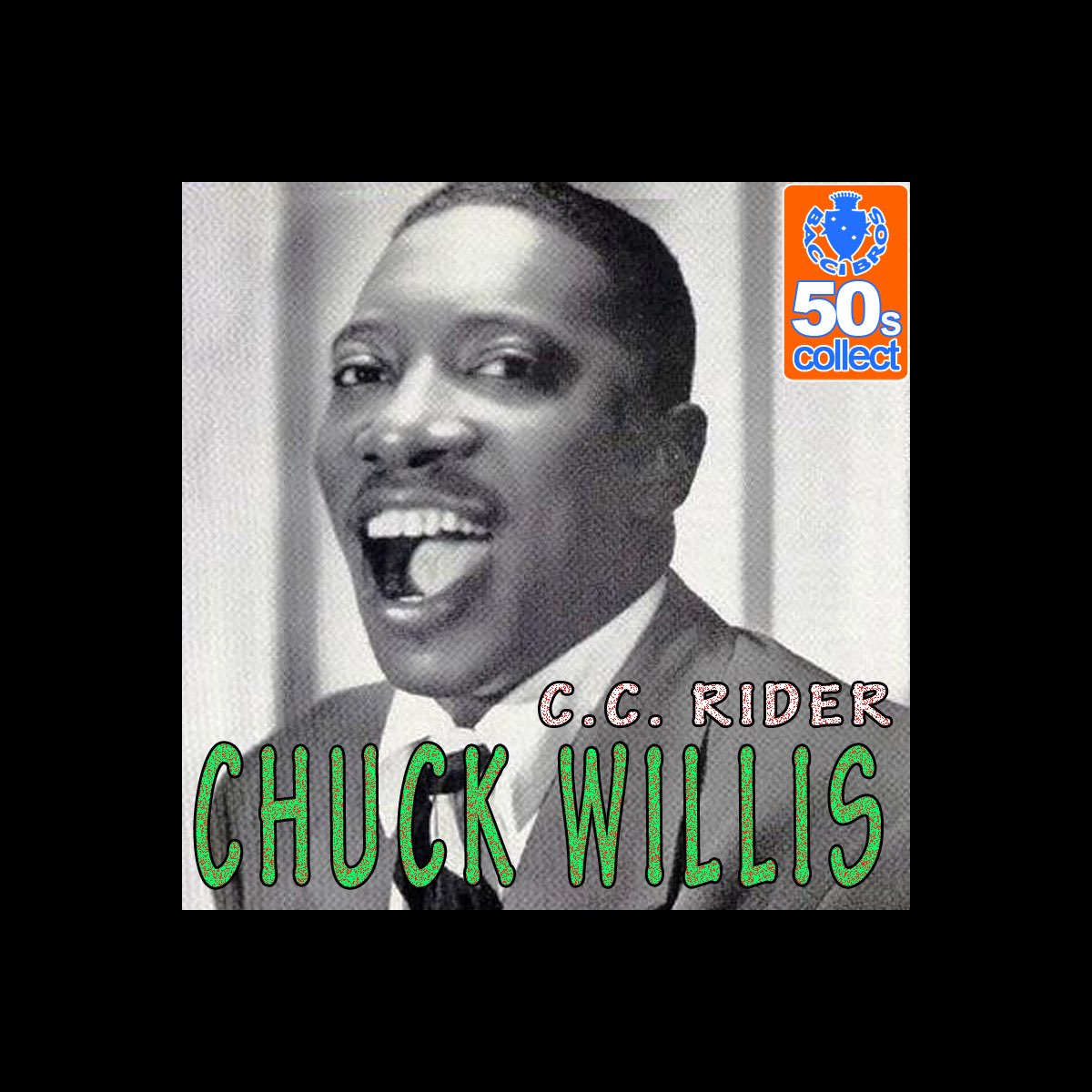
Chuck Willis was a singular figure in the American music landscape of the 1950s. Known for his stage presence—most notably his signature turban—Willis possessed a velvet-toned voice that could bridge the gap between gritty blues and sophisticated pop. "What Am I Living For" stands as his most enduring contribution to the Great American Songbook, not only for its commercial success but for the haunting, posthumous timing of its rise to fame. As of 2026, the track remains a staple of classic R&B retrospectives and continues to be studied for its influence on the "Stroll" dance craze and the evolution of the rock ballad.
The Tragic Context of the 1958 Release
The history of "What Am I Living For" is inextricably linked to the untimely death of its performer. Chuck Willis had suffered from chronic stomach ulcers for much of his adult life, a condition exacerbated by the rigors of touring and the stresses of a high-pressure recording career. In April 1958, just as "What Am I Living For" was beginning its ascent up the national charts, Willis underwent surgery for peritonitis in Atlanta, Georgia. He did not survive the procedure, passing away at the age of 31 on April 10, 1958.
The irony of the song’s title and lyrics—asking "What am I living for?"—was not lost on the record-buying public. The single, which featured the upbeat "Hang Up My Rock and Roll Shoes" on the flip side, became what industry insiders call a "death record." This phenomenon occurs when an artist's passing creates a surge of public interest and emotional resonance, propelling their final recordings to levels of success they might not have achieved during their lifetime. In the case of Willis, the song became a mourning anthem for fans, turning a simple love ballad into a profound existential statement.
Musical Structure and the "Stroll" Rhythm
Musically, "What Am I Living For" is a prime example of the mid-tempo R&B balladry that defined the late 1950s. Written by Art Harris and Fred Jay, the song utilizes a standard AABA structure but elevates it through Willis’s nuanced delivery and the specific production choices made at Atlantic Records.
One of the most significant technical aspects of the song is its relationship with "The Stroll." In 1957 and 1958, the Stroll was a popular line dance where participants formed two lines and moved to a heavy, slow-beat rhythm. Chuck Willis became the unofficial "King of the Stroll" because his music, including "C.C. Rider" and "What Am I Living For," provided the perfect tempo for this movement. The song features a triplets-based piano accompaniment and a steady, marching drum beat that encouraged the rhythmic, side-stepping motion of the dance.
The instrumentation on the track is characteristic of the Atlantic Records sound of that era. It features a prominent saxophone section—led by legendary session man King Curtis—which provides a warm, melodic counterpoint to Willis’s vocals. The production, overseen by Jerry Wexler and Ahmet Ertegun, emphasizes clarity and emotional directness, avoiding the over-orchestration that would plague later soul ballads of the early 1960s.
Lyrical Analysis and Emotional Resonance
The lyrics of "What Am I Living For" are deceptively simple. They revolve around a central question of purpose, which the narrator answers by affirming their devotion to a loved one. The opening lines, "What am I living for / If not for you," establish a theme of romantic dependency that was common in the era.
However, when viewed through a modern lens in 2026, the lyrics take on a broader existential weight. The repetition of the central question creates a sense of yearning and vulnerability. Willis’s vocal performance is notably restrained; he does not over-sing or rely on melisma. Instead, he uses subtle shifts in dynamics to convey a sense of weary sincerity. This "cool" delivery influenced a generation of soul singers, including Sam Cooke and Otis Redding, who learned how to project power through precision rather than volume.
Technical Specifications and Original Release Details
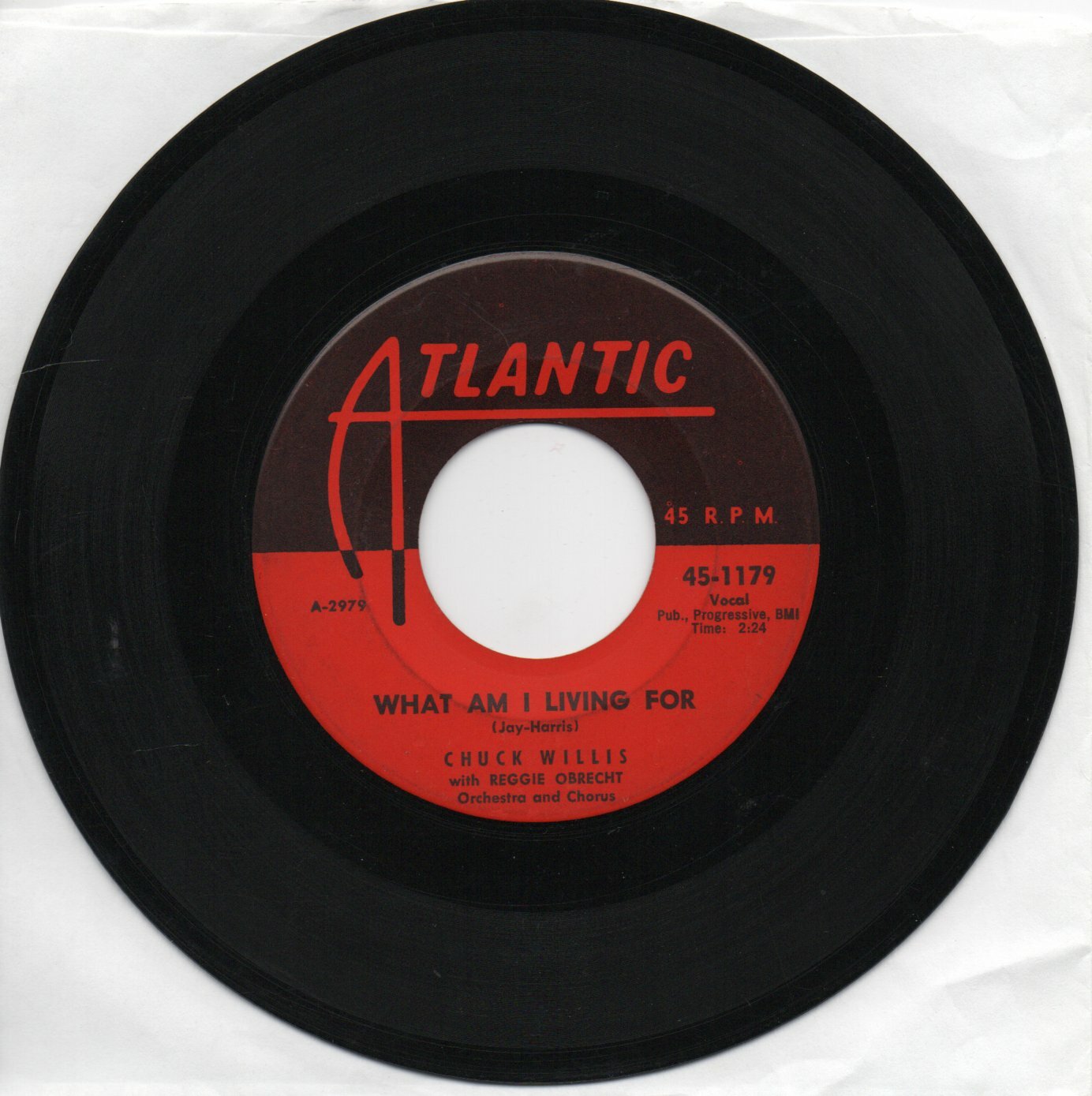
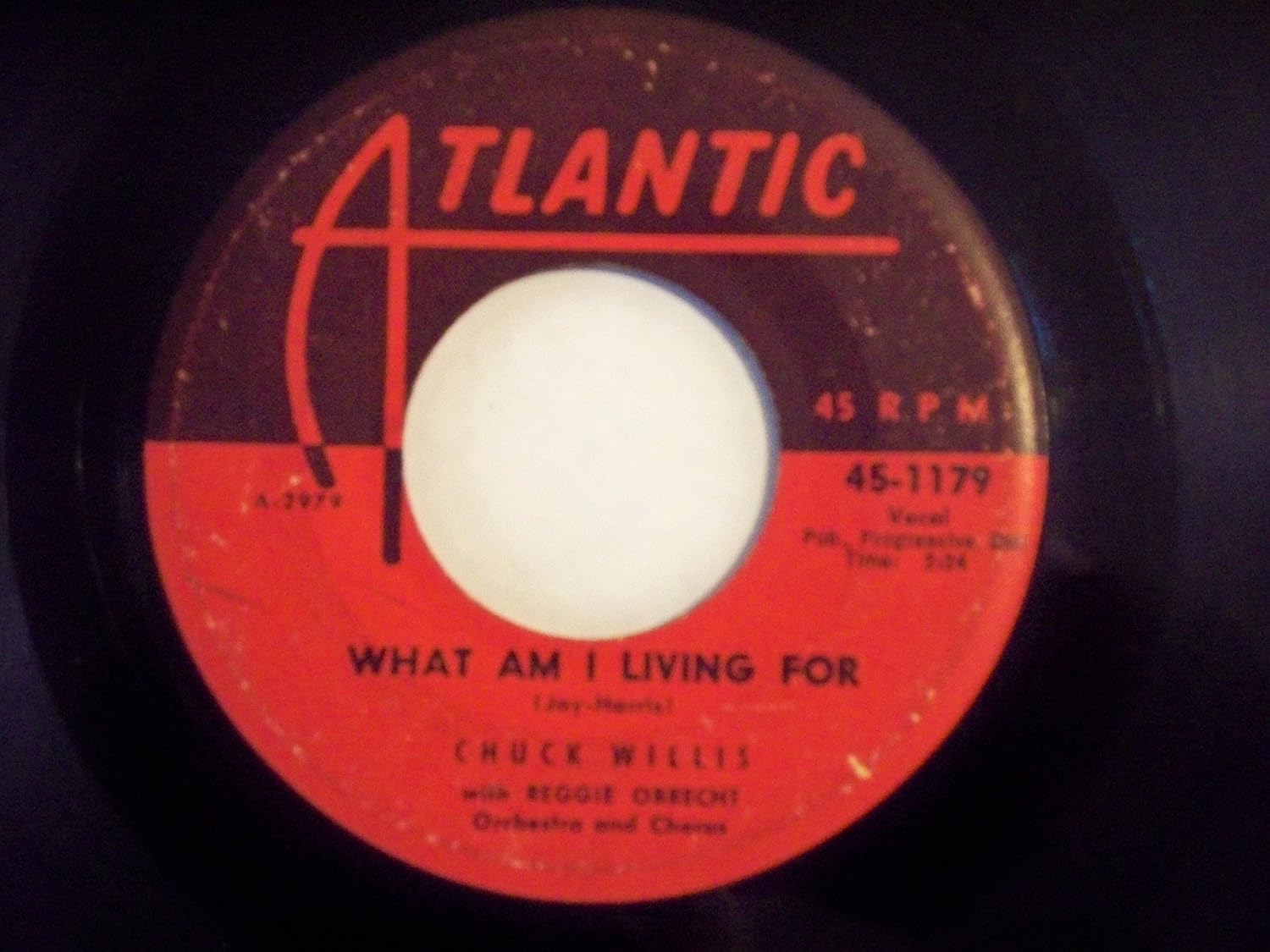
For collectors and music historians, the technical details of the original 45 RPM release are essential for understanding the song's place in the market. The record was released under Atlantic Records, a label that was instrumental in bringing Black music to a mainstream white audience during the 1950s.
| Feature | Specification |
|---|---|
| Label | Atlantic Records |
| Catalog Number | 1179 |
| Release Date | March 1958 |
| Format | 7" 45 RPM Vinyl / 78 RPM (rare) |
| Side A | What Am I Living For |
| Side B | Hang Up My Rock and Roll Shoes |
| Songwriters | Art Harris, Fred Jay |
| Producers | Ahmet Ertegun, Jerry Wexler |
| Peak Chart Position | #1 (R&B), #9 (Billboard Hot 100) |
The "B-side" of the record, "Hang Up My Rock and Roll Shoes," is equally significant. It is a high-energy rocker that served as a defense of the rock and roll genre at a time when it was under attack by conservative social forces. The contrast between the two sides of the record showcased Willis’s versatility: on one side, he was the soulful crooner of ballads; on the other, he was a vibrant rock and roll pioneer.
Comparative Influence: Notable Covers
The longevity of "What Am I Living For" is evidenced by the sheer number of high-profile covers produced over the decades. Each artist who tackled the song brought a different generic flavor to the material, proving the strength of the underlying composition.
- Conway Twitty (1959): Shortly after Willis's death, Twitty recorded a version that leaned more into the burgeoning "country-politan" sound. His version helped maintain the song's presence on the pop charts.
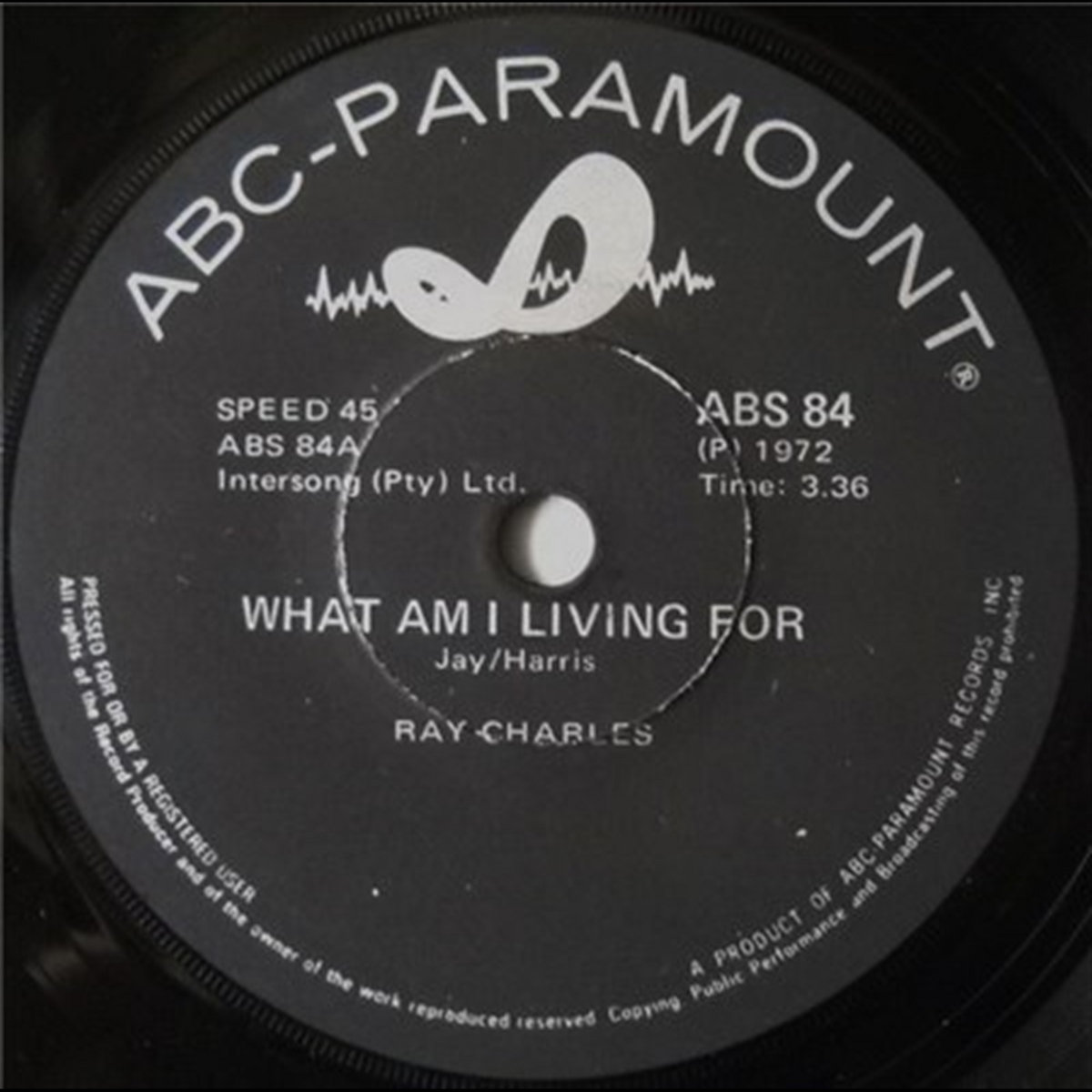
- Ray Charles (1962): Featured on his seminal album Modern Sounds in Country and Western Music Vol. 2, Charles re-interpreted the song with a heavy gospel and soul influence. His version stripped away the "Stroll" rhythm in favor of a more expansive, orchestral arrangement.
- The Animals (1965): Part of the British Invasion, Eric Burdon and The Animals gave the song a grittier, blues-rock edge, demonstrating its appeal to the burgeoning rock movement in the UK.
- Linda Ronstadt (1974): On her album Heart Like a Wheel, Ronstadt returned the song to its country-rock roots. Her version is often cited by critics as one of the best female vocal interpretations of a male-originated R&B hit.
- Van Morrison (2006): In his tribute to his musical roots, Morrison covered the song with a focus on the rhythmic "shuffle" that Willis was known for, bringing the song full circle back to its R&B origins.
The Significance of Chuck Willis in 2026
In 2026, the legacy of Chuck Willis is viewed through the lens of a transitional period in American music. He was an artist who existed at the crossroads of several genres. He was too "pop" for the traditional delta blues, too "R&B" for the country charts of the 1950s, and too "sophisticated" for the rawest forms of early rock and roll.
"What Am I Living For" remains his most vital work because it encapsulates this intersection perfectly. It is a song that feels timeless because it avoids the gimmicks of its era. While the "Stroll" rhythm was a fad, the emotional core of the song—the question of what gives life meaning—is universal.
Furthermore, Willis's influence on the visual aspect of performance cannot be overstated. By wearing a turban and adopting the "Sheik" persona, he was one of the first R&B artists to embrace a highly stylized, almost theatrical image. This paved the way for the flamboyant stage presence of artists like James Brown and Little Richard. In the context of 2026 musicology, Willis is recognized as a pioneer of "Brand Identity" in music, long before the term became a staple of the industry.
Frequently Asked Questions
Did Chuck Willis write "What Am I Living For"?
No, Chuck Willis did not write the song. It was written by the songwriting duo of Art Harris and Fred Jay. However, Willis was a prolific songwriter himself and wrote many of his other hits, such as "C.C. Rider" (based on traditional blues) and "It’s Too Late."
Why was Chuck Willis called "The Sheik of Shake"?
The nickname came from his habit of wearing a turban during his live performances and on his album covers. The "Shake" part of the name referred to his ability to get audiences dancing, specifically to the "Stroll" beat which he helped popularize.
Was "What Am I Living For" his last song?
It was one of the last songs he recorded and the last major hit released during his lifetime/immediately following his death. His final recording session took place in February 1958, just two months before he passed away.
What genre is "What Am I Living For"?
The song is primarily categorized as Rhythm and Blues (R&B), specifically a "Stroll" ballad. However, it also contains elements of early soul and pop, which allowed it to "cross over" to the mainstream pop charts in 1958.
Is the song featured in any movies?
Yes, the song and Willis’s music in general have appeared in various films set in the 1950s to establish a sense of period authenticity. It is frequently used in soundtracks to depict the slow-dance culture of 1950s high school proms and record hops.
Final Recommendation for Enthusiasts
For those looking to truly understand the impact of Chuck Willis, it is recommended to seek out the original Atlantic Records mono recordings rather than modern stereo "re-channelled" versions. The mono mixes capture the punch and clarity of the rhythm section and King Curtis’s saxophone in a way that later remasters often lose. To appreciate "What Am I Living For" is to appreciate the exact moment when R&B began its transformation into the soul music that would dominate the 1960s. Collectors should look for the King of the Stroll compilation, which remains the most comprehensive overview of his Atlantic years.
TOPIC METADATA: TAGS_JSON: ["Chuck Willis", "R&B History", "Atlantic Records", "Classic Soul"]
Image Gallery