The Evolving Profile of a Gulfstream Owner: Navigating the 2026 Landscape
The modern Gulfstream owner has transitioned from the traditional 20th-century corporate executive to a younger, tech-centric demographic that prioritizes global connectivity and environmental accountability. In 2026, ownership is defi...
The modern Gulfstream owner has transitioned from the traditional 20th-century corporate executive to a younger, tech-centric demographic that prioritizes global connectivity and environmental accountability. In 2026, ownership is defined by a shift toward ultra-long-range performance, integration of Sustainable Aviation Fuel (SAF), and a preference for flexible, high-utilization ownership models over passive asset holding.
Contents
The Generational Shift: From the Boardroom to the Tech Campus
The stereotypical image of a private jet owner—a 65-year-old industrialist in a tailored suit—has undergone a radical transformation. By 2026, the average age of a first-time Gulfstream buyer has dropped significantly, fueled by the rapid wealth creation in the technology, decentralized finance, and renewable energy sectors. These "New Money" owners approach aviation not merely as a luxury, but as a high-performance productivity tool that must integrate seamlessly with their digital lives.
Unlike their predecessors, who often delegated aircraft management entirely to flight departments, today’s owners are deeply involved in the technical specifications and cabin configurations of their aircraft. They view the Gulfstream G700 or the newly operational G400 not just as transportation, but as a mobile headquarters. This demographic is characterized by a "global nomad" mindset; they may live in Austin, conduct business in Singapore, and spend weekends in the Maldives, necessitating the 8,000-nautical-mile range offered by the Gulfstream G800.
Furthermore, the "Evolving Profile" includes an increasing number of female entrepreneurs and family office principals who prioritize cabin wellness and air quality. The demand for 100% fresh, never-recirculated air and plasma-ionization purification systems has moved from an optional upgrade to a baseline requirement for the 2026 owner.
Connectivity and the "Airborne Office" Mandate
In 2026, a Gulfstream is only as valuable as its data throughput. The evolving owner profile demands "zero-latency" connectivity that mirrors a ground-based fiber-optic experience. With the maturation of Low Earth Orbit (LEO) satellite constellations, such as Starlink Aviation and updated Ka-band networks, owners now expect to host multi-party 4K video conferences and manage real-time data streams while cruising at Mach 0.90.
This shift has influenced cabin design. We see a move away from traditional "club seating" toward dedicated "media suites" and soundproofed workstations. The Gulfstream owner of 2026 often utilizes the Symmetry Flight Deck, which features active control sidesticks and extensive touch-screen technology, mirroring the intuitive interfaces they use in their personal electronics. This alignment between personal tech and aviation tech is a key psychological driver for the modern buyer.
Ownership Structures: The Rise of Flexible Access
The methodology of how one "owns" a Gulfstream has also evolved. While whole ownership remains the gold standard for high-utilization users (typically those flying over 200 hours per year), the 2026 market has seen a surge in sophisticated fractional and hybrid models.
Whole Ownership vs. Managed Solutions
Many modern owners prefer to place their aircraft under the management of specialized firms like Executive Jet Management or Clay Lacy Aviation. This allows the owner to offset fixed costs by making the aircraft available for third-party charter when not in use. The evolving owner is more fiscally pragmatic; they view the aircraft as a depreciating asset that must be "sweated" to justify its capital expenditure.
The Fractional Influence
Fractional ownership through providers like NetJets or Flexjet has become an entry point for the "aspirational" Gulfstream owner. These individuals may hold a 1/16th share in a G650ER, providing them with the Gulfstream experience without the complexities of maintaining a dedicated flight department. In 2026, we see a "circular" ownership path: individuals start with fractional shares, move to whole ownership of a G400 or G500 as their needs grow, and eventually return to fractional models later in life to reduce administrative burdens.
| Feature | Whole Ownership | Fractional Ownership | Charter / Jet Card |
|---|---|---|---|
| Upfront Capital | High ($40M - $80M+) | Moderate ($2M - $10M) | Low (Prepaid deposits) |
| Operational Control | Absolute | Limited to share terms | None |
| Availability | Instant / Always available | Guaranteed (with notice) | Subject to market |
| Tax Benefits | Significant (Depreciation) | Pro-rated | Minimal |
| Management Burden | High (Staff, Hangar, MRO) | None (Handled by provider) | None |
| Standard Use Case | 200+ hours / year | 50 - 150 hours / year | < 50 hours / year |
Sustainability as a Core Ownership Value
Perhaps the most significant change in the 2026 Gulfstream owner profile is the elevation of environmental social governance (ESG). Aviation accounts for a small but highly visible portion of global carbon emissions, and the modern UHNWI (Ultra-High-Net-Worth Individual) is acutely aware of the "shame factor" associated with private flight.
Consequently, the 2026 owner is a primary driver behind the adoption of Sustainable Aviation Fuel (SAF). Gulfstream has been a leader in this space, having successfully flown the first trans-Atlantic flight on 100% SAF with a G600. Modern owners frequently mandate that their flight departments source SAF whenever available, even at a price premium. They also participate in high-integrity carbon sequestration programs to achieve "Net Zero" flight operations.
This commitment extends to the aircraft's physical build. Owners are increasingly requesting "vegan leather" interiors, reclaimed wood veneers, and carpets made from recycled marine plastics. The luxury of 2026 is defined by "guilt-free" consumption, where the efficiency of the engines (such as the Rolls-Royce Pearl 700) is just as important as the softness of the seats.
Technical Specs and Fleet Preferences in 2026
The Gulfstream lineup in 2026 offers a specialized tool for every mission profile, and the "evolving owner" is adept at selecting the right airframe for their specific needs.
- The Gulfstream G400: As the newest entry-level large-cabin jet, the G400 has attracted a younger demographic looking for trans-continental range (4,200 nm) with the same wide-cabin comfort of larger models. It serves as the perfect "starter" Gulfstream.
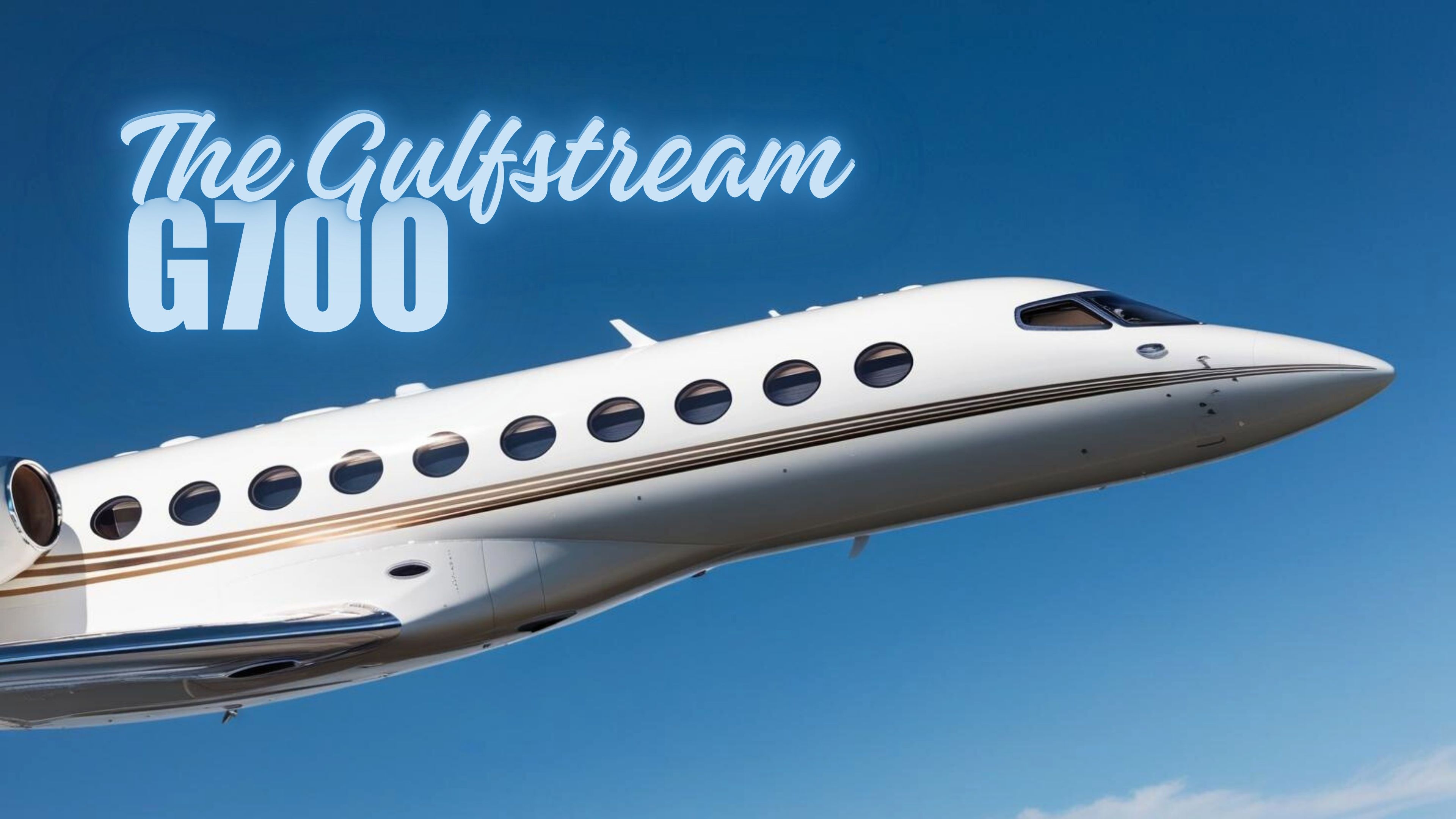
- The Gulfstream G700: This remains the flagship for the corporate titan. With five separate living areas and the lowest cabin altitude in the industry, it is the preferred choice for those who need to arrive in Tokyo or London ready to negotiate immediately.
- The Gulfstream G800: For the truly global owner, the G800’s 8,000-nm range is the primary draw. The profile of a G800 owner is typically someone with significant interests in multiple hemispheres, requiring non-stop travel between cities like New York and Hong Kong.
According to the General Aviation Manufacturers Association (GAMA), the delivery cycles for these high-end models have remained robust through 2025 and 2026, indicating that despite economic fluctuations, the demand for "time-saving" assets remains inelastic among the world's wealthiest individuals.
Financial and Regulatory Considerations
The financial profile of a Gulfstream owner in 2026 is characterized by sophisticated tax planning and risk management. While the "bonus depreciation" rules in the United States have evolved, many owners still utilize FAA Part 91 regulations to maximize the business utility of their aircraft.
Owners must also navigate the CORSIA (Carbon Offsetting and Reduction Scheme for International Aviation) framework, which in 2026 imposes stricter monitoring and reporting requirements on international flights. The modern owner employs specialized aviation legal counsel to ensure compliance across various jurisdictions, particularly as European Union "Green Deal" regulations become more stringent regarding private jet access to certain airports.
Furthermore, the secondary market for "legacy" models like the G550 remains strong. The evolving profile includes "Value-Seekers" who purchase pre-owned G550s and invest $5M - $10M in cabin refurbishments and avionics upgrades (such as FANS 1/A+ and ADS-B Out) to achieve a modern experience at a lower entry point.
Frequently Asked Questions
What is the average age of a Gulfstream owner in 2026?
While the traditional age was over 60, the average has shifted toward the late 40s and early 50s. This is largely due to the surge in younger tech billionaires and the transition of wealth to Millennial and Gen X heirs who prioritize efficient, global travel.
How has the G700 changed the owner profile?
The G700 has attracted owners who previously might have considered a "bizliner" (converted commercial airliners). Its massive cabin—the largest in purpose-built business aviation—provides enough space for a permanent bedroom and a dining area, appealing to those who spend hundreds of hours a year in the air and require a true "home away from home."
Are owners moving away from full ownership?
There is a noticeable trend toward "hybrid" ownership. Many owners keep a whole aircraft for their primary missions but maintain a fractional share or jet card for secondary missions where a smaller or different aircraft type is more efficient, or to ensure backup availability during maintenance periods.
What are the primary tax benefits for aircraft owners in 2026?
Under current 2026 guidelines, business-use aircraft can still benefit from modified depreciation schedules, provided the aircraft is used primarily for "ordinary and necessary" business purposes. Owners should consult with a specialized aviation tax professional, as these rules are subject to frequent legislative updates and jurisdictional variations.
How do modern owners address environmental concerns?
Beyond purchasing SAF, many 2026 owners invest in "Carbon Transformation" technologies. This includes supporting direct air capture (DAC) projects and ensuring their aircraft are maintained at peak aerodynamic efficiency to reduce fuel burn. Gulfstream's focus on lightweight materials and high-bypass ratio engines assists in these goals.
Recommendation for Prospective Owners
If you are considering entering the Gulfstream ecosystem in 2026, your first step should be a thorough Mission Profile Analysis. Do not buy for the "maximum" mission you might take once a year; buy for the "80% mission" that covers your routine travel. For most, this means looking closely at the G500 or G600, which offer an ideal balance of speed, range, and efficiency.
Engage a reputable aircraft acquisition consultant early in the process. The 2026 market is fast-moving, and "off-market" opportunities—where aircraft are sold before they ever hit public listings—account for a significant portion of high-quality transactions. Finally, ensure your flight department or management company is "SAF-ready" to future-proof your operations against tightening environmental regulations.
Image Gallery