Robert Reich: The Legacy and Economic Influence of the Former Labor Secretary
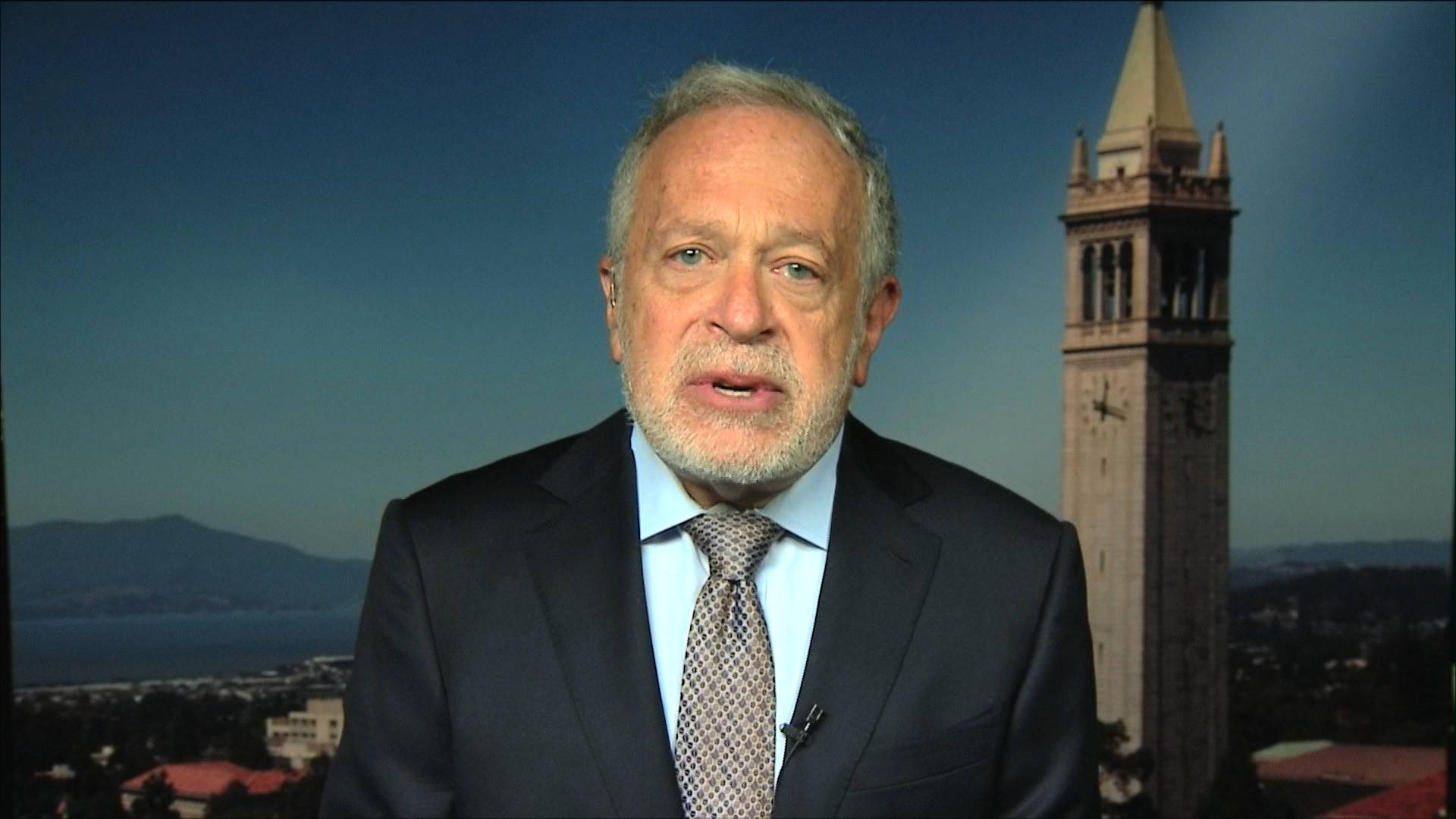
Robert Reich is an American economist, professor, and author who served as the 22nd U.S. Secretary of Labor under President Bill Clinton. As of 2026, he remains a preeminent voice in progressive economics, focusing on income inequality...
Robert Reich is an American economist, professor, and author who served as the 22nd U.S. Secretary of Labor under President Bill Clinton. As of 2026, he remains a preeminent voice in progressive economics, focusing on income inequality, corporate accountability, and the protection of the American workforce through his academic work at UC Berkeley and his extensive digital media presence.
Contents
The Formative Years and Intellectual Foundations
Robert Bernard Reich’s journey into the heart of American economic policy began long before his cabinet appointment. Born in 1946, his early life was marked by a keen observation of social structures. Reich attended Dartmouth College and subsequently won a Rhodes Scholarship to study at Oxford University. It was during this period, and later at Yale Law School, that he formed a lifelong friendship and professional bond with Bill and Hillary Clinton.
His academic background is not merely a list of prestigious institutions; it represents the synthesis of law and economics that would define his career. Unlike many economists who focus solely on econometric modeling, Reich has consistently approached the field through the lens of political economy. He views markets not as natural phenomena, but as human constructs governed by laws and regulations. This perspective was solidified during his time at the Federal Trade Commission (FTC) in the late 1970s, where he served as the Director of the Policy Planning Staff.
By the time he joined the Clinton administration in 1993, Reich had already established himself as a leading public intellectual. His 1991 book, The Work of Nations, argued that as the global economy became more integrated, the "skills" of a nation's workforce would become its primary competitive advantage. This set the stage for his tenure as Secretary of Labor, where he would champion education and job training as the fundamental tools for middle-class prosperity.
Leadership at the Department of Labor (1993–1997)
As Secretary of Labor, Robert Reich sought to transform the department into a proactive force for worker advocacy rather than a mere regulatory body. His tenure was defined by a period of robust economic growth, but also by the emerging challenges of globalization and automation—themes that continue to dominate economic discourse in 2026.
One of Reich’s most significant legislative victories was the implementation of the Family and Medical Leave Act (FMLA) of 1993. This landmark legislation allowed employees to take unpaid, job-protected leave for specified family and medical reasons, fundamentally altering the relationship between American workers and their employers. Reich was also a fierce advocate for raising the federal minimum wage, arguing that a rising tide must lift all boats, not just those of the wealthiest capital owners.
However, his time in the cabinet was also marked by internal friction. Reich often found himself at odds with the more centrist, "deficit-hawk" members of the Clinton administration, such as Robert Rubin. While Reich pushed for increased public investment in infrastructure and education, others prioritized balanced budgets and free-trade agreements like NAFTA. Reich’s eventual departure from the administration in 1997 reflected his desire to return to a platform where he could more freely critique the systemic forces driving wealth concentration.
The Core Economic Thesis: Solving Income Inequality
For the past three decades, Robert Reich’s work has centered on a single, pervasive problem: the widening gap between the ultra-wealthy and the rest of society. He argues that the "Great Prosperity" (the period following WWII) was characterized by a virtuous cycle where high wages led to high demand, which in turn led to more jobs.
Reich posits that this cycle has been replaced by a "Downward Spiral" caused by several factors:
- The Decline of Labor Unions: As union density plummeted, workers lost the collective bargaining power necessary to share in productivity gains.
- Corporate Short-termism: The shift toward maximizing shareholder value above all else led to stagnant wages and the outsourcing of jobs.
- The Rigged System: Reich frequently uses this term to describe how the intersection of wealth and political power has led to laws that favor monopolies and disadvantage small businesses and laborers.
In his later works, such as Saving Capitalism (2015) and The System: Who Rigged It, How We Fix It (2020), Reich emphasizes that the "free market" is a myth because the rules governing the market are written by those with the most influence. He suggests that the solution is not merely "redistribution" through taxes, but "pre-distribution"—changing the rules of the market to ensure it works for the many rather than the few.
The Academic and Public Intellectual in the 2020s
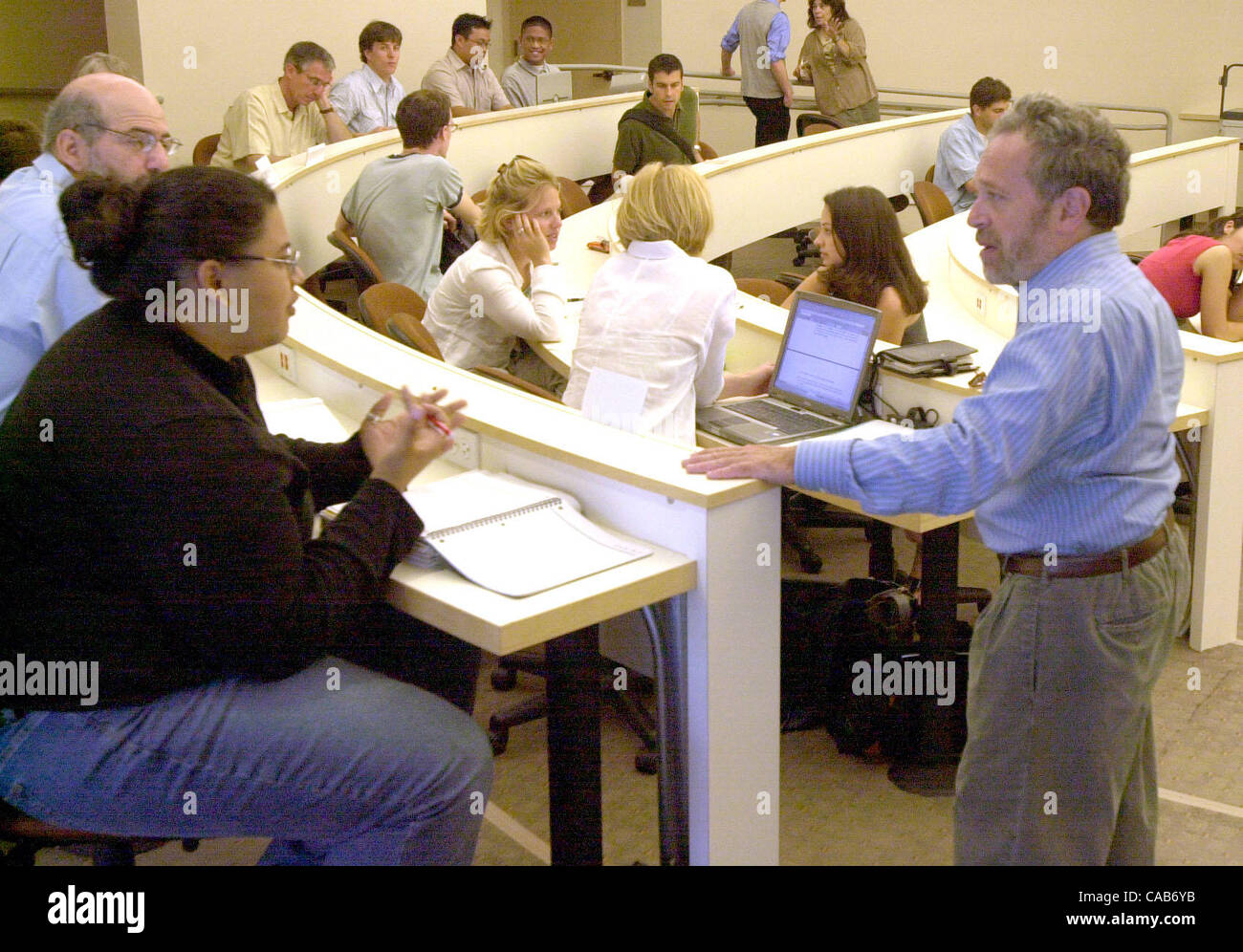
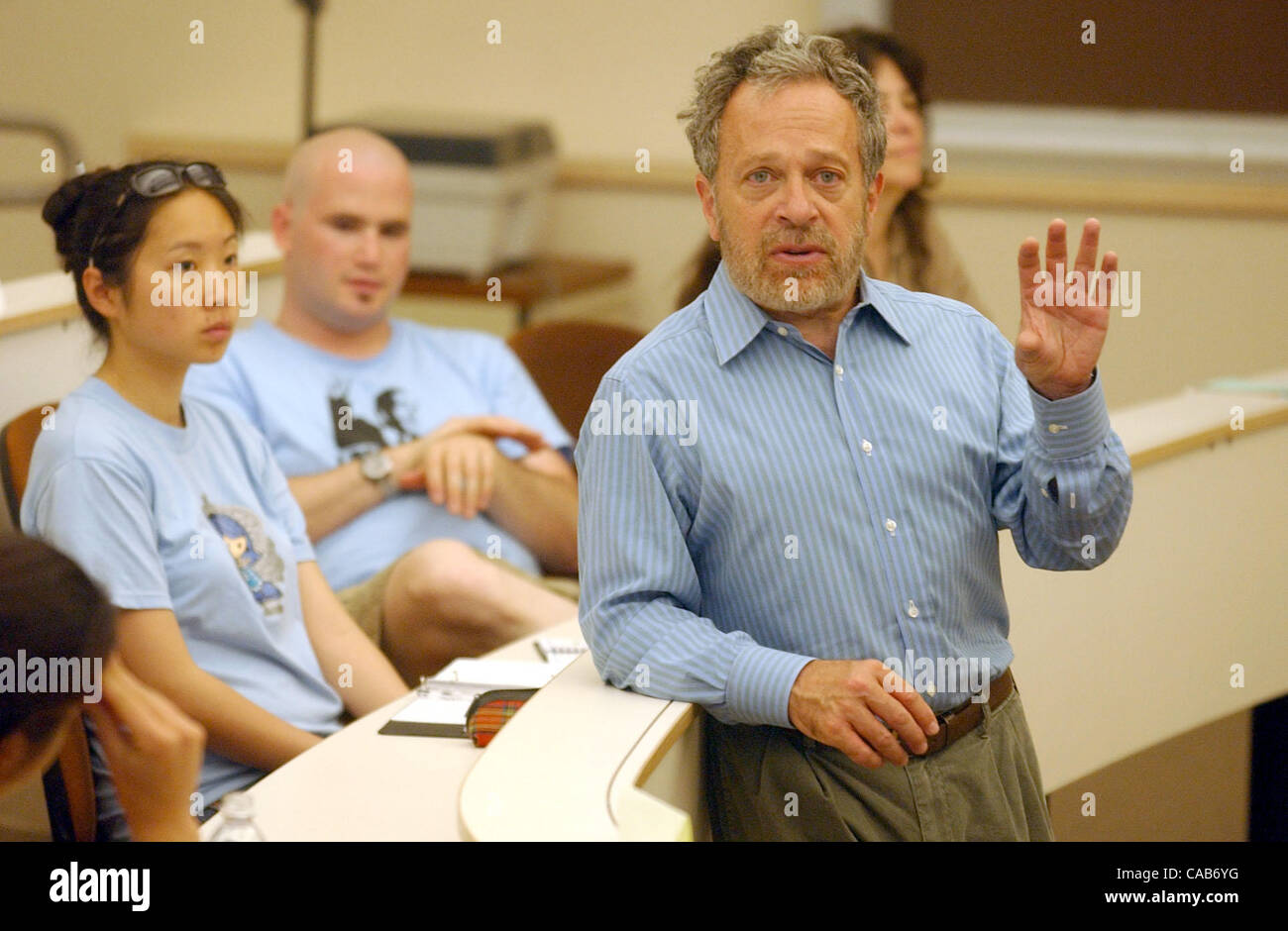
Following his government service, Reich transitioned to academia, eventually becoming the Chancellor’s Professor of Public Policy at the University of California, Berkeley’s Goldman School of Public Policy. In this role, he has influenced a new generation of policymakers, teaching the complexities of wealth and poverty in the modern era.
Perhaps more significant than his classroom presence is his evolution into a digital media powerhouse. Recognizing that traditional media often filtered complex economic ideas, Reich co-founded Inequality Media, a non-profit digital media organization. Through short, highly visual videos, he breaks down topics like inflation, CEO pay-to-worker ratios, and the mechanics of the federal budget.
By 2026, his Substack newsletter and social media platforms have become essential reading for those seeking a counter-narrative to neoliberal economic thought. He has mastered the art of using the "bully pulpit" of the internet to mobilize public opinion, often advocating for policies that have moved from the fringe to the mainstream, such as a wealth tax, universal basic income (UBI) pilots, and expanded antitrust enforcement.
Comparative Analysis of Reich’s Economic Frameworks
To understand Reich's impact, it is helpful to compare the economic eras he has influenced and the specific policy shifts he has championed over time.
| Era / Focus | Policy Priority | Key Concept | Outcome/Impact |
|---|---|---|---|
| The 1990s (Labor Secretary) | Job Training & FMLA | Symbolic Analysts | Established parental leave as a federal right; highlighted the "skills gap." |
| The 2010s (Post-Recession) | Wall Street Reform | The 1% vs. the 99% | Popularized the narrative of the "rigged economy" following the 2008 crash. |
| The 2020s (Modern Era) | Corporate Monopoly & Inflation | Greedflation / Pre-distribution | Focused on how corporate concentration drives prices higher than labor costs do. |
| Long-term Advocacy | Minimum Wage Indexing | The Common Good | Helped lead the movement for a $15+ minimum wage across various states. |
Major Publications and Their Lasting Value
Robert Reich is a prolific author with over 18 books to his name. Each serves as a diagnostic tool for the era in which it was written, yet many remain strikingly relevant in 2026.
- The Work of Nations (1991): This book predicted the rise of "symbolic analysts"—workers who manipulate information and symbols—and warned that those in routine production or service jobs would be left behind by globalization.
- Aftershock: The Next Economy and America's Future (2010): Written in the wake of the Great Recession, Reich argued that the recovery would be anemic unless the underlying issue of low consumer purchasing power was addressed.
- Saving Capitalism: For the Many, Not the Few (2015): This work moved away from the "big government vs. small government" debate, focusing instead on how the market's "hidden architecture" (patents, bankruptcy laws, contracts) is tilted toward large corporations.
- The Common Good (2018): In this philosophical turn, Reich explored the breakdown of social trust and the necessity of a shared sense of responsibility to sustain a democracy.
Criticisms and Counter-Perspectives
While Reich is celebrated in progressive circles, he is not without his critics. Free-market economists often argue that his focus on inequality ignores the benefits of capital accumulation and investment. Some critics suggest that his proposals, such as aggressive wealth taxes or heavy regulation of tech giants, could stifle innovation and lead to capital flight.
Furthermore, some political analysts argue that his rhetoric can be overly partisan, potentially alienating moderate voters who are wary of large-scale structural changes to the economy. Despite these critiques, Reich remains consistent in his message: without a strong middle class, neither the economy nor democracy can remain stable in the long run.
Frequently Asked Questions
What is Robert Reich's most significant contribution to labor policy?
His most tangible contribution is the implementation of the Family and Medical Leave Act (FMLA). Beyond legislation, he is credited with shifting the national conversation toward "income inequality" as a systemic threat rather than an accidental byproduct of the market.
Is Robert Reich still teaching at UC Berkeley in 2026?
Yes, Robert Reich continues to serve as a professor at the Goldman School of Public Policy at UC Berkeley. He remains active in both undergraduate and graduate instruction, focusing on the intersection of wealth, power, and public policy.
What does Reich mean by "Greedflation"?
"Greedflation" is a term Reich popularized to describe a situation where large corporations use the cover of general inflation (caused by supply chain issues or energy costs) to raise prices significantly higher than necessary to maintain profit margins, thereby further enriching shareholders at the expense of consumers.
How does Robert Reich view the role of Labor Unions today?
Reich views the revitalization of labor unions as the single most effective way to rebalance the economy. He argues that without collective bargaining, the structural power imbalance between employers and employees cannot be corrected by legislation alone.
Has Robert Reich held any other government positions?
In addition to being Secretary of Labor, he served on the transition team for President Barack Obama and held roles at the FTC under the Carter administration. He also ran for Governor of Massachusetts in 2002.
Next Steps for Economic Literacy
For those looking to deepen their understanding of Robert Reich’s economic theories and their practical applications in 2026, the following actions are recommended:
- Monitor the "Inequality Media" Platforms: These digital resources provide real-time commentary on current legislation and economic trends through a progressive lens.
- Review the Department of Labor (DOL) Archives: Examining the reports issued during Reich’s 1993–1997 tenure provides a historical baseline for how labor statistics and worker protections have evolved.
- Engage with Local Labor Advocacy: Reich often emphasizes that change happens through grassroots organizing. Investigating local wage theft laws or unionization efforts provides a practical application of his "pre-distribution" theories.
- Read The System: To understand the comprehensive nature of his current worldview, this book offers the most consolidated explanation of how political and economic power have merged.
Image Gallery