Piper Gilles Origin and Background: The Journey of a Canadian Ice Dance Icon
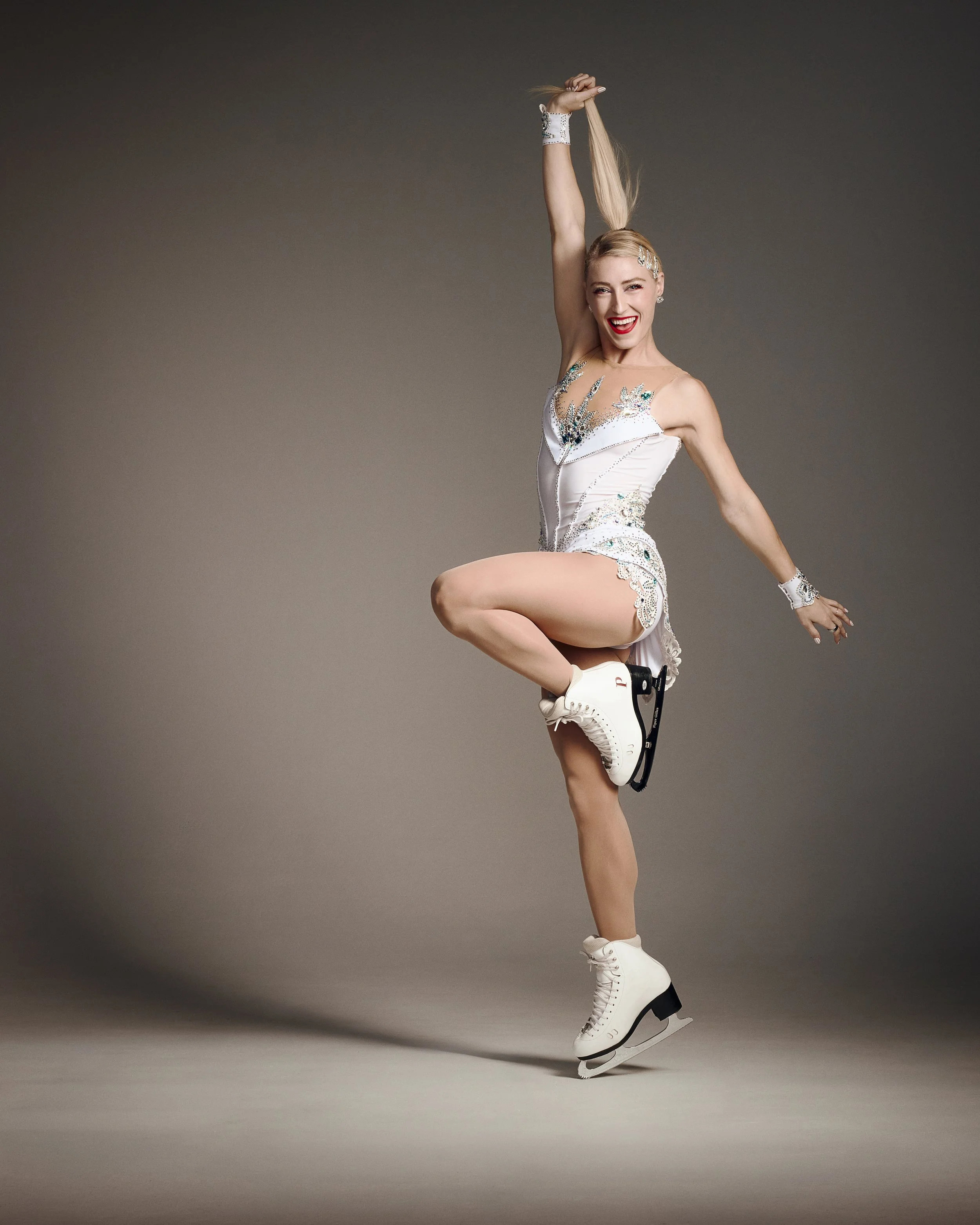
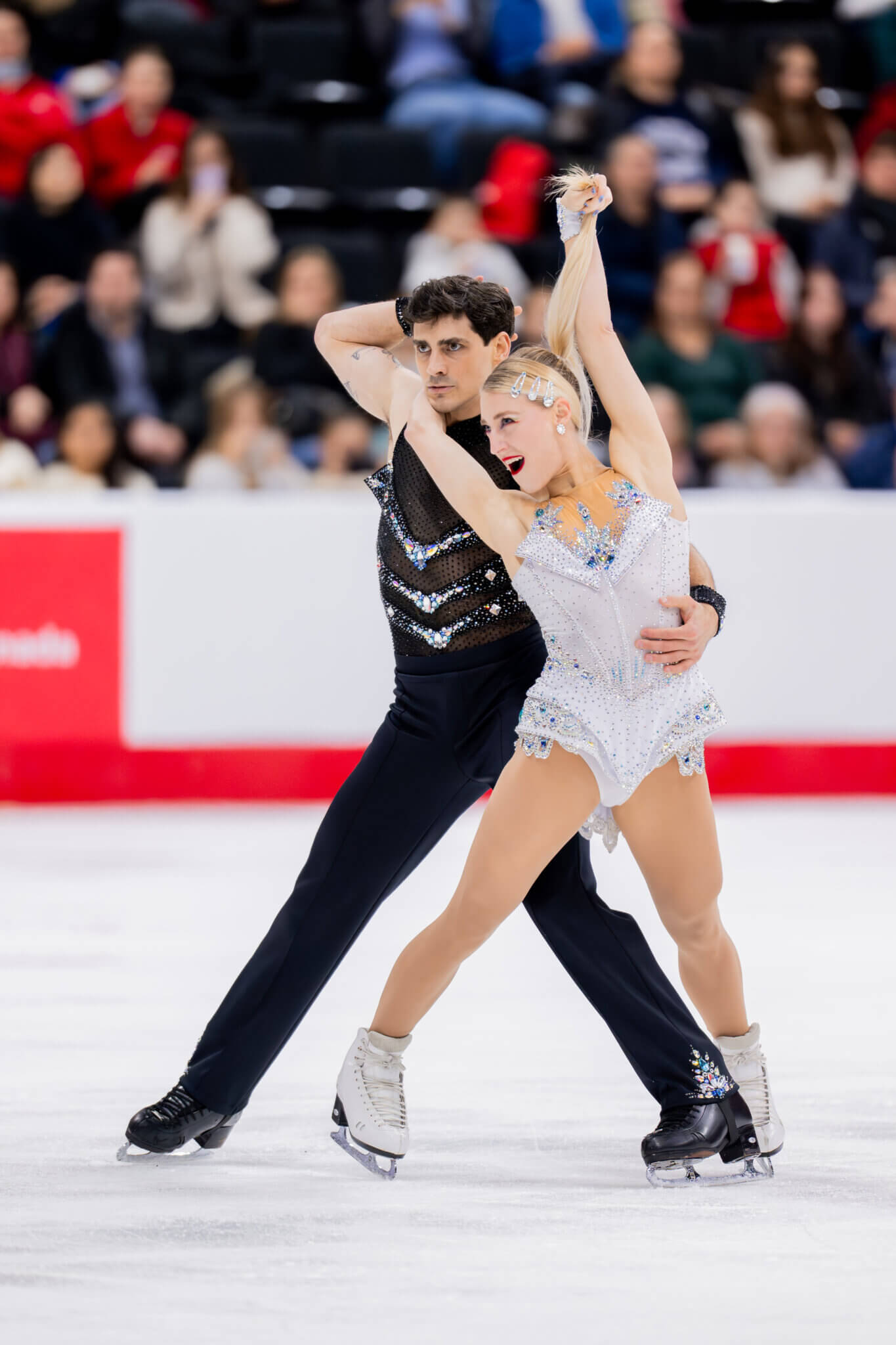
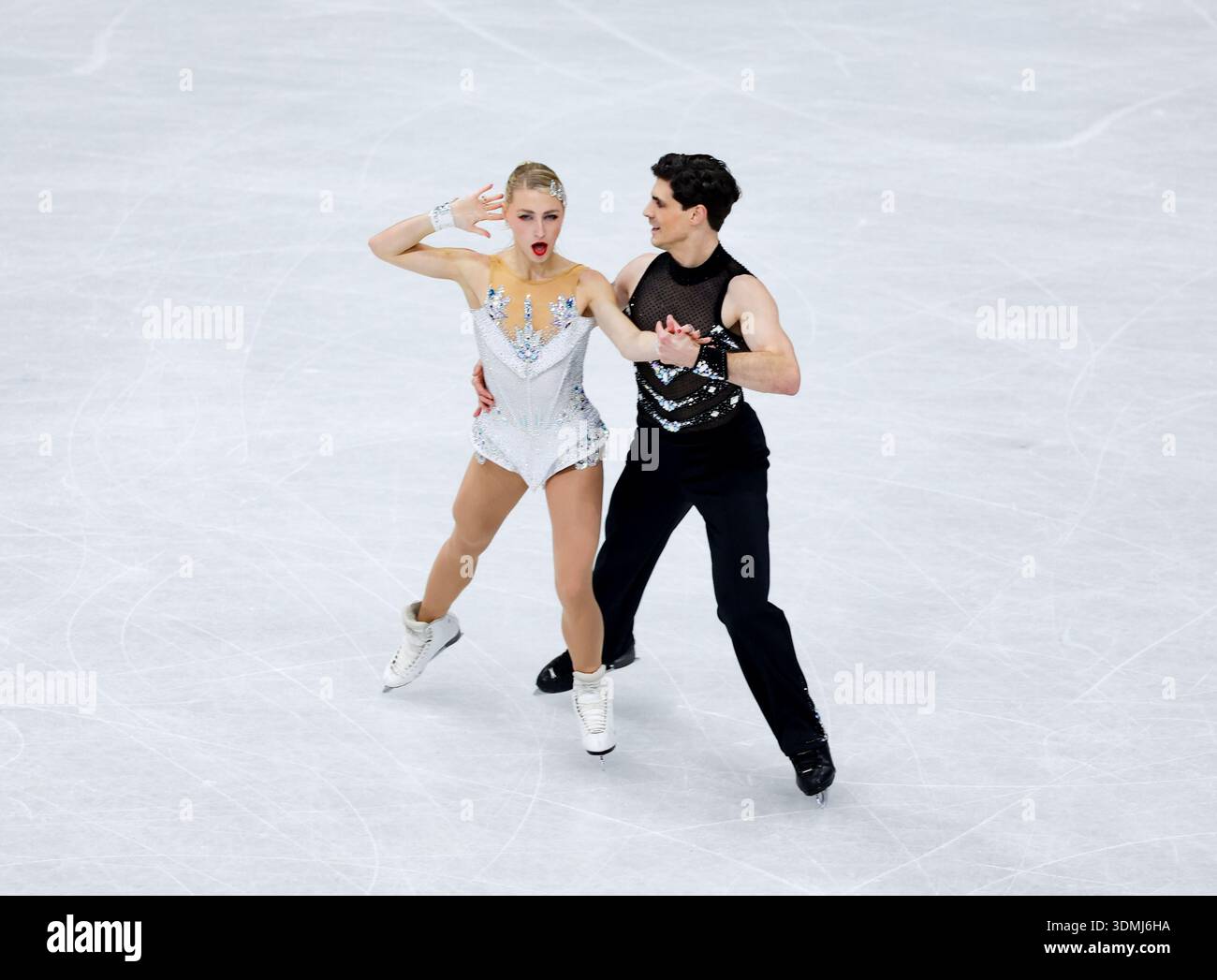
Piper Gilles is a decorated ice dancer who represents Canada on the world stage alongside her partner, Paul Poirier. Born in Rockford, Illinois, she transitioned from the American skating system to the Canadian one in 2011. Her backgro...
Piper Gilles is a decorated ice dancer who represents Canada on the world stage alongside her partner, Paul Poirier. Born in Rockford, Illinois, she transitioned from the American skating system to the Canadian one in 2011. Her background is defined by a deep family legacy in figure skating, a successful transition across borders, and a resilient career marked by artistic innovation and international acclaim.
Contents
As of 2026, Piper Gilles remains a central figure in the international figure skating community. To understand her impact on the sport, one must look at the specific intersections of her American upbringing, her family’s athletic pedigree, and the strategic decisions that led her to become one of Canada’s most beloved winter athletes.
The American Roots: Early Life and Family Heritage
Piper Gilles was born on January 16, 1992, in Rockford, Illinois, into a family that can only be described as a figure skating dynasty. While she has become a symbol of Canadian excellence, her foundational years were spent navigating the highly competitive United States Figure Skating (USFSA) pipeline.
The Gilles family’s connection to the ice is extensive. Piper is the daughter of Shelby and Jeff Gilles, who encouraged all their children to pursue high-level athletics. Her siblings also reached the elite echelons of the sport:
- Todd Gilles: Piper’s older brother, who was a successful ice dancer in his own right, competing for the United States and winning medals on the Junior Grand Prix circuit.
- Alexe Gilles: Piper’s twin sister, who competed in women’s singles for both the United States and Canada, winning the U.S. Junior National title in 2008.
Growing up in such a household meant that skating was more than a hobby; it was a primary language. Piper began skating at the age of two and quickly gravitated toward ice dance, a discipline that allowed her to combine her technical precision with her natural flair for performance. Her early training took place primarily in the Midwestern United States, where she developed the fundamental edge work and carriage that would later define her professional style.
The U.S. Competitive Years
Before her historic partnership with Paul Poirier, Piper Gilles had a successful domestic career in the United States. She initially competed with Timothy McKernan, with whom she won the silver medal at the junior level of the 2008 U.S. Championships. This early success signaled her potential as a future international contender.
Following her partnership with McKernan, Gilles teamed up with Zachary Donohue in 2008. The Gilles/Donohue duo was formidable, winning two gold medals on the Junior Grand Prix circuit and placing in the top five at the U.S. Championships at the senior level. However, despite their technical prowess, the partnership dissolved in 2010. This moment of professional uncertainty became the catalyst for the most significant shift in her career and her eventual move to Canada.
The Transition to Canada and Partnership with Paul Poirier
In 2011, Piper Gilles found herself without a partner and at a crossroads. Meanwhile, in Canada, Paul Poirier—a highly decorated skater who had recently split from his longtime partner Vanessa Crone—was also searching for a new path.
The two had a tryout in the summer of 2011 at the Scarboro Figure Skating Club in Ontario. The connection was instantaneous. Despite the logistical hurdles of Gilles being American and Poirier being Canadian, they decided to commit to the partnership under the guidance of coaches Carol Lane and Juris Razgulajevs.
Navigating the Citizenship and Eligibility Process
The decision to represent Canada was a technical and legal challenge. Under International Skating Union (ISU) rules, a skater can represent a new country if they have not competed for their previous country for a specific period and if they obtain the necessary releases.
Gilles moved to Toronto permanently to train, immersing herself in the Canadian skating culture. However, to compete in the Olympic Games, an athlete must hold citizenship in the country they represent. While the ISU allows different nationalities to compete together in World Championships, the International Olympic Committee (IOC) has stricter requirements.
Piper Gilles officially became a Canadian citizen in December 2013. This milestone was not just a legal formality; it was a deeply emotional moment for Gilles, who had come to view Canada as her true home and the Canadian skating community as her primary support system.
Artistic Style and Technical Background
One of the defining aspects of Piper Gilles’ background is her commitment to "Kreative" ice dance—a term often used by her coaching team at the Scarboro Ice Dance Elite. Unlike many teams that stick to traditional ballroom or classical themes, Gilles and Poirier became known for their avant-garde approach.
Their background in various dance forms and their willingness to take risks led to some of the most memorable programs in modern skating history. Key examples include:
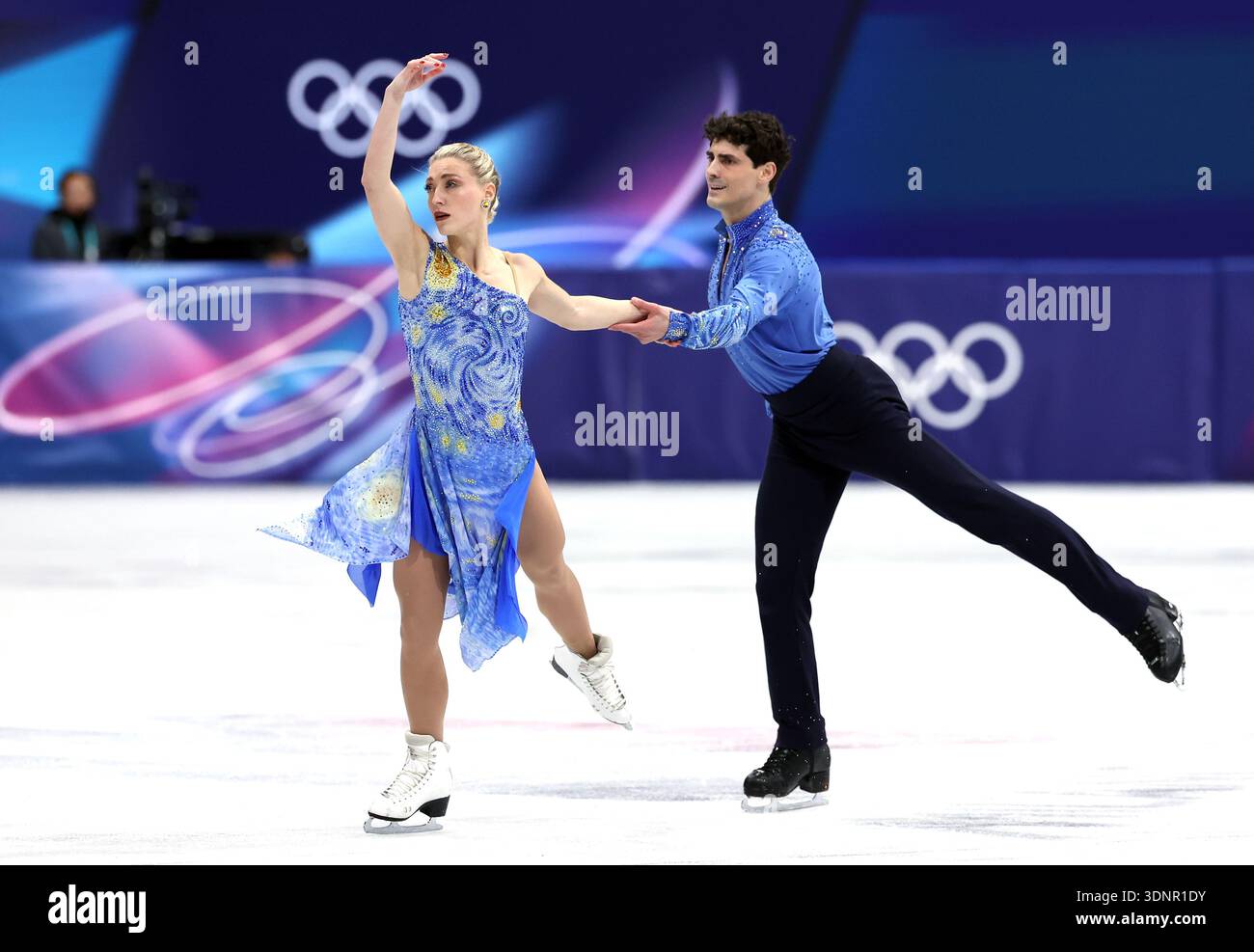
- "Vincent" (Starry Starry Night): A tribute to Van Gogh that showcased their ability to translate visual art into movement.
- "Wuthering Heights": A program that emphasized their theatricality and storytelling.
- "The Long and Winding Road": A sentimental piece that reflected their longevity and partnership.
This artistic depth is rooted in Gilles’ early training in the U.S., which focused heavily on technical compulsories, combined with the "British School" of ice dance influenced by Carol Lane, which prioritizes expression and unique choreography.
Career Milestones: A Comparative Summary
Throughout her career, Gilles has bridged the gap between two of the world’s strongest skating federations. The following table highlights the key differences and achievements across her developmental years in the U.S. and her professional peak in Canada.
| Feature | United States Phase (Pre-2011) | Canadian Phase (2011–Present) |
|---|---|---|
| Primary Partners | Timothy McKernan, Zachary Donohue | Paul Poirier |
| Training Base | Colorado Springs / Michigan | Scarborough, Ontario |
| National Titles | Junior Medalist (U.S.) | Multi-time Canadian National Champion |
| Olympic Appearances | N/A | 2018 PyeongChang, 2022 Beijing |
| World Championship Peak | Junior Circuit success | Multiple World Medals (Silver, Bronze) |
| Citizenship Status | U.S. Citizen by birth | Dual U.S./Canadian Citizen (since 2013) |
Overcoming Adversity: The Resilience Factor
A significant part of Piper Gilles’ background involves her resilience in the face of personal and health challenges. In early 2023, she underwent surgery for ovarian cancer. This diagnosis and the subsequent recovery became a defining chapter of her story, showcasing a level of grit that surpassed her on-ice achievements.
Her return to the ice just months after surgery to win a silver medal at the 2024 World Championships is cited by many analysts as one of the most remarkable comebacks in the sport. This period of her life added a layer of emotional maturity to her skating, which resonated with audiences and judges alike.
Furthermore, Gilles has been open about the loss of her mother, Shelby, to cancer in 2018. The influence of her mother—who was her biggest supporter and often the seamstress for her elaborate costumes—remains a core element of her motivation and artistic identity.
Training Environment and Infrastructure
The "origin" of Piper Gilles’ success in Canada is inseparable from the Scarboro Ice Dance Elite. Unlike the high-pressure, often commercialized training centers in some parts of the world, the Scarborough camp is known for its "family-style" atmosphere.
Led by Carol Lane and Juris Razgulajevs, the training environment focuses on:
- Individual Identity: Encouraging skaters to develop a style that is uniquely theirs rather than following current trends.
- Longevity: Prioritizing health and mental well-being to ensure long-term competitive viability.
- Technical Precision: Utilizing Razgulajevs’ expertise in edge work to ensure that their artistic programs are backed by high technical scores (TES).
Gilles’ background in this specific ecosystem allowed her to flourish at an age when many ice dancers consider retirement, proving that her American foundation and Canadian refinement were a perfect match.
FAQ: Understanding Piper Gilles' Background
Is Piper Gilles originally from Canada?
No, Piper Gilles was born in Rockford, Illinois, USA. She grew up in the United States and competed for the U.S. figure skating team at the junior and senior levels before moving to Canada in 2011 to partner with Paul Poirier.
Why did Piper Gilles change her citizenship?
Gilles changed her citizenship to represent Canada in the Olympic Games. While the ISU allows skaters of different nationalities to compete together in most international events, the Olympics require both members of a duo to be citizens of the country they represent. She became a Canadian citizen in December 2013.
Does Piper Gilles have a twin sister who skates?
Yes, Piper has a twin sister named Alexe Gilles. Alexe was a highly successful competitive skater who won the 2008 U.S. Junior National title. She later performed professionally in ice shows and briefly represented Canada in international competitions.
Who are Piper Gilles' parents and what is their role in her career?
Her parents are Jeff and Shelby Gilles. They were instrumental in her early career in Illinois and Colorado. Her mother, Shelby, was particularly involved in her skating life, often designing and sewing Piper’s costumes before her passing in 2018.
What are some of Piper Gilles' most famous programs?
Gilles and her partner Paul Poirier are famous for their innovative programs, including their "Vincent" (Starry Starry Night) rhythm dance, their "Wuthering Heights" free dance, and their 2024-2025 season programs that highlighted their technical maturity.
How did Piper Gilles' health impact her skating background?
In 2023, Gilles was diagnosed with stage one ovarian cancer. Her background as an elite athlete helped her through a rigorous recovery process. Her transparency about her health has since made her an advocate for women's health awareness within the sporting community.
Conclusion and Future Outlook
Piper Gilles’ origin and background represent a unique blend of American competitive grit and Canadian artistic freedom. From her beginnings in a small Illinois skating rink to the heights of the Olympic podium, her journey is a testament to the power of finding the right environment and the right partner.
For fans and aspiring skaters, Gilles’ story emphasizes that a career path is rarely linear. Her transition between countries and her ability to overcome significant health hurdles serve as a blueprint for resilience. As the 2026 season progresses, her background remains the foundation upon which she and Paul Poirier continue to push the boundaries of what is possible in ice dance.
Next Action for Fans: To truly appreciate her background, viewers should watch a retrospective of her programs from 2012 to 2024 to see the evolution of her skating skills and the deepening of her connection with the Canadian fans.
Image Gallery