Understanding the Polysomnography CPT Code for Sleep Studies
Polysomnography (PSG) is coded primarily using CPT codes 95810 and 95811 for adult patients, and 95782 and 95783 for children under age six. These codes differentiate between purely diagnostic studies and those that involve the initiat...
Polysomnography (PSG) is coded primarily using CPT codes 95810 and 95811 for adult patients, and 95782 and 95783 for children under age six. These codes differentiate between purely diagnostic studies and those that involve the initiation and titration of positive airway pressure (PAP) therapy, while requiring the continuous presence of a technologist.
Contents
Clinical sleep medicine relies on accurate procedural coding to ensure that healthcare providers are reimbursed for the intensive resource utilization required during a sleep study. As of 2026, the Current Procedural Terminology (CPT) framework remains the gold standard for reporting polysomnography, a multi-parametric test used in the study of sleep and as an instrument in sleep medicine. Understanding these codes requires a grasp of both the technical requirements of the study and the specific patient demographics involved. Misreporting these codes can lead to significant claim denials or audits, making it essential for billing departments and clinicians to distinguish between the various levels of service provided in a sleep laboratory.
The Fundamentals of Polysomnography Coding
Polysomnography is distinct from simple sleep monitoring because it requires the simultaneous recording of multiple physiological variables. To qualify for a polysomnography CPT code, the study must include sleep staging, which is defined by a combination of electroencephalogram (EEG), electrooculogram (EOG), and submental electromyogram (EMG). Additionally, the study must record at least four additional parameters of sleep, such as airflow, respiratory effort, oxygen saturation, or electrocardiogram (EKG).
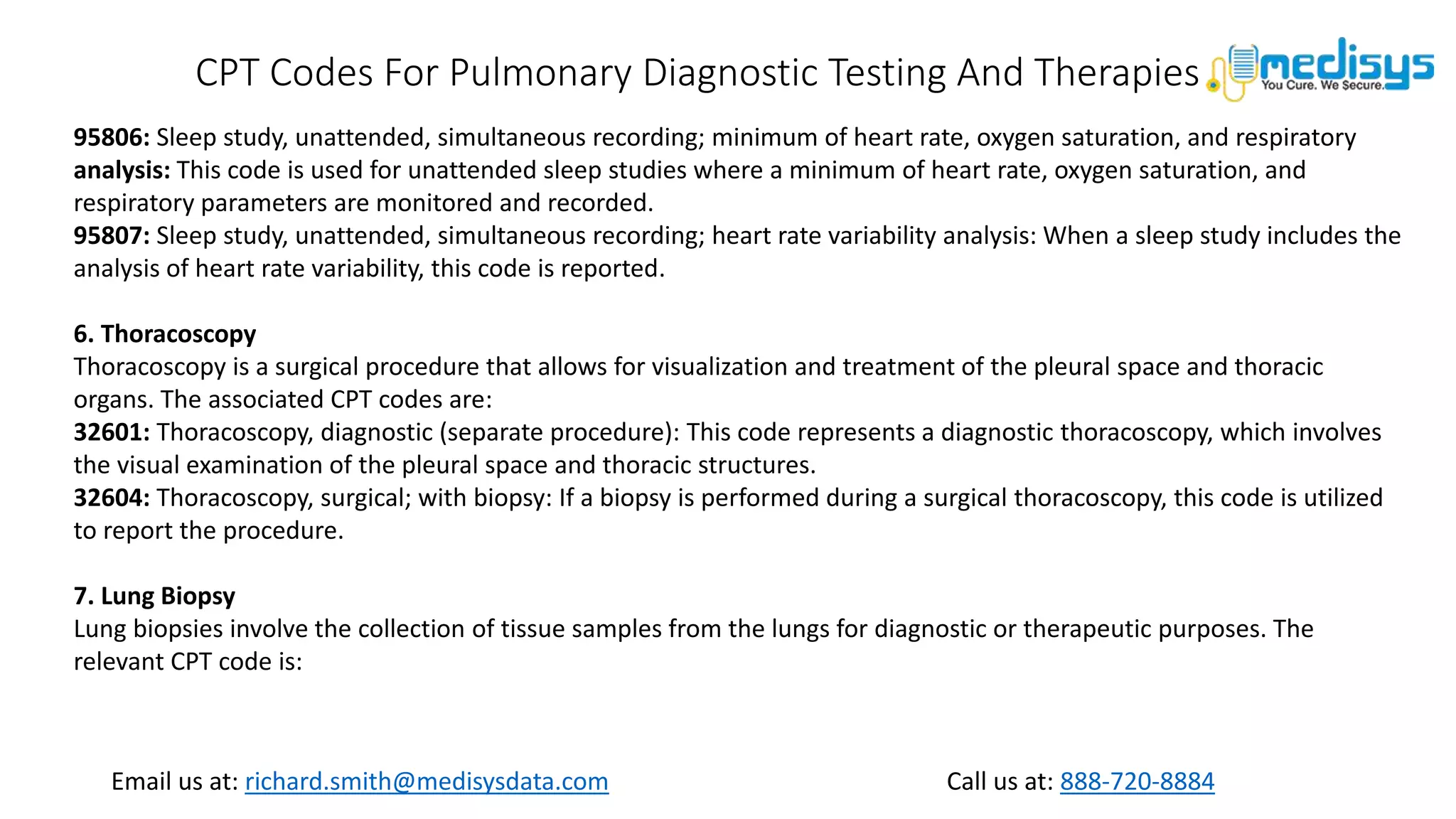
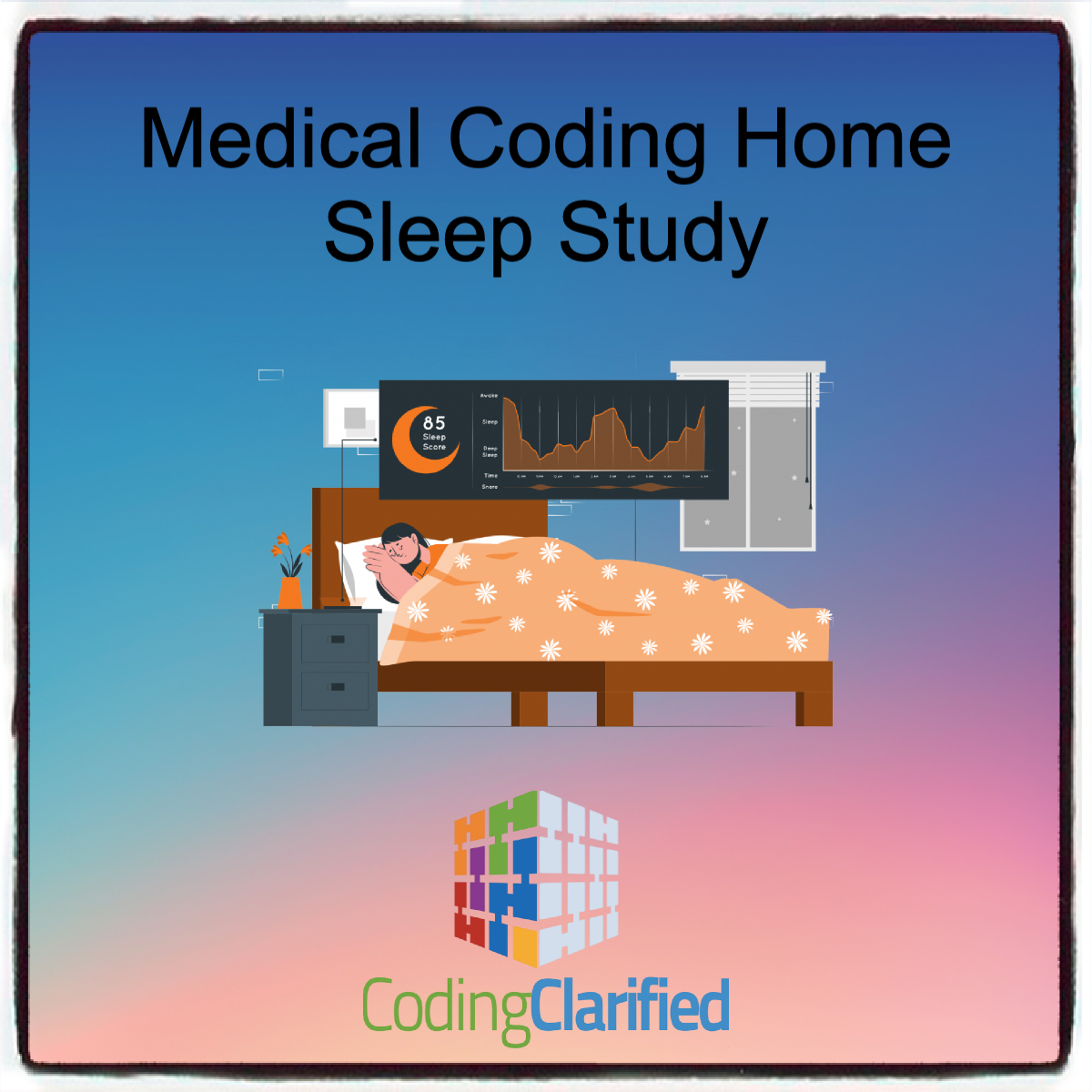
In 2026, the distinction between "attended" and "unattended" studies remains the most critical factor in code selection. The primary PSG codes (95810, 95811, 95782, 95783) are reserved for studies attended by a technologist who is physically present to monitor the patient and intervene if necessary. If a study is performed without a technologist—often referred to as a Home Sleep Apnea Test (HSAT)—a different set of codes (95800, 95801, or 95806) must be utilized. This distinction reflects the higher overhead and clinical intensity of laboratory-based studies compared to portable monitoring.
Primary Adult Polysomnography Codes: 95810 and 95811
For patients aged six years and older, two codes dominate the billing landscape. These are differentiated by whether the study is purely diagnostic or if a therapeutic intervention, specifically Positive Airway Pressure (PAP), is initiated during the night.
CPT 95810: Diagnostic Polysomnography
CPT code 95810 is used for the diagnostic polysomnography of a patient six years or older. This study is typically ordered when a provider suspects Obstructive Sleep Apnea (OSA), periodic limb movement disorder, narcolepsy, or other sleep-related breathing disorders. To bill for 95810, the laboratory must record sleep stages along with at least four additional parameters. The study must last for a minimum of six hours to be billed as a full service; if the duration is shorter, modifiers for reduced services may be necessary.
CPT 95811: PSG with PAP Titration
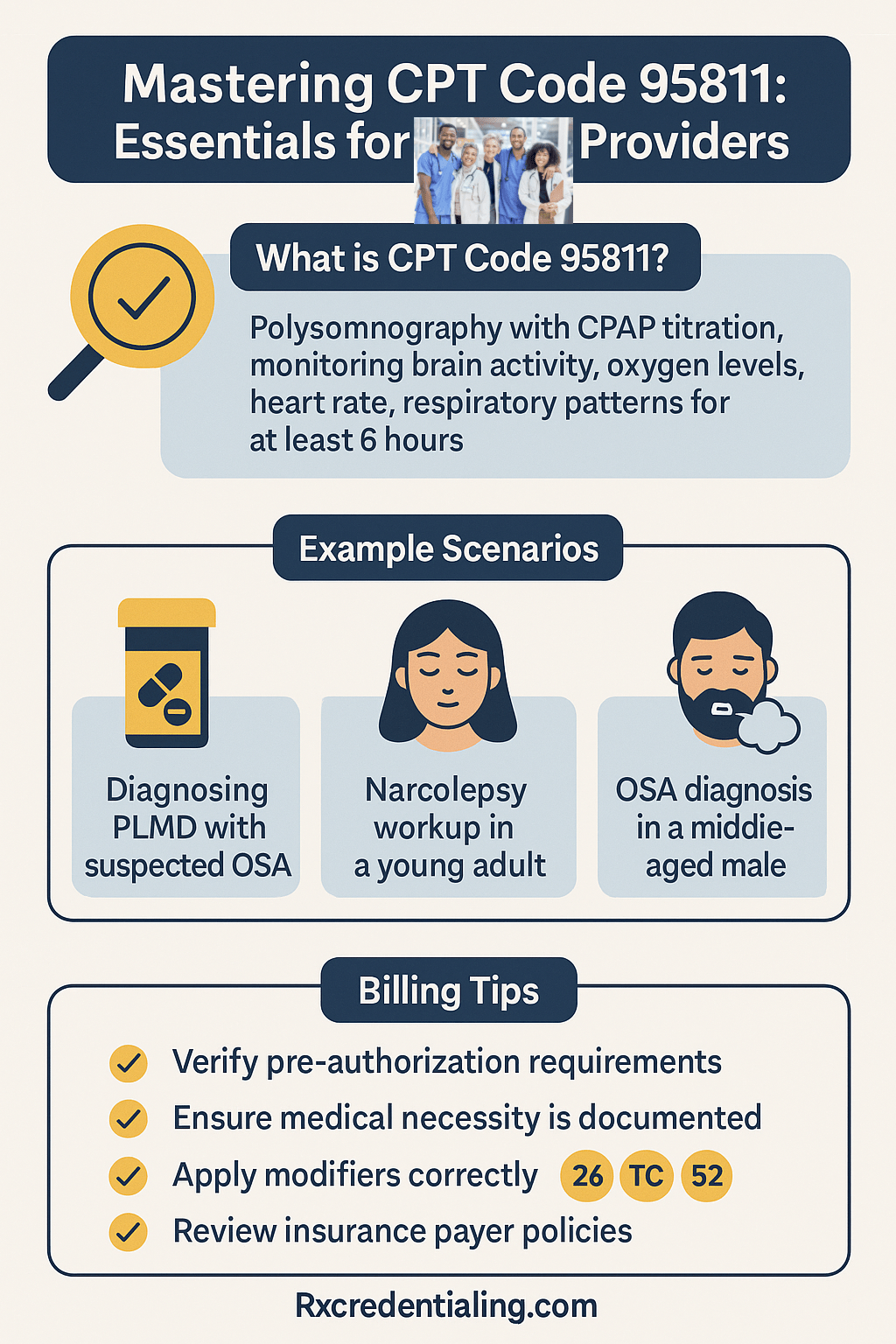
CPT code 95811 describes polysomnography with the initiation of continuous positive airway pressure (CPAP) or bilevel ventilation (BiPAP). This is often referred to as a "titration study" or the second half of a "split-night study." In a split-night study, the first portion of the night is diagnostic (95810), and if the patient meets specific criteria for apnea severity, the technologist spends the second half of the night adjusting PAP levels to eliminate respiratory events. When a split-night study is performed, only 95811 is billed, as it encompasses both the diagnostic and therapeutic components of the encounter.
Pediatric Polysomnography: Codes 95782 and 95783
Pediatric sleep medicine requires a different coding structure due to the increased complexity of monitoring young children. For patients younger than six years of age, the American Medical Association (AMA) established specific codes that reflect the higher staffing ratios and specialized scoring rules required for pediatric populations.
- CPT 95782: Diagnostic polysomnography for a child under six years old. This code requires the recording of sleep stages as well as ventilation and respiratory effort.
- CPT 95783: Polysomnography for a child under six years old with the initiation of CPAP or BiPAP titration.
The technical requirements for 95782 and 95783 are more stringent than their adult counterparts. For instance, pediatric studies often require the monitoring of end-tidal CO2 (carbon dioxide) to detect hypoventilation, which is a common feature of pediatric sleep-disordered breathing. Because the reimbursement for these codes is typically higher, providers must ensure that the patient’s age is accurately documented and that the laboratory is equipped to handle the unique physiological needs of infants and young children.
Key Technical Parameters for Valid Billing
To justify the use of PSG CPT codes, the medical record must demonstrate that specific physiological parameters were monitored. According to the American Academy of Sleep Medicine (AASM) Scoring Manual, which remains the definitive guide in 2026, a standard PSG must include:
- EEG (Electroencephalogram): To track brain wave activity and determine sleep stages (N1, N2, N3, and REM).
- EOG (Electrooculogram): To monitor eye movements, which are essential for identifying REM sleep.
- EMG (Electromyogram): Typically recorded from the chin to detect muscle atonia during REM and from the legs to detect periodic limb movements.
- EKG (Electrocardiogram): To monitor heart rate and rhythm throughout the night.
- Airflow: Measured via thermistor or pressure transducer to detect apneas and hypopneas.
- Respiratory Effort: Measured via thoracic and abdominal belts.
- Oxygen Saturation (SpO2): Continuous pulse oximetry to detect desaturations.
If any of these core components are missing or fail to record for a significant portion of the night, the study may not meet the definition of a full polysomnography. In such cases, the provider might need to bill a "reduced service" or use a code for a less complex sleep study, such as 95807 (sleep study, simultaneous recording of ventilation, respiratory effort, ECG or heart rate, and oxygen saturation, attended by a technologist).
Comparative Overview of Sleep Study CPT Codes
The following table summarizes the primary codes used in sleep medicine as of 2026, highlighting the differences in patient age, setting, and intervention.
| CPT Code | Description | Patient Age | Setting | Technologist Present? |
|---|---|---|---|---|
| 95810 | Polysomnography; sleep staged with 4+ parameters | 6+ years | Lab/Facility | Yes |
| 95811 | PSG with PAP initiation/titration | 6+ years | Lab/Facility | Yes |
| 95782 | Pediatric PSG; sleep staged with 4+ parameters | < 6 years | Lab/Facility | Yes |
| 95783 | Pediatric PSG with PAP initiation/titration | < 6 years | Lab/Facility | Yes |
| 95806 | Sleep apnea test; unattended (HSAT) | Any | Home | No |
| 95807 | Sleep study; 3+ parameters (No sleep staging) | Any | Lab/Facility | Yes |
| 95800 | Sleep study; heart rate, O2, respiratory analysis | Any | Home | No |
Professional vs. Technical Components
In the United States, CPT codes for polysomnography are often split into a professional component and a technical component. This is particularly relevant if the physician who interprets the data is not the owner of the facility where the test was performed.
- Technical Component (Modifier -TC): This covers the cost of the equipment, the facility, and the sleep technologist’s time. If a facility bills only for the performance of the test, they append the -TC modifier.
- Professional Component (Modifier -26): This covers the physician’s interpretation of the multi-page sleep report and the creation of a formal diagnosis and treatment plan.
- Global Service: If the same entity provides both the facility/equipment and the physician interpretation, the CPT code is billed without a modifier, representing a "global" charge.
Documentation in 2026 must clearly state the total recording time and the total sleep time. Most payers, including Medicare and private insurers, require a minimum of 6 hours of recording time to justify a global or technical billing of 95810 or 95811.
Medical Necessity and Documentation Requirements
Insurance carriers do not reimburse for sleep studies based on a patient’s request alone; medical necessity must be established. For a claim involving 95810 or 95811 to be successful, the referring physician’s documentation should include:
- Symptoms: Chronic snoring, witnessed apneas, excessive daytime sleepiness, or morning headaches.
- Physical Exam: Body Mass Index (BMI), neck circumference, and Mallampati score (an assessment of the airway).
- Co-morbidities: Evaluation for hypertension, atrial fibrillation, or Type 2 diabetes, all of which are frequently linked to sleep apnea.
- Screening Tools: Standardized results from the Epworth Sleepiness Scale (ESS) or the STOP-BANG questionnaire.
Furthermore, for 95811 (PAP titration), the documentation must show that the diagnostic portion of the study (either a previous HSAT or the first half of a split-night) confirmed a diagnosis of sleep apnea that requires treatment.
Common Coding Mistakes to Avoid
- Using Adult Codes for Young Children: Billing 95810 for a five-year-old is an error. The pediatric codes (95782/95783) must be used for those under six, regardless of the child's size or the complexity of the study.
- Unbundling Split-Night Studies: Attempting to bill 95810 and 95811 for the same night is a violation of National Correct Coding Initiative (NCCI) edits. 95811 is the comprehensive code for a split-night.
- Misidentifying Attendance: If a technologist sets up the equipment but then leaves the room or monitors the patient via a remote connection that does not allow for immediate intervention, the study may not qualify as "attended" under specific payer guidelines.
- Insufficient Parameters: Billing 95810 when fewer than four parameters (beyond EEG/EOG/EMG) were successfully recorded. In such cases, 95807 or 95808 (for other specific disorders) might be more appropriate.
FAQs
Can 95810 and 95811 be billed for the same date of service?
No. If a diagnostic study (95810) turns into a titration study (95811) during the same night, only CPT 95811 should be reported. This is known as a split-night study. Billing both would result in a denial because the therapeutic code (95811) includes the diagnostic work performed earlier that evening.
What is the difference between a "sleep study" and "polysomnography"?
In coding terms, "polysomnography" (95810/95811) requires sleep staging through EEG, EOG, and EMG. A "sleep study" (such as 95807) involves monitoring respiratory parameters and heart rate but does not necessarily require sleep staging. Polysomnography is more comprehensive and usually carries a higher reimbursement rate.
Does CPT 95811 cover the cost of the CPAP machine?
No, the CPT code 95811 covers only the performance and interpretation of the titration study in the laboratory. The CPAP or BiPAP machine itself, along with masks and supplies, is billed separately using HCPCS codes (such as E0601 for the machine and A7034 for the mask) by a Durable Medical Equipment (DME) provider.
Is a technologist required to be in the room with the patient?
A technologist is required to be "attending" the study, which generally means they are in the facility and actively monitoring the data in real-time. They do not need to stay inside the patient's bedroom but must be available to reattach electrodes, adjust PAP pressures, and ensure patient safety throughout the night.
Are there specific CPT codes for Narcolepsy testing?
While 95810 is the diagnostic base for many sleep disorders, a Multiple Sleep Latency Test (MSLT) is usually required to diagnose narcolepsy. The MSLT is billed using CPT code 95805 and is typically performed during the day immediately following an overnight PSG (95810).
Final Recommendation
For healthcare providers and billing specialists in 2026, the key to successful polysomnography reimbursement lies in the precision of documentation. Ensure that every sleep report clearly identifies the patient's age to choose between the pediatric and adult code sets. Verify that at least four additional parameters beyond sleep staging were recorded to justify the 95810/95811 series. Finally, always document the presence of the technologist to distinguish these services from home-based testing. For patients, understanding these codes can help in reviewing Explanation of Benefits (EOB) statements and ensuring that the services received match the insurance claims filed by the facility.
Image Gallery