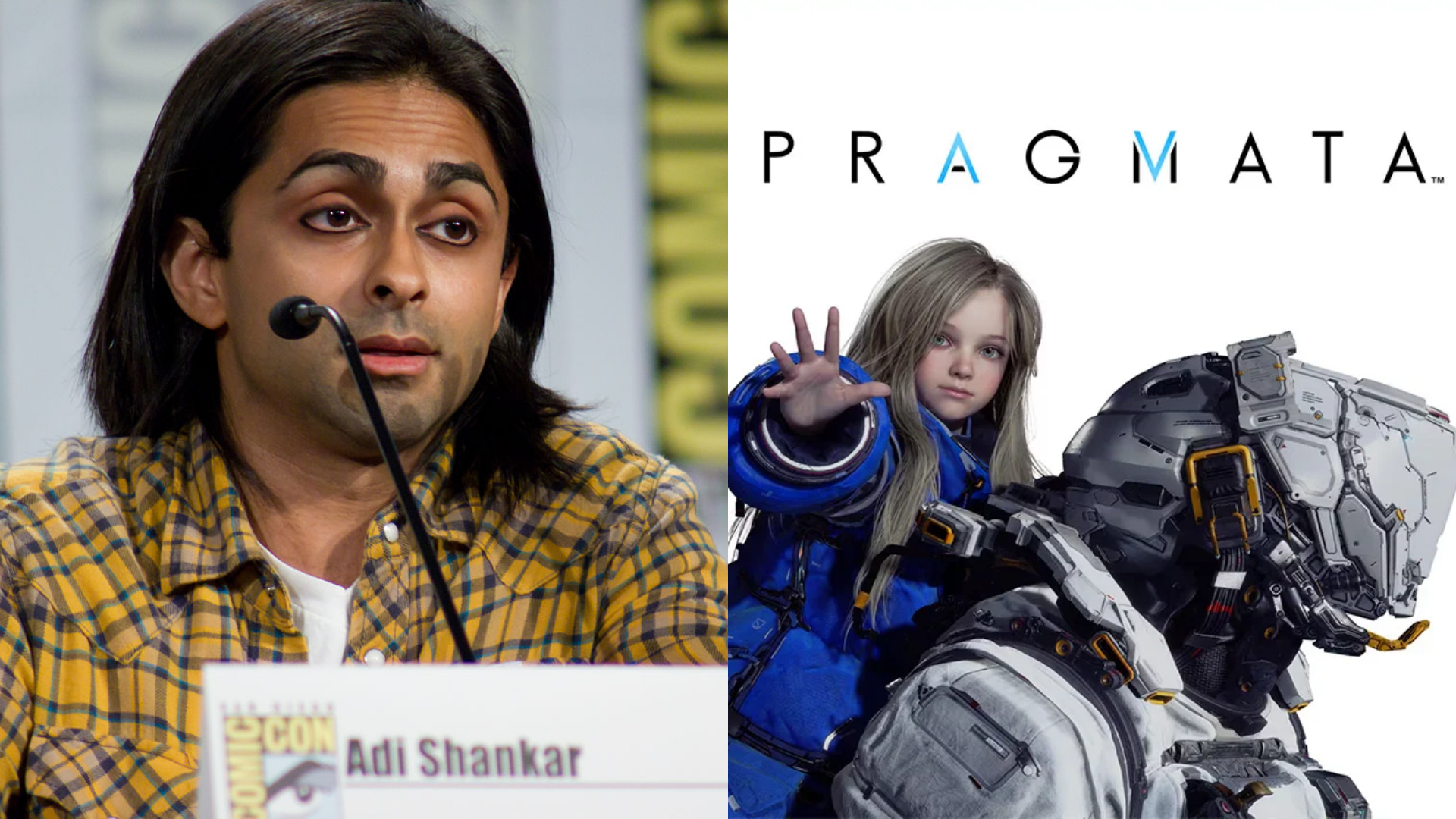
Adi Shankar Net Worth: A Deep Dive into the Producer’s Career and Earnings in 2026
As of 2026, Adi Shankar’s net worth is estimated to be between $8 million and $12 million. This valuation reflects his dual success as a high-stakes Hollywood film producer and a pioneering showrunner in the adult animation space, bols...
As of 2026, Adi Shankar’s net worth is estimated to be between $8 million and $12 million. This valuation reflects his dual success as a high-stakes Hollywood film producer and a pioneering showrunner in the adult animation space, bolstered by lucrative streaming deals and his unique "Bootleg Universe" branding.
Contents
Adi Shankar has carved out a distinct niche in the entertainment industry, transitioning from a prolific producer of gritty live-action thrillers to a central figure in the modernization of video game adaptations. Unlike traditional studio executives, Shankar’s wealth is built on a foundation of independent production, strategic intellectual property (IP) management, and a highly visible personal brand that resonates with "geek culture." To understand the composition of his net worth in 2026, one must examine the specific shifts in his career—from the box office successes of the early 2010s to his current standing as a preferred creator for global streaming platforms.
The Disambiguation of Adi Shankar
In any discussion regarding "Adi Shankar," it is vital to distinguish the contemporary film producer from the 8th-century Indian philosopher, Adi Shankara. While the latter is a foundational figure in Advaita Vedanta, the subject of this financial analysis is the Indian-American filmmaker born in 1985. The producer Adi Shankar is recognized for his signature aesthetic, often involving subversive takes on popular culture, and his role as the "youngest producer to have three films reach number one at the North American box office" in a short span. His financial profile is rooted in modern media economics rather than historical or religious significance.
Early Career and Theatrical Box Office Success
Adi Shankar’s initial accumulation of wealth began in the early 2010s through his production company, 1984 Private Defense Contractors. During this era, he focused on mid-budget action films that catered to adult audiences, a segment that was becoming increasingly underserved by major studios focused on PG-13 tentpoles.
The Power Trio of Number One Hits
Shankar’s reputation—and his ability to command high producer fees—was cemented by three specific films that topped the North American box office:
- The Grey (2011): Starring Liam Neeson, this survival thriller was both a critical and commercial success, grossing over $77 million against a $25 million budget.
- Killing Them Softly (2012): Featuring Brad Pitt, this crime drama showcased Shankar's ability to attract A-list talent to independent projects.
- Lone Survivor (2013): This biographical war film was a massive hit, earning over $150 million worldwide.
While producers do not pocket the total box office receipts, their net worth grows through executive producer fees, which typically range from $250,000 to $2 million per project for established names, and "back-end points" (a percentage of the net profits). Shankar’s involvement in these high-performing films provided the capital necessary to fund his later, more experimental ventures.
The Bootleg Universe: Brand Equity as a Financial Asset
One of the most unconventional aspects of Adi Shankar’s career is the "Bootleg Universe." Starting in 2012 with The Punisher: Dirty Laundry, Shankar produced a series of high-quality, un-authorized short films based on existing IP, including Venom: Truth in Journalism and the viral Power/Rangers (2015).
Financially, these projects were technically "loss leaders." Because they used unlicensed IP, they could not be directly monetized through traditional ads or sales. However, the indirect impact on his net worth was profound. These shorts garnered tens of millions of views and established Shankar as a visionary who understood what fans wanted. This "cultural capital" translated into direct financial gains when Netflix and other studios approached him to lead official, high-budget adaptations. The Bootleg Universe transformed him from a "producer for hire" into a "creator brand," which significantly increased his leverage in contract negotiations.
The Streaming Revolution: Animation and Showrunning
By 2026, the bulk of Shankar’s ongoing revenue stems from his work in adult animation. The transition from live-action film to streaming series represents a shift from one-time payouts to long-term "showrunner" contracts and royalty streams.
The Castlevania Phenomenon
The 2017 debut of Castlevania on Netflix marked a turning point. As an executive producer, Shankar was instrumental in breaking the "video game movie curse." The series ran for four successful seasons and spawned a sequel series, Castlevania: Nocturne.
The financial structure of such deals usually involves:
- Per-episode fees: Which can range from $30,000 to $100,000+ for senior producers.
- Overall deals: High-profile creators often sign "first-look" or "overall" deals with streamers, which can be valued in the multi-million dollar range over several years.
- Merchandising and Licensing: While often owned by the IP holder (like Konami), producers sometimes negotiate a small percentage of secondary revenue.
Expanding the "Shankarverse"
Following the success of Castlevania, Shankar’s portfolio expanded to include Captain Laserhawk: A Blood Dragon Remix (Ubisoft) and the highly anticipated Devil May Cry anime series. By diversifying across different gaming franchises, Shankar has insulated his income from the failure of any single project. His 2026 status as a "genre-specialist" allows him to command a premium for his services, contributing to his steady net worth growth.
Financial Breakdown and Comparison
To understand where Shankar stands in the landscape of Hollywood producers, we can examine the typical financial metrics associated with his most notable projects during their peak release windows.
| Project Title | Role | Estimated Budget | Box Office / Platform | Financial Impact |
|---|---|---|---|---|
| The Grey | Executive Producer | $25 Million | $77.3 Million (Global) | High (Traditional Fees) |
| Dredd | Producer | $45 Million | $41.5 Million (Cult Success) | Moderate (Home Video Revenue) |
| Lone Survivor | Executive Producer | $40 Million | $154.8 Million (Global) | High (Profit Participation) |
| Castlevania | Showrunner/EP | Variable | Netflix (Top 10 Global) | High (Long-term Contract) |
| Bootleg Universe | Creator/Producer | Sub-$500k | YouTube (Viral Branding) | High (Indirect Brand Value) |
| Devil May Cry | Executive Producer | Estimated $15M+ | Netflix (Series Deal) | Ongoing (Primary 2026 Revenue) |
Strategic Business Ventures
Beyond direct film and television production, Shankar has engaged in several business moves that support his $8M–$12M valuation:
- 1984 Private Defense Contractors: His production banner serves as the legal entity for his various deals, allowing for tax-efficient management of his earnings and the hiring of staff to develop new IP.
- Public Speaking and Appearances: Shankar is a frequent fixture at major conventions like San Diego Comic-Con. While often promotional, high-level creators can earn appearance fees or use these platforms to drive value to their personal digital channels.
- Digital Content Ownership: Shankar maintains a strong presence on platforms like YouTube and Instagram. In the 2026 media economy, a direct-to-consumer audience serves as an insurance policy against studio volatility.
Factors Influencing Future Wealth
As we look toward the remainder of 2026 and beyond, Shankar's net worth is likely to be influenced by several key factors:
- Transition to Directing: While primarily known as a producer, Shankar’s move into directing more of his own content could lead to higher creative fees.
- Intellectual Property Ownership: The "holy grail" for any producer is owning the IP they create. While many of his projects involve licensed game characters, his original creations (like the specific world-building in Captain Laserhawk) represent higher long-term value.
- Global Markets: As streaming platforms expand further into India and Southeast Asia, Shankar’s background and cross-cultural appeal position him to lead international co-productions, which often come with significant budgetary oversight and compensation.
Frequently Asked Questions
Is Adi Shankar a billionaire?
No. While many "celebrity net worth" sites occasionally inflate figures, there is no evidence to suggest Adi Shankar’s wealth is in the billionaire range. His estimated net worth of $8 million to $12 million is consistent with a highly successful independent producer and showrunner who has prioritized creative control over massive studio "buy-out" deals.
How did Adi Shankar make his money?
The majority of his wealth comes from producer fees on major motion pictures (The Grey, Lone Survivor), showrunning contracts with Netflix for animated series, and residuals/back-end profits from his commercially successful films.
Does he make money from the "Bootleg Universe" shorts?
Directly, no. Because these shorts use characters owned by companies like Marvel or Saban, they cannot be legally monetized on YouTube. However, they functioned as a massive marketing tool that led to high-paying legal jobs, indirectly contributing significantly to his wealth.
What is his most profitable project?
In terms of traditional box office, Lone Survivor was his most profitable live-action film. In terms of long-term career impact and steady income, the Castlevania franchise is likely his most significant financial asset.
Does he own the rights to the shows he produces?
In most cases, no. For projects like Castlevania or Devil May Cry, the rights are held by the gaming companies (Konami and Capcom, respectively) and the distribution rights are held by Netflix. Shankar is typically a "work-for-hire" executive producer, though he may have negotiated a small percentage of secondary revenue.
Practical Recommendation for Observers
For those following the financial trajectory of creative entrepreneurs like Adi Shankar, the key takeaway is the value of niche authority. Shankar did not try to compete with Disney or Warner Bros. in the broad blockbuster space. Instead, he dominated the "adult animation" and "gritty adaptation" niche.
If you are looking to build a career or investment portfolio in the creative arts, Shankar’s model suggests that building a distinct, recognizable brand (even through non-monetized "bootleg" content) can lead to greater leverage and long-term financial stability than following a traditional corporate path. His career serves as a case study in how to turn personal passion and "geek culture" expertise into a multi-million dollar production empire.
Image Gallery