Navigating Respite Care Services in Fresno: A Comprehensive Guide
Respite care in Fresno provides temporary, short-term relief for primary caregivers by offering professional support for aging seniors, individuals with disabilities, or those recovering from illness. These services range from in-home...
Respite care in Fresno provides temporary, short-term relief for primary caregivers by offering professional support for aging seniors, individuals with disabilities, or those recovering from illness. These services range from in-home assistance and adult day programs to overnight residential stays, allowing caregivers to manage personal health, attend to emergencies, or simply take necessary breaks to prevent burnout.
Contents
Understanding the Role of Respite Care
Caregiving is a physically and emotionally demanding responsibility. In Fresno, the availability of respite care is designed to sustain the health of the caregiver as much as the well-being of the care recipient. Unlike long-term placement, respite care is intended to be periodic. It provides a bridge, ensuring that the individual receiving care remains in a safe, familiar environment—or a structured facility—while the primary caregiver steps away.
In the Fresno area, services are often categorized by the setting in which they occur. This distinction is vital for families evaluating which option best meets their unique requirements. Whether the need is for a few hours of companionship or a week-long residential stay during a family vacation, Fresno offers various pathways to secure this support.
Types of Respite Care Available in Fresno
When researching options, you will encounter three primary service models. Each carries distinct operational differences and cost structures.
1. In-Home Respite Services
In-home respite is perhaps the most common choice, as it allows the recipient to remain in their own residence. Agencies in Fresno dispatch certified nursing assistants (CNAs) or home health aides to provide companionship, help with Activities of Daily Living (ADLs)—such as bathing, dressing, or medication management—and ensure basic safety. This is ideal for those who have mobility limitations or prefer the comfort of home.
2. Adult Day Care Centers
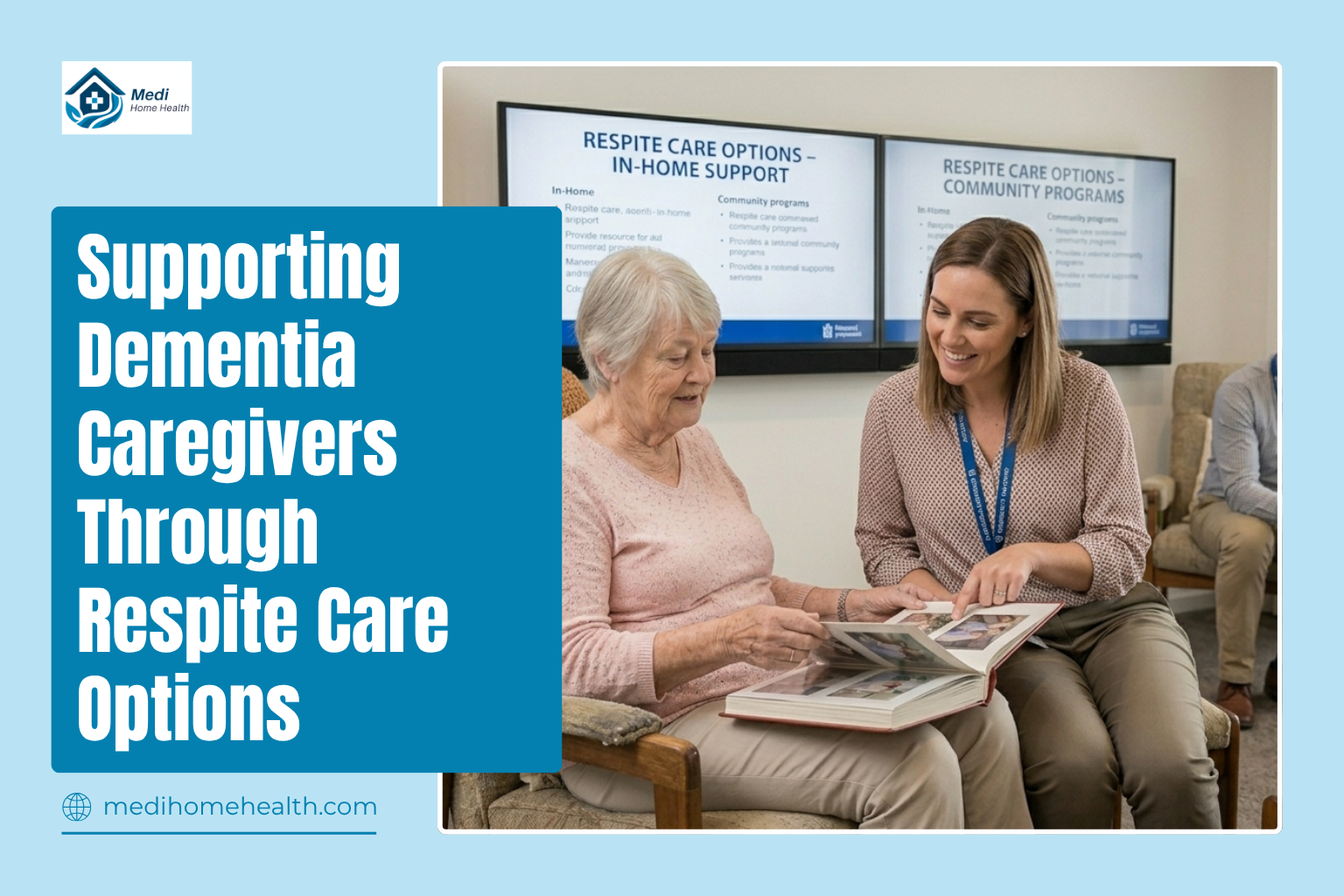
Adult day health centers in Fresno provide a structured, social environment during daytime hours. These centers often include organized activities, therapeutic services, and nutritious meals. This model is particularly effective for individuals with cognitive impairments, such as Alzheimer’s or other forms of dementia, as it provides social interaction and supervision while the primary caregiver is at work or running errands.
3. Residential Respite (Short-term Stays)
For extended breaks, many assisted living communities and skilled nursing facilities in Fresno offer "respite beds." These are designated spaces within a residential facility where a senior can stay for a fixed duration—typically ranging from a few days to several weeks. This provides 24-hour supervision and access to professional staff, offering the highest level of security for the care recipient while the primary caregiver is away for longer periods.
Comparing Respite Care Models
| Service Type | Setting | Best For | Level of Supervision |
|---|---|---|---|
| In-Home Care | Client's Home | Personal comfort, limited mobility | Varies (1-on-1) |
| Adult Day Care | Facility | Socialization, daytime supervision | Moderate (Group) |
| Residential Stay | Facility | 24/7 care, emergencies, travel | High (Full-time) |
Eligibility and Prerequisites
Before engaging services, families must navigate several prerequisites. The most critical step is an assessment conducted by the service provider to determine if they can meet the individual's specific needs.
- Medical Requirements: If the individual requires specialized medical care (e.g., wound care or insulin injections), you must ensure the agency or facility is licensed to perform those tasks.
- Documentation: Providers typically require a physician’s report, an updated medication list, and proof of required vaccinations.
- Assessment: Expect an intake interview. Providers need to understand the care recipient’s temperament, daily habits, and triggers to ensure a successful transition, even for a short stay.
- Legal Protections: Always verify that the service provider is licensed by the California Department of Social Services (CDSS) for residential facilities or that home health agencies are appropriately registered.
Financial Considerations and Funding
Respite care costs in Fresno vary based on the level of care and the facility type. As of 2026, costs for in-home care are typically billed hourly, while residential stays are charged daily.
- Private Pay: Most respite care is paid for out-of-pocket by the family. It is essential to get a clear written estimate of fees before services begin.
- Insurance Limitations: Standard Medicare generally does not cover custodial respite care, though it may cover limited skilled nursing visits under strict home health conditions.
- Long-Term Care Insurance: Review the specific policy of the care recipient. Some policies contain provisions for respite services, though they often require pre-approval.
- Veterans Benefits: If the care recipient is a veteran, the Department of Veterans Affairs (VA) may have programs in the Fresno area that subsidize or provide respite care services. Always consult with a local Veterans Service Office to verify eligibility for the current calendar year.
Troubleshooting and Managing Expectations
The first experience with respite care can be stressful for both the caregiver and the recipient. To mitigate potential challenges:
- The "Trial Run": If using a residential facility, consider scheduling a short "day stay" before a longer overnight commitment. This helps the senior familiarize themselves with the staff and the environment.
- Clear Communication: Provide the provider with a detailed summary of the recipient's "care plan," including routines, dietary restrictions, and preferred activities.
- Emergency Preparedness: Ensure the facility or aide has a direct, reachable point of contact for you during your absence, as well as the name and phone number of the primary physician.
- Managing Guilt: Many caregivers feel guilt when seeking help. Recognize that professional respite care is a standard, healthy component of a sustainable caregiving strategy that ultimately improves the quality of care provided at home.
Frequently Asked Questions
How do I verify the credentials of a Fresno respite provider? You should visit the California Department of Social Services website to look up facility licensing records. For home health agencies, check the status with the California Department of Public Health. Always ask for references from other families.
Does Medicare pay for respite care in Fresno? Generally, no. Medicare covers medical care, not the custodial care associated with typical respite stays. Exceptions are extremely rare and usually linked to specific hospice programs. Always verify your specific coverage documents.
What is the difference between home health care and in-home respite? Home health care is clinical and provided by medical professionals to treat an injury or illness under a doctor’s order. In-home respite is focused on "custodial" support, such as helping with daily chores, hygiene, and companionship to give a caregiver a break.
Can I get respite care for a loved one with dementia? Yes, but specialized care is recommended. When contacting facilities in Fresno, explicitly state that the individual has a cognitive impairment so you can be matched with staff trained in dementia-specific behavioral management.
Is there a waiting list for residential respite beds? Yes, demand fluctuates. During holidays or peak travel seasons, facility beds fill up quickly. It is advisable to contact your preferred facilities several weeks or months in advance to secure a reservation.
Recommendation
If you are currently experiencing caregiver fatigue, do not wait for an emergency to investigate your options. Start by creating a list of three potential providers in the Fresno area that align with your loved one’s specific medical and social needs. Call them to ask about their availability for a "respite trial" to observe how your loved one interacts with their staff. Establishing this connection now ensures that when you need a break, you already have a trusted, vetted resource ready to assist.
Image Gallery