Why the Mini Crunchwrap Supreme Is Worth the Wait at Taco Bell
The Mini Crunchwrap Supreme at Taco Bell is worth the wait because its smaller surface area creates a superior filling-to-tortilla ratio, delivering hot nacho cheese, seasoned beef, and cool toppings in every bite. Proper assembly and...
The Mini Crunchwrap Supreme at Taco Bell is worth the wait because its smaller surface area creates a superior filling-to-tortilla ratio, delivering hot nacho cheese, seasoned beef, and cool toppings in every bite. Proper assembly and flat-top press grilling require precise handling to seal the compact fold, ensuring a fresher, crunchier fast-food experience.
Contents
Understanding the Mini Crunchwrap Supreme: Origins and Concept
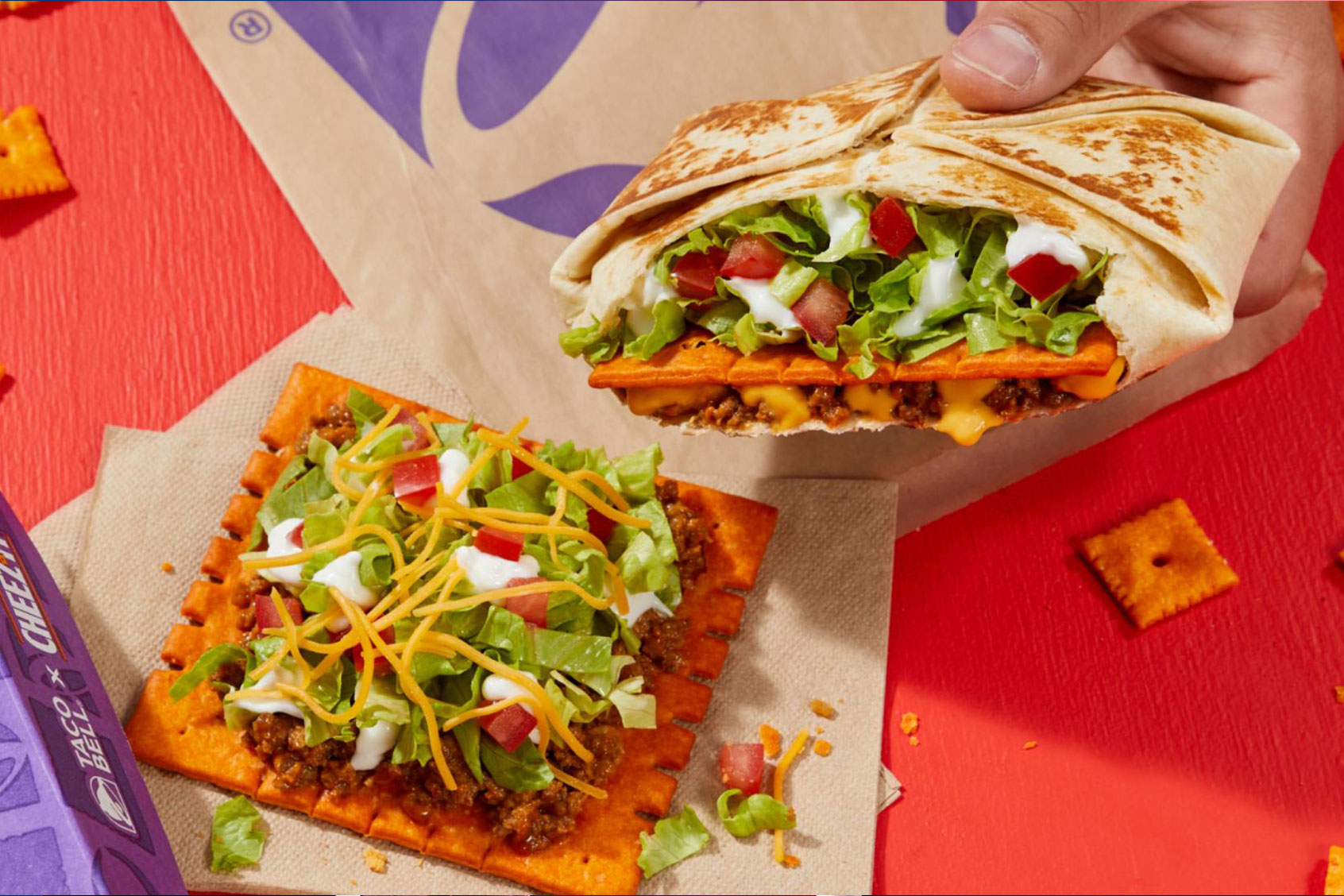
Taco Bell’s menu architecture has long revolved around clever reconfigurations of core ingredients: flour tortillas, seasoned ground beef, nacho cheese sauce, sour cream, shredded lettuce, diced tomatoes, and crunchy tostada shells. Introduced originally in 2005, the standard Crunchwrap Supreme became an instant flagship item due to its handheld portability and hexagonal folding pattern. Over time, Taco Bell expanded this signature technique into smaller value-tier menu concepts, regional test-market offerings, and limited-time promotions (LTOs) often designated as mini crunchwraps or mini value wraps.
The concept behind a mini version of the Crunchwrap Supreme is straightforward: scale down the circumference of the flour tortilla and inner tostada element while retaining the full structural layering of the classic item. While a standard Crunchwrap relies on a large 12-inch flour tortilla wrapped around a full-sized tostada shell, the mini variant utilizes a smaller tortilla—typically 6 to 8 inches—paired with a mini tostada disk or crisp tortilla round.
This scaled-down construction alters the physical dynamics of the item. Rather than spreading ingredients across a broad horizontal plane, the mini version concentrates the hot beef, warm cheese sauce, cold sour cream, fresh lettuce, and tomatoes into a dense central core. For consumers seeking maximum flavor saturation without the bulk of a full-sized meal, this scaled design provides a targeted balance of textures and temperatures.
Deconstructing the Build: Why Fresh Assembly Takes Extra Time
Fast-food patrons occasionally notice that compact or mini specialty items take slightly longer to prepare than standard tacos or burritos. Understanding Taco Bell's line operations explains why this extra waiting time directly correlates with product quality.
- Flour Tortilla Base
- Layer 1: Seasoned Beef / Hot Protein
- Layer 2: Warm Nacho Cheese Sauce
- Layer 3: Crispy Mini Tostada Shell / Tortilla Disc
- Layer 4: Cool Reduced-Fat Sour Cream
- Layer 5: Shredded Lettuce & Diced Tomatoes
- Precision 5-Point Fold & Flat-Top Grill Pressing
1. High-Precision Folding Dynamics
Folding a standard 12-inch tortilla around a large tostada provides ample margin for error. The chef folds six overlapping pleats over the flat center, creating a neat hexagonal seal. In contrast, wrapping a smaller 6- to 8-inch tortilla around internal ingredients demands higher manual dexterity.
Line workers must ensure that:
- The inner mini tostada shell is positioned dead-center so it does not pierce the outer wrapper.
- Portions of ground beef and nacho cheese are centered directly beneath the crunchy divider.
- Cold ingredients (sour cream, lettuce, tomato) sit neatly on top of the crisp barrier.
- The outer tortilla edges overlap sufficiently to create a tight structural seal without tearing or leaking during heating.
Because the fold radius is tighter, rushed assembly can lead to seam failures or uneven ingredient distribution. Taking an extra 10 to 15 seconds at the line ensures the mini wrap maintains its hexagonal integrity.
2. Flat-Top Grill Thermal Transfer
Once folded, the Mini Crunchwrap Supreme is placed seam-side down onto a commercial double-sided flat-top grill press (commonly set between 375°F and 400°F). The grilling step performs two essential functions:
- Thermal Sealing: The direct heat caramelizes the starch in the overlapping tortilla folds, fusing the seams together so the wrap stays closed while eaten.
- Textural Contrast Enhancement: The grill creates a micro-thin, crispy outer crust on the exterior flour tortilla while warming the internal beef and cheese sauce without thermal breakdown of the cold sour cream and vegetables inside.
Because the mini wrap has a denser ingredient core relative to its overall thermal mass, proper press timing is critical. If pulled early, the seams remain loose and chewy; if left on the press too long, the internal sour cream liquifies and wilts the lettuce. The short wait at the drive-thru counter guarantees that the thermal transfer cycle is fully completed.
Flavor and Texture Ratio: Mini vs. Standard Crunchwrap Supreme
The primary culinary advantage of the Mini Crunchwrap Supreme lies in bite density. In large food items, the outer circumference often consists of folded tortilla layers without uniform protein or cheese coverage. The mini variation solves this structural imbalance through proportional mechanics.
Tortilla-to-Filling Proportions
In a standard Crunchwrap, the perimeter features multiple folded layers of flour tortilla that can dilute the flavor of the inner fillings. Because the mini version uses a smaller tortilla with shorter folds, the ratio of tortilla dough to savory filling decreases per bite. Every mouthful captures both the exterior grilled crust and the interior combination of warm meat, melted cheese, crisp tostada, and cool produce.
The Barrier Function of the Tostada Disk
The physical separator—the central crunchy tostada disc—plays a critical role in preserving contrast. It forms a impermeable moisture barrier between the warm, wet bottom layer (seasoned beef and nacho cheese) and the cold top layer (sour cream, lettuce, and tomatoes).
When freshly pressed, the mini tostada remains completely dry and rigid inside the wrap. As a result, the eater experiences an abrupt, satisfying crunch immediately after biting through the warm, soft outer tortilla.
| Feature / Metric | Standard Crunchwrap Supreme | Mini Crunchwrap Supreme | Customized Mini Hack (Tostada + Mini Tortilla) |
|---|---|---|---|
| Typical Tortilla Size | 12-inch Flour | 6.5 to 8-inch Flour | 6.5-inch Flour |
| Crunch Layer | Full Tostada Shell | Mini Tostada / Round Chip | Broken Tostada / Chip Base |
| Grill Press Time | 15–20 Seconds | 15–20 Seconds | Variable (If Requested) |
| Bite Concentration | Moderate (Spread out) | High (Dense central core) | Moderate to High |
| Texture Contrast | High (Fresh) to Low (Stale) | High (Optimized thermal mass) | High (Immediate consumption) |
| Caloric Range (Approx.) | ~530–540 kcal | ~280–320 kcal | ~250–350 kcal |
| Primary Value Asset | Full meal portion | Maximum bite efficiency | Maximum custom flex |
Ordering, Customization, and Freshness Optimization
To maximize quality when ordering the Mini Crunchwrap Supreme or regional value-wrap equivalent, ordering strategy and customization options matter.
- Order Customization Strategy
- Protein Upgrades
- Slow-Roasted Chicken
- Black Beans (Veg)
- Grilled Steak
- Sauce Layering
- Creamy Jalapeño
- Spicy Ranch
- Extra Nacho Cheese
- Protein Upgrades
Protein Modifications
While classic seasoned ground beef provides traditional fast-food flavor, replacing or upgrading the protein shifts the profile significantly:
- Black Beans or Pinto Beans: A popular vegetarian swap that holds heat well without adding excess oil, keeping the bottom tortilla crisp.
- Slow-Roasted Chicken or Grilled Steak: Provides larger, intact muscle fibers that add structural texture against the crunch layer.
- Double Beef: Densifies the core, though it requires precise line folding to prevent seam blowouts on the grill.
Sauce Customization and Heat Pairing
Nacho cheese sauce acts as a thermal lubricant inside the wrap, but adding secondary specialty sauces adds dimension:
- Creamy Jalapeño Sauce: Delivers tangy heat and emulsified richness similar to Taco Bell's chicken quesadilla.
- Spicy Ranch: Adds cool buttermilk flavor with a peppery kick that complements the sour cream layer.
- Diablo or Fire Packets: Applied directly into the bite zone after opening one fold, avoiding soggy tortillas during transit.
Managing Transit Times and Steam Trap Effects
The single greatest threat to any Crunchwrap—mini or standard—is trapped moisture inside takeaway packaging.
When a hot, grilled wrap is wrapped tightly in foil or greaseproof paper and placed inside a paper bag, residual steam escaping from the warm beef and cheese condenses on the crisp outer tortilla. Within 10 to 15 minutes, this condensation turns the grilled crust soft and soggy.
To maintain maximum quality:
- Consume Immediately: Eat the item within 5 to 7 minutes of preparation while the temperature contrast between the hot beef and cold sour cream is highest.
- Vent the Packaging: If transporting food home, slightly open the wrapper foil to allow trapped steam to escape rather than reabsorbing into the flour tortilla.
Value Proposition and Fast-Food Economics
Evaluating fast-food value requires looking beyond flat retail pricing to consider quality-per-ounce, ingredient density, and assembly labor.
- Fast-Food Value Equation
- Ingredient Distribution
- Lower dough ratio
- Dense layer stacking
- High texture-to-cost ratio
- Operational Quality
- Fresh flat-top searing
- Controlled portion melt
- Precise moisture separation
- Ingredient Distribution
Labor Intensity vs. Price Tier
On standard quick-service assembly lines, simple items like soft tacos or bean burritos require only 5 to 8 seconds of assembly time. Wraps requiring multi-point folding and flat-top press heating require 30 to 45 seconds of dedicated line labor.
When offered on value menus or special combo tiers, the mini crunchwrap format represents high labor input relative to price. Customers receive a fully seared, structurally complex product for a fraction of full-sized LTO prices.
Portional Efficiency
For diners monitoring overall energy intake, the Mini Crunchwrap Supreme offers a controlled portion size. A standard Crunchwrap Supreme delivers over 500 calories, primarily from the larger flour tortilla and expanded cheese volume. The mini size provides the exact same textural architecture—crispy, creamy, warm, and cold—in a ~300-calorie footprint, making it an efficient choice for snack-focused dining or balanced menu pairing.
Frequently Asked Questions
What is the main structural difference between a Mini Crunchwrap and a standard Crunchwrap Supreme?
The main structural difference is overall diameter and tortilla scale. A standard Crunchwrap Supreme utilizes a large 12-inch flour tortilla wrapped around a full-sized internal tostada shell, whereas a Mini Crunchwrap uses a smaller flour tortilla (typically 6.5 to 8 inches) wrapped around a mini tostada disc or chip base, resulting in a denser filling-to-dough ratio per bite.
Why does the Mini Crunchwrap take slightly longer to come out at the drive-thru?
The Mini Crunchwrap requires manual multi-point folding of a smaller tortilla, followed by a mandatory 15-to-20-second press on a high-temperature flat-top grill. This press step is necessary to seal the seams and create the crispy exterior crust, adding operational time compared to ungrilled tacos or burritos.
Can you make a Mini Crunchwrap Supreme vegetarian?
Yes. You can customize the item by substituting the seasoned ground beef with black beans or pinto beans at no extra charge in most locations, or by selecting "Fresco Style," which replaces dairy items (nacho cheese and sour cream) with diced tomatoes.
How can you restore the crunch if the wrap gets soft during delivery?
To restore structural crispness after transport, place the mini wrap on a dry skillet over medium heat for 60 to 90 seconds per side, or heat it in an air fryer at 375°F for 2 minutes. Avoid microwave reheating, as it steams the tortilla and turns the internal tostada shell soft.
Is the Mini Crunchwrap Supreme a permanent menu item?
Availability varies by region and promotional cycles. While the standard Crunchwrap Supreme is a permanent menu staple, mini versions periodically appear on value menus, regional test markets, or special Cravings promotions. When unavailable directly, customers frequently construct custom mini wraps using smaller tortillas and tostada bases via digital order customization.
Final Recommendation: How to Order for Maximum Crispness
To experience the Mini Crunchwrap Supreme at its best, order the item directly at the counter or drive-thru for immediate consumption rather than delivery. Request it well-done on the grill if you prefer a deeper, crunchier exterior sear that resists internal moisture. Pair the wrap with a side of Creamy Jalapeño sauce or Fire Sauce applied bite-by-bite, and vent the wrapper wrapper immediately if transporting. Taking these simple steps ensures that every second spent waiting at the pickup window translates into ideal flavor saturation, optimal temperature contrast, and crisp texture.
Image Gallery