Jonathan the Tortoise: Assessing the Life and Health of the World’s Oldest Animal in 2026
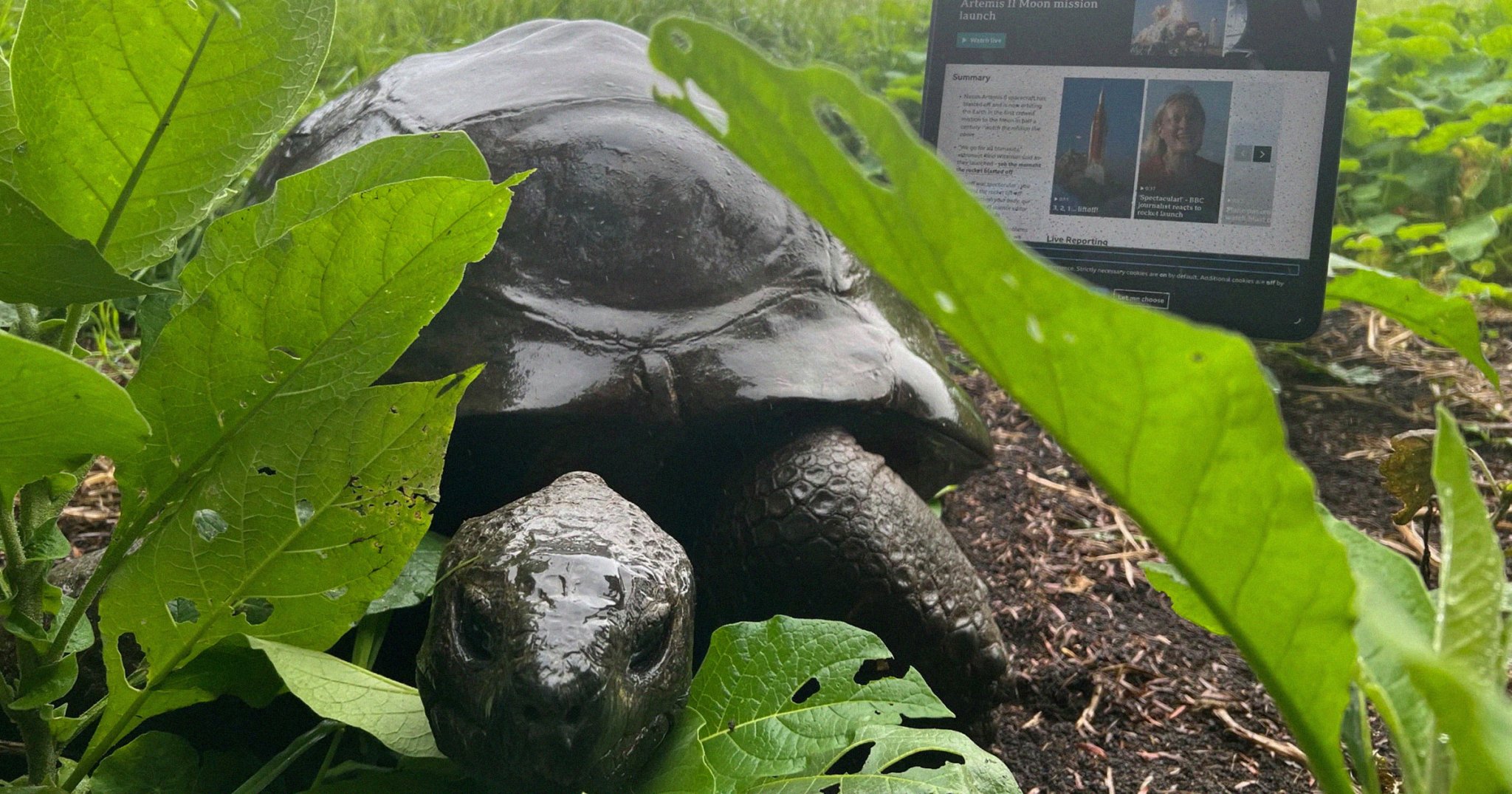
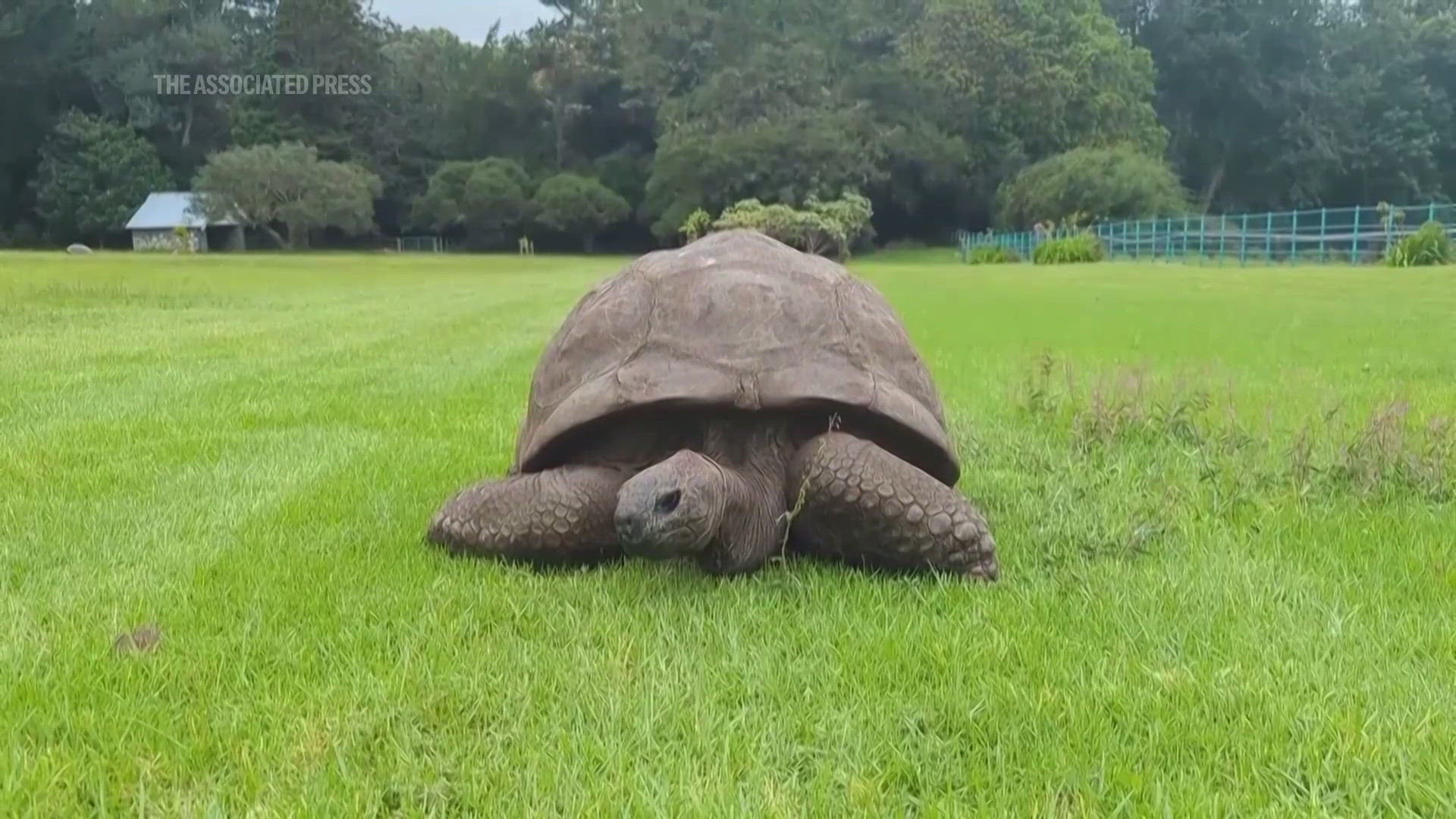
As of 2026, Jonathan the tortoise remains alive and well, continuing his reign as the world’s oldest known living land animal. Currently residing on the island of Saint Helena, this Seychelles giant tortoise is estimated to be approxim...
As of 2026, Jonathan the tortoise remains alive and well, continuing his reign as the world’s oldest known living land animal. Currently residing on the island of Saint Helena, this Seychelles giant tortoise is estimated to be approximately 194 years old, having surpassed the previous record for the oldest chelonian held by Tu’i Malila, a radiated tortoise that lived to be at least 188.
Contents
Jonathan has become a global symbol of persistence and biological resilience. While his physical senses have declined with age—he is now largely blind and has lost his sense of smell—his auditory health and general vitality remain remarkably stable. His continued presence at Plantation House, the official residence of the Governor of Saint Helena, serves as a living bridge between the early 19th century and the modern era.
The Origins and Arrival of a Living Legend
Jonathan is a Seychelles giant tortoise (Aldabrachelys gigantea hololissa), a subspecies once thought to be extinct until specimens were identified in the late 20th century. His journey to the South Atlantic island of Saint Helena began in 1882, when he was gifted to the island’s governor, Sir Hudson Janisch. At the time of his arrival, Jonathan was already considered "fully mature," a designation that in tortoise biology suggests an age of at least 50 years. This puts his estimated hatching year at 1832.
To put Jonathan’s age into historical perspective, when he was a hatchling in the 1830s:
- The British Empire had recently abolished slavery.
- Queen Victoria had not yet ascended to the throne.
- The first photograph (the daguerreotype) was still several years away from commercial viability.
- Charles Darwin was only just beginning his voyage on the HMS Beagle.
Jonathan has survived through eight British monarchs, 40 U.S. presidents, and the entirety of the Industrial and Digital Revolutions. His arrival on Saint Helena was documented in photographs as early as 1886, providing concrete evidence that he is the same individual who has roamed the Governor’s lawn for over 140 years.
The Science of Longevity: How Jonathan Survived the Centuries
The question of why Jonathan the tortoise is still alive in 2025 and 2026 is a subject of significant interest to the scientific community, particularly those studying gerontology and cellular biology. Giant tortoises are famous for their extreme lifespans, but Jonathan is an outlier even among his own kind.
Negligible Senescence
Tortoises exhibit what biologists call "negligible senescence." Unlike most mammals, which show clear physiological decline as they age, tortoises do not appear to grow significantly weaker or more prone to disease as their years advance. Their cells have specialized mechanisms for DNA repair and high resistance to oxidative stress, which prevents the rapid accumulation of cellular damage that typically leads to cancer and organ failure in other species.
Metabolic Efficiency
Jonathan’s slow metabolic rate is a key factor in his longevity. Giant tortoises burn energy at a fraction of the rate that mammals do. This "life in the slow lane" reduces the production of free radicals, which are toxic byproducts of metabolism that damage DNA. In Saint Helena’s stable, temperate climate, Jonathan does not face extreme temperature fluctuations that would stress his internal systems.
Specialized Husbandry and Diet
While his biology provides the foundation, Jonathan’s continued health in 2026 is also a result of dedicated veterinary intervention. For decades, he subsisted on the grass of the Plantation House paddock. However, as he entered his 180s, his beak became soft and blunt, making it difficult for him to graze effectively.
Dr. Joe Hollins, the retired senior veterinarian for Saint Helena, revolutionized Jonathan’s care by introducing a high-calorie, nutrient-dense diet. Once a week, Jonathan is hand-fed a bucket of specialized greens and fruits, including:
- Apples and Pears: High in fiber and vitamins.
- Carrots and Bananas: Essential for calorie intake.
- Cabbage and Guava: For vitamin C and antioxidant support.
This targeted nutritional support has significantly improved his shell strength and energy levels, ensuring he did not succumb to the malnutrition that often claims the lives of elderly tortoises in the wild.
Life at Plantation House: Social Structure and Routine
Jonathan does not live in isolation. He shares his vast paddock at Plantation House with three other giant tortoises: David, Emma, and Fred. These companions provide social stimulation, which is vital for the psychological well-being of long-lived animals.
A notable chapter in Jonathan’s social history involved his relationship with a tortoise named Frederica. For 26 years, the two were inseparable, but they never produced offspring. In 2017, it was discovered during a veterinary examination for a shell injury that "Frederica" was actually "Frederick." Despite this discovery, the pair remained close companions until Frederick's passing. Today, Jonathan continues to interact with his younger paddock mates, often seen basking in the sun or seeking out the warmth of the other tortoises during cooler evenings.
Daily Routine
Jonathan’s day-to-day life is dictated by the sun. He is ectothermic (cold-blooded), meaning he relies on external heat sources to regulate his body temperature. On sunny days, he stretches his long neck and legs out of his shell to absorb as much UV radiation as possible. On colder days, he digs himself into a pile of leaf litter or grass to preserve heat. Despite his blindness due to cataracts, he navigates the paddock with surprising accuracy, relying on his keen sense of hearing and his familiarity with the terrain.
Historical Milestones in Jonathan’s Life
The following table outlines the major milestones in Jonathan's documented history, illustrating his journey from a young tortoise in the Seychelles to a global icon.
| Year | Event/Milestone | Historical Context |
|---|---|---|
| c. 1832 | Estimated Hatching | Pre-dates the American Civil War. |
| 1882 | Arrival on Saint Helena | Gifted to Governor Hudson Janisch. |
| 1886 | First Known Photograph | Captured in black and white on the lawn. |
| 1991 | Arrival of "Frederica" | Provided as a mate to curb his loneliness. |
| 2014 | Nutritional Intervention | Dr. Joe Hollins begins weekly hand-feeding. |
| 2022 | 190th Birthday Celebration | Recognized by Guinness World Records. |
| 2025 | Continued Survival | Surpassed all known records for land animals. |
| 2026 | Current Status | Approximately 194 years old; remains active. |
The Cultural Significance of the World's Oldest Tortoise
Jonathan is more than just a biological curiosity; he is a vital part of the identity of Saint Helena. The island, located in the middle of the South Atlantic, is perhaps best known as the site of Napoleon Bonaparte’s final exile. However, for many modern visitors, Jonathan is the primary draw.
His image is everywhere on the island:
- Currency: Jonathan is featured on the reverse side of the Saint Helena five-pence coin.
- Stamps: The island’s postal service has issued numerous commemorative stamps featuring his likeness.
- Tourism: Meeting Jonathan is a bucket-list item for wildlife photographers and historians alike.
The Saint Helena government has even developed a "retirement plan" for Jonathan, ensuring that his care will continue uninterrupted by changes in political leadership or island administration. This includes protocols for his eventual passing, which will be treated as a significant event for the British Overseas Territory.
Conservation Lessons from a Centenarian
Jonathan’s survival highlights the critical importance of conservation efforts for giant tortoises. The Aldabrachelys gigantea species was nearly wiped out by sailors in the 17th and 18th centuries, who prized them as a source of fresh meat that could survive for months at sea without food or water.
Today, Jonathan serves as an ambassador for his species. His longevity reminds us that these animals are "slow-burn" survivors who require long-term environmental stability to thrive. The conservation efforts on Saint Helena and the Seychelles are aimed at ensuring that other tortoises have the opportunity to reach their second century, just as Jonathan has.
Frequently Asked Questions
Is Jonathan the tortoise still alive in 2026?
Yes, Jonathan is still alive as of 2026. He resides at Plantation House on the island of Saint Helena. While he faces age-related challenges such as cataracts and a loss of smell, his appetite remains strong and his general health is monitored weekly by veterinary professionals.
How old is Jonathan the tortoise exactly?
Because Jonathan was already an adult when he arrived on Saint Helena in 1882, his exact age is an estimate. He is believed to have been hatched around 1832, making him approximately 194 years old in 2026. This age is supported by historical records and photographs dating back to the late 19th century.
What does Jonathan eat to stay healthy at his age?
Jonathan receives a specialized diet of nutrient-rich fruits and vegetables to compensate for his inability to graze effectively. His favorites include apples, bananas, pears, carrots, and cabbage. These are hand-fed to him to ensure he receives the calories necessary to maintain his weight and shell density.
Can the public visit Jonathan on Saint Helena?
Yes, visitors to Saint Helena can see Jonathan at the Plantation House paddock. However, access is typically restricted to viewing him from behind a designated fence to ensure his safety and prevent him from being stressed by large crowds. Special "tortoise tours" are sometimes arranged through the local tourism office.
Who takes care of Jonathan?
Jonathan is cared for by the staff at Plantation House and overseen by the island’s veterinary department. For many years, his primary caregiver was Dr. Joe Hollins. The Saint Helena government remains committed to providing him with the highest standard of geriatric animal care.
Future Outlook and Next Actions
For those interested in Jonathan’s ongoing journey, the best course of action is to follow the official updates from the Saint Helena Government. As the world's oldest land animal enters his 195th year, his health continues to be a subject of global fascination. Educational resources from the Guinness World Records also provide detailed historical data on how Jonathan's records are verified and maintained. If you are planning a visit to Saint Helena, ensure you book a guided tour that respects the ethical guidelines for interacting with ancient wildlife.
Image Gallery