The Van Rhijns of the Gilded Age: A Guide to New York’s Knickerbocker Elite
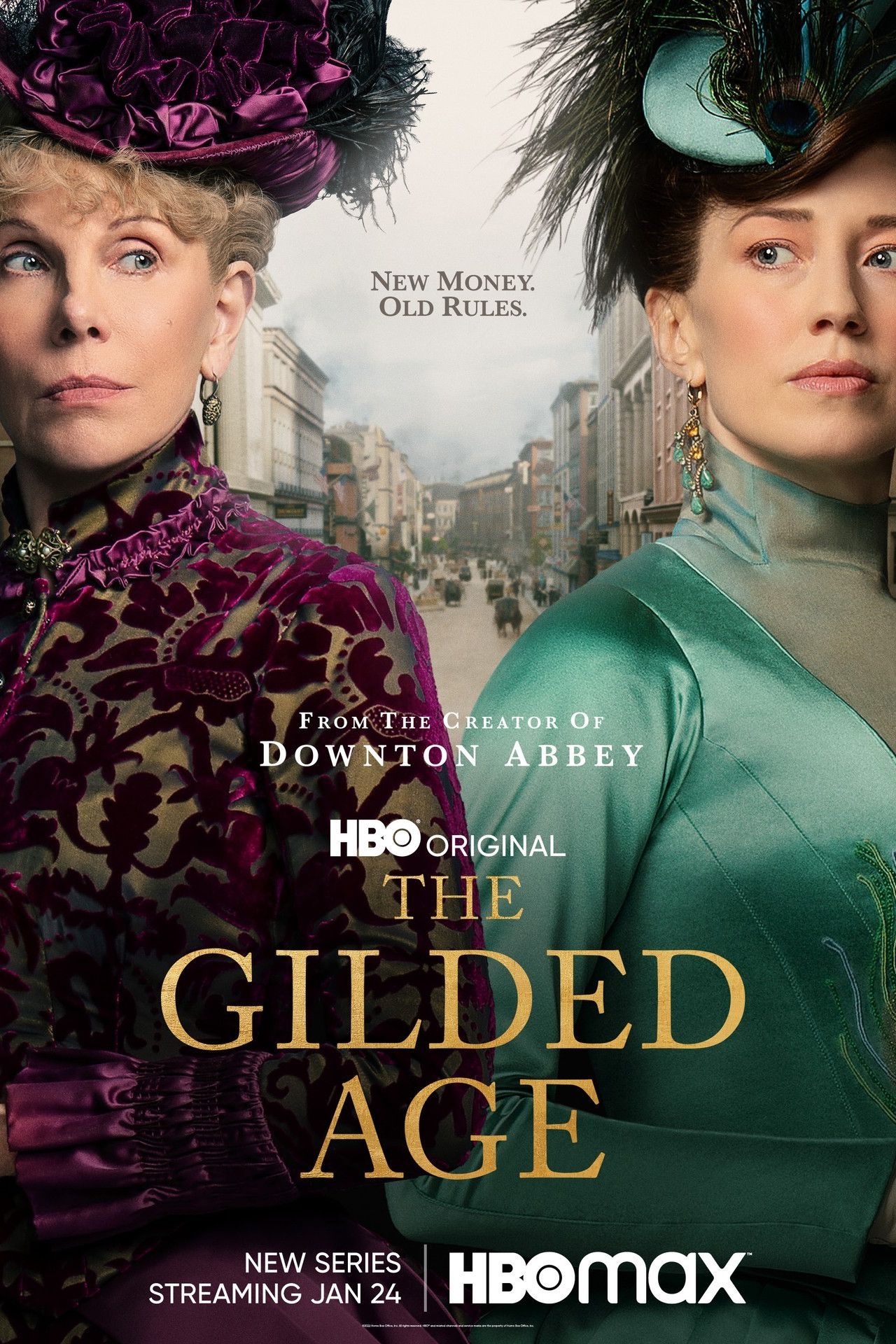
The "Van Ryans"—properly known as the Van Rhijn family—represent the fictionalized heart of New York’s "Old Money" society during the Gilded Age. Led by the formidable Agnes van Rhijn, this family exemplifies the Knickerbocker elite: D...
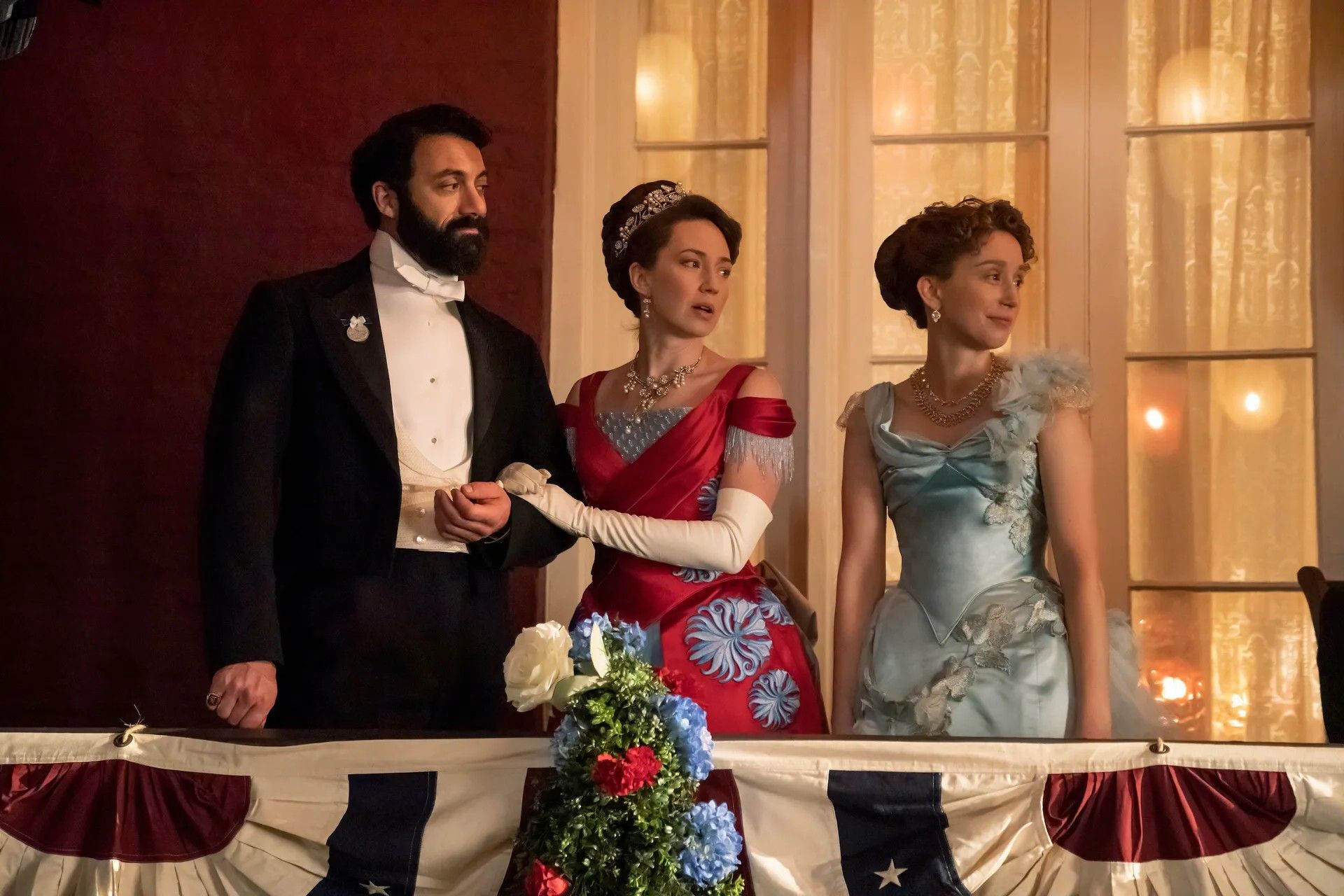
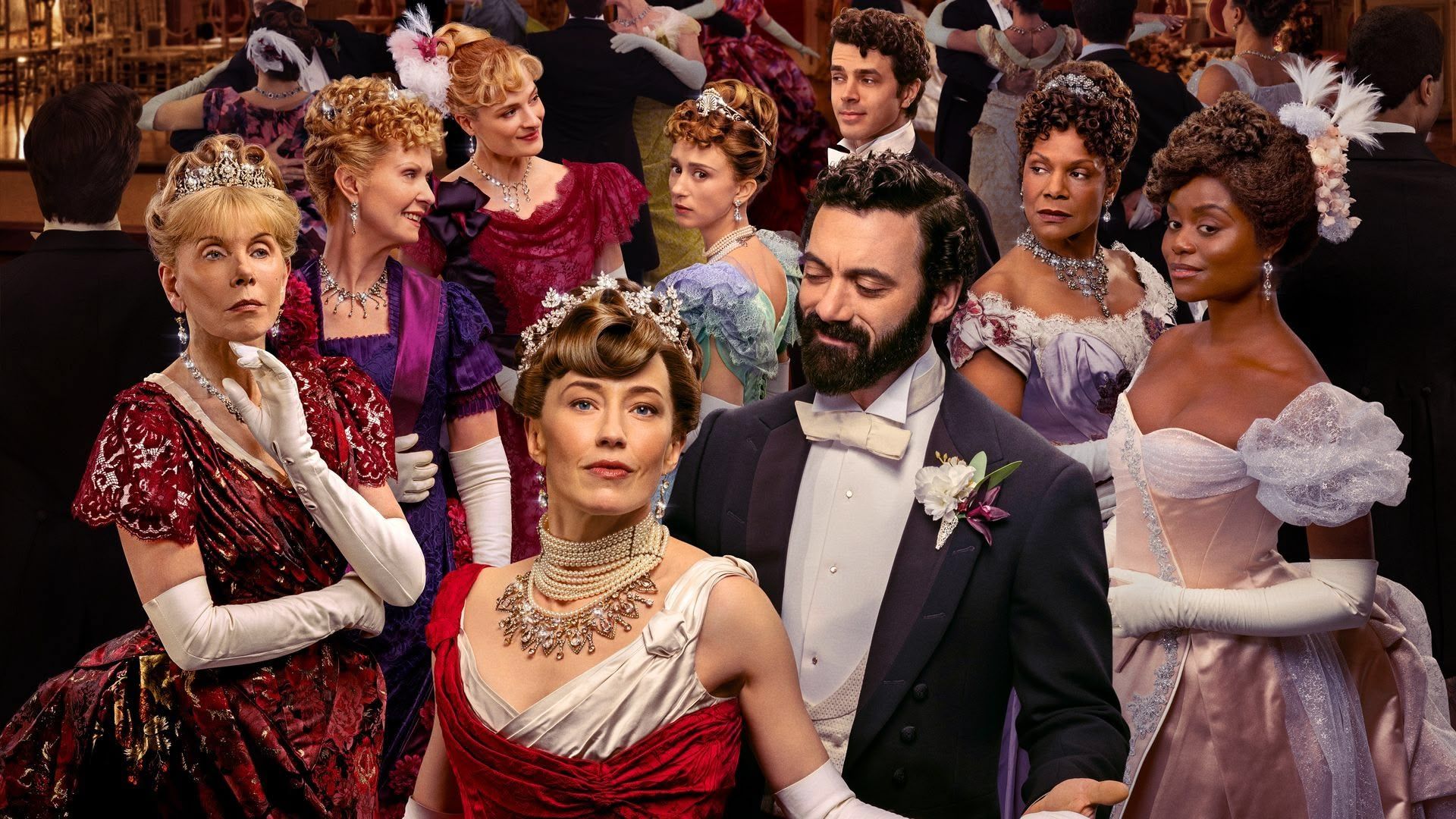
The "Van Ryans"—properly known as the Van Rhijn family—represent the fictionalized heart of New York’s "Old Money" society during the Gilded Age. Led by the formidable Agnes van Rhijn, this family exemplifies the Knickerbocker elite: Dutch-descended aristocrats who prioritized lineage, tradition, and social exclusion over the massive industrial wealth of the late 19th century.
Contents
The Van Rhijn Identity: Guardians of the Old Order
To understand the Van Rhijns (often searched for as "the Van Ryans"), one must understand the distinction between "Old Money" and the "New Money" that defined the era between 1870 and 1900. In the landscape of Julian Fellowes’ The Gilded Age, the Van Rhijn household, located on 61st Street, serves as the primary bastion of 1880s social conservatism.
Agnes van Rhijn, the family matriarch, is the widow of Arnold van Rhijn, a man from a storied Dutch colonial family. Her identity is not tied to how much money she has, but rather where that money came from and how long her family has held a position of prominence in New York. For Agnes and her sister, Ada Brook, the social hierarchy is a moral imperative. They view themselves as the defenders of a "dignified" New York that existed before the "robber barons" and industrial titans began building their limestone palaces on Fifth Avenue.
The Van Rhijn household is characterized by a "restrained elegance." While wealthy, their home is filled with heirlooms and traditional decor, purposely avoiding the ostentatious gold leaf and imported French marble favored by the newly rich. This stylistic choice was a silent protest against the shifting tides of American capitalism.
Old Money vs. New Money: The Central Conflict
The primary narrative engine involving the Van Rhijn family is their proximity and opposition to the Russell family. The Russells, led by George and Bertha Russell, represent the "New Money" (the nouveaux riches). George Russell is a ruthless railroad tycoon, while Bertha is a social climber determined to break into the highest circles of Manhattan society.
For the Van Rhijns, the Russells represent a threat to the established social order. In the early 1880s, the "Old Guard" (the Knickerbockers) believed that money alone did not grant one the right to lead society. One needed a pedigree, a history of service to the city, and, most importantly, the approval of Mrs. Caroline Astor and her social arbiter, Ward McAllister.
The Academy of Music vs. The Metropolitan Opera
A definitive historical event that mirrors the Van Rhijn-Russell conflict was the battle over the opera. The Van Rhijns of the world frequented the Academy of Music, a venue where boxes were inherited and could not be bought by newcomers, regardless of their wealth. This exclusion led the "New Money" families to build the Metropolitan Opera House in 1883. The opening of the Met was a death knell for the exclusive dominance of families like the Van Rhijns, as it proved that sheer capital could create its own social institutions.
Historical Foundations: Who Were the Real Van Rhijns?
While the Van Rhijns are fictional characters, they are meticulously grounded in the historical reality of the New York elite. The name "Van Rhijn" itself evokes the Dutch heritage of the original settlers of New Amsterdam.
The Knickerbocker Families
In real history, families such as the Stuyvesants, Livingstons, Beekmans, and Roosevelts occupied the role that the Van Rhijns play in popular media. These families were often land-rich but cash-poor compared to the new industrial magnates. Their wealth typically came from real estate holdings (the "Astor" model) or long-standing shipping and mercantile interests.
The Influence of Mrs. Astor
The character of Agnes van Rhijn is often compared to a more rigid version of Mrs. Caroline Schermerhorn Astor. While Mrs. Astor eventually compromised with some New Money families to maintain her leadership, characters like Agnes represent the faction of the elite that refused to bend. They adhered to "The 400," a list of people who could fit into Mrs. Astor’s ballroom, signifying the absolute limit of "acceptable" society.
Social Mechanics and Etiquette of the 1880s
For a family like the Van Rhijns, life was governed by a strict set of rules known as the "social code." Every action, from where one sat at a dinner party to how one left a calling card, was a signal of status.
- The Calling Card: A primary tool for social gatekeeping. If a "New Money" neighbor like Bertha Russell left a card for Agnes van Rhijn, Agnes could choose not to "return the call." By 2026 standards, this seems like a minor slight, but in 1882, it was a public declaration of social invisibility.
- The Chaperone: For younger members of the family, like Marian Brook (Agnes's niece), independence was non-existent. Every outing required a chaperone to ensure that the family's reputation remained unsullied.
- Dining Etiquette: Dinners were multi-course affairs that could last hours. The arrangement of guests was a complex puzzle of rank and marital status. A breach in this etiquette could lead to social ostracization.
The Architecture of Exclusion
The physical space the Van Rhijns occupied is a vital part of their story. In the Gilded Age, the Brownstone was the hallmark of the established elite. These four- or five-story homes made of brown Triassic-Jurassic sandstone were ubiquitous in New York.
As the 1880s progressed, New Money families began building "Chateaux" and "Palazzos" in the Beaux-Arts style. These buildings were massive, white-limestone structures that dwarfed the traditional brownstones. The Van Rhijn house, situated directly across the street from the Russell mansion, creates a visual tension that defines the era: the dark, traditional, and somber brownstone versus the bright, aggressive, and grand palace.
Economic Survival of the Old Guard
By 2026, historians have refined our understanding of how families like the Van Rhijns maintained their influence despite being outspent. While the "Robber Barons" were making millions in steel and rail, the Old Guard maintained their status through:
- Trusts and Entails: Ensuring that family wealth could not be squandered by a single spendthrift heir.
- Marriage Alliances: Merging two Old Money fortunes to consolidate land and influence.
- Philanthropy and Boards: Controlling the boards of the Metropolitan Museum of Art and the New York Public Library, thereby dictating what was considered "culture."
| Aspect | Old Money (Van Rhijn) | New Money (Russell) |
|---|---|---|
| Primary Goal | Preservation of status and tradition | Acquisition of social power and recognition |
| Source of Wealth | Inherited land, Dutch lineage | Industry, railroads, finance |
| Social Strategy | Exclusion and "gatekeeping" | Opulence and "spectacle" |
| Residence Type | Traditional Manhattan Brownstone | Beaux-Arts Limestone Palace |
| Cultural Anchor | Academy of Music | Metropolitan Opera House |
The Legacy of the Van Rhijn Family in 2026
As of 2026, the cultural fascination with the Gilded Age continues to grow. The "Van Rhijn" name has become a shorthand in cultural studies for the specific type of American aristocrat who is culturally powerful but historically doomed to be eclipsed by the sheer force of capitalism.
Their story serves as a reminder that "status" is often a moving target. The very people who Agnes van Rhijn looked down upon in 1882 would, within two generations, become the "Old Money" of the 20th century, looking down upon the next wave of immigrants and entrepreneurs.
Frequently Asked Questions
Who is Agnes van Rhijn based on?
Agnes van Rhijn is a composite character. While she shares the gatekeeping instincts of Caroline Astor, she also reflects the real-life struggles of "Knickerbocker" families like the Livingstons or the Joneses (as in "keeping up with the Joneses"), who felt their New York was being invaded by outsiders. Her character highlights the gendered nature of social power, where women held absolute authority over the domestic and social spheres.
Where was the Van Rhijn house located?
In the fictional narrative, the Van Rhijn house is located at the corner of 61st Street and Fifth Avenue in Manhattan. In the 1880s, this area was the northern frontier of high society. Historically, this location was exactly where the grandest New Money mansions began to be built, forcing the Old Guard to either sell their land for a profit or stay and be overshadowed.
Did the Van Rhijn family actually exist?
No, the Van Rhijn family is a fictional creation for the HBO series The Gilded Age. However, the "Van" prefix was a hallmark of real Dutch-descended New York families (such as the Van Rensselaers or Van Cortlandts). The character dynamics and the social pressures they face are historically accurate representations of the 1880s New York elite.
Why is the name often misspelled as "Van Ryan"?
"Van Ryan" is a common phonetic misspelling of "Van Rhijn." The "Rh" is silent or soft in many pronunciations, leading viewers to search for the more familiar "Ryan." Historically, "Rhijn" refers to the Rhine River, signaling the family's ancient European and Dutch roots.
Practical Recommendation for History Enthusiasts
To truly understand the world of the Van Rhijns, a visit to the Frick Collection or the Merchant's House Museum in New York City is highly recommended. The Merchant’s House, in particular, is the only 19th-century family home in New York City preserved intact, both inside and out, offering a rare glimpse into the authentic lifestyle of the urban elite before the massive chateaux of the late Gilded Age changed the skyline forever. For those interested in the socio-economic data of the era, the New-York Historical Society provides extensive archives on the Knickerbocker families and their transition into the modern era.
Image Gallery