What Happens When Your Water Softener Runs Out of Salt? (And How to Fix It)
When a water softener runs out of salt, it stops removing hardness minerals like calcium and magnesium from your household supply. While running out of salt will not cause immediate mechanical damage to the appliance, hard water will i...
When a water softener runs out of salt, it stops removing hardness minerals like calcium and magnesium from your household supply. While running out of salt will not cause immediate mechanical damage to the appliance, hard water will immediately begin flowing through your plumbing, causing scale buildup, soap scum, dry skin, and eventual mineral fouling of the resin bed if left empty for an extended period.
Contents
Understanding How Salt Powers Your Water Softener
To understand why salt is essential, it helps to review how modern ion-exchange water softeners process raw water. Water softeners do not filter out calcium and magnesium through physical strainers or mechanical barriers. Instead, they rely on a chemical swapping process known as ion exchange, which takes place inside the system’s primary resin tank.
The Ion Exchange Process
The primary resin tank contains thousands of tiny, negatively charged polystyrene beads. During normal operations, these beads are coated with positively charged sodium (or potassium) ions. As raw, hard water enters the tank, the positively charged mineral ions—primarily calcium ($Ca^{2+}$) and magnesium ($Mg^{2+}$)—are attracted to the negatively charged resin beads.
Because calcium and magnesium hold a stronger electrical charge than sodium, they displace the sodium ions on the beads. The displaced sodium ions enter the water stream, while the hardness minerals stick to the resin matrix. The result is soft water exiting the system and entering your home's water lines.
The Role of Salt in Regeneration
Over time, every resin bead becomes saturated with calcium and magnesium ions, leaving no open binding sites for further softening. When this occurs, the system must undergo a cycle called regeneration.
During regeneration, the control valve draws a concentrated sodium solution (brine) from the salt storage tank (brine tank) into the resin tank. This high-density sodium solution overpowers the chemical bond between the hardness minerals and the resin beads. The sodium forces the calcium and magnesium off the beads and washes them down the drain. Once flushed, the resin bed is freshly recharged with sodium ions and ready to soften incoming water once again. Without salt in the brine tank, the system cannot create brine, rendering the regeneration cycle entirely ineffective.
Immediate and Long-Term Effects of Running Out of Salt
If your salt level drops to zero, the water softener will continue its automated clock or meter cycles, pumping water into and out of the brine tank according to its regular schedule. However, because no salt is present to dissolve, the underlying chemical restoration cannot take place.
- Brine Tank: Empty
- Regeneration Fails
- Resin Bed Remains Saturated
- Hard Water Bypasses System to Taps
Short-Term Consequences: Hard Water Returns
The most immediate consequence of an empty brine tank is the return of hard water throughout your home. Once the resin bed reaches total saturation, untamed hard water flows straight from your main line through the water softener and out of your faucets. You will likely notice several immediate signs:
- Soap Scum and Film: Soaps and detergent fail to lather cleanly, leaving a slippery or sticky residue on skin, glassware, shower doors, and tile.
- Stiff Laundry: Clothes washed in un-softened water feel scratchy and look dull because mineral deposits get trapped in fabric fibers.
- Reduced Water Flow at Fixtures: Crusty white mineral deposits (lime scale) begin forming around aerators, showerheads, and sink faucets.
- Skin and Hair Dryness: Hard water strips natural oils from skin and hair, leaving hair feeling brittle and skin feeling tight or itchy.
Long-Term Consequences: Resin Bed Damage and Scale Accumulation
While running out of salt for a few days or weeks will not destroy your softener instantly, neglecting the salt level for months can result in costly property and system damage.
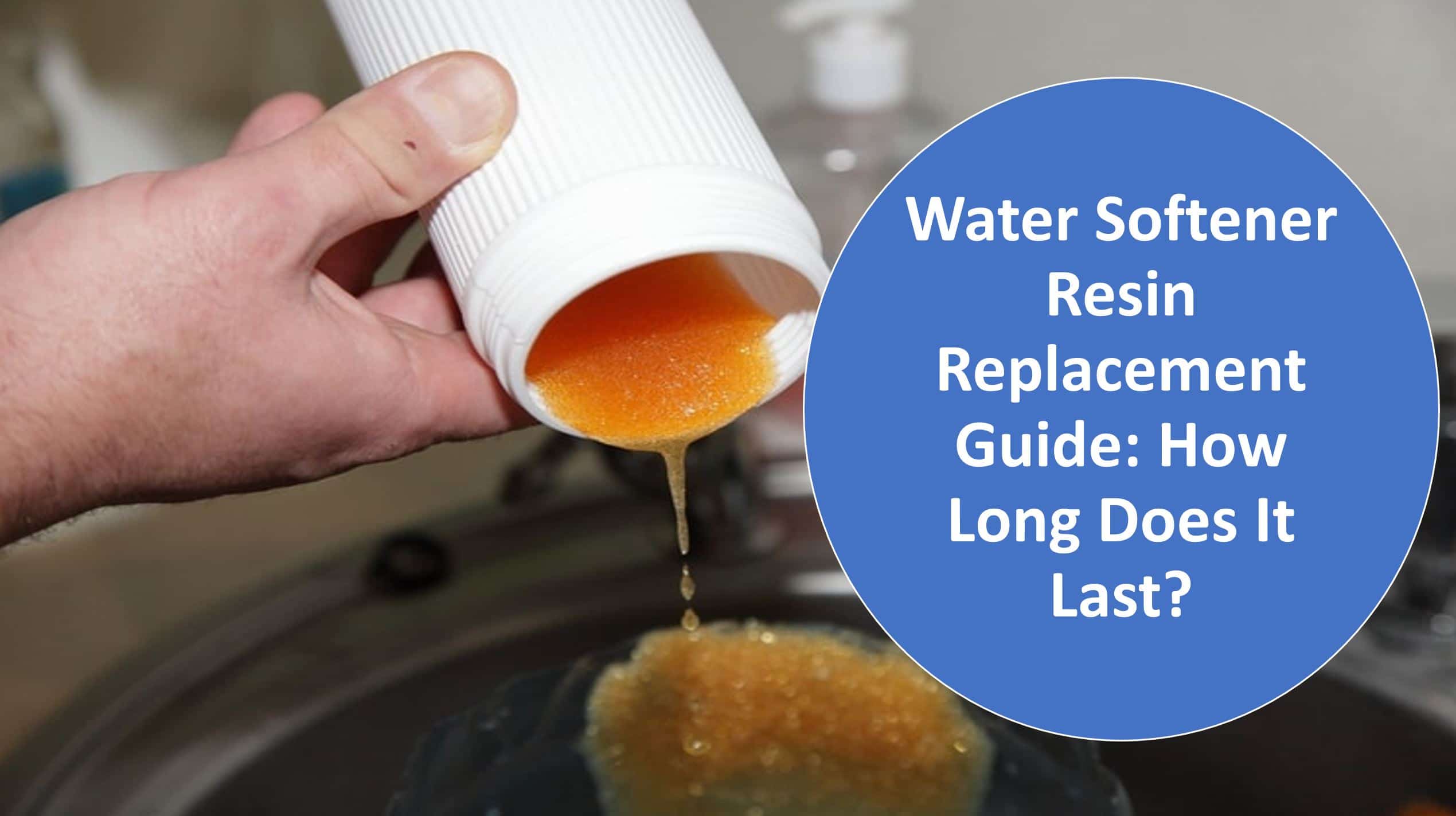
- Resin Bed Iron and Mineral Fouling: If your water source contains dissolved iron or manganese, these metals bind tightly to the resin beads. Sodium brine normally strips them off during regeneration. If left without salt, iron oxidizes and bakes permanently onto the resin surface. This process, known as iron fouling, permanently degrades the resin's exchange capacity, requiring expensive chemical cleaner applications or complete resin bed replacement.
- Water Heater Scale Accumulation: Hard water passing into your water heater creates thermal insulation on heating elements and tank bottoms. The U.S. Department of Energy and independent industry studies show that scale accumulation can reduce water heater energy efficiency by 8% to 24% and drastically shorten the operational lifespan of both tankless and tank-style units.
- Plumbing Pipe Restriction: Extended exposure to hard water allows calcium carbonate to precipitate inside copper, PEX, and galvanized piping, restricting flow rates and causing premature failure of internal appliance valves in dishwashers and washing machines.
Step-by-Step: What to Do When Your Brine Tank Is Empty
Restoring soft water to your home after running out of salt involves more than just dumping a fresh bag into the tank. Follow this step-by-step procedure to safely recover full softening capacity.
- Step 1: Check Tank & Clear Bridges
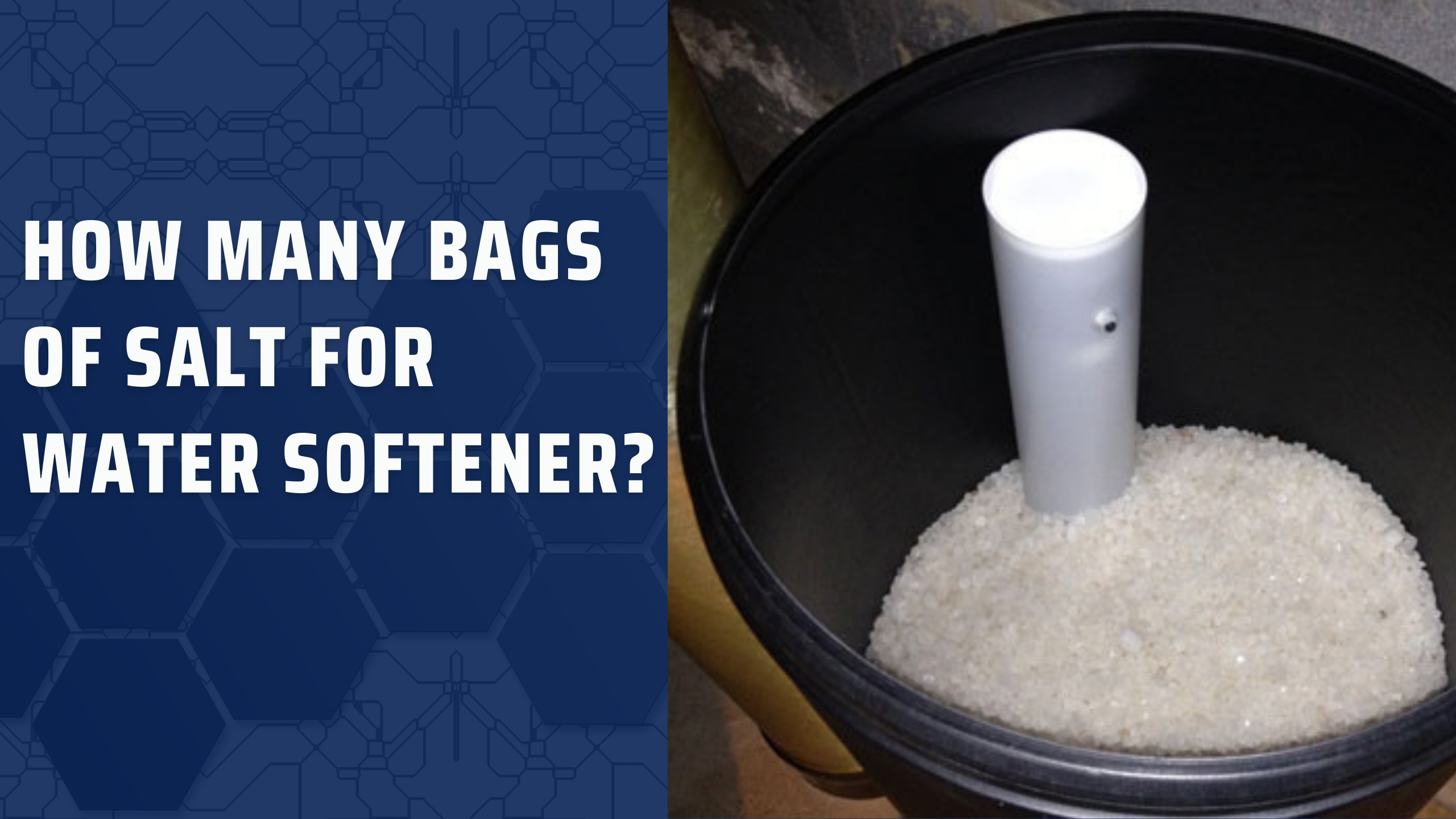
- Step 2: Fill Salt (1/2 to 2/3 Full)
- Step 3: Wait 2-4 Hours (Brine Creation)
- Step 4: Run Manual Regeneration
Step 1: Inspect the Brine Tank and Check for Salt Bridges
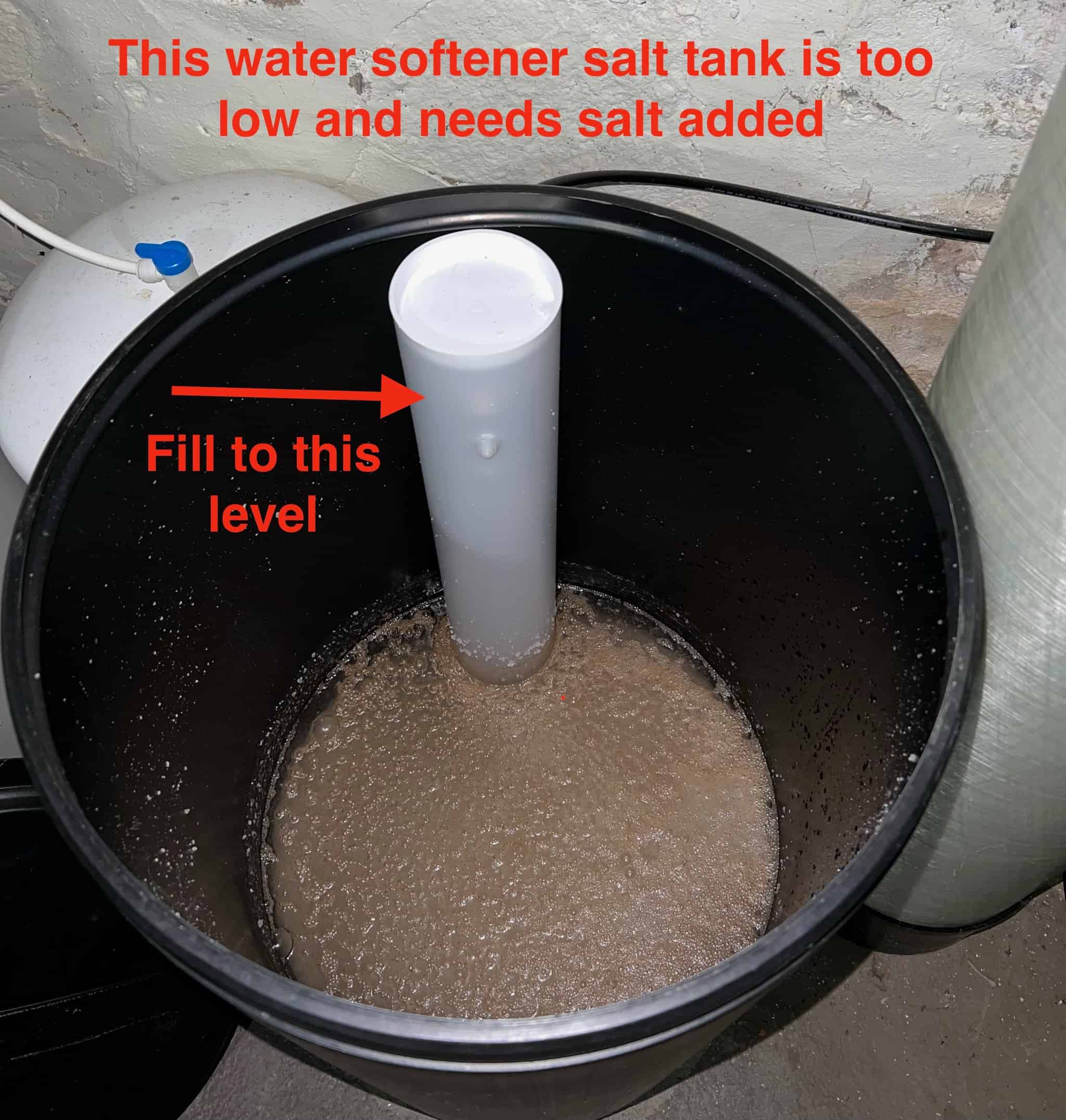
Before pouring new salt into the tank, look inside the bottom of the brine cabinet. Look out for two common issues:
- Standing Water: It is normal to have a few inches of water at the bottom of a wet-brine system. However, if the water level is high (halfway up the tank or higher), the safety float valve or drain line may be clogged.
- Salt Bridges: A salt bridge is a hard crust that forms inside the salt storage space, creating an empty air cavity between the salt top layer and the water below. To check for a bridge, gently push a clean broom handle down through the center of the tank. If it hits an immovable shelf before reaching the bottom water, carefully break up the salt crust using light downward pressure.
Step 2: Add the Correct Type and Amount of Salt
Fill the brine tank with high-quality water softener salt.
- Optimal Level: Fill the tank until it is roughly one-half to two-thirds full. Do not overfill the tank to the top rim, as excess weight and moisture can promote salt bridging and clumping.
- Recommended Salt Types: Use evaporated salt pellets (99.9% pure sodium chloride) or high-grade solar salt crystals (99.6% pure). Avoid using rock salt if possible, as it contains insoluble minerals and dirt that clog bottom grid plates and brine wells.
Step 3: Allow Time for the Salt to Dissolve (Brine Creation)
Adding dry salt pellets to the brine tank does not produce soft water immediately. The system requires time to create a saturated brine solution.
Wait at least 2 to 4 hours after pouring in new salt before starting a manual regeneration cycle. This pause gives the water at the bottom of the tank sufficient time to dissolve the salt pellets and reach the high sodium concentration necessary to displace calcium from the resin beads.
Step 4: Manually Trigger a Regeneration Cycle
Once the salt has dissolved into a rich brine, you must manually initiate a recharge cycle rather than waiting for the automatic midnight timer:
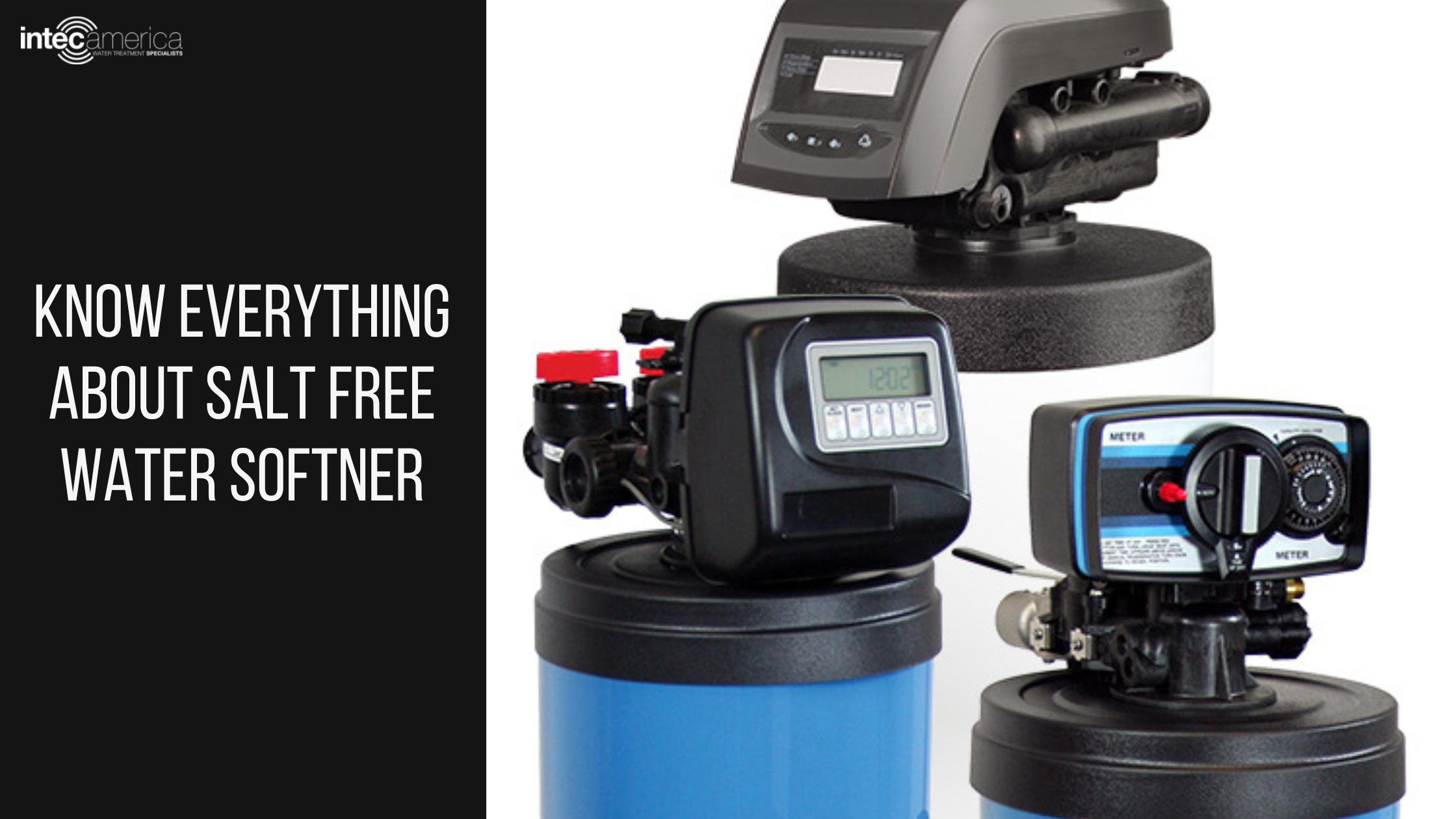
- Locate the control head display on top of your water softener.
- Press and hold the Regenerate (or Recharge) button for 3 to 5 seconds. On electronic controllers (such as Fleck, Clack, Culligan, or Whirlpool units), the display will flash "Regenerating" or shift into step 1 ("Backwash").
- Allow the cycle to run completely uninterrupted. A standard single-tank regeneration cycle takes between 60 and 120 minutes.
- (Optional for severely fouled systems): If your tank was completely dry and un-serviced for several weeks, run a second manual regeneration immediately after the first cycle finishes to ensure full resin restoration.
Salt Types: Selecting the Right Formulation for Your System
Choosing the correct salt formulation prevents maintenance headaches and extends equipment life. The table below compares the primary salt types used in residential water softeners.
| Salt Type | Purity Level | Primary Composition | Best Used For | Risk of Salt Bridging |
|---|---|---|---|---|
| Evaporated Salt Pellets | ~99.9% | Pure Sodium Chloride ($NaCl$) | All residential single and dual-tank softeners | Low |
| Solar Salt Crystals | ~99.6% | Evaporated Sea Salt | Medium to high water consumption households | Moderate |
| Rock Salt | ~98.0%–99.0% | Mined Salt with Native Minerals | Budget applications / older basic units | High |
| Potassium Chloride Pellets | ~99.0% | Potassium Chloride ($KCl$) | Low-sodium diets / strict environmental rules | Moderate |
| Block Salt | ~99.8% | Compressed Salt Blocks | Specialized small-footprint units only | Low (if designed for blocks) |
Sodium Chloride vs. Potassium Chloride
If you are on a sodium-restricted diet or live in an area with strict local brine discharge ordinances, potassium chloride ($KCl$) can be used as a direct alternative to traditional sodium chloride ($NaCl$).
Keep in mind that potassium chloride is generally more expensive than sodium chloride and dissolves slightly less efficiently in cold ambient temperatures. If switching to potassium chloride, increase your softener's hardness programming setting by 10% to 20% on the electronic control board to ensure complete resin regeneration.
How to Prevent Running Out of Salt in the Future
Keeping your water softener supplied with salt requires proactive monitoring and routine maintenance. Use these preventative techniques to maintain continuous soft water:
Establish a Regular Inspection Schedule
Check your salt level on the first day of every month. A simple rule of thumb is to inspect the brine tank whenever you change your HVAC air filters or test your home smoke detectors.
Calculate Household Consumption Rate
The average individual uses approximately 75 to 100 gallons of water per day. For a typical family of four using water with a hardness level of 10 grains per gallon (GPG), a standard water softener will consume roughly 40 pounds of salt per month.
To estimate your refill timeline: $$\text{Monthly Salt Consumption (lbs)} \approx \text{Number of Residents} \times 10\text{ lbs}$$
Adjust this estimate upward if your water has exceptionally high hardness (above 15 GPG) or contains elevated iron levels requiring more frequent regeneration cycles.
Upgrade to Smart Salt Sensors and Monitoring Systems
Modern water treatment equipment features integrated optical or ultrasonic salt sensors. These devices measure the exact physical distance from the top of the brine tank to the surface of the salt stack. When the level drops below a set threshold, the control board triggers an audible alert or sends a push notification to your smartphone via Wi-Fi.
Retrofit ultrasonic salt monitors are also available for older digital and mechanical systems, eliminating the need to manually open the brine tank lid to inspect salt levels.
Softener System Status & Recovery Matrix
Use this reference table to identify the operational status of your system and determine the exact steps required to restore full softening capability.
| Tank Status | Water Hardness at Tap | System Condition | Immediate Corrective Action | Expected Recovery Time |
|---|---|---|---|---|
| Full (Salt Above Water Line) | Fully Softened (0–1 GPG) | Normal Operation | No action needed; check again in 30 days. | Immediate |
| Low (Water Visible Above Salt) | Slightly Hard (2–4 GPG) | Reduced Brine Strength | Add 1–2 bags of evaporated salt pellets. | 2–4 hours |
| Empty (Dry Tank / Grid Visible) | Completely Hard (5+ GPG) | Resin Saturated | Clean tank bottom, add salt, wait 4 hours, run manual cycle. | 4–6 hours |
| Empty with Hard Salt Bridge | Completely Hard (5+ GPG) | False Full Reading | Gently break bridge with broom handle, clear debris, run cycle. | 3–5 hours |
| Empty for 3+ Months | Completely Hard (5+ GPG) | Resin Bed Fouled | Add salt, add chemical resin cleaner, run two back-to-back manual cycles. | 6–12 hours |
Frequently Asked Questions
Can running out of salt permanently break my water softener?
No, running out of salt will not permanently damage the mechanical pump, valve motor, or timer of your water softener. However, leaving the system without salt for extended periods can allow calcium, iron, and manganese deposits to foul the resin beads, decreasing their overall lifespan and efficiency.
How long does it take to get soft water again after adding salt?
It typically takes between 3 to 6 hours to restore soft water throughout your home. You must wait roughly 2 to 4 hours for the new salt to dissolve into a saturated brine solution, plus an additional 1 to 2 hours for the system to complete a manual regeneration cycle and flush existing hard water out of your hot water heater.
Should there be standing water in my brine tank when it runs out of salt?
Yes, in standard "wet-brine" water softeners, seeing 3 to 12 inches of standing water at the bottom of an empty brine tank is completely normal. However, if the tank is more than half full of water, your system may have a clogged drain line, a stuck injector nozzle, or a malfunctioning brine float valve that requires cleaning.
Do I need to reset my water softener control board after adding salt?
No, you do not need to reset the main control board settings or re-program your time and water hardness parameters. However, you should manually press and hold the "Regenerate" or "Recharge" button to force an immediate cleaning cycle rather than waiting for the system's next scheduled automatic cycle.
Why is my water still hard even after adding salt and regenerating?
If your water remains hard after adding salt and running a manual cycle, you may be dealing with a solid salt bridge hollowed out below the top layer of salt, severe iron fouling on the resin beads, a stuck internal bypass valve, or a clogged brine injector venturi. Inspect the bypass valve position first, then probe the brine tank for hidden bridges.
Final Recommendation: Restoring System Efficiency
If your water softener has run completely out of salt, do not panic. Inspect the interior of your brine tank for salt crusting or standing water, load high-purity evaporated salt pellets until the tank is half full, wait four hours for the brine solution to form, and then trigger a manual regeneration cycle.
To protect your plumbing fixtures, water heater, and household appliances over the long term, inspect your brine tank monthly and maintain a salt level at least 3 to 4 inches above the standing water line. For systems exposed to iron-heavy well water, consider adding a specialized resin-cleaning solution directly to the brine well twice per year to clear stubborn metal deposits and maintain maximum softening capacity.
Image Gallery