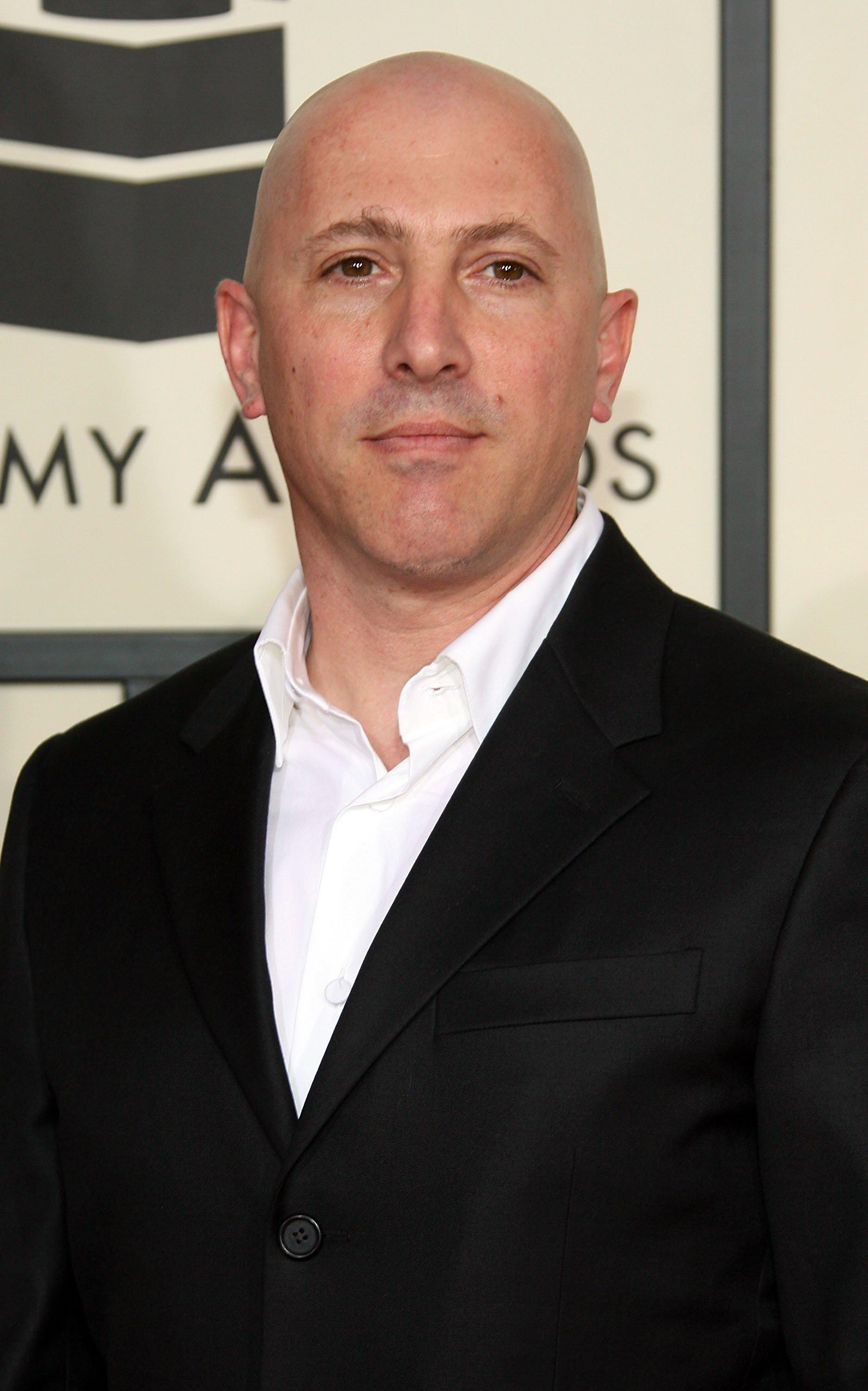
Maynard James Keenan Net Worth in 2026: From Multi-Platinum Rocker to Vintner
As of 2026, Maynard James Keenan’s net worth is estimated to be approximately $95 million. This substantial wealth is the result of a meticulously diversified portfolio that includes his legendary music career with Tool, A Perfect Circ...
As of 2026, Maynard James Keenan’s net worth is estimated to be approximately $95 million. This substantial wealth is the result of a meticulously diversified portfolio that includes his legendary music career with Tool, A Perfect Circle, and Puscifer, alongside his expansive Arizona-based wine empire, Caduceus Cellars and Merkin Vineyards.
Contents
While many rock stars rely solely on legacy royalties, Keenan has spent the last three decades building a multi-faceted business ecosystem. His financial standing is not just a reflection of record sales, but also of his savvy as an entrepreneur in the hospitality and viticulture sectors, coupled with his high-grossing world tours. To understand how he reached this nearly nine-figure valuation, one must analyze the distinct revenue streams that define his career.
The Musical Foundations: Three Platinum Pillars
Keenan’s primary source of wealth remains his music, but unlike many of his peers, he operates through three distinct entities. This "triad" approach has allowed him to maintain a constant presence in the touring and recording market without oversaturating any single brand.
Tool: The Commercial Powerhouse
Tool is the undisputed financial engine of Keenan’s career. Since their debut in the early 1990s, the band has sold over 13 million albums in the United States alone. However, the true "wealth event" for Tool occurred in 2019 when they finally released their catalog to streaming services and debuted their first album in 13 years, Fear Inoculum.
The band’s ability to command high ticket prices is legendary. In 2026, Tool remains one of the few acts capable of selling out arenas globally within minutes. Their revenue model is bolstered by high-margin merchandise, specifically limited-edition posters and signed vinyl sets, which often resell for thousands of dollars. Keenan, as a founding member and primary lyricist, retains a significant percentage of the band's intellectual property and touring profits.
A Perfect Circle and Puscifer
While Tool represents the "blockbuster" revenue, A Perfect Circle (APC) provides substantial secondary income. With multiple platinum and gold records, APC appeals to a more melodic, alternative rock demographic, ensuring consistent radio play and streaming royalties.
Puscifer, on the other hand, serves as Keenan’s "creative laboratory." From a financial perspective, Puscifer is unique because it is largely an independent operation. By owning the masters and controlling the distribution more tightly than with his larger bands, Keenan captures a higher percentage of the "net" for every dollar earned. Puscifer’s revenue is further bolstered by unconventional tours that lean into performance art, allowing for higher VIP ticket pricing and unique merchandise opportunities.
The Viticulture Empire: Caduceus Cellars and Merkin Vineyards
In the mid-2000s, Keenan made a move that many financial analysts found risky: he began producing wine in Arizona. What started as a passion project has evolved into a highly profitable enterprise. By 2026, Caduceus Cellars and Merkin Vineyards have become cornerstones of the Arizona wine industry.
Vertical Integration and Hospitality
Keenan’s wine business is a masterclass in vertical integration. He doesn't just sell wine to distributors; he owns the land, the production facilities, and the retail outlets. His flagship tasting rooms in Jerome and Cottonwood, Arizona, function as high-traffic tourist destinations.
- Caduceus Cellars: Focused on high-end, small-batch production that commands premium pricing ($50–$150 per bottle).
- Merkin Vineyards: A more accessible brand with higher volume, supported by full-scale restaurants (trattorias) that utilize farm-to-table ingredients grown on Keenan’s own land.
- Four Eight Wineworks: A winemaking cooperative that helps other local winemakers, further cementing Keenan’s influence in the regional economy.
By 2026, the valuation of his land holdings and the brand equity of his wineries contribute an estimated $25 million to $30 million to his total net worth. Unlike music royalties, which can fluctuate based on streaming trends, these are tangible assets with appreciating land value.
Touring Economics and the "Sessanta" Effect
Touring is the lifeblood of a modern musician's wealth, and Keenan has optimized this better than most. The "Sessanta" tour—a celebration of his 60th birthday—set a blueprint for his recent earnings. By touring with Tool, APC, and Puscifer simultaneously or in close succession, he minimizes overhead while maximizing reach.
| Revenue Stream | Estimated Annual Contribution (Post-2024) | Primary Growth Driver |
|---|---|---|
| Touring (Tool/APC/Puscifer) | $12M - $18M | Premium VIP packages and arena sell-outs. |
| Wine & Hospitality | $5M - $8M | Restaurant expansion and direct-to-consumer sales. |
| Streaming & Royalties | $3M - $5M | Global catalog consumption across three bands. |
| Merchandise & Physical Media | $2M - $4M | Limited edition vinyl and high-end apparel. |
The data above highlights that while music is the largest grossing category, the wine and hospitality sector provides a stable, year-round cash flow that is less susceptible to the volatility of the music industry.
Real Estate and Private Assets
Keenan’s net worth is also anchored by a robust real estate portfolio. He is a significant property owner in the Verde Valley region of Arizona. His holdings include:
- Residential Estates: Private residences in the Hollywood Hills (historically) and expansive ranch property in Arizona.
- Commercial Property: The buildings housing his tasting rooms, the Merkin Vineyards Hilltop Winery and Trattoria, and a state-of-the-art production facility.
- Agricultural Land: Dozens of acres of high-altitude vineyards which, as they mature, increase the value of the terroir.
His move away from Los Angeles to Arizona in the early 2000s was not just a lifestyle choice but a savvy financial pivot, allowing him to build an empire in a state with a lower cost of living and favorable business taxes compared to California.
The Impact of Intellectual Property and Licensing
A major factor in Keenan’s $95 million valuation is his control over his intellectual property (IP). He has historically been protective of his art, famously keeping Tool off streaming services until 2019. This scarcity created a "dam break" effect, leading to record-breaking streaming numbers when the catalog finally launched.
Furthermore, Keenan’s involvement in film and literature adds smaller but consistent layers to his wealth. His biography, A Perfect Union of Contrary Things, was a New York Times bestseller, and his occasional acting roles and soundtracks contribute to his "passive" income streams.
Financial Risk Management
Keenan’s wealth is protected by his disciplined approach to business. He rarely takes on outside investors for his wine ventures, preferring to fund growth through his own capital. This "bootstrapping" at a high level means he owns nearly 100% of his private business entities, avoiding the dilution that plagues many celebrity entrepreneurs.
Additionally, his bands operate as efficient corporate entities. Tool, for instance, is known for its high-production-value shows, but the band members are notoriously hands-on with the financial logistics, ensuring that the "gross" doesn't get completely eaten by "net" expenses.
FAQ: Understanding the Finances of Maynard James Keenan
Is Maynard James Keenan the richest member of Tool?
While specific contracts are private, Keenan’s net worth is generally considered the highest among the members of Tool. This is primarily due to his secondary and tertiary music projects (APC and Puscifer) and his extensive, wholly-owned wine business, which the other members do not share in.
How much does he make per Tool concert?
As of 2026, a Tool arena show can gross between $2 million and $3 million. After venue fees, production costs, and taxes, the band members typically split a significant portion of the net. Estimates suggest Keenan earns between $200,000 and $400,000 per night on a major tour, depending on merchandise performance.
Does the wine business actually turn a profit?
Yes. While many celebrity wine brands are merely licensing deals, Keenan’s businesses are fully operational agricultural and hospitality entities. After initial heavy capital expenditures in the 2000s and 2010s, his vineyards and restaurants have become highly profitable, specifically through direct-to-consumer sales which bypass the 30-50% cut taken by distributors.
How did the 2019 streaming launch affect his net worth?
The launch of Tool’s catalog on streaming services was a massive financial catalyst. It introduced the music to a younger demographic (Gen Z), which in turn fueled record-breaking ticket sales for the subsequent Fear Inoculum tours and created a permanent, recurring revenue stream through Spotify, Apple Music, and YouTube.
Does he own his own record labels?
Keenan has been a pioneer in independent distribution. While Tool has had long-standing major label ties (Zoo/Volcano/RCA), his work with Puscifer is released through his own label, Puscifer Entertainment. This allows him to retain a much higher percentage of sales compared to traditional record deals.
Practical Recommendation for Fans and Investors
For those looking to understand the "Keenan Model" of wealth building, the key takeaway is diversification through passion. He did not invest in random stocks or tech startups; he invested in businesses where he could control the quality and the brand.
If you are a fan looking to support his ventures, the most "direct" way to contribute to his ecosystem—beyond purchasing concert tickets—is through his direct-to-consumer wine clubs. These represent the highest margin part of his business and provide the most stable foundation for his continued creative output.
Image Gallery