Average Carb Intake for Men: A Comprehensive Guide to Daily Requirements
For the average adult male, a healthy daily carbohydrate intake typically ranges from 225 to 325 grams. This range is based on the standard recommendation that 45% to 65% of total daily calories should come from carbohydrates. On a 2,0...
For the average adult male, a healthy daily carbohydrate intake typically ranges from 225 to 325 grams. This range is based on the standard recommendation that 45% to 65% of total daily calories should come from carbohydrates. On a 2,000-calorie diet, this translates to roughly 900 to 1,300 calories derived from carbs, though individual needs vary significantly based on activity level and metabolic health.
Contents
Determining the "average" intake is a useful baseline, but nutritional requirements for men are rarely one-size-fits-all. Factors such as body composition, age, activity intensity, and specific health goals—like weight loss or muscle hypertrophy—dictate where an individual should fall within the recommended spectrum. As of 2026, nutritional science emphasizes moving away from rigid averages toward personalized macronutrient distribution that supports long-term metabolic flexibility.
Understanding the Role of Carbohydrates in Male Physiology
Carbohydrates serve as the primary fuel source for the human body, particularly for the brain and the central nervous system. For men, carbs play a critical role in maintaining energy levels during physical labor or exercise and are essential for preserving muscle mass. When the body consumes sufficient carbohydrates, it utilizes them for energy through a process called glycolysis, which spares dietary protein and existing muscle tissue from being broken down for fuel.
Beyond basic energy, carbohydrates are stored in the liver and skeletal muscles as glycogen. For men engaging in regular resistance training or high-intensity interval training (HIIT), these glycogen stores are the "fuel tank" that determines performance duration and intensity. Depleting these stores without adequate replenishment can lead to "bonking" or hitting a wall, characterized by sudden fatigue and reduced cognitive clarity.
Furthermore, carbohydrates influence hormonal health in men. Adequate glucose levels help regulate cortisol, the body’s primary stress hormone. Chronic low-carb intake in very active men can lead to elevated cortisol and suppressed testosterone levels, potentially impacting libido, mood, and recovery. Therefore, finding the "average" intake is not just about counting calories; it is about supporting the endocrine and muscular systems.
The Acceptable Macronutrient Distribution Range (AMDR)
The most widely accepted framework for carbohydrate consumption is the Acceptable Macronutrient Distribution Range (AMDR). Established by health authorities like the Institute of Medicine, the AMDR suggests that carbohydrates should comprise 45% to 65% of total energy intake.
Calculating Grams Based on Caloric Intake
To understand what these percentages mean in practical terms, one must know that each gram of carbohydrate contains approximately 4 calories. If a man requires 2,500 calories per day to maintain his weight, his carbohydrate targets would look like this:
- Low End (45%): 1,125 calories / 4 = 281 grams
- High End (65%): 1,625 calories / 4 = 406 grams
For a man on a more modest 2,000-calorie diet, the range shifts to 225–325 grams. It is important to note that many modern sedentary lifestyles may require sticking to the lower end of this range to avoid excess energy storage as body fat, while endurance athletes often push toward or even exceed the 65% threshold during peak training cycles.
Factoring in Activity Levels and Metabolic Demands
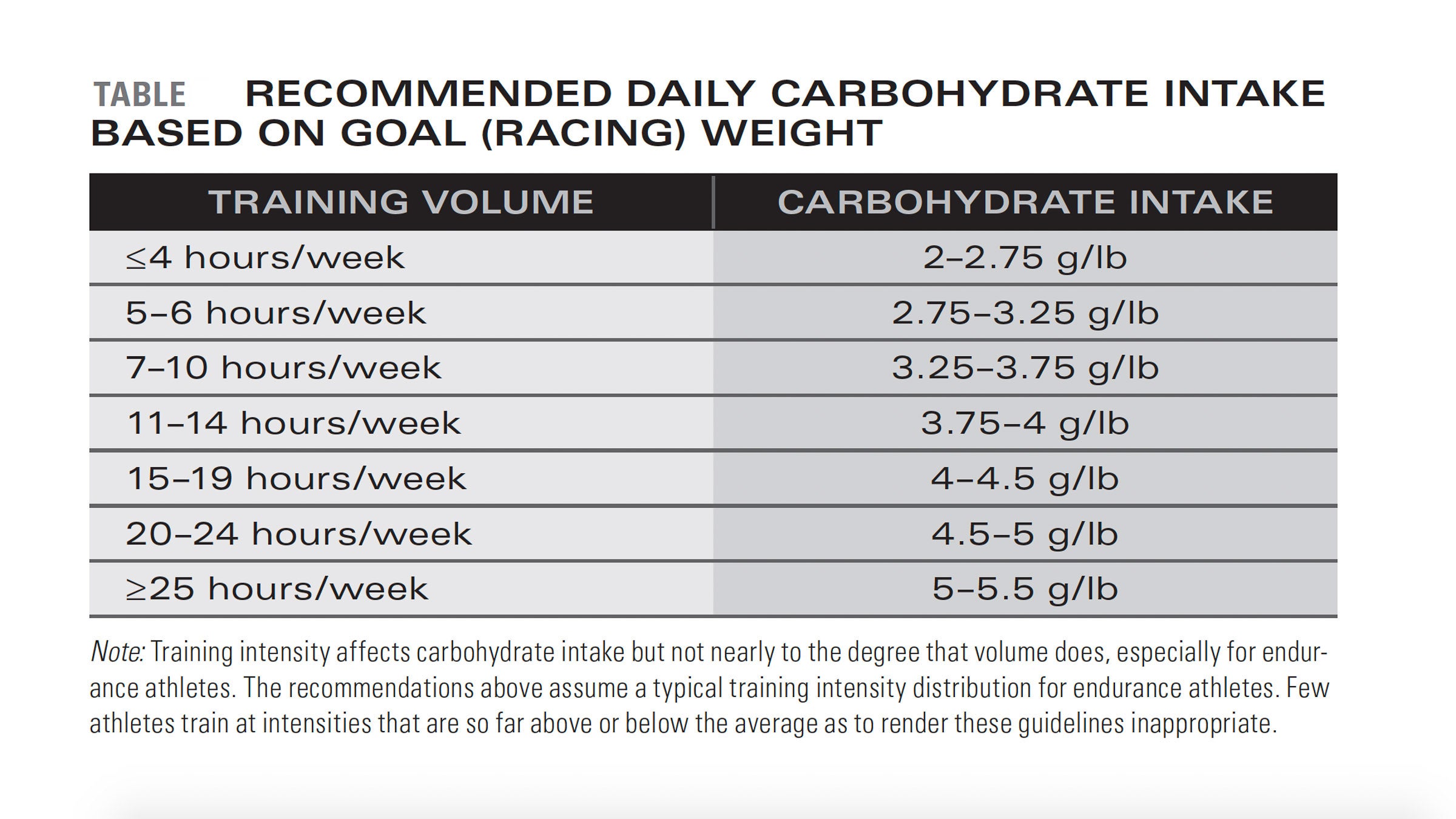
Activity level is the single most significant variable in determining a man's carbohydrate needs. The "average" intake for a construction worker will look vastly different from the average intake for an office worker.
Sedentary to Lightly Active
Men who work desk jobs and engage in minimal exercise (less than 30 minutes of walking per day) generally do not require high amounts of glycogen replenishment. For this group, an intake of 2.5 to 3 grams of carbs per kilogram of body weight is often sufficient. Consuming the upper limit of the 45-65% range while sedentary can lead to insulin resistance over time, as the body has no immediate "sink" (active muscle) to deposit the incoming glucose.
Moderately Active
This category includes men who exercise 3 to 5 times a week at moderate intensity. Their requirements typically rise to 4 to 5 grams per kilogram of body weight. At this level, the body becomes more efficient at shuttling glucose into muscle cells, and the risk of fat storage from carbohydrates decreases as long as total caloric balance is maintained.
Highly Active and Athletes
Endurance athletes, marathon runners, and men involved in heavy manual labor require significant carbohydrate loading. These individuals may need 6 to 10 grams of carbs per kilogram of body weight. For a 180-pound (82kg) man, this could mean an intake of 500 to 800 grams of carbohydrates daily. In these cases, the primary goal is maximizing glycogen stores to prevent muscle wasting and maintain performance.
Quality Matters: Complex vs. Simple Carbohydrates
Not all carbohydrates are created equal, and the "average" intake should be dominated by nutrient-dense sources. The distinction between simple and complex carbohydrates is vital for long-term health, particularly regarding blood sugar management and cardiovascular health.
Complex Carbohydrates (The Foundation)
Complex carbohydrates consist of long chains of sugar molecules. Because they take longer for the body to break down, they provide a steady, sustained release of energy. Sources include:
- Whole Grains: Brown rice, quinoa, oats, and whole-wheat pasta.
- Legumes: Lentils, chickpeas, and black beans.
- Starchy Vegetables: Sweet potatoes, corn, and peas.
These foods are also high in fiber, which is crucial for male health. In 2026, nutrition guidelines continue to emphasize that men under 50 should aim for 38 grams of fiber per day to support digestive health and reduce the risk of heart disease.
Simple Carbohydrates (The Exception)
Simple carbohydrates are small molecules that the body digests quickly, leading to rapid spikes in blood glucose and insulin. While these can be useful immediately after a grueling workout to kickstart recovery, they should be limited in a daily diet. Common sources include refined sugars, sodas, white bread, and pastries. Excessive intake of simple sugars is strongly linked to the development of Type 2 diabetes and metabolic syndrome in men.
Daily Carbohydrate Targets by Goal and Activity
The following table provides a breakdown of recommended carbohydrate ranges based on different lifestyles and physical objectives for an average 180-lb (82kg) male.
| Activity Level / Goal | Daily Calories (Est.) | Carb % of Calories | Recommended Grams |
|---|---|---|---|
| Sedentary (Maintenance) | 2,200 | 45% | 247g |
| Active (Maintenance) | 2,800 | 55% | 385g |
| Endurance Athlete | 3,500+ | 65% | 568g+ |
| Weight Loss (Moderate) | 1,800 | 35-40% | 157g – 180g |
| Muscle Gain (Bulking) | 3,200 | 50-60% | 400g – 480g |
| Ketogenic (Therapeutic) | 2,000 | <10% | 20g – 50g |
The Impact of Age on Carbohydrate Metabolism
As men age, their metabolic rate typically slows, and insulin sensitivity may decrease. A man in his 20s can often "handle" a higher carbohydrate intake due to higher levels of lean muscle mass and growth hormone. By the time a man reaches his 50s or 60s, the body’s ability to clear glucose from the bloodstream efficiently often declines.
For older men, focusing on the lower end of the AMDR (around 45%) while prioritizing high-fiber, low-glycemic index foods is often recommended to prevent age-related weight gain and protect against metabolic dysfunction. Sarcopenia, or age-related muscle loss, also means that older men should prioritize protein, which may naturally lead to a slight reduction in the percentage of daily calories coming from carbohydrates.
Common Mistakes in Managing Carb Intake
One of the most frequent errors men make is extreme restriction. Low-carb or ketogenic diets have become popular for rapid weight loss, but they are not always sustainable or necessary for everyone. Drastically cutting carbs can lead to "brain fog," irritability (often called "low-carb flu"), and a significant drop in exercise performance.
Conversely, "carb loading" without the accompanying physical activity is another common pitfall. Many men overestimate their activity levels and consume "athlete-level" carbohydrate portions while maintaining a sedentary lifestyle. This leads to chronic surplus energy, which the body stores as visceral fat—the dangerous fat around internal organs that increases the risk of chronic disease.
Another mistake is ignoring liquid carbohydrates. Alcohol, sweetened coffees, and sports drinks contribute significantly to the daily "average" carb intake but offer zero nutritional value and can lead to rapid fat gain. Tracking total intake should include these "hidden" carbs to get an accurate picture of daily consumption.
Practical Recommendations for Men
To find your ideal carbohydrate intake, follow these steps:
- Calculate Your TDEE: Determine your Total Daily Energy Expenditure (TDEE) using an online calculator that factors in your age, height, weight, and activity level.
- Set a Baseline: Start with 50% of those calories from carbohydrates.
- Monitor Energy and Performance: If you feel sluggish during workouts, increase your intake by 25–50 grams. If you are gaining unwanted body fat, decrease your intake by a similar amount.
- Prioritize Fiber: Regardless of your total carb count, ensure you are getting at least 30–38 grams of fiber daily from whole food sources.
- Time Your Carbs: If possible, consume the majority of your daily carbohydrates around your most active hours (pre- and post-workout) to maximize their use for energy and recovery.
Frequently Asked Questions
Is 100 grams of carbs a day low for a man?
Yes, for most men, 100 grams is considered a low-carbohydrate intake. While it is higher than the strict limit for ketosis (usually under 50g), it is significantly below the standard recommendation of 225–325g. This level is often used for targeted weight loss but may be difficult to sustain for highly active individuals.
Should men eat carbs at night?
The idea that carbs eaten at night are automatically stored as fat is a myth. Total daily caloric balance is far more important than timing. However, for some men, eating a large amount of simple carbohydrates before bed can disrupt sleep due to blood sugar fluctuations. Complex carbs at dinner can actually help with sleep by supporting the production of serotonin.
Do I need fewer carbs if I’m trying to build muscle?
Not necessarily. While protein is the building block of muscle, carbohydrates are the "construction workers" that provide the energy for the building process. A moderate-to-high carb intake is generally recommended during a muscle-building (bulking) phase to ensure you have the energy to lift heavy weights and to keep the body in an anabolic (building) state.
How do I know if I’m eating too many carbs?
Signs of excessive carbohydrate intake relative to your activity level include consistent weight gain (specifically around the midsection), frequent lethargy or "food comas" after meals, and elevated fasting blood glucose levels in medical screenings.
Can I get all my carbs from fruit?
While fruit is a healthy source of carbohydrates, fiber, and vitamins, it shouldn't be your only source. Fruit contains fructose, which is processed primarily in the liver. A balanced intake should also include starches like potatoes or grains, which provide glucose that can be directly used by the muscles.
Image Gallery