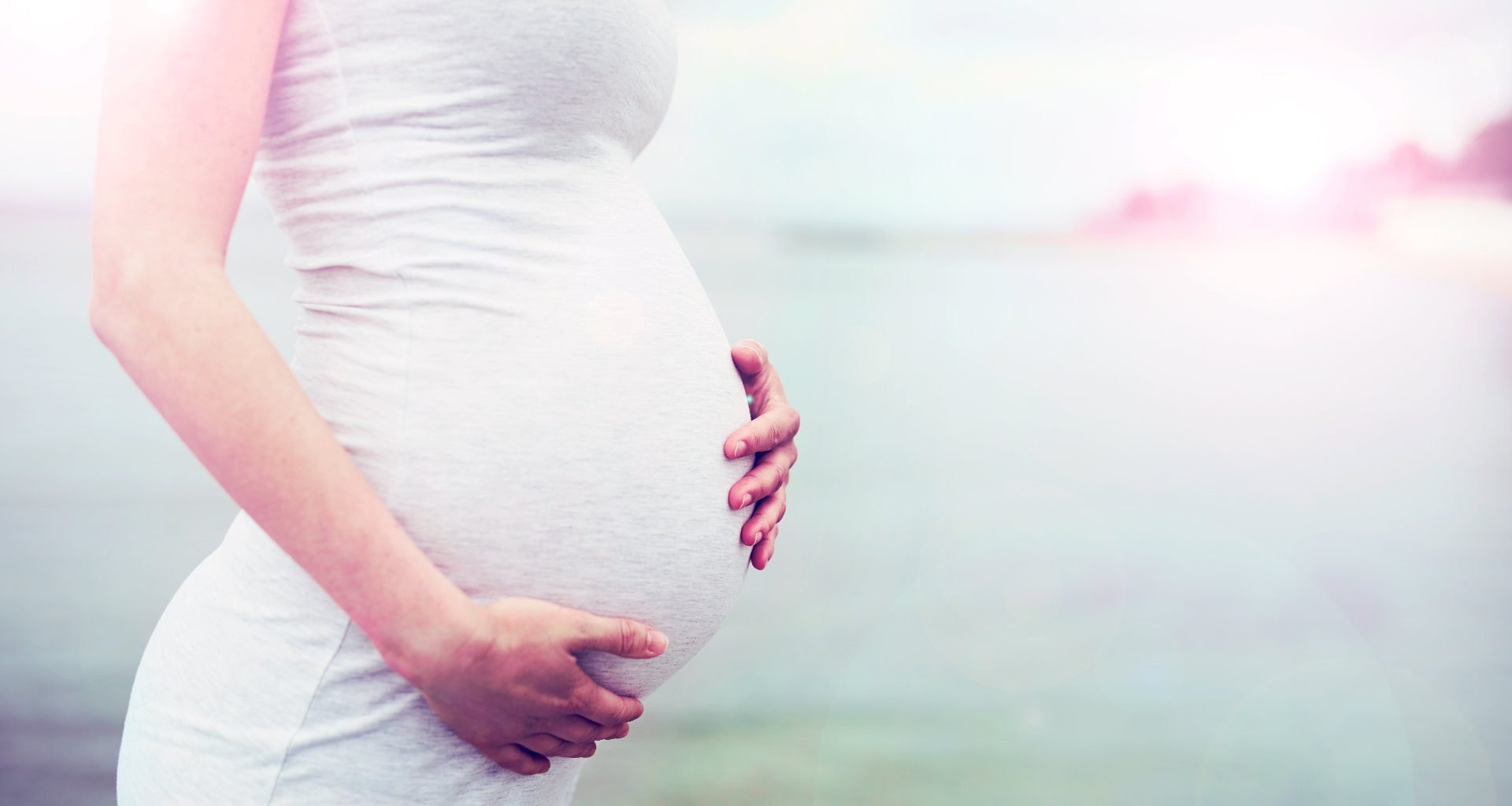
How Early Do You Start Showing With Twins? A Complete Timeline and Guide
Most women pregnant with twins start showing between weeks 6 and 12, which is significantly earlier than those carrying a single baby. Because the uterus must expand to accommodate two fetuses, two placentas, and a higher volume of amn...
Most women pregnant with twins start showing between weeks 6 and 12, which is significantly earlier than those carrying a single baby. Because the uterus must expand to accommodate two fetuses, two placentas, and a higher volume of amniotic fluid, it typically rises out of the pelvic cavity much sooner, often resulting in a visible "bump" by the end of the first trimester.
Contents
While a singleton pregnancy often remains invisible to the outside world until the 16th to 20th week, a twin pregnancy accelerates the physical transformation of the maternal body. This early visibility is one of the most common physical clues that a woman might be carrying multiples, though it is influenced by several physiological and lifestyle factors.
Medical Disclaimer: The information provided in this article is for educational purposes only and does not constitute medical advice. Always consult with a qualified healthcare provider, such as an obstetrician or midwife, for personalized guidance regarding your pregnancy.
The Physiology of Uterine Expansion in Multiples
To understand why twin bumps appear so early, it is necessary to look at the anatomy of the gravid uterus. In a singleton pregnancy, the uterus is roughly the size of a large orange at eight weeks and remains tucked behind the pubic bone. By week 12, it reaches the size of a grapefruit and begins to lift into the abdomen.
In a twin pregnancy, this timeline is compressed. By week 8, the uterus of a person carrying twins is often already the size of a 12-week singleton uterus. This accelerated growth is not merely due to the presence of two embryos; it is a combination of the combined fetal weight, the presence of two placentas (which can be positioned side-by-side or on opposite walls of the uterus), and nearly double the amniotic fluid.
Furthermore, the hormonal shift in a twin pregnancy is more intense. Higher levels of human chorionic gonadotropin (hCG) and progesterone can lead to significant gastrointestinal bloating in the very early stages. While this "bloat" is not technically the baby bump, it creates the appearance of showing as early as 6 or 7 weeks, often making it difficult for women to fit into their standard clothing before they have even had their first official ultrasound.
The Twin Showing Timeline: Week-by-Week Expectations
The progression of a twin bump is rarely a slow build; many mothers describe it as a "pop" that happens suddenly during the first trimester. As of 2026, medical professionals continue to use fundal height—the distance from the pubic bone to the top of the uterus—as a primary indicator of growth, and in twin pregnancies, this measurement typically stays 4 to 8 weeks "ahead" of the chronological week.
Weeks 4 to 8: The Bloating Phase
During these initial weeks, any visible change is usually related to progesterone-induced bloating and increased blood flow to the pelvic region. The uterus is growing rapidly but is likely still below the pelvic brim. However, for those who have been pregnant before, the body may "recognize" the hormones and begin relaxing the abdominal muscles immediately, leading to a soft protrusion.
Weeks 9 to 12: The First Trimester "Pop"
This is the window where the majority of twin mothers notice a definitive change. The uterus typically expands upward and outward, becoming palpable just above the pubic bone. By week 12, a twin pregnancy often mimics the size of a 16-week singleton pregnancy. Many women find they can no longer hide the pregnancy from colleagues or friends by the end of the third month.
Weeks 13 to 17: The Second Trimester Transition
By the start of the second trimester, the "twin bump" is usually undeniable. The uterus continues its rapid ascent toward the navel. While a singleton mother might just be starting to show, a twin mother is often already transitioning into full maternity wear. The skin may begin to feel tight, and the "heavy" feeling in the lower abdomen becomes more pronounced.
Factors That Influence How Early You Show
Not every twin pregnancy follows the same visual trajectory. Several biological and physical variables determine exactly when that bump becomes public knowledge.
Maternal Parity (Number of Previous Pregnancies)
The most significant factor in how early a woman shows is her "parity," or the number of times she has previously been pregnant. In a first pregnancy (primigravida), the abdominal muscles and uterine ligaments are tight and haven't been stretched before. These muscles act as a natural corset, holding the growing uterus in longer. In subsequent pregnancies (multigravida), the muscles are more compliant and "remember" how to expand, often resulting in a visible bump weeks earlier than in the first pregnancy.
Body Composition and Height
A woman’s height and torso length play a crucial role in bump visibility. Women with longer torsos have more vertical space for the uterus to expand before it is forced to push outward. Conversely, shorter women or those with "short waists" will likely show much earlier, as the uterus has nowhere to go but out. Additionally, starting BMI can influence visibility; a smaller frame may make a twin bump appear more prominent early on, while a higher BMI may provide more "cushioning" that masks the bump for a few extra weeks.
Core Strength and Diastasis Recti
Athletes or women with very strong abdominal muscles may find that they show later because their core provides significant support to the uterine wall. However, if a woman has diastasis recti (separation of the abdominal muscles) from a previous pregnancy, the lack of central support allows the uterus to protrude forward almost immediately.
Uterine Position
The natural tilt of the uterus also matters. A woman with an "anteverted" uterus (tilted forward toward the belly) will show earlier than a woman with a "retroverted" or "tilted" uterus (angled back toward the spine). In the latter case, it may take several more weeks for the growing uterus to rotate into a position where it becomes visible externally.
Comparing Growth: Twins vs. Singletons
It is helpful to visualize the difference in growth to manage expectations regarding wardrobe and physical comfort. The following table outlines the average comparative milestones for singleton and twin pregnancies.
| Milestone | Singleton Pregnancy | Twin Pregnancy |
|---|---|---|
| First Sign of "Showing" | Weeks 14–20 | Weeks 6–12 |
| Uterus Reaches Navel | Approx. Week 20 | Approx. Week 15–16 |
| Fundal Height at 24 Weeks | ~24 cm | ~28–32 cm |
| Maternity Clothes Needed | Late 2nd Trimester | Late 1st Trimester |
| Skin Stretching/Itching | Mid-to-Late 2nd Trimester | Early 2nd Trimester |
Medical Implications of Early Growth
While showing early is often viewed through a social or aesthetic lens, it has clinical significance. When a patient "measures large for dates," healthcare providers will typically order an ultrasound to confirm the cause. While multiples are a common reason, other factors such as polyhydramnios (excessive amniotic fluid) or gestational trophoblastic disease must be ruled out.
Once twins are confirmed, the early and rapid growth of the uterus requires closer monitoring. According to the American College of Obstetricians and Gynecologists (ACOG), twin pregnancies carry a higher risk of preterm labor precisely because the uterus reaches its maximum capacity much sooner. The "over-distension" of the uterus can trigger contractions earlier than in a singleton pregnancy.
Mothers showing early with twins should also be aware of the increased nutritional and hydration demands. The body is working twice as hard to build two of everything, and the early physical expansion is a sign of the massive amount of energy being diverted to the womb.
Managing the Early Bump: Practical Tips
Showing early with twins presents unique logistical challenges. Because the transition happens so fast, many women are caught off guard.
- Invest Early in Support: Because the weight of twins pulls on the lower back and pelvis much sooner, a maternity support belt can be a lifesaver as early as 12–14 weeks.
- Skin Care: Rapid expansion of the skin can lead to intense itching and stretch marks. While genetics play the largest role in stretch marks, keeping the skin hydrated with emollients can alleviate the discomfort of stretching.
- Wardrobe Strategy: Do not wait until your clothes don't fit to buy maternity wear. By week 10, many twin mothers benefit from "side-panel" maternity jeans or leggings that accommodate the rapid shift in uterine volume without putting pressure on the sensitive abdomen.
- Rest and Ergonomics: The early shift in your center of gravity can cause balance issues and round ligament pain. Prioritizing pelvic floor health and using pregnancy pillows early in the second trimester can help maintain comfort.
Common Questions About Showing With Twins
Can you show at 6 weeks with twins?
Yes, though at 6 weeks, the "bump" is primarily caused by extreme bloating and the uterus beginning to thicken. Because twin pregnancies involve much higher levels of hormones like progesterone, the digestive system slows down significantly, leading to a distended abdomen that can look like a small baby bump.
Does showing early mean the babies are bigger?
Not necessarily. Showing early is more about the total volume inside the uterus (two babies, two placentas, and more fluid) and the mother's physical structure than the individual weight of each baby. In fact, twin babies are often slightly smaller than singletons as the pregnancy progresses into the third trimester.
Is it possible to hide a twin pregnancy until the second trimester?
It is very difficult, though not impossible. Women with very long torsos, strong core muscles, or those who wear very loose, structured clothing may be able to hide it until week 12 or 13. However, by week 14, the rapid expansion of the uterus makes a twin pregnancy quite prominent for most.
Why do I look 20 weeks pregnant when I am only 12 weeks with twins?
This is normal. By 12 weeks, a twin uterus is roughly the same size as a 16-to-20-week singleton uterus. Your body is physically accommodating two developing humans, which necessitates a much faster relocation of your internal organs and a more aggressive outward growth of the abdominal wall.
Does "showing" correlate with when I will feel movement?
There is no direct correlation between when you show and when you feel "quickening" (fetal movement). However, many twin mothers do report feeling movement slightly earlier (around 16 weeks) simply because there is less "empty" space in the uterus, making it more likely for a tiny kick to hit the uterine wall.
Next Steps for Expectant Mothers
If you are showing earlier than expected and have not yet had a confirming ultrasound, your next step should be to schedule a prenatal appointment. An early ultrasound is the only definitive way to confirm twins and determine if they are monochorionic (sharing a placenta) or dichorionic (separate placentas), which is vital for your care plan.
Once twins are confirmed, focus on early preparation. Since you will likely reach physical milestones (and potentially the "exhaustion phase") much sooner than singleton mothers, aim to have your nursery, gear, and birth plan finalized by week 30. The early appearance of your bump is simply the first of many ways your body will demonstrate the incredible work of growing two lives at once.
Image Gallery