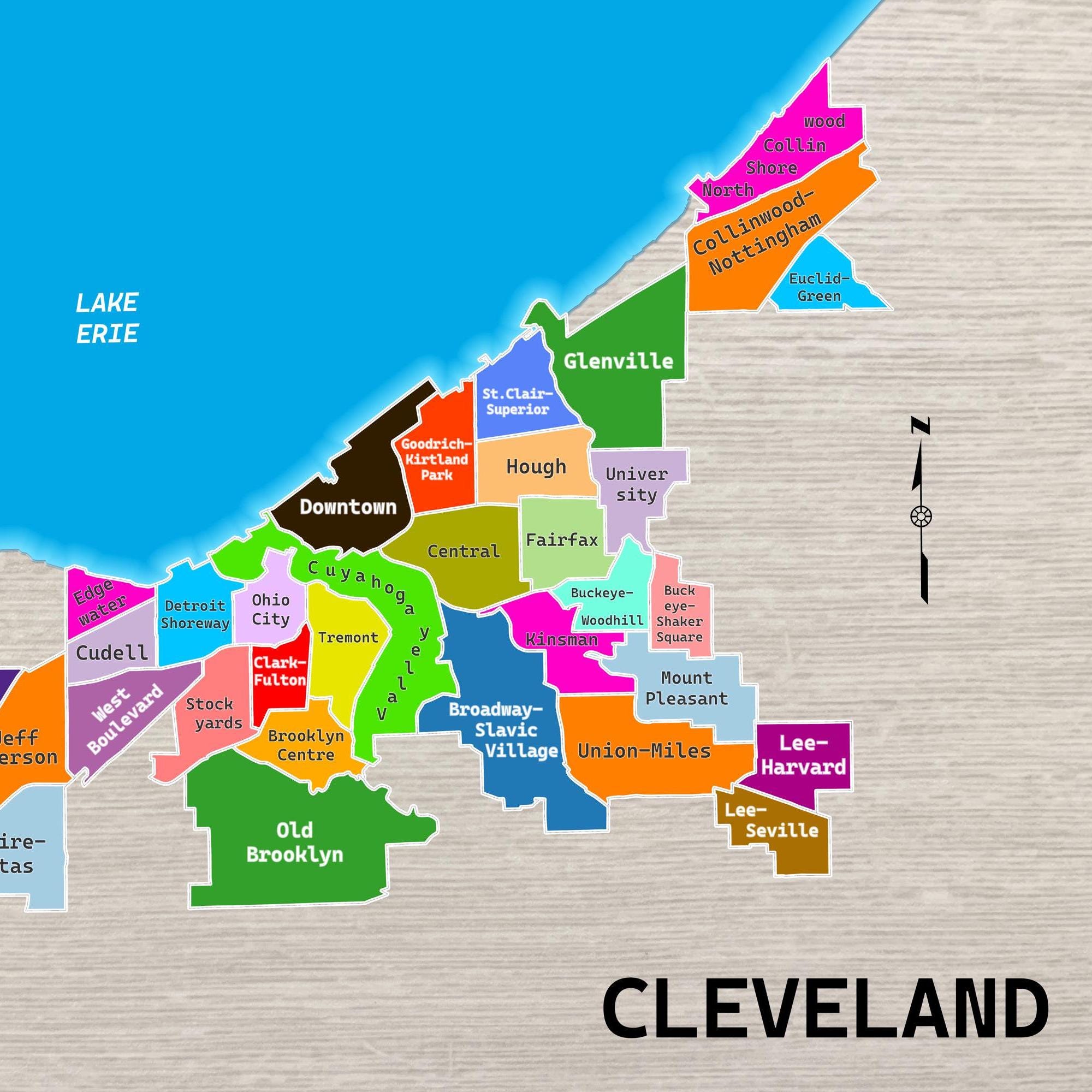
A Comprehensive Look at 271 Cleveland: Exploring the Cleveland Neighborhood and Local Landscape
When examining specific urban coordinates and residential micro-markets, addresses like 271 Cleveland serve as windows into the broader identity, architectural heritage, and community dynamics of their surroundings. Understanding a spe...
When examining specific urban coordinates and residential micro-markets, addresses like 271 Cleveland serve as windows into the broader identity, architectural heritage, and community dynamics of their surroundings. Understanding a specific micro-location requires analyzing the wider neighborhood's geography, zoning history, market context, and everyday accessibility. This detailed review examines the structural, historical, and community-level characteristics that define the Cleveland neighborhood context, providing a clear reference for residents, urban researchers, and prospective community members.
Contents
Geographic Context and Neighborhood Boundaries
The Cleveland neighborhood functions as a distinct socio-spatial entity shaped by decades of municipal planning, infrastructure development, and demographic shifts. To understand any specific parcel or building within this zone, one must first examine how the neighborhood relates to the surrounding city grid.
Urban layouts in this region typically combine historic street grids with mid-century arterial road expansions. Public transit corridors, pedestrian pathways, and natural or man-made boundaries—such as historical rail lines, highway spurs, or commercial strips—help delineate the neighborhood's perimeter. These boundaries influence traffic patterns, noise levels, and the overall rhythm of daily life.
- Arterial Connectivity: Major thoroughfares provide direct vehicular access to downtown employment centers and peripheral commercial districts.
- Public Transit Integration: Bus routes and regional transit connections link neighborhood residents to civic amenities, educational institutions, and healthcare facilities.
- Walkability and Sidewalk Infrastructure: Pedestrian infrastructure varies between older residential cores and commercial corridors, affecting daily foot traffic and local retail viability.
Architectural Heritage and Housing Stock
The architectural identity of the Cleveland neighborhood is defined by a mix of period construction styles, reflecting the eras of its primary development phases. Properties in this sector often showcase traditional building techniques, materials, and spatial layouts that differ significantly from modern suburban developments.
Historic Residential Styles
Older homes within the neighborhood commonly feature early-to-mid-20th-century vernacular architecture. Common structural traits include load-bearing masonry, timber framing, pitched gable roofs, and distinct stylistic accents such as covered front porches or decorative brickwork. These structures require specialized maintenance approaches, particularly regarding historic preservation zoning guidelines, masonry repointing, and roof replacement compliance.
Multi-Family and Infill Developments
Alongside single-family residences, the neighborhood incorporates duplexes, low-rise apartment buildings, and occasional contemporary infill structures. These multi-family configurations contribute to housing density and rental market diversity, accommodating a varied demographic mix ranging from long-term homeowners to transient renters and students.
Infrastructure, Utilities, and Municipal Services
Municipal service delivery and infrastructure quality play a decisive role in the liveability and property stability of the Cleveland neighborhood. Property owners and occupants rely on a coordinated network of public utilities and municipal departments.
- Water and Wastewater Management: Subsurface municipal water mains and sanitary sewer lines manage residential consumption and stormwater runoff, though older sections frequently undergo municipal rehabilitation to mitigate flood risks.
- Energy and Communications: Power grids, natural gas distribution networks, and fiber-optic or cable broadband availability support modern residential and remote-work requirements.
- Waste Management and Sanitation: Regular municipal trash, recycling, and yard waste collection schedules maintain neighborhood cleanliness and public health standards.
Community Amenities and Local Economy
A thriving neighborhood balance relies on proximity to essential commercial services, green spaces, and civic institutions. The Cleveland neighborhood features a localized commercial footprint that supports daily errands alongside community gathering spots.
Retail options typically include neighborhood grocery stores, independent cafes, pharmacies, and service-oriented businesses clustered along primary commercial corridors. Public parks, recreational fields, and tree-lined streetscapes offer outdoor amenities for residents, contributing to urban biodiversity and recreational opportunities. Furthermore, neighborhood civic associations and community development corporations often coordinate local clean-up initiatives, safety patrols, and cultural events to foster civic engagement.
Real Estate Market Dynamics and Property Considerations
Real estate conditions within the Cleveland neighborhood reflect broader metropolitan trends, influenced by interest rate environments, housing inventory levels, and local demand. Evaluating a property in this area involves distinct analytical steps.
| Evaluation Factor | Description | Key Consideration for Buyers/Owners |
|---|---|---|
| Zoning and Land Use | Municipal regulations governing property use, density, and structural modifications. | Verify compliance with local zoning codes before undertaking major renovations or commercial conversions. |
| Property Tax Structure | Municipal and county tax assessments levied on real estate parcels. | Review historical assessment trends and local millage rates to project ongoing holding costs accurately. |
| Structural Integrity | The physical condition of foundations, roofs, plumbing, and electrical systems. | Conduct thorough pre-purchase home inspections, paying close attention to aging infrastructure in historic properties. |
| Insurance and Risk | Coverage requirements for property, liability, and regional environmental factors. | Secure appropriate hazard and liability policies, verifying whether specific flood or windstorm riders are required. |
Frequently Asked Questions
What defines the character of the Cleveland neighborhood?
The neighborhood blends historic architectural styles with functional urban infrastructure, offering a mix of residential housing, local commercial hubs, and established transit links that appeal to a diverse demographic.
Are properties in this area subject to historic preservation rules?
Depending on the specific parcel's location within designated historic overlay districts, exterior modifications and signage may be subject to review by local preservation commissions. Property owners should consult municipal planning offices prior to starting exterior renovations.
How accessible is public transportation from residential pockets within the neighborhood?
Most residential streets lie within walking distance of local bus lines or transit stops, providing direct connections to major commercial nodes and regional rail networks.
What are the primary maintenance challenges for older homes in this district?
Common maintenance considerations include updating outdated electrical wiring, repairing historic masonry, replacing aging galvanized plumbing, and improving energy efficiency through modern insulation and window sealing.
Where can official zoning and property record data be verified?
Official property assessments, tax histories, deed records, and zoning maps are maintained by municipal and county GIS departments and public records offices.
Conclusion and Next Actions
Navigating the Cleveland neighborhood requires a balanced understanding of its architectural heritage, infrastructure framework, and market dynamics. For prospective residents, investors, or researchers, the primary next action is to consult official municipal property databases, review local zoning ordinances, and conduct physical inspections to verify the exact condition and regulatory status of any specific location of interest.
Image Gallery