The Adrienne Quintal Case: Timeline, Investigation, and Final Findings
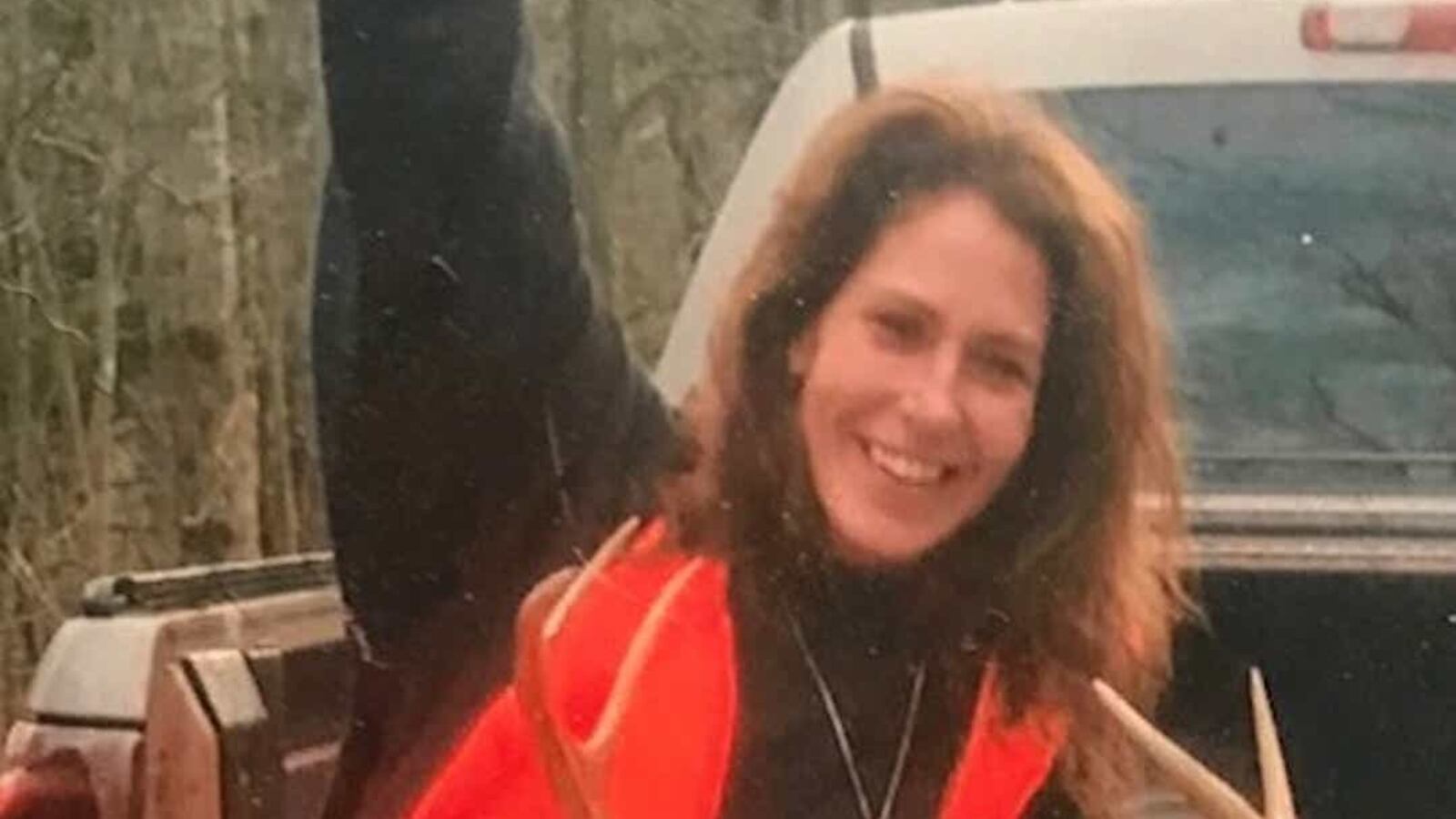
Adrienne Quintal was a 47-year-old woman from South Lyon, Michigan, who disappeared from her family’s cabin in Honor on October 17, 2019. Following a five-month search, her body was recovered from the Platte River in March 2020. Author...
Adrienne Quintal was a 47-year-old woman from South Lyon, Michigan, who disappeared from her family’s cabin in Honor on October 17, 2019. Following a five-month search, her body was recovered from the Platte River in March 2020. Authorities concluded her death was an accidental drowning caused by drug-induced psychosis.
Contents
Background of the Adrienne Quintal Disappearance
Adrienne Quintal, known to her friends and family as "Adie," was a resident of South Lyon, Michigan, where she lived with her son and was well-regarded in her community. In October 2019, she traveled approximately 250 miles north to a family-owned cabin on Indian Hill Road in Honor, Benzie County. The purpose of the trip was to assist her boyfriend with various renovations and chores around the property.
The cabin is situated in a densely wooded area of Northern Michigan, characterized by rugged terrain and proximity to the Platte River. On the night of October 16, her boyfriend left the cabin to return to the Detroit area, leaving Quintal alone. This set the stage for the sequence of events that began in the early hours of October 17, leading to one of the most publicized missing persons cases in recent Michigan history.
The Night of October 17: The "Shootout" Call
The case gained national attention primarily due to the bizarre and terrifying circumstances of Quintal’s final known communication. At approximately 2:45 AM on October 17, 2019, Quintal placed a phone call to a friend in Warren, Michigan. During this call, she was reportedly in a state of extreme distress. She claimed that she was involved in a shootout with two men, asserting that she had shot one of them and that they were still on the property.
The friend immediately contacted the Benzie County Sheriff’s Office. Deputies arrived at the cabin at approximately 3:15 AM—roughly 30 minutes after the call. Upon arrival, they discovered a scene that suggested a violent struggle, yet lacked several key components of a traditional crime scene:
- Evidence of Gunfire: Officers found multiple bullet holes in the cabin windows, but they had been fired from the inside out.
- The Weapon: Quintal’s 9mm handgun was found on the ground outside the cabin, along with her cell phone and her boots, which were discovered on the roof of the cabin and the surrounding area.
- Missing Evidence: Despite her claims of shooting an intruder, there was no blood found on the property, no signs of a second vehicle, and no footprints in the mud or fresh snow suggesting anyone had fled the scene.
- Possessions Left Behind: Quintal’s purse, containing her identification and money, was still inside the cabin.
The discovery of her boots and phone outside—while the temperature was near freezing—indicated that Quintal had likely left the cabin in great haste and without protection against the elements.
The Search Operations and Geographic Challenges
The search for Adrienne Quintal was an exhaustive effort that spanned several months and involved multiple law enforcement agencies, including the Benzie County Sheriff’s Office, the Michigan State Police, and the FBI. Because the cabin was located near the Platte River and surrounded by swampy, heavily forested terrain, the search was logistically difficult.
During the first few weeks, search teams utilized:
- K-9 Units: Bloodhounds and cadaver dogs were brought in to track Quintal’s scent, but the trail ended abruptly near the edge of the property.
- Aviation and Thermal Imaging: Drones and helicopters equipped with infrared sensors searched the canopy, but the thickness of the woods and the fluctuating October weather hampered visibility.
- Volunteer Groups: Hundreds of volunteers from the community and across the state organized "grid searches" through the brush.
The Quintal family, led by her son Nick Quintal and her sister Jenny Emerson, remained highly active in the search. They offered a substantial reward for information and maintained a high-profile social media presence to ensure the case did not go cold. However, as winter set in and the ground froze, the physical search became increasingly dangerous for volunteers, and the active field operations were scaled back.
Discovery and Recovery in March 2020
The search reached a somber conclusion on March 5, 2020. As the spring thaw began, searchers returned to the area surrounding the cabin. A specialized search team, including divers and search-and-rescue personnel, focused on a section of the Platte River and the surrounding wetlands approximately 300 to 500 yards from the cabin.
Quintal’s body was discovered submerged in approximately three feet of water in a flooded, swampy area. The location was difficult to access and had been covered by ice and high water during the winter months. The recovery of the body allowed the medical examiner to begin the process of determining the cause and manner of death, which was essential for resolving the conflicting theories of foul play versus a tragic accident.
Forensic Findings and the Medical Examiner’s Report
Following the recovery, an autopsy was performed by the Western Michigan University Homer Stryker M.D. School of Medicine. The findings, released in mid-2020, provided a scientific explanation for the events of October 17.
The medical examiner officially ruled the cause of death as accidental drowning. However, the most significant portion of the report was the toxicology results. The testing revealed a "mixed drug toxicity" in Quintal’s system, specifically involving high levels of methamphetamine and benzodiazepines (specifically Valium).
Understanding the Toxicology Impact
The presence of methamphetamine is a critical factor in understanding Quintal’s behavior. Medical experts and law enforcement noted that high doses of methamphetamine can lead to:
- Paranoid Psychosis: A state where individuals experience vivid hallucinations, believing they are being followed, watched, or attacked.
- Hyperthermia: A spike in body temperature that often causes individuals to remove their clothing or shoes, even in freezing weather (a phenomenon also seen in hypothermia cases).
- Disorientation: A complete loss of spatial awareness and logical reasoning.
The "shootout" Quintal described during her final phone call is consistent with a drug-induced hallucination. This explains why she fired her weapon from the inside of the cabin at non-existent targets and why she fled into the woods without her boots in near-freezing temperatures.
Investigative Conclusions: Claims vs. Evidence
By the end of the investigation in 2020, the Benzie County Sheriff’s Office concluded that no foul play was involved. The evidence gathered at the scene, combined with the forensic reports, allowed investigators to reconstruct a likely sequence of events.
| Feature | Adrienne Quintal's Report | Forensic/Investigative Evidence |
|---|---|---|
| Intruders | Two men attacking the cabin | No DNA, footprints, or tire tracks found |
| Gunfire | Involved in a "shootout" | All 9mm casings matched her own weapon |
| Casualties | Claimed she shot one intruder | No blood or medical reports of gunshot wounds |
| Physical Status | Active defense of property | Found submerged in river; toxicology positive for Meth/Benzos |
| Footwear | N/A | Boots found on the roof/ground; she entered the woods barefoot |
The Benzie County Sheriff, Kyle Rosa, stated that the department spent hundreds of hours vetting every tip. They cleared her boyfriend and other potential persons of interest after verifying their alibis and finding no physical evidence linking them to the cabin on the night of the disappearance.
The Role of Law Enforcement and Public Interest
The Adrienne Quintal case remains a significant study in how social media and public interest can shape a missing persons investigation. Because the initial details sounded like a thriller movie—a lone woman in a cabin fighting off intruders—the case went viral. This led to thousands of tips, many of which were based on conspiracy theories rather than fact.
Law enforcement had the difficult task of balancing public transparency with the need to protect the integrity of the investigation. The Benzie County Sheriff’s Office maintained that while the family desperately wanted to find evidence of a third party, the physical evidence consistently pointed toward a singular, tragic mental health and substance-related crisis.
Final Summary of the Case Status
As of 2026, the Adrienne Quintal case is considered closed. The legal and medical records definitively point to a tragic accident precipitated by a substance-induced crisis. While the family initially struggled with the findings, the forensic evidence provided a clear, albeit painful, resolution. The case serves as a reminder of the dangerous physical and psychological effects of high-potency stimulants and the complexities of conducting search-and-rescue operations in the Michigan wilderness.
Frequently Asked Questions
Was anyone ever charged in the death of Adrienne Quintal?
No. There were no arrests and no charges filed because the investigation concluded that no other person was involved in her death. The medical examiner ruled the death an accidental drowning due to drug toxicity.
Why were her boots found on the roof?
While there is no definitive answer, investigators believe this was a result of the disorientation and psychosis caused by methamphetamine. It is common for individuals experiencing drug-induced crises or hypothermia to discard clothing or place items in unusual locations.
Did the police find any evidence of a second shooter?
No. All ballistic evidence found at the scene—specifically the 9mm shell casings—was traced back to Adrienne Quintal’s own handgun. There was no evidence of return fire from outside the cabin.
How far was her body found from the cabin?
Her body was found approximately 300 to 500 yards from the cabin in a flooded area of the Platte River. Despite the relatively short distance, the thick swampy terrain and winter ice made it impossible to locate her until the spring thaw of 2020.
What was the official cause of death?
The official cause of death was accidental drowning. The contributing factor was mixed drug toxicity (methamphetamine and benzodiazepines).
Next Steps for Interested Parties
For those looking into similar missing person cases in Michigan, the Michigan State Police Missing Persons Unit provides resources and updated databases on active investigations. Families seeking support for substance-related crises can reach out to the Substance Abuse and Mental Health Services Administration (SAMHSA).
Image Gallery