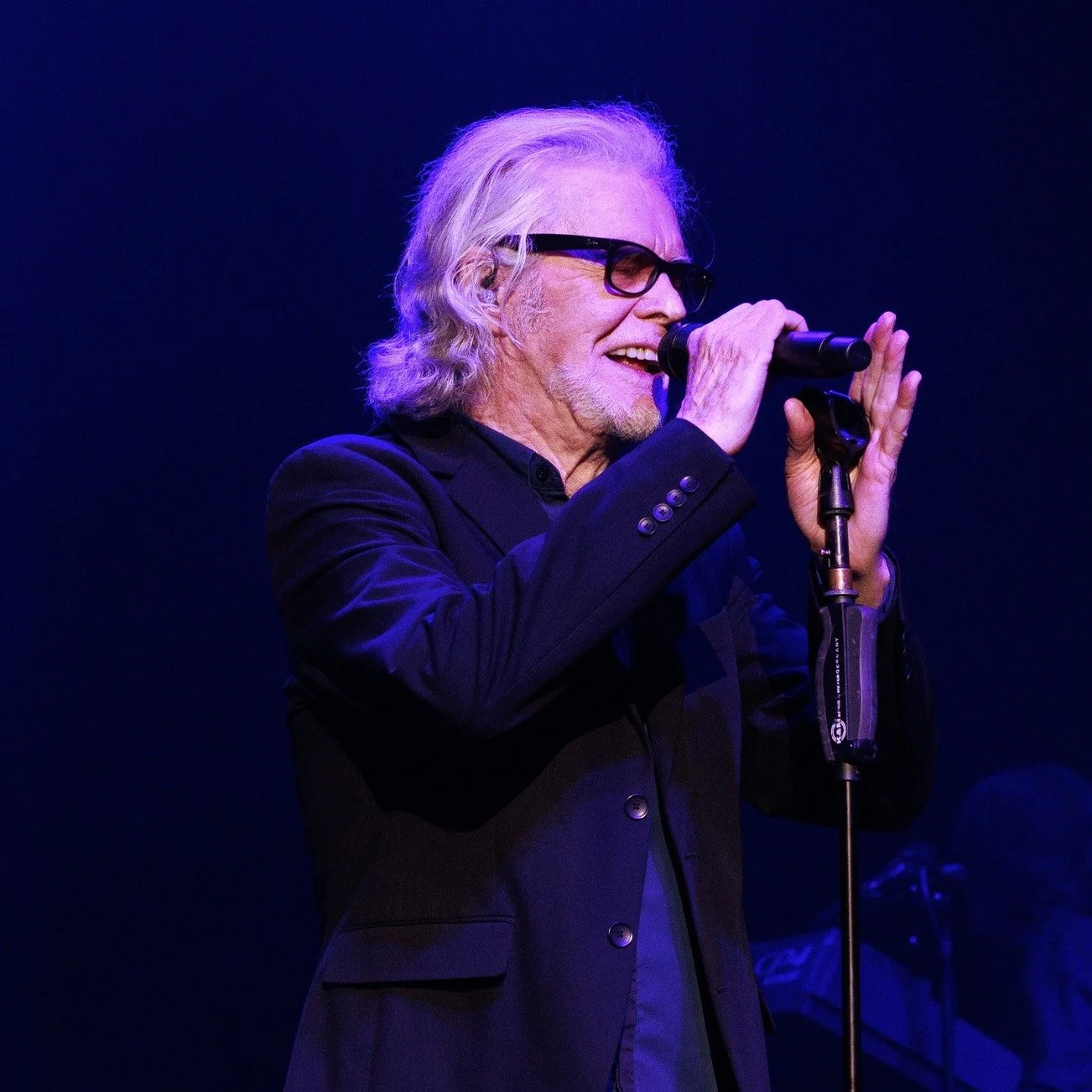
Danny Hutton Net Worth 2026: Exploring the Wealth of Three Dog Night's Frontman
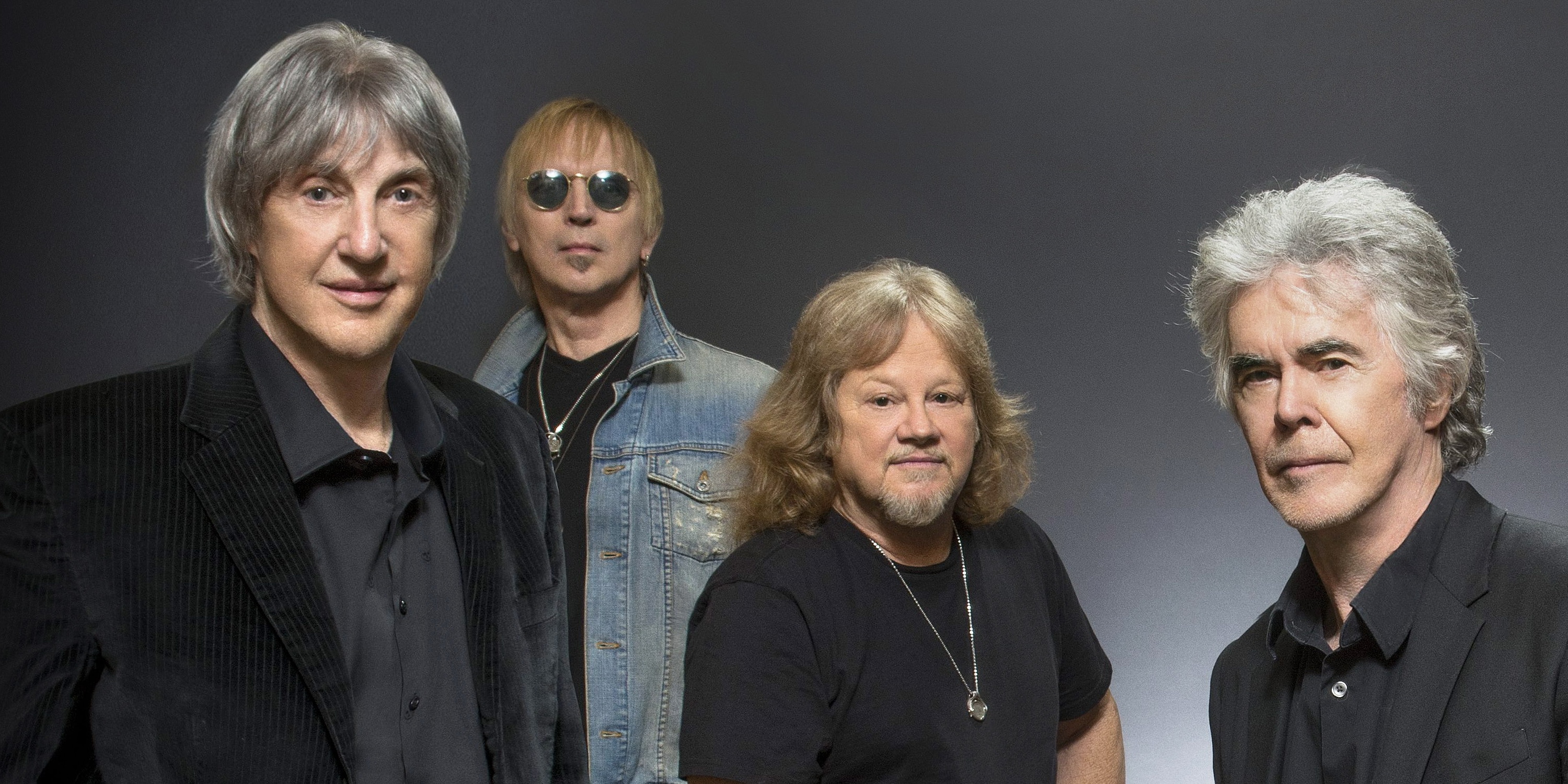
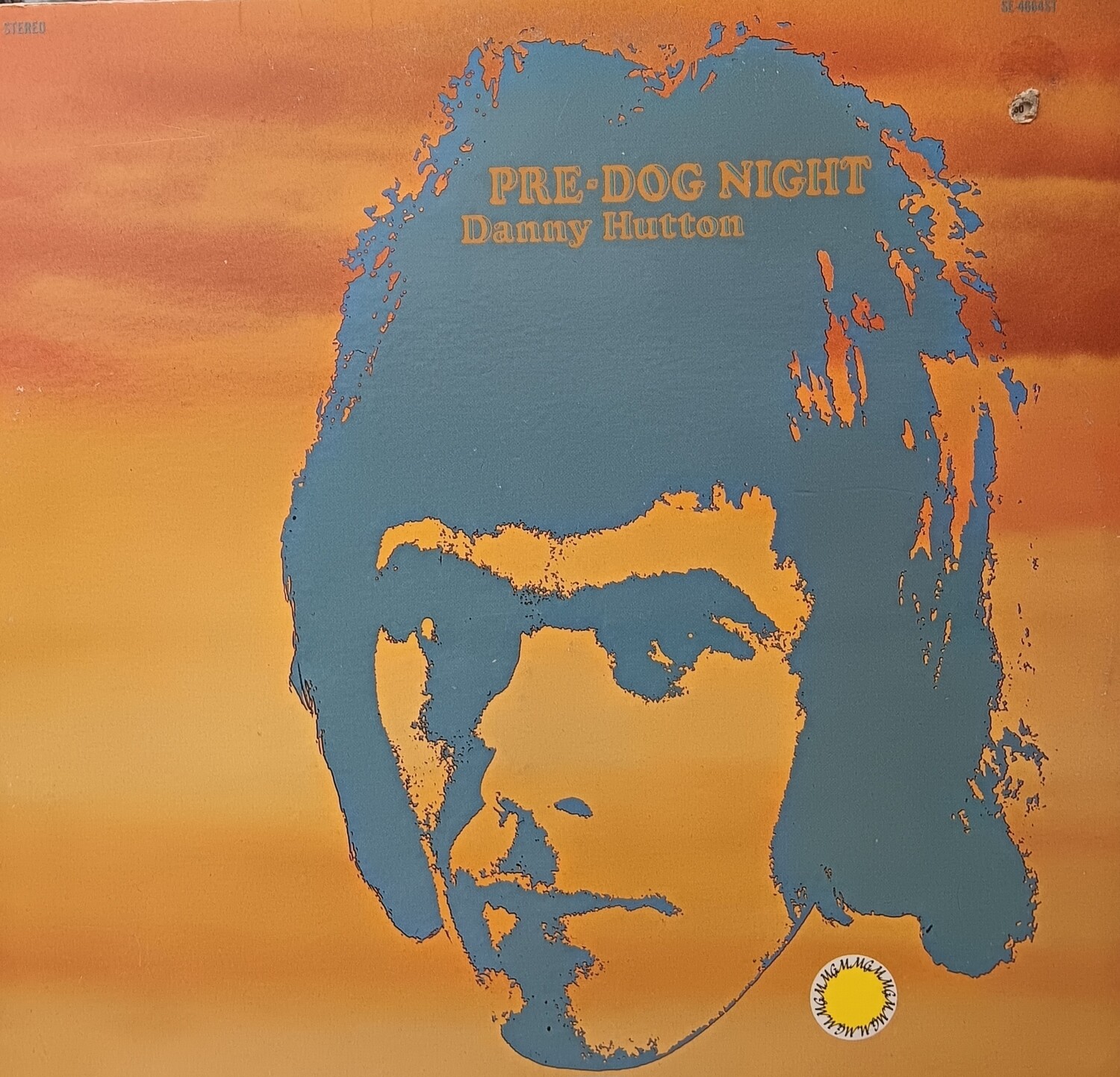
Danny Hutton, best known as the charismatic co-founder and lead vocalist of the legendary 1960s and 1970s rock band Three Dog Night, has maintained a resilient presence in the music industry. As of 2026, examining his financial standin...
Danny Hutton, best known as the charismatic co-founder and lead vocalist of the legendary 1960s and 1970s rock band Three Dog Night, has maintained a resilient presence in the music industry. As of 2026, examining his financial standing involves looking past simple pop-star tropes into a long-lasting career built on touring royalties, publishing catalogs, live performance longevity, and strategic career diversification. While celebrity wealth estimates often fluctuate due to private holdings and shifting entertainment economics, a comprehensive financial evaluation provides a clear picture of how legacy artists maintain enduring economic stability.
Contents
Understanding Legacy Music Wealth and Valuation Realities
Evaluating the net worth of a veteran musician from the classic rock era requires separating gross lifetime earnings from net realizable assets. Unlike modern pop stars who monetize massive streaming volumes instantly, legacy artists built their fortunes through physical album sales, extensive radio syndication, and relentless touring schedules. For Danny Hutton, financial longevity is anchored by the deep cultural footprint of Three Dog Night, a band that achieved twenty-one consecutive Billboard Top 40 hits between 1969 and 1974.
The following framework outlines the primary revenue channels that typically contribute to the wealth of foundational rock musicians operating in 2026:
- Publishing and Songwriting Royalties: Income generated whenever classic tracks like Joy to the World, Mama Told Me Not to Come, or One are streamed, broadcasted, or licensed for film, television, and commercials.
- Performance Rights Organizations (PROs): Ongoing collection of public performance royalties managed by organizations like ASCAP or BMI for radio airplay and live venue usage.
- Live Touring Revenue: Sustained box office earnings from ongoing legacy concert tours, state fairs, and classic rock package festivals where classic acts command reliable guarantees.
- Master Recording Stakes: Direct ownership percentages or legacy royalty percentages tied to original vinyl, CD, and digital master recordings distributed through major label archives.
The Three Dog Night Legacy: Commercial Success and Catalog Value
To comprehend Danny Hutton's financial foundation, one must evaluate the commercial dominance of Three Dog Night during their peak years. The band's ability to interpret songs written by emerging writers—such as Randy Newman, Hoyt Axton, and Paul Williams—and turn them into multi-million-selling anthems cemented their place in rock history. In the current 2026 entertainment market, classic rock catalogs command significant marketplace multiples when assets are managed or sold.
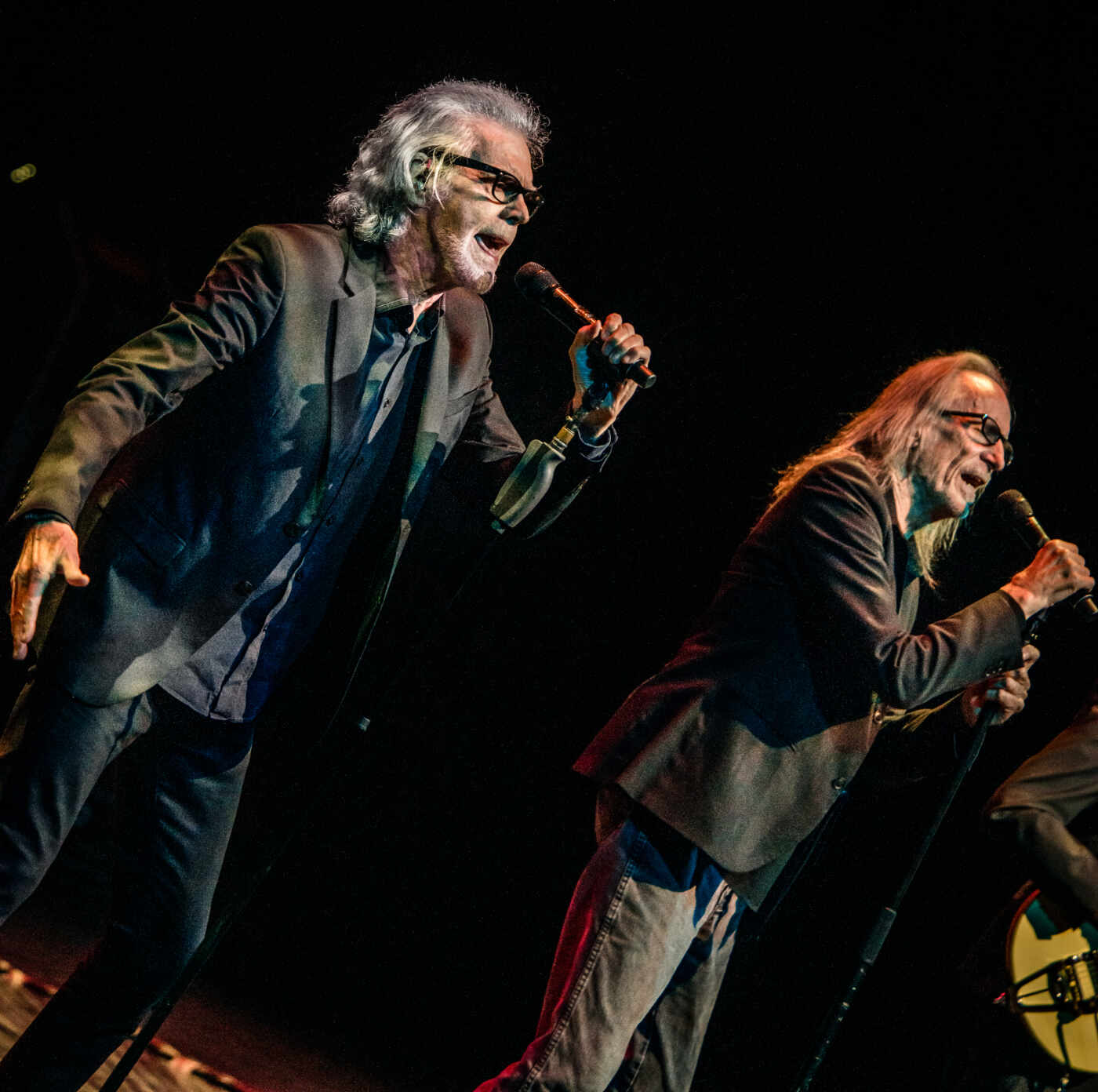
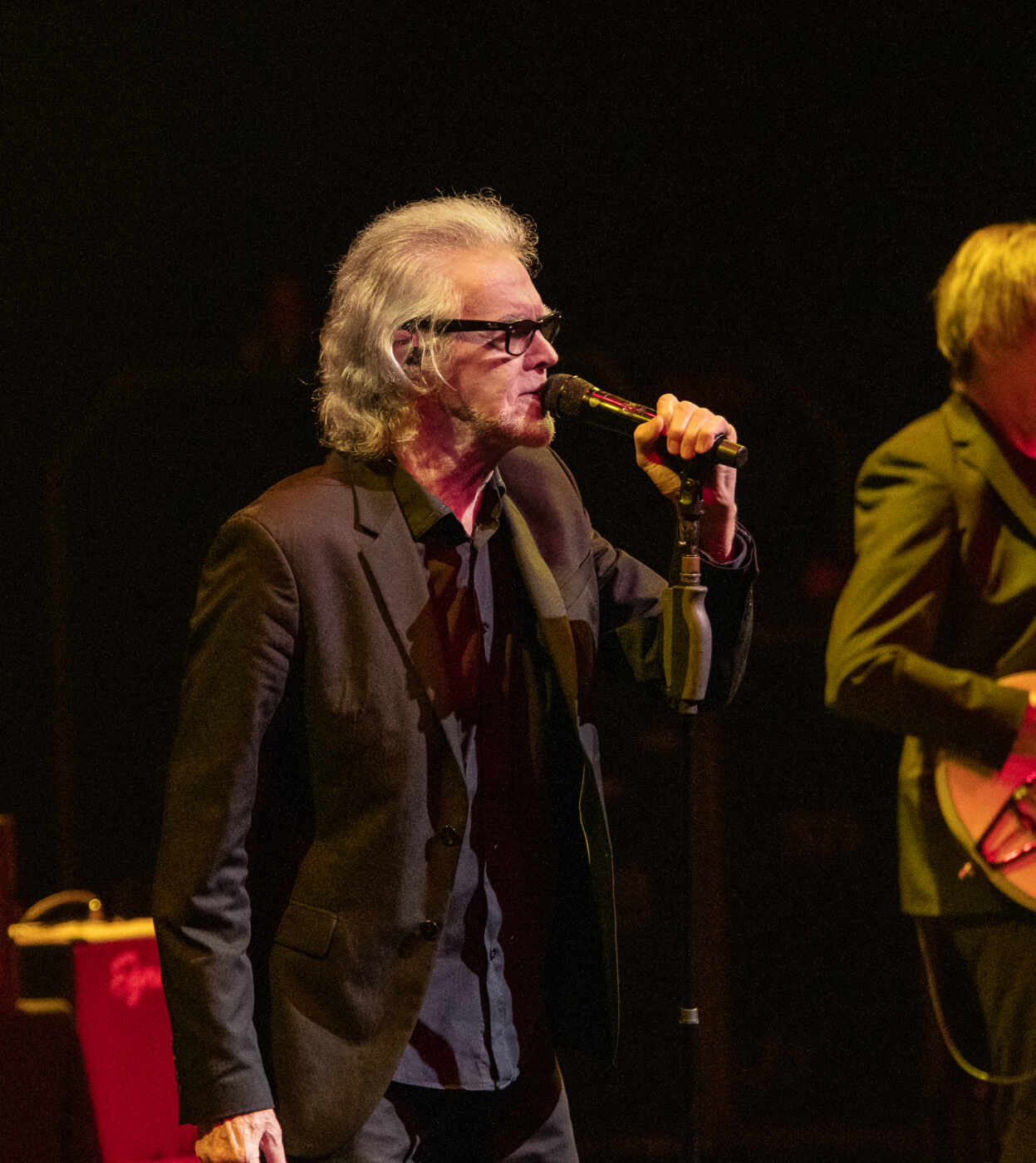
While many legacy artists have opted to sell their publishing rights to private equity firms and music funds for lump-sum payouts, active performers often retain touring rights and select royalty streams to fund ongoing operations. Hutton has continuously kept the Three Dog Night banner alive on the road, performing alongside long-time bandmates and new musicians. This commitment to live performance ensures a steady cash flow independent of passive royalty fluctuations.
| Revenue Stream | Historical Contribution | 2026 Valuation Impact |
|---|---|---|
| Physical Album & CD Sales | High (Multi-platinum certifications in the 1970s) | Low (Marginalized by streaming shifts) |
| Radio & Terrestrial Airplay | Extremely High (Constant classic hits rotation) | Moderate-High (Consistent passive baseline) |
| Streaming & Digital Licensing | Low (Emerging market late in career) | Moderate (Steady aggregate multi-platform plays) |
| Live Concert Touring | High (Global arena headliner historically) | High (Reliable theater and festival guarantees) |
Diversification Beyond the Stage: Media, Production, and Ventures
Beyond his vocal contributions to Three Dog Night, Danny Hutton expanded his professional portfolio into television production, artist management, and radio programming. During the late 1970s and 1980s, Hutton's keen ear for talent extended into the punk rock and new wave movements. He managed or championed several emerging acts and worked behind the scenes in recording studios, giving him a well-rounded understanding of the music business infrastructure.
This behind-the-scenes acumen safeguarded his financial portfolio against the cyclical nature of touring. By understanding production budgets, publishing splits, and promotional pipelines, Hutton successfully navigated shifts in the music industry—from the transition to compact discs to the modern digital streaming era.
Financial Management and Asset Preservation for Classic Rock Icons
Sustaining wealth across a multi-decade career requires rigorous financial management, tax planning, and asset protection. Veteran musicians frequently encounter financial volatility driven by changing tax laws, health care costs, and the expenses associated with maintaining touring logistics.
Wealth Preservation Principles
Prudent Portfolio Diversification: Legacy artists typically transition liquid earnings into stable real estate holdings, private equity, and diversified investment accounts to insulate themselves against entertainment industry downturns.
Active Copyright Stewardship: Maintaining control over intellectual property or securing favorable administrative deals ensures that legacy creators and their estates benefit directly from synchronization licensing in modern media.
Frequently Asked Questions
What is Danny Hutton's estimated net worth in 2026?
Danny Hutton's net worth is estimated to be between $3 million and $6 million, accumulated primarily through decades of touring, songwriting royalties, and his long-standing career as the frontman of Three Dog Night. Because celebrity financial records are private, exact figures vary across biographical sources.
Does Danny Hutton still tour with Three Dog Night?
Yes, Danny Hutton continues to perform live under the Three Dog Night moniker, headlining select concert venues, festivals, and package tours across North America.
How did Three Dog Night generate most of their wealth?
The band built its primary wealth through a string of massive chart-topping hits in the late 1960s and 1970s, extensive physical record sales, and decades of high-grossing live concert performances.
Did Danny Hutton sell his publishing catalog?
Unlike many contemporary legacy acts who have executed multi-million-dollar catalog buyouts with private equity funds, Hutton has maintained an active hand in managing his legacy and ongoing performance rights.
What are some of Three Dog Night's biggest financial hits?
Major commercial hits like Joy to the World, One, Mama Told Me Not to Come, and Black and White generated substantial publishing and broadcast royalties that continue to yield passive income.
Conclusion and Strategic Industry Outlook
Danny Hutton's financial trajectory exemplifies the resilience required of classic rock artists navigating a rapidly evolving entertainment landscape. By balancing active live performance with protected intellectual property and historical catalog value, Hutton has secured a stable financial legacy. As the music industry continues to adapt to new digital frameworks in 2026, the enduring appeal of 1970s classic rock guarantees that foundational artists like Hutton remain culturally relevant and economically secure. For aspiring musicians and industry analysts alike, his career serves as a masterclass in longevity, adaptability, and the enduring value of great songwriting.
Image Gallery