Understanding Urban Air Deaths in Detroit: Public Health, Pollution Sources, and Mortality Risks
Urban air deaths in Detroit stem from persistent, cumulative exposures to fine particulate matter, industrial emissions, and mobile-source air toxics that disproportionately impact low-income neighborhoods and communities of color. Dec...
Urban air deaths in Detroit stem from persistent, cumulative exposures to fine particulate matter, industrial emissions, and mobile-source air toxics that disproportionately impact low-income neighborhoods and communities of color. Decades of historical manufacturing legacy combined with heavy freight corridors have created localized pollution hotspots, elevating the incidence of cardiovascular disease, asthma exacerbations, and premature mortality across Wayne County.
Contents
The Public Health Landscape of Air Pollution in Detroit
Detroit’s public health profile is deeply intertwined with its industrial past and modern logistics infrastructure. As one of the primary industrial hubs of the Midwest, the city hosts a concentration of point-source polluters, including steel mills, oil refineries, waste-to-energy incinerators, and major chemical processing plants. When these emissions mix with secondary pollutants generated by dense vehicular traffic along interstate corridors like I-94, I-75, and I-96, the resulting ambient air matrix poses severe risks to human health.
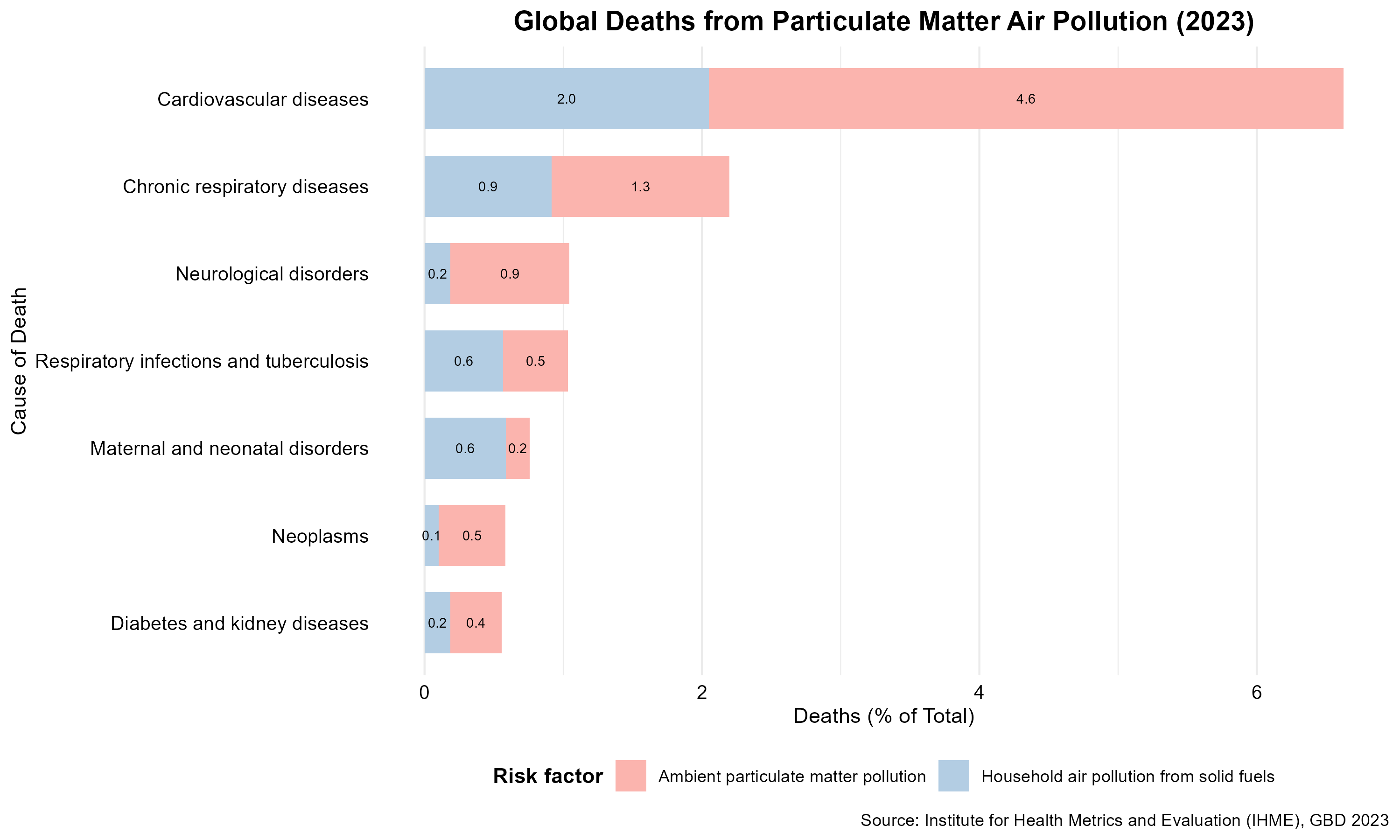
Epidemiological studies and air quality assessments conducted by academic institutions and environmental agencies consistently show that residents living in specific Detroit zip codes experience significantly higher rates of premature death linked to respiratory and cardiovascular failure. The mechanism connecting urban air pollution to mortality involves microscopic toxins entering the human bloodstream via the lungs, triggering systemic inflammation, oxidative stress, endothelial dysfunction, and accelerated plaque buildup in arteries.
Understanding these dynamics requires looking beyond single-day smog alerts. The true mortality burden is driven by chronic, low-dose exposure over years and decades. Vulnerable populations—including children, the elderly, and individuals with preexisting chronic illnesses—bear the brunt of these environmental health disparities, manifesting as excess emergency room visits, hospitalizations, and shortened life expectancies.
Primary Pollutants and Their Physiological Mechanisms
To comprehend how urban air quality translates into mortality metrics in Detroit, it is essential to examine the specific chemical and physical agents suspended in the city's atmosphere. Air pollution is not a monolith; it is a complex cocktail of gases and particulate matter, each interacting with human biology in distinct ways.
Fine Particulate Matter (PM2.5)
Particulate matter with a diameter of 2.5 micrometers or smaller represents the single greatest threat to human longevity among all air pollutants. Because these particles are roughly 30 times smaller than the width of a human hair, they bypass the body's natural filtration defenses in the nose and upper airways, penetrating deep into the pulmonary alveoli.
Once inside the gas-exchange regions of the lungs, PM2.5 particles cross the alveolar-capillary membrane and enter the systemic circulation. This triggers an immediate immune response, releasing cytokines that cause systemic inflammation. Over time, chronic exposure accelerates atherosclerosis, increases blood viscosity, and elevates the risk of fatal ischemic strokes and myocardial infarctions.
Ozone (O3) and Nitrogen Dioxide (NO2)
Ground-level ozone is formed when volatile organic compounds (VOCs) and nitrogen oxides (NOx) react in the presence of sunlight. Detroit's industrial activity and vehicle fleet pump substantial quantities of these precursor gases into the local atmosphere, especially during hot summer months.
Inhalation of ozone irritates and damages the epithelial lining of the lungs, causing acute decreases in lung function and inflammation of airway tissues. Chronic exposure remodels airway architecture, mimicking or exacerbating chronic obstructive pulmonary disease (COPD) and asthma. Nitrogen dioxide, heavily emitted by diesel trucks and buses, acts as a potent respiratory irritant that sensitizes the lungs to allergens and suppresses immune defense mechanisms against bacterial infections.
Geographic Disparities and Environmental Injustice
Air pollution exposure in Detroit is not distributed equitably across the urban landscape. Decades of discriminatory zoning practices, redlining, and municipal planning have placed heavy industrial facilities, commercial truck routes, and waste transfer stations directly adjacent to residential neighborhoods.
The Southwest Detroit Hotspot
Southwest Detroit serves as a primary case study in environmental injustice. Bounded by major industrial corridors, the Rouge River manufacturing complex, and international border crossings like the Ambassador Bridge, neighborhoods such as Vernor, Delray, and Zug Island experience some of the highest cumulative pollution burdens in the state.
Residents in these areas live within feet of heavy diesel truck traffic idling at customs gates, chemical storage facilities, and heavy industrial plants. Consequently, localized air monitoring data frequently records elevated concentrations of benzene, 1,3-butadiene, and heavy metals alongside high PM2.5 levels. The resulting health disparities are stark, with local emergency asthma hospitalization rates running multiple times higher than the state average.
Comparative Environmental Burdens in Wayne County
| Area / Neighborhood | Primary Pollution Sources | Predominant Health Risks | Relative Vulnerability Index |
|---|---|---|---|
| Southwest Detroit (Delray/Vernor) | Refineries, steel mills, international bridge traffic, heavy freight | Asthma, lung cancer, cardiovascular mortality | Extremely High |
| Eastside Detroit | Waste incinerator legacy, manufacturing sites, I-94 corridor | Respiratory illness, pediatric asthma, systemic inflammation | High |
| Northwest Detroit / Oak Park Border | Major highway corridors (M-39, I-96), commercial transit | Cardiovascular disease, hypertension, stroke | Moderate to High |
| Grosse Pointe / Subt. Enclaves | Regional airshed drift, lower local industrial density | Baseline urban background risks | Lower |
Regulatory Frameworks and Air Monitoring Networks
Monitoring and mitigating urban air deaths in Detroit involves a multi-layered regulatory apparatus spanning federal, state, and local jurisdictions. The United States Environmental Protection Agency (EPA) sets National Ambient Air Quality Standards (NAAQS) under the Clean Air Act, establishing legal limits for criteria pollutants including particulate matter, sulfur dioxide, carbon monoxide, and ozone.
The Michigan Department of Environment, Great Lakes, and Energy (EGLE) operates a network of continuous and intermittent air monitoring stations across Detroit and Wayne County. These stations measure real-time concentrations of PM2.5, ozone, and toxic gases, feeding data into the EPA’s Air Quality System (AQS) and public-facing dashboards like AirNow.
Challenges in Enforcement and Compliance
Despite established regulatory thresholds, communities frequently challenge the effectiveness of current permitting and enforcement mechanisms. Key operational hurdles include:
- Cumulative Impact Accounting: Traditional regulatory permitting evaluates industrial facilities on an individual, smokestack-by-smokestack basis rather than assessing the cumulative toxic burden of multiple facilities operating within a square mile.
- Fugitive Emissions: Industrial processes often release uncaptured fugitive emissions from valves, storage tanks, and material handling yards that escape standard point-source monitoring equipment.
- Aging Infrastructure: Many industrial operations in the region rely on legacy equipment that complies with grandfathered permits rather than modern Best Available Control Technology (BACT) standards.
Public Health Interventions and Mitigation Strategies
Addressing the mortality burden associated with Detroit’s urban air requires coordinated interventions across clinical medicine, urban planning, policy reform, and community-based advocacy. Healthcare providers in the region increasingly utilize environmental exposure screenings to identify high-risk pediatric and geriatric patients, integrating home air filtration distribution into chronic disease management plans.
Engineering and Urban Planning Solutions
Reducing urban air deaths necessitates structural changes to how the city manages transit and industrial zoning:
- Electrification of Fleets: Transitioning municipal transit buses, school buses, and regional commercial delivery fleets to zero-emission electric vehicles diminishes mobile-source NOx and diesel particulate output.
- Green Infrastructure and Buffer Zones: Planting dense, multi-tiered urban forests and vegetative barriers along major interstate corridors helps intercept and filter particulate matter before it reaches residential blocks.
- Buffer Zone Ordinances: Implementing municipal land-use restrictions that prevent the expansion or new siting of heavy industrial facilities within specified distances of residential neighborhoods, schools, and hospitals.
- Stricter Facility Permitting: Mandating continuous fence-line monitoring for industrial facilities, with automated public alerts and mandatory operational curtailments during stagnant meteorological inversion events.
Frequently Asked Questions
What are the main pollutants responsible for urban air deaths in Detroit?
Fine particulate matter (PM2.5) and ground-level ozone are the primary drivers of mortality. PM2.5 penetrates deep into lung tissue and enters the bloodstream, triggering cardiovascular events and systemic inflammation, while ozone damages respiratory tissues and exacerbates chronic lung disease.
Which areas of Detroit experience the highest pollution levels?
Southwest Detroit—particularly neighborhoods near the Zug Island industrial complex, the Rouge River manufacturing corridor, and the Ambassador Bridge international freight routes—experiences the highest cumulative pollution burdens and associated health risks in the city.
How does air pollution cause premature death?
Chronic exposure to airborne toxins accelerates the hardening of arteries, increases blood pressure, induces systemic oxidative stress, and impairs pulmonary function. Over time, these physiological insults significantly elevate the risk of fatal heart attacks, strokes, and acute respiratory failure.
What role do state and federal agencies play in monitoring Detroit’s air?
The U.S. EPA sets national air quality standards, while the Michigan Department of Environment, Great Lakes, and Energy (EGLE) operates a network of air monitoring stations across Wayne County to track pollutant concentrations and enforce compliance with Clean Air Act regulations.
What steps are being taken to reduce air pollution exposure for residents?
Current mitigation efforts include community-led advocacy for stricter industrial permitting, the expansion of vegetative buffer zones along highways, investments in zero-emission municipal transit fleets, and the implementation of real-time fence-line monitoring around major industrial facilities.
Can personal air filters reduce health risks from urban air pollution?
Yes. High-efficiency particulate air (HEPA) purifiers used indoors can significantly reduce indoor concentrations of PM2.5, offering substantial protection during high-pollution advisory days, particularly for vulnerable individuals with asthma or heart disease.
Next Actions for Residents and Researchers
To better understand, monitor, or mitigate the impacts of urban air pollution in Detroit, stakeholders should consult verified data sources and engage with established public health frameworks. Residents can access real-time air quality metrics through federal monitoring tools like AirNow to adjust outdoor activities during high-pollution events. Public health advocates, researchers, and community organizations can review industrial permit applications through the Michigan EGLE public notice database to track facility compliance, participate in public comment periods, and advocate for equitable environmental policies across Wayne County.
Image Gallery